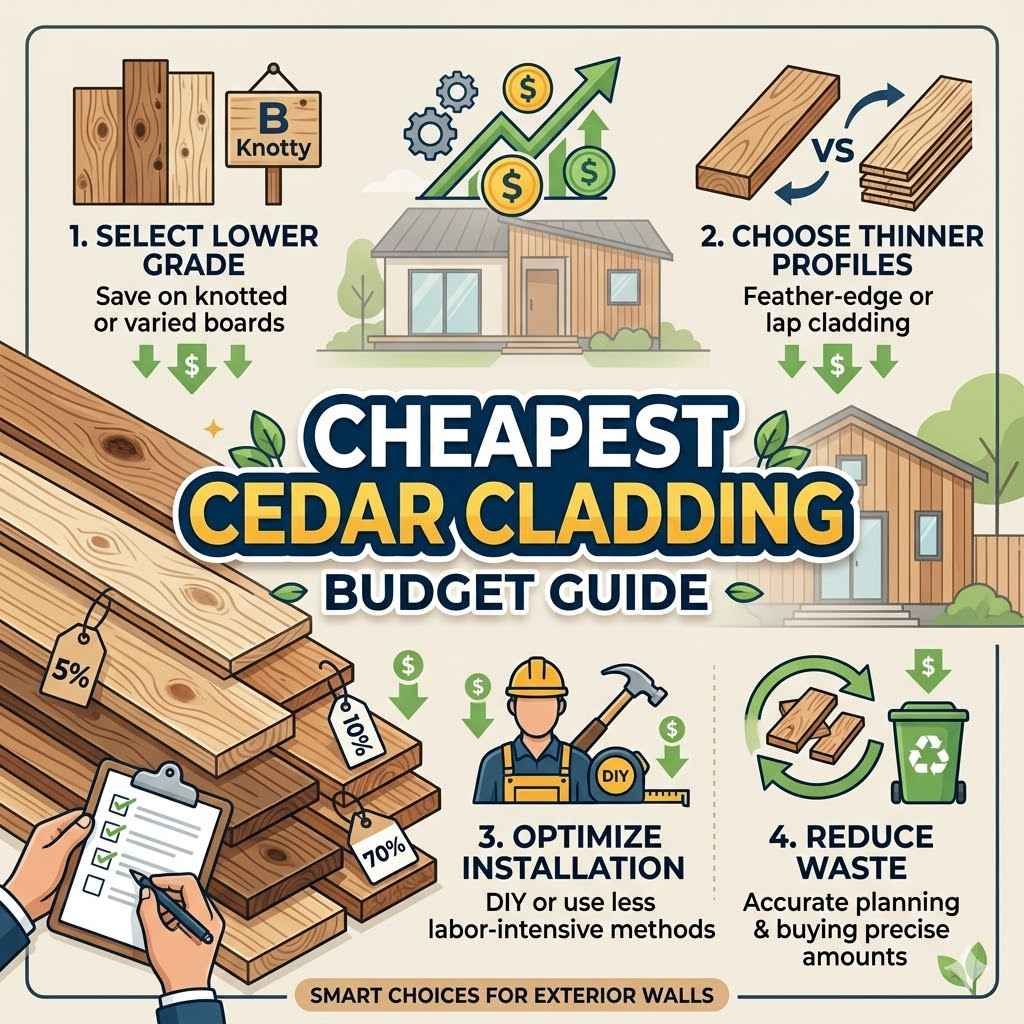
Cheapest Cedar Cladding Budget Guide
Finding the Cheapest Cedar Cladding: Best Budget Options can seem a little tricky at first, especially if you are new to home improvement projects. You want that beautiful, natural wood look without breaking the bank. It is a common worry for many homeowners.
But do not worry! This guide will make it simple. We will walk through everything you need to know to find great cedar cladding that fits your budget.
Get ready to learn how to get the best value for your money.
Finding Affordable Cedar Cladding
Choosing the right cedar cladding can make a big difference in how your home looks and how much you spend. Many people think cedar is always expensive, but there are smart ways to get it for less. This section helps you understand what makes cedar cladding affordable and where to look for good deals.
We will talk about different types and how to spot them.
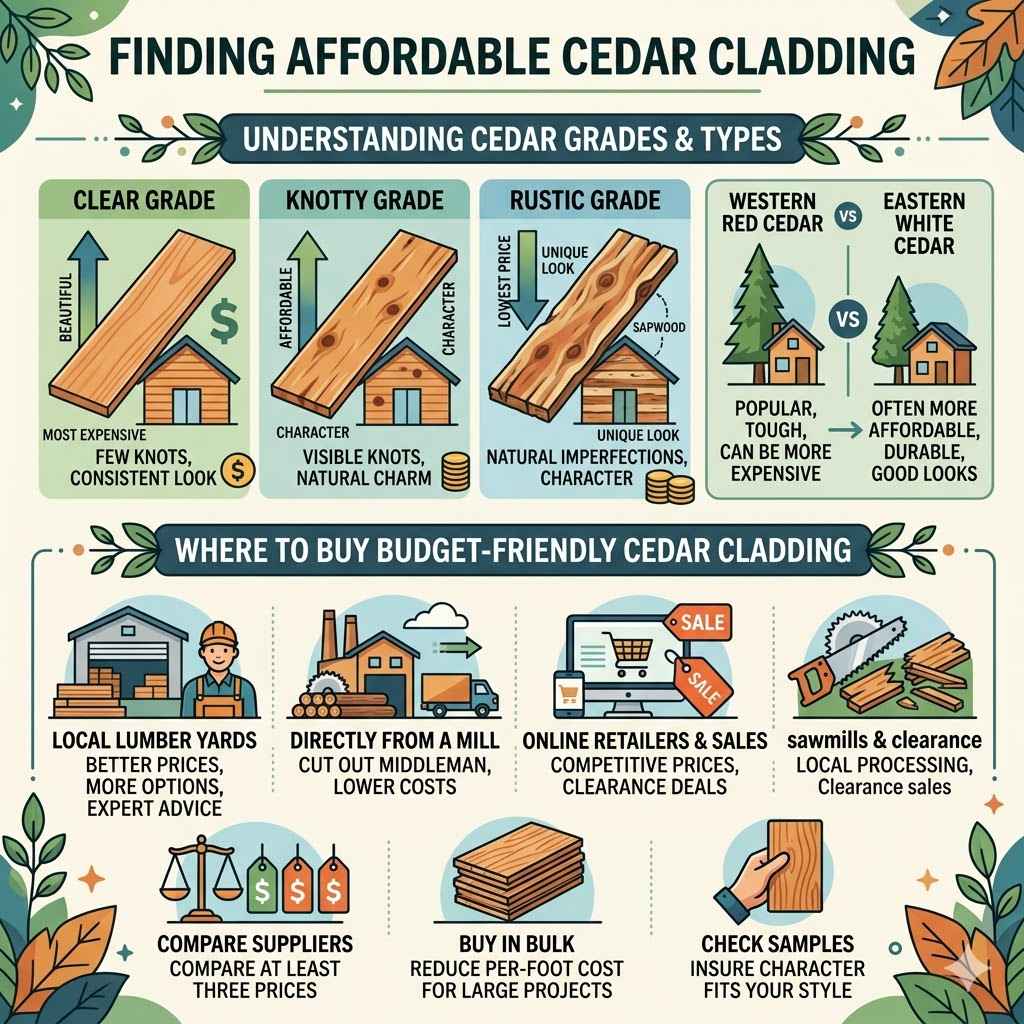
Understanding Cedar Grades and Types
Cedar wood comes in different grades, like A, B, or even rustic grades. Higher grades usually mean fewer knots and a more uniform look, which costs more. Lower grades might have more knots or color variations, but they are much cheaper.
For budget-friendly projects, a lower or rustic grade can be perfect. It still gives you that natural cedar charm.
You also have different types of cedar, like Western Red Cedar or Eastern White Cedar. Western Red Cedar is very popular for its beauty and toughness. It can be more expensive.
Eastern White Cedar is often a bit more affordable and still offers good looks and durability. Thinking about which type fits your budget is a smart first step.
- Clear Grade Cedar: This has very few knots and a smooth, consistent appearance. It is beautiful but typically the most expensive option.
- Knotty Grade Cedar: This grade has visible knots, which many people find adds character. It is usually more affordable than clear grade.
- Rustic Grade Cedar: This can include more natural imperfections, like knots, color variations, and even some sapwood. It offers a unique, natural look at a lower price point.
When looking for the Cheapest Cedar Cladding: Best Budget Options, ask about knotty or rustic grades. These are often overlooked but provide excellent value. They still give you the natural warmth and aroma of real cedar.
Always check samples to see if the character fits your style.
Where to Buy Budget-Friendly Cedar Cladding
The place you buy your cladding from greatly affects the price. Big box stores might have cedar, but local lumber yards or specialized wood suppliers often offer better prices and more options for budget shoppers. Sometimes, buying directly from a mill can save you money too.
Online retailers can also be competitive, especially if they have sales.
Look for local sawmills or timber yards that process their own cedar. They can cut out the middleman, leading to lower costs. Also, keep an eye out for clearance sales or end-of-lot deals.
These are great opportunities to grab high-quality cedar at a discount. Building relationships with local suppliers can lead to special offers and advice.
Consider buying in bulk if you have a large project or can store it. Sometimes, purchasing more at once can reduce the per-foot cost. Always compare prices from at least three different suppliers before making your final decision.
This ensures you are truly getting the best deal for your project.
Cost-Saving Cedar Cladding Techniques
Once you know where to buy, you can also save money on installation and finishing. Smart choices here mean your budget goes further. These techniques focus on making the most of your purchase and reducing extra costs.
DIY Installation vs. Professional Help
Hiring professionals can be costly. If you are handy, doing the installation yourself can save a lot of money. Cedar cladding is relatively easy to work with for DIYers.
You will need basic tools like a saw, level, measuring tape, and a nail gun or hammer.
However, if you have never done anything like this before, or if your project is very large or complex, hiring a professional might be worth the cost. They can do the job quickly and correctly, avoiding costly mistakes. Think about your skill level and the time you have available.
For Cheapest Cedar Cladding: Best Budget Options, DIY is often the way to go if possible.
- DIY Benefits: Significant cost savings on labor. Personal satisfaction from completing a project.
- DIY Challenges: Requires time, effort, and learning new skills. Risk of mistakes that can cost more to fix.
- Professional Benefits: Speed and efficiency. Expert finishing and fewer errors.
- Professional Challenges: Higher upfront cost. Need to find a reliable contractor.
For example, a homeowner looking for Cheapest Cedar Cladding: Best Budget Options decided to install it on their garden shed. They watched several online tutorials and rented the necessary tools. The project took a weekend, saving them over $500 compared to hiring a handyman.
Finishing and Sealing for Durability
Cedar is naturally resistant to rot and insects, but it can still fade to a silvery gray over time if left untreated. Applying a finish can protect the wood and keep its natural color looking fresh. This also makes your cladding last longer, saving you money in the long run.
There are many types of finishes. You can choose a clear sealant to let the natural wood show through, or a stain to add color. Look for water-based finishes, as they are generally easier to clean up and better for the environment.
Applying a finish is usually a straightforward process.
If you are going for the natural silver-gray look, that is fine too! Cedar weathers beautifully. The choice depends on your personal preference and how long you want to maintain the original color.
A good quality sealant applied every few years can extend the life of your cladding considerably.
A homeowner in Oregon used a clear, UV-protective water-based sealant on their cedar cladding. They reapply it every three years. This has kept the wood looking rich and warm for over ten years, avoiding the need for replacement and saving them money compared to other materials.
Comparing Cedar with Other Cladding Materials
To truly appreciate the value of cedar, it helps to see how it stacks up against other common exterior cladding options. While the focus is on Cheapest Cedar Cladding: Best Budget Options, knowing the alternatives helps justify the choice.
Vinyl Cladding
Vinyl cladding is one of the most affordable options available. It is low maintenance and comes in many colors. However, it does not offer the natural beauty or warmth of real wood.
It can also be prone to damage from impacts and extreme temperatures.
Pros of Vinyl:
- Very low cost.
- Minimal maintenance.
- Wide range of colors.
- Easy to install.
Cons of Vinyl:
- Artificial look.
- Can crack or warp.
- Not environmentally friendly.
- Fades over time.
Vinyl is a good choice if budget is the absolute top priority and natural aesthetics are less important. However, for a natural look that adds significant curb appeal, cedar often proves to be a better long-term investment, even at a slightly higher initial cost.
Fiber Cement Cladding
Fiber cement is another durable and popular choice. It is made from cement, sand, and cellulose fibers. It is fire-resistant, pest-resistant, and can mimic the look of wood, stucco, or masonry.
It is generally more expensive than vinyl but often cheaper than high-end cedar.
Pros of Fiber Cement:
- Durable and long-lasting.
- Resistant to fire and pests.
- Can mimic wood grain.
- Low maintenance.
Cons of Fiber Cement:
- Heavier and harder to install than vinyl.
- Can be brittle and chip if hit hard.
- Requires specialized tools for cutting.
- Less natural warmth than real wood.
Fiber cement offers a good balance of durability and aesthetics. However, for a truly authentic and natural appeal, especially when focusing on Cheapest Cedar Cladding: Best Budget Options, finding a good deal on cedar can still be more attractive for its inherent beauty and charm. Cedar offers a unique aroma and a natural warmth that fiber cement cannot replicate.
Engineered Wood Cladding
Engineered wood cladding is made from wood strands or fibers bonded together with adhesives. It is designed to be more stable and consistent than solid wood. It often looks like real wood and can be more affordable than premium cedar.
Pros of Engineered Wood:
- More stable than solid wood.
- Can mimic wood grain well.
- Often more affordable than premium cedar.
- Factory-applied finishes available.
Cons of Engineered Wood:
- Relies on adhesives, which can degrade.
- May not have the same natural character as real cedar.
- Can be susceptible to moisture damage if not properly sealed.
- Environmental impact of manufacturing.
While engineered wood can be a good compromise, it lacks the unique, natural character and inherent durability of real cedar. When searching for Cheapest Cedar Cladding: Best Budget Options, finding a suitable knotty or rustic grade of real cedar can often provide a more authentic and rewarding result for your home’s exterior.
Maximizing Value with Cedar Cladding
Getting the best value for your money with cedar cladding involves more than just finding a low price. It is about smart planning, careful selection, and understanding the long-term benefits. This section focuses on how to make your budget cedar cladding project a success.
Understanding the Longevity and ROI
Cedar cladding, even the budget-friendly kinds, is known for its longevity. It naturally resists decay, insects, and moisture. This means it can last for decades with minimal maintenance.
When you consider how long it lasts compared to other materials, the initial cost often becomes a worthwhile investment.
The return on investment (ROI) for exterior upgrades like cladding can be significant. Beautiful, natural cladding like cedar improves your home’s curb appeal. This can increase its market value if you ever decide to sell.
Homes with well-maintained, attractive exteriors tend to sell faster and for more money.
A study by Remodeling Magazine showed that siding replacement, including wood and its alternatives, consistently ranks high in terms of cost recouped during a sale. While specific figures vary, homeowners often recoup 70-80% of their investment. For cedar, this figure can be even higher due to its perceived value and aesthetic appeal.
Example:
- A homeowner chose knotty cedar cladding for their cabin. The total cost was $8,000.
- The cabin was on the market two years later and sold for $15,000 more than comparable homes without updated exteriors.
- The ROI was substantial, demonstrating the long-term financial benefit of choosing cedar.
Tips for Smart Shopping and Negotiation
When you are looking for Cheapest Cedar Cladding: Best Budget Options, being a smart shopper pays off. Do your research before you start calling suppliers. Know the type and grade of cedar you are interested in, and have an idea of the quantity you need.
Always get quotes from multiple suppliers. Prices can vary significantly. Do not be afraid to negotiate, especially if you are buying a large quantity or if you are a repeat customer.
Some suppliers might offer discounts for cash payments or for picking up the material yourself.
Consider off-season purchases. Lumber yards might offer better prices during slower months, like late fall or winter, when demand is lower. This is a great strategy if you are planning your project ahead of time and are not on a strict deadline.
- Compare Prices: Get at least three quotes from different lumber yards and suppliers.
- Buy in Bulk: If possible, purchase all your materials at once to potentially get a bulk discount.
- Look for Sales: Keep an eye on seasonal sales or clearance items from retailers.
- Negotiate Terms: Don’t hesitate to ask for a better price, especially if you’re a serious buyer.
Maintaining Your Cedar Cladding on a Budget
Keeping your cedar cladding looking good doesn’t have to be expensive. Regular cleaning and occasional sealing are key. Most of the time, a simple wash with mild soap and water is enough to keep it looking fresh.
You can use a soft brush or a power washer on a low setting.
If you decide to reapply a sealant or stain, do it yourself. This is a straightforward task that saves on labor costs. Choose a quality, water-based product that is easy to apply.
You can often find good deals on these finishes during home improvement sales.
For minor repairs, like replacing a damaged board, always keep a few extra pieces from your original purchase. This ensures a perfect color match. If you cannot do that, try to buy a matching board from the same supplier to minimize color differences.
Scenario:
- A homeowner notices some minor dirt build-up on their cedar cladding after a few years.
- They purchase a bucket of mild detergent and a soft scrubbing brush.
- They spend an afternoon washing the house, significantly improving its appearance for the cost of cleaning supplies.
Sample Project Cost Breakdown
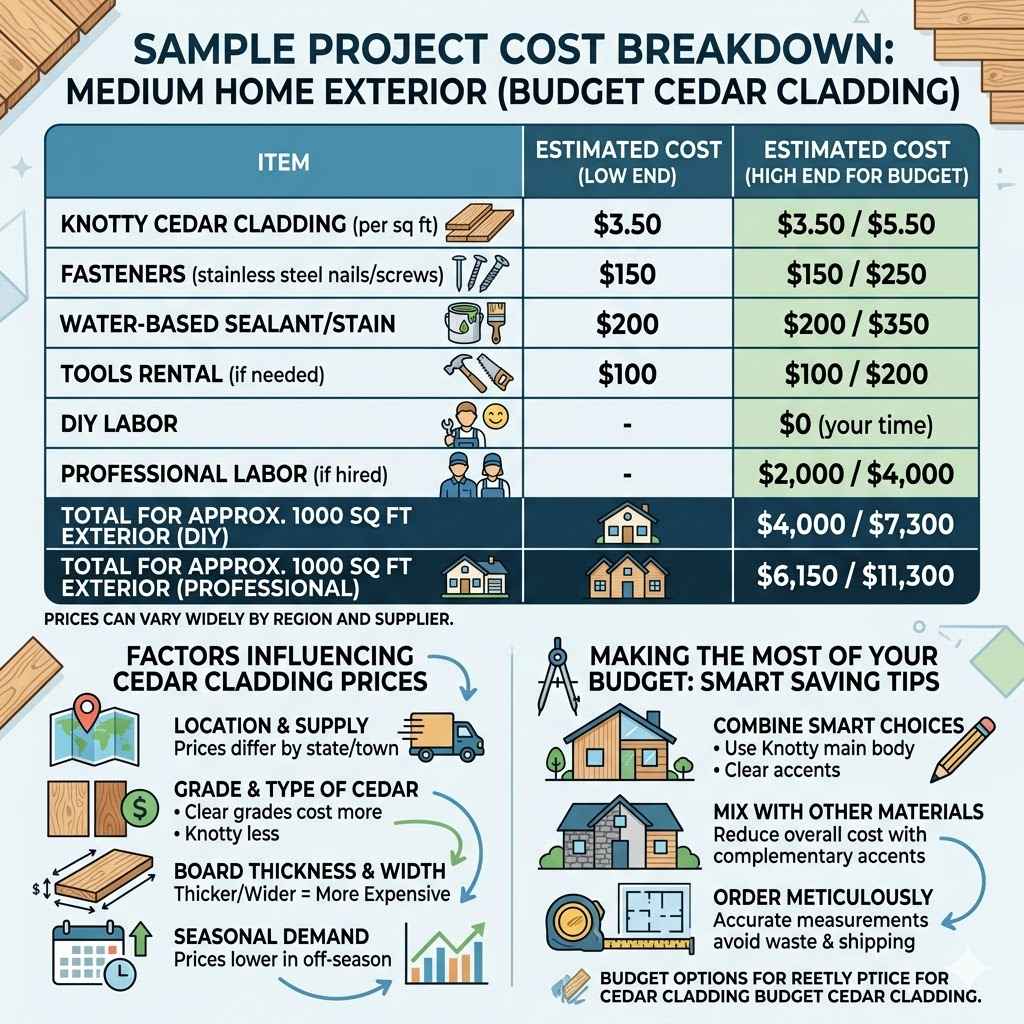
To give you a clearer picture, here is a sample cost breakdown for a medium-sized home exterior project using budget-friendly cedar cladding. This helps illustrate how the Cheapest Cedar Cladding: Best Budget Options can be realized in practice. Prices can vary widely by region and supplier.
| Item | Estimated Cost (Low End) | Estimated Cost (High End for Budget) |
|---|---|---|
| Knotty Cedar Cladding (per sq ft) | $3.50 | $5.50 |
| Fasteners (stainless steel nails/screws) | $150 | $250 |
| Water-based Sealant/Stain | $200 | $350 |
| Tools Rental (if needed) | $100 | $200 |
| DIY Labor | $0 (your time) | $0 (your time) |
| Professional Labor (if hired) | $2,000 | $4,000 |
| Total for Approx. 1000 sq ft Exterior (DIY) | $4,000 | $7,300 |
| Total for Approx. 1000 sq ft Exterior (Professional) | $6,150 | $11,300 |
As you can see, the DIY option for Cheapest Cedar Cladding: Best Budget Options can lead to substantial savings, often cutting labor costs in half or more. Even with professional installation, opting for knotty or rustic grades of cedar can make it a more competitive choice against other premium materials.
Factors Influencing Cedar Cladding Prices
Several things affect how much cedar cladding costs. Location is a big one; lumber prices can differ a lot from state to state or even town to town. The time of year also plays a role, with prices sometimes being lower in the off-season.
The grade and type of cedar are major drivers of price. As mentioned, clear grades cost more than knotty or rustic ones. Western Red Cedar is typically pricier than Eastern White Cedar.
The thickness and width of the boards also impact cost, with thicker or wider boards generally being more expensive.
Supply and demand are always at play. If there is a high demand for cedar or a shortage of supply, prices will go up. Economic conditions can also influence the cost of building materials.
Staying informed about these factors can help you time your purchase for the best possible price.
Making the Most of Your Budget
To truly get the Cheapest Cedar Cladding: Best Budget Options, combine smart shopping with smart material choices. For example, use a more affordable knotty grade for most of your house but reserve a smaller amount of clear cedar for a prominent feature, like the front door surround, to add a touch of elegance without a huge cost increase.
Consider mixing cedar with other materials. Perhaps use cedar for the main body of your home and a less expensive but complementary material for accents or lower sections. This can significantly reduce the overall project cost while still giving you that desirable cedar look.
Plan your project meticulously. Accurate measurements prevent ordering too much or too little material. Ordering exactly what you need helps avoid waste and extra shipping costs.
This careful planning is essential for staying within budget.
Frequently Asked Questions
Question: What is the difference between knotty cedar and clear cedar cladding?
Answer: Knotty cedar has visible knots, which give it a rustic and characterful look. It is generally less expensive than clear cedar. Clear cedar has very few to no knots, offering a smooth, uniform, and premium appearance, which makes it more costly.
Question: How long does cedar cladding typically last?
Answer: With proper installation and basic maintenance, cedar cladding can last anywhere from 30 to 50 years, and sometimes even longer. Its natural resistance to rot and insects contributes to its durability.
Question: Can I paint or stain cedar cladding?
Answer: Yes, you can paint or stain cedar cladding. Using a stain will highlight the natural wood grain, while paint will cover it. It’s recommended to use exterior-grade, high-quality finishes that are suitable for wood.
Question: Is cedar cladding good for all types of weather?
Answer: Cedar is quite resilient and performs well in various weather conditions due to its natural oils that offer protection against moisture and UV rays. However, extreme and prolonged exposure to harsh elements can still affect it over time, making sealing a good idea.
Question: Where can I find the cheapest cedar cladding?
Answer: You can often find the cheapest cedar cladding at local lumber yards, sawmills, or specialized wood suppliers. Shopping during the off-season or looking for clearance sales can also help secure budget-friendly options.
Conclusion
Finding the Cheapest Cedar Cladding: Best Budget Options is achievable with smart planning and informed choices. Focus on knotty or rustic grades from reliable suppliers. Consider DIY installation and budget-friendly finishes.
Cedar offers lasting beauty and value, making it a great choice for your home’s exterior.