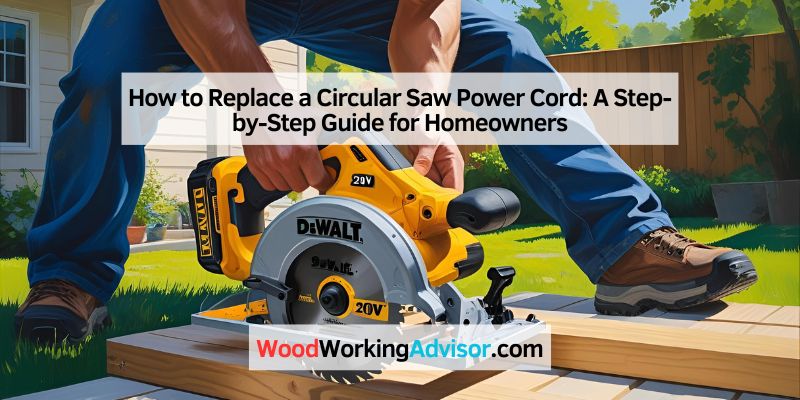
How to Replace a Circular Saw Power Cord: A Step-by-Step Guide for Homeowners
Hey there, fellow DIY enthusiast! If you’ve ever found yourself staring at a frayed or cut power cord on your trusty circular saw, you know that sinking feeling. It’s frustrating when a tool you rely on for your home improvement projects suddenly stops working because of a damaged cord. But don’t worry—I’ve been there, and I’m here to walk you through the process of replacing a circular saw power cord. I’ve tackled this repair myself a few times, and let me tell you, it’s not as daunting as it seems. With the right tools, a bit of patience, and some clear guidance, you can get your saw back in action without breaking the bank.
In this article, I’ll share everything I’ve learned about replacing a circular saw power cord, from gathering the right materials to testing your repair. Whether you’re a seasoned DIYer or just starting out, this guide is for you. Let’s dive in and get that saw humming again!
Why Replacing a Circular Saw Power Cord Matters
Let’s start with the basics. A circular saw is a powerhouse in any DIYer’s toolkit. It’s perfect for cutting wood, metal, or even tile with the right blade. But when the power cord gets damaged—whether it’s frayed, nicked, or completely severed—the saw becomes useless. Worse, using a damaged cord can be dangerous. I’ve seen cords with exposed wires that could cause shocks or even start a fire. That’s not something you want to mess around with.
Replacing the cord yourself saves money compared to buying a new saw or paying for professional repairs. Plus, it’s a rewarding project. I remember the first time I fixed my saw’s cord—I felt like I’d conquered a small mountain! It’s also eco-friendly because you’re keeping your tool out of the landfill. A new cord can extend the life of your saw for years, making it a smart choice for both your wallet and the planet.
Common Causes of Power Cord Damage
Before we get into the how-to, let’s talk about why power cords get damaged in the first place. Understanding this can help you prevent future issues. In my experience, the most common culprits are:
- Accidental Cuts: I’ve been guilty of this one. You’re focused on cutting a piece of wood, and oops—the blade nicks the cord. It happens to the best of us.
- Wear and Tear: Over time, cords can fray from constant bending, pulling, or rubbing against rough surfaces.
- Kinking: If you store your saw with the cord tightly coiled, it can weaken the wires inside.
- Environmental Damage: Exposure to moisture, heat, or cold can make the cord brittle and prone to cracking.
Knowing these causes has made me more mindful. Now, I always keep the cord behind me when cutting and store my saw properly to avoid damage.
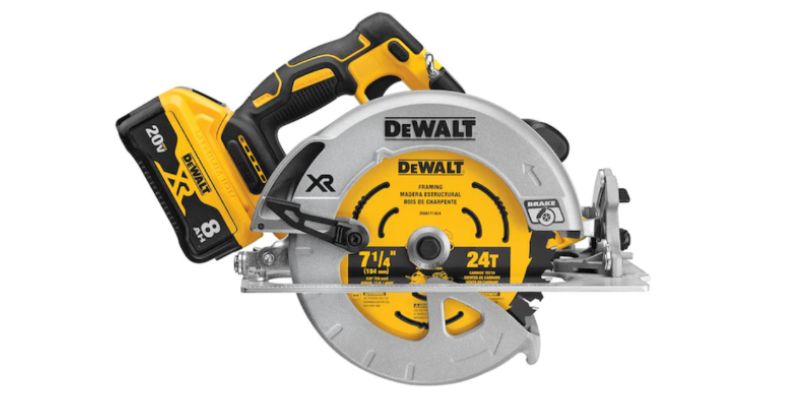
Tools and Materials You’ll Need
Before you start, gather everything you need. Having all your tools and materials ready makes the process smoother. Here’s what I use when replacing a circular saw power cord:
| Item | Purpose |
|---|---|
| Replacement Power Cord | Must match your saw’s specifications (check the manual or model number). |
| Screwdriver Set | For removing screws from the saw’s handle (Phillips, Torx, or slotted). |
| Wire Strippers | To strip insulation from the new cord’s wires. |
| Wire Cutters | For trimming the cord to the right length. |
| Electrical Tape | To insulate connections (optional for extra safety). |
| Multimeter | To test the new cord for continuity and ensure proper connections. |
| Heat Shrink Tubing | For a professional finish on wire connections (optional but recommended). |
| Soldering Iron & Solder | For securing wire connections (optional for advanced DIYers). |
| Safety Gear | Safety glasses and gloves to protect yourself during the repair. |
I always double-check that the replacement cord is compatible with my saw. Most hardware stores carry brand-specific cords, or you can order one online. For example, I once needed a cord for my old Makita saw, and I found the exact match on a site like eReplacementParts.com. If you’re unsure, check your saw’s manual or contact the manufacturer.
Safety First: Preparing for the Repair
Safety is my top priority when working with power tools. A circular saw’s power cord carries live electricity, so you need to be careful. Here’s how I prep for a safe repair:
- Unplug the Saw: Always disconnect the saw from the power source. If it’s cordless, remove the battery. I’ve made it a habit to double-check this step to avoid any shocks.
- Work in a Clean Area: Clear your workspace of clutter. A well-lit, stable workbench is ideal. I like to lay down a towel to keep small screws from rolling away.
- Wear Protective Gear: Safety glasses protect your eyes from debris, and gloves keep your hands safe while handling wires.
- Turn Off Power: If possible, switch off the circuit breaker for the outlet you’re working near. This adds an extra layer of safety.
I can’t stress enough how important it is to stay cautious. One time, I almost started a repair without unplugging the saw—thankfully, I caught myself in time!
Step-by-Step Guide to Replacing the Power Cord
Now, let’s get to the heart of the repair. I’ll break this down into clear steps based on my own experience fixing my circular saw. Follow along, and you’ll have a new cord installed in no time.
Step 1: Disconnect the Power Source
I know I mentioned this already, but it’s worth repeating. Unplug the saw or remove the battery. Check that the cord is completely disconnected from any power source. I like to tape the plug to the workbench as a reminder that it’s off.
Step 2: Open the Saw’s Handle
Most circular saws have a handle that splits into two halves, held together by screws. Use the appropriate screwdriver (Phillips, Torx, or slotted, depending on your saw) to remove these screws. I keep a small container handy to store the screws so they don’t get lost.
Gently pry the handle apart. Be careful not to force it, as some saws have delicate internal components. When I opened my DeWALT saw for the first time, I was surprised at how snugly everything fit inside. Take your time to avoid breaking any plastic parts.
Step 3: Remove the Old Cord
Inside the handle, you’ll see the power cord connected to the saw’s switch or trigger mechanism. Note how the wires are attached—taking a quick photo with your phone can be a lifesaver here. I’ve learned this the hard way after mixing up wires once!
Loosen the screws or terminals holding the old cord’s wires. Some saws have simple screw terminals, while others might have a clip or connector. Carefully pull the old cord out through the strain relief sheath (the rubber piece where the cord enters the handle). If the sheath is reusable, set it aside for the new cord.
Step 4: Prepare the New Cord
Inspect your new cord to ensure it’s free of damage. Measure it against the old cord and trim it to the same length using wire cutters. I usually leave a little extra length just in case, but don’t make it too long—it needs to fit inside the handle.
Use wire strippers to remove about half an inch of the outer insulation from the end of the new cord. Inside, you’ll find two or three wires (usually black, white, and sometimes green for ground). Strip about a quarter-inch of insulation from each wire, being careful not to nick the copper strands. I twist the exposed wires gently to keep them neat.
Step 5: Connect the New Cord
Thread the new cord through the strain relief sheath and into the handle. Connect the wires to the same terminals where the old cord was attached. Match the colors: black to the hot terminal, white to the neutral, and green (if present) to the ground. Tighten the screws securely to ensure a good connection.
If your saw has an electronic trigger, you might need to disassemble it slightly to access the wire connections. I’ve found that newer saws sometimes come with a replacement trigger included with the cord, which makes things easier.
Step 6: Secure and Reassemble
Once the wires are connected, tuck them neatly inside the handle. Make sure the strain relief sheath is properly seated to prevent the cord from pulling out. Reattach the handle halves and screw them back together. I always give the screws a gentle tug to ensure they’re tight but not overtightened, which can strip the plastic.
Step 7: Test the Repair
Before you celebrate, test the saw to make sure everything works. Plug it into a GFCI-protected outlet (this adds extra safety). Turn on the saw and check that the trigger responds smoothly. If you have a multimeter, test the cord for continuity to confirm there are no loose connections.
When I first tested my repaired saw, I was nervous, but hearing that blade spin up was such a relief! If the saw doesn’t work, double-check your connections or consult a professional.
Tips for a Professional Finish
To make your repair look clean and last longer, consider these extra steps:
- Use Heat Shrink Tubing: Slide heat shrink tubing over the wire connections before securing them. Heat it with a heat gun to create a tight, insulated seal. I started doing this after my second cord replacement, and it makes the repair look factory-made.
- Solder the Connections: If you’re comfortable soldering, it can create a stronger bond than screws alone. Just be sure to insulate the soldered joints.
- Choose a Heavy-Duty Cord: If you’re upgrading, pick a cord with a higher gauge (like 14-gauge) for better durability. I once replaced my saw’s cord with a 25-foot extension cord for extra reach, and it’s been a game-changer.
- Check the Strain Relief: Ensure the strain relief sheath is secure. It protects the cord from bending too much at the entry point.
Common Mistakes to Avoid
I’ve made a few blunders over the years, so let me save you some trouble. Here are mistakes to watch out for:
- Using the Wrong Cord: A mismatched cord can cause performance issues or safety hazards. Always check your saw’s specs.
- Skipping Safety Steps: Never work on a plugged-in saw. I know it’s tempting to rush, but safety comes first.
- Loose Connections: Double-check that all screws and wires are secure. A loose wire can cause the saw to malfunction or spark.
- Ignoring the Strain Relief: If the sheath isn’t properly installed, the cord can pull out or fray quickly.
Preventing Future Cord Damage
Once your saw is back in action, you’ll want to keep that new cord in good shape. Here are some habits I’ve picked up:
- Route the Cord Carefully: Always keep the cord behind you when cutting. I loop it over my shoulder to keep it out of the blade’s path.
- Store Properly: Avoid tightly coiling the cord. Instead, loosely wrap it or use a cord organizer.
- Inspect Regularly: Check the cord for wear before each use. Catching small frays early can prevent bigger problems.
- Use a Cord Protector: Some saws come with a rubber cord protector at the handle. If yours doesn’t, you can buy one to reduce strain.
When to Call a Professional
While I love tackling repairs myself, sometimes it’s best to call in a pro. If you open the saw and find complex wiring or electronic components you’re not familiar with, it might be worth taking it to a service center. I once tried to fix a saw with an advanced trigger system and ended up needing a technician’s help. It cost me about $50, but it was better than ruining the tool.
You can find service centers through the manufacturer’s website or at hardware stores like Home Depot or Lowe’s. If the saw is old and the repair cost is close to the price of a new one, consider upgrading to a cordless model for convenience.
Why I Love This DIY Fix
Fixing my circular saw’s power cord has been one of the most satisfying home improvement projects I’ve done. It’s not just about saving money—though that’s a big perk. It’s about taking control of your tools and learning a new skill. Every time I fire up my saw with its new cord, I feel a little prouder of my workshop. Plus, I’ve got a story to tell when friends ask about my DIY adventures!
This repair also taught me to be more careful with my tools. I’m now obsessive about keeping cords out of harm’s way, and I’ve even started teaching my kids how to handle power tools safely. It’s a small project with big rewards, and I’m confident you’ll feel the same way once you try it.
Conclusion
Replacing a circular saw power cord might seem intimidating at first, but trust me—it’s a project you can handle. With a few tools, a replacement cord, and a bit of patience, you can breathe new life into your saw and get back to your home improvement projects. I’ve walked you through every step, from gathering materials to testing the repair, based on my own trial-and-error experiences. By following this guide, you’ll not only save money but also gain the satisfaction of fixing something yourself.
So, grab your screwdriver, put on your safety glasses, and get to work. Your circular saw will thank you, and you’ll be back to cutting boards in no time. Happy DIYing!
Frequently Asked Questions
Can I use any power cord to replace my circular saw’s cord?
No, you shouldn’t use just any cord. It needs to match your saw’s specifications, like voltage and gauge. Check your saw’s manual or model number to find the right one. Using the wrong cord can damage the saw or create safety risks.
How do I know if my circular saw’s cord needs replacing?
Look for signs like fraying, cuts, exposed wires, or if the saw stops working consistently. If the cord feels hot or sparks when plugged in, it’s definitely time to replace it.
Is it safe to splice a damaged cord instead of replacing it?
Splicing isn’t recommended. It can create weak spots, increase electrical resistance, and pose safety hazards like shocks or fires. Replacing the entire cord is the safer, more reliable option.
How long does it take to replace a circular saw power cord?
For most DIYers, it takes about 30 minutes to an hour, depending on your experience and the saw’s design. Taking your time to do it right is key.
Where can I buy a replacement cord for my circular saw?
You can find cords at hardware stores like Home Depot or Lowe’s, or online at sites like eReplacementParts.com or Amazon. Make sure to get one that’s compatible with your saw’s brand and model.
What if my saw still doesn’t work after replacing the cord?
Double-check your connections to ensure the wires are secure and correctly attached. Use a multimeter to test for continuity. If it still doesn’t work, there might be an issue with the switch or motor, and you may need a professional’s help.
Can I upgrade to a longer cord for more reach?
Yes, you can use a longer cord as long as it matches the saw’s specifications. A heavier-gauge cord, like 14-gauge, is great for durability and extra length. Just ensure it fits inside the handle properly.