Best Floor Wax for Antique Hardwood Floors (2026): we compared
For antique hardwood floors, the best floor wax matches the existing finish. Use paste wax on shellac or old waxed floors, avoid wax on polyurethane, and choose a hard-wax oil only for bare or fully stripped wood.
The wrong product can leave a cloudy film, trap grit in open grain, or make later recoating fail. Pick by floor condition, existing coating, and wear level so you can choose safely.
Quick comparison
| Product | Badge | Best for | Price | ||
|---|---|---|---|---|---|
 |
BonaKemi Bona Traffic HD Satin 128 OzBona | Our pick | Bona Traffic HD Satin Floor Finish | $170.99
Price as of 13 Oct 2026
|
View |
 |
Minwax Wood Finish Water-Based Solid Color Stain, ClassicMinwax | Also great | $19.98
Price as of 13 Oct 2026
|
View | |
 |
Varathane Water-Based Ultimate Satin PolyurethaneVarathane | Also great | Water-Based Satin Polyurethane Wood Finish | $26.87
Price as of 13 Oct 2026
|
View |
 |
Minwax Fast Drying Polyurethane Protective Wood Finish,Minwax | Budget pick | Oil-Based Semi-Gloss Polyurethane Finish | $15.97
Price as of 13 Oct 2026
|
View |
 |
Howard Products Beeswax Wood Polish & ConditionerHOWARD | Our pick | $10.98
Price as of 2 Nov 2026
|
View |
If you are matching a finish on an older floor, start with compatibility, not sheen. Sound, previously waxed antique boards usually point to solvent-based paste wax; urethane points away from wax and toward polish or a recoating system.
📊 Quick Shine Hardwood Floor Luster-Polish is available in a 27oz size. Source: How to Choose the 10 Best Wood Floor Wax for Antique Floors in 2026.
How we chose these waxes and finishes
We compared finish compatibility, application method, and maintenance burden. The safest choice depends on what is already on the wood, how much wear is present, and whether the floor needs preservation or full refinishing.
We also separated wax, polish, and hard-wax oil, because they do different jobs. Wax adds a buffable top layer. Polish forms a maintenance film. Hard-wax oil is a finish system, not routine floor wax.
For antique floors, finish condition comes first. Shellac, lacquer, varnish, penetrating sealer, oil, and urethane each change the answer. Structural issues matter too; loose boards, cupping, deep wear, and moisture damage need repair before any finish choice.
Solvent-based paste wax: best for sound, previously waxed floors
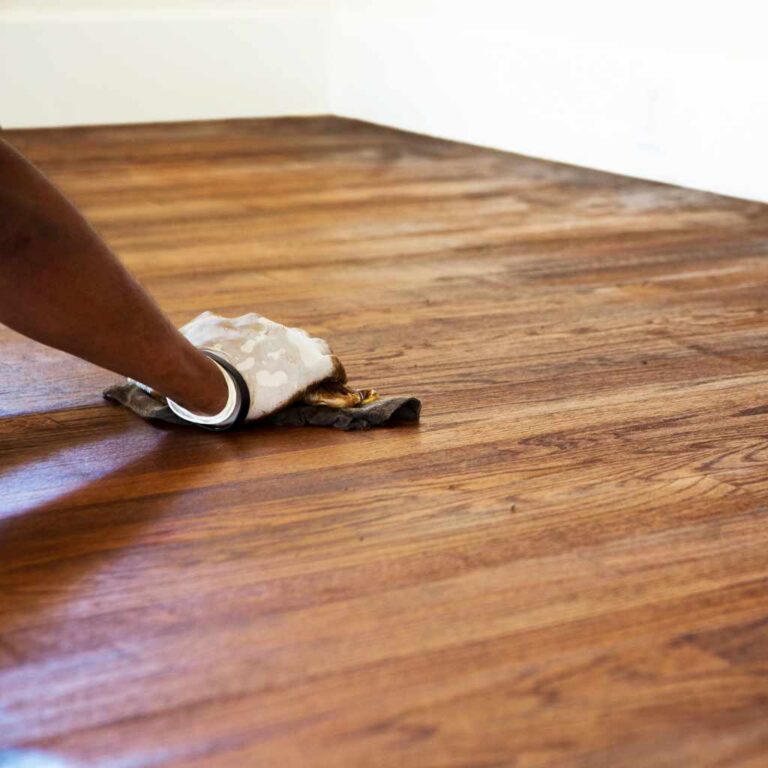
Paste wax is often a good traditional choice for antique hardwood floors that are already wax-compatible and in stable condition. It has a thick consistency, is applied by hand with a cloth, and usually gives you more wax and fewer coats than liquid formulas.
It suits older floors because you can control it board by board. That matters on antique wood with patina, open grain, and small finish losses around traffic paths. Solvent-based wax is preferred over water-based wax for hardwood floors because it dries and hardens in a way that fits traditional wood maintenance.
Clear paste wax preserves color better, while colored versions can help blend minor wear or faded spots. The drawback is that it still needs careful prep and buffing. If old wax is dirty, smeared, or built up in pores and micro-cracks, new paste wax can haze instead of improving the floor.
Liquid wax: best for faster coverage on large rooms
Liquid wax makes sense when the floor is sound, wax-compatible, and you want easier spread over a larger area. It is thinner, contains more solvent, and is often applied by mop or cloth. That can speed application on wide rooms with light wear.
The tradeoff is that liquid wax usually needs more coats and can be easier to overapply. On antique floors, that raises the risk of buildup, slippery patches, and trapped dust along board edges. It is best for lightly worn floors where you are maintaining, not rebuilding, the surface.
Liquid wax is not the first choice when the finish is patchy or when you need the most control over sheen. For a room with old repairs, mixed coatings, and open grain, paste wax is usually easier to manage.
Hard wax oil: best for refinishing, not routine waxing
Hard wax oil is not the same thing as floor wax. It is a wax-plus-oil hybrid finish for wooden floors, and it belongs in the refinishing category. Use it when the wood is bare or fully stripped and you want a more wear-resistant finish than traditional furniture wax.
It is the better path when a floor has lost its original finish over wide areas, or when previous coating failure makes spot waxing impractical. Hard wax oil can be a smart repair route for reclaimed boards and heavily worn antique flooring that still has sound wood underneath.
The drawback is that it changes the floor system. Once you move to a hard-wax-oil finish, future maintenance follows that product’s rules, not traditional wax rules. It is not the right answer for a floor that just needs careful waxing and buffing.
Can you wax antique hardwood floors safely?
Yes, if the floor is finish-compatible and structurally sound. Antique hardwood floors can usually be waxed when they were previously treated with penetrating sealer, lacquer, varnish, shellac, or oil. Wax is also used on floors that have already been waxed and still hold a stable, dry surface.
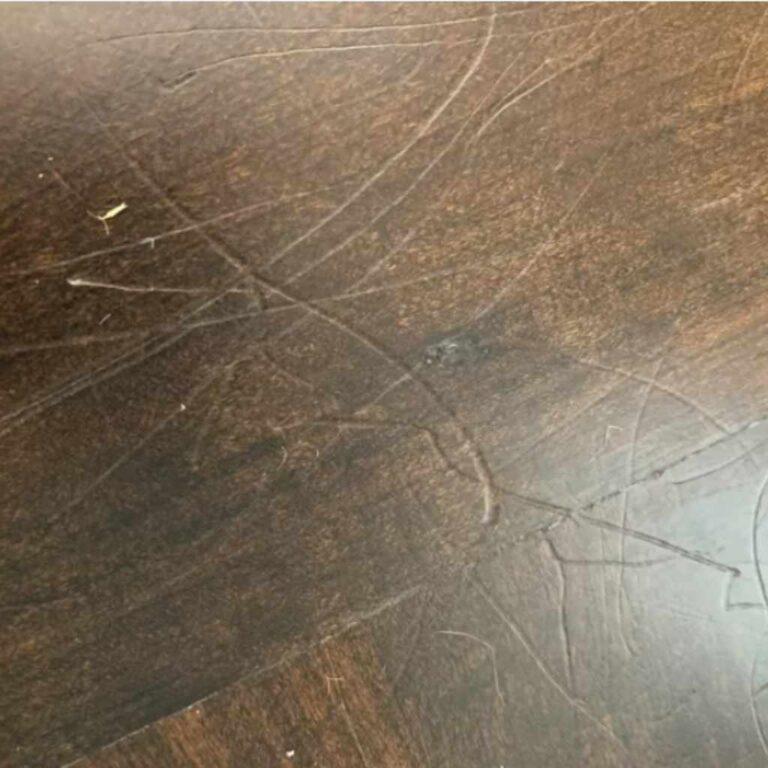
Safety depends on more than age. You need to check for loose boards, cupping, moisture damage, deep wear, and old finish failure. Wax will not fix those problems, and it can make them harder to see. Patina should be preserved, but dirt, cracking, and soft finish edges should be repaired first.
A common first-timer mistake is to wax over a floor with old grime in the grain. On a 120-square-foot bedroom, that can turn a dull but usable floor into a hazy one with drag marks after the first buffing pass.
Finish types that can usually take wax
Shellac, lacquer, varnish, penetrating sealer, and oil are the main antique-floor finishes that can often accept wax if the surface is sound. In those cases, wax works as a maintenance layer, not as a replacement for the original finish.
Red flags that mean stop and refinish
Stop if you see widespread softening, peeling finish, water staining that reaches the board edges, or wood movement that suggests moisture trouble. Deep checking, cupping, and loose tongue-and-groove joints also call for repair before any wax goes down.
Where patina should be preserved instead of sealed over
Good patina is part of an antique floor’s character. If the finish is stable and only worn at traffic paths, a light wax coat can keep that look. If the floor has dirt-packed cracks, lifting fibers, or failed patches, clean and repair first so the patina does not become a film problem.
What is the best floor wax for antique hardwood floors?
The best floor wax for antique hardwood floors is usually a solvent-based paste wax for sound, previously waxed boards. It gives the most control, the fewest coats, and the lowest risk of moisture-related problems on older wood. Liquid wax is a secondary choice for faster coverage.
Choose clear wax when you want to preserve the current color and colored wax when you need mild blending on worn spots. Avoid water-based or acrylic waxes on hardwood floors. They are a poor fit for many antique finishes and can leave the wrong kind of film.
When clear or colored paste wax makes sense
Clear wax is best when the floor already has a balanced patina. Colored wax can help reduce the look of small scuffs or color loss around a doorway, but it can also telegraph uneven application if the floor is not clean.
How much floor wax you need for an old hardwood room
Coverage varies by product and wood condition, so read the label first. A practical way to estimate is by room size and wear. A 200-square-foot room with light wear usually needs less product than a heavily worn room of the same size because sound antique floors need thin, controlled coats.
Should I use paste wax or liquid wax on old hardwood floors?
Use paste wax when you want maximum control, stronger build from fewer coats, and a thicker hand-applied layer on a compatible antique floor. Use liquid wax when the floor is sound, lightly worn, and you need easier spreading across a larger area with less hand work.
Paste wax suits old floors with patchy traffic wear, while liquid wax is better for broad maintenance on floors that already have an even wax history. The more mixed the floor condition, the more paste wax tends to win because it is easier to place only where needed.
Suppose a 300-square-foot dining room has wax in the center but bare-looking edges near the baseboards. Paste wax lets you build those edges more carefully. Liquid wax can migrate too easily into the better-looking middle and create dull overlap lines.
Is wax better than polish for antique wood floors?
Wax is better than polish for antique wood floors when the floor is truly wax-compatible and you want a traditional buffable finish. Polish is better when the floor has a urethane topcoat or another no-wax system that should not be recoated with wax.
Wax and polish are not the same. Wax is a blend of solvents and synthetic or natural waxes such as beeswax or carnauba. Floor polishing forms a hard, transparent coating. That difference matters on older floors because the wrong choice can interfere with future recoating.
Polish can be the safer maintenance choice on urethane-finished floors, but it is not a substitute for real wax on a waxed antique floor. If the finish is failing, neither product is a cure; refinishing may be the only durable path.
What wax should I avoid on urethane-finished floors?
Do not use traditional wax on urethane-finished floors. Those floors are designed for a different maintenance system, and wax can create adhesion and recoating problems later. If the floor is urethane, use a compatible polish or maintenance product instead of floor wax.
Water-based or acrylic waxes should also be avoided on hardwood floors. They do not solve the compatibility problem and can leave a maintenance layer that is hard to manage. If the finish is already urethane, the safest choice is to keep wax out of the system altogether.
This matters because urethane is common on older floors that were later sanded or recoated. A floor that looks antique can still have a modern topcoat. Check before you buy anything.
How do I know if my antique hardwood floor can be waxed?
You can usually wax an antique hardwood floor if it has a stable, dry, wax-compatible finish such as shellac, lacquer, varnish, penetrating sealer, or oil, and the surface is not failing. If the floor is urethane-finished or labeled no-wax, stop and use polish instead.
Look for clues in wear patterns, not just age. A floor that darkens in high-traffic lanes, accepts buffing, and has no peeling topcoat is more likely to be a wax candidate. A floor with glossy modern film and white scratch marks is more likely urethane.
Old wax must be removed before rewaxing if it is dirty or built up. Use mineral spirits or a commercial wax stripper such as Trewax Heavy Duty Floor Stripper where appropriate, then clean and dry the surface fully before any new coat goes down.
Do not wax checklist
- Urethane-finished or no-wax floor.
- Soft, peeling, or lifting finish.
- Signs of active moisture damage.
- Loose boards, cupping, or deep structural wear.
- Old wax buildup that is cloudy, sticky, or dirt-packed.
- Surface contamination in cracks that you cannot remove safely.
Do antique hardwood floors need buffing after waxing?
Yes. Traditional waxes should be buffed after application. Buffing is part of the wax process, not an optional extra, and it is different from polishing. Buffing helps build sheen, evens out the coat, and reduces the greasy or draggy feel that can increase slip risk.
Without buffing, wax can stay soft on the surface longer, pick up dust, and show smears. On antique floors with micro-cracks or open grain, incomplete buffing also leaves more room for trapped dirt. That is one reason traditional wax maintenance is periodic, not one-and-done.
Expect to re-buff more often than you would refinish. Spot buffing is common in entryways and hall areas, especially where grit collects. Full rewaxing is usually reserved for when sheen drops or traffic lanes no longer respond to a simple buff.
What is the difference between hard wax oil and floor wax?
Hard wax oil is a finish system for wood floors. Floor wax is a maintenance layer for compatible finished floors. Hard wax oil combines wax and oil to cure into a more durable surface, while traditional wax remains a buffable coat that sits on top of an existing finish.
That difference changes the job you are asking the product to do. Use floor wax for upkeep on an antique floor that already has the right base finish. Use hard wax oil when you are refinishing bare wood or making a full-surface repair choice.
Hard wax oil is often the better route when a floor has too much wear for spot waxing, but it is not a drop-in replacement for paste wax. Once cured, it becomes part of the floor’s finish structure.
What finish works best for reclaimed or antique wood floors?
The best finish for reclaimed or antique wood floors depends on what is already on the boards and how much wear they show. Sound, previously finished floors often do best with paste wax. Bare or stripped reclaimed wood is better suited to a refinishing system such as hard wax oil.
For mixed-condition rooms, treat each zone separately. Bare boards need a finish compatible with exposed wood. Previously waxed boards may only need cleaning and rewaxing. Urethane-coated sections should stay on a polish or recoating path, not a wax path.
Picture a hallway where one section is bare at a threshold, another is old wax, and a third has a glossy modern patch. The safest plan is usually not one product across all three. Separate the repair zones first, then choose the finish by zone.
Which one should you buy?
Buy solvent-based paste wax if the floor is sound, previously waxed, and you want the safest traditional maintenance path. Buy liquid wax if the same floor needs faster spread across a larger room and you accept more coats and more buildup risk. Buy polish only when the finish is urethane or otherwise no-wax.
If the boards are bare or the old finish is too far gone, skip wax and move to hard wax oil or a full refinish plan. For mixed rooms, do not force one product onto incompatible sections. Match the product to the weakest compatible area, or separate the work by zone.
Howard Feed-N-Wax is a beeswax-based conditioner, but it is not the same as a floor wax system for antique flooring. Bona Traffic HD Satin and Varathane polyurethane are finish products, not traditional maintenance waxes, so they belong in refinishing or topcoat decisions rather than wax selection.
Sponsored / affiliate links. As an Amazon Associate I earn from qualifying purchases. I may earn additional commission from eligible campaigns.