How to Renew Wood Floors Without Sanding: Test Your Finish First
You can renew most wood floors without sanding, but only when the finish is still intact. The National Wood Flooring Association (NWFA) says floors worn to bare wood need resanding, and wax, shellac or varnish change what you can put on top. This guide covers the finish tests to run first, five no-sand steps in order, and the problems that still need a sander.
What Renewing a Wood Floor Without Sanding Really Means
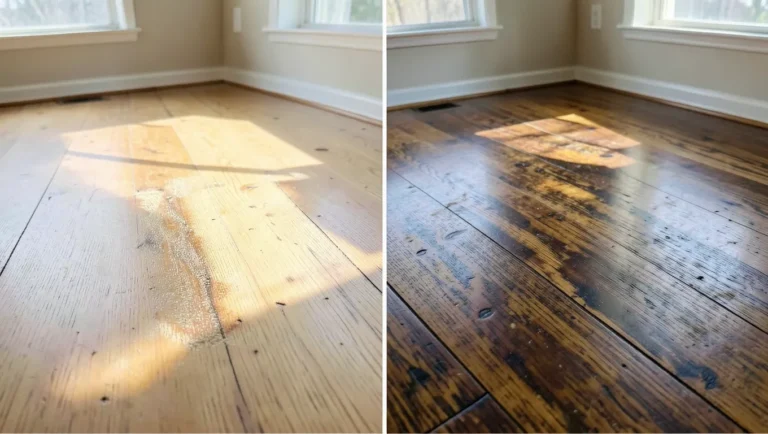
Three different jobs get called "renewing," and they are not interchangeable. Cleaning removes the film that makes a floor look dull. A polish or restorer adds a thin sacrificial layer on top. A screen-and-recoat scuffs the old finish and applies a real new coat. NWFA’s recoating publication is explicit that a topcoat dressing is not a substitute for a mechanical or chemical recoat, which is the distinction most no-sand articles skip.
Best No-Sand Polish Pick |
|
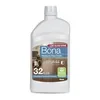 |
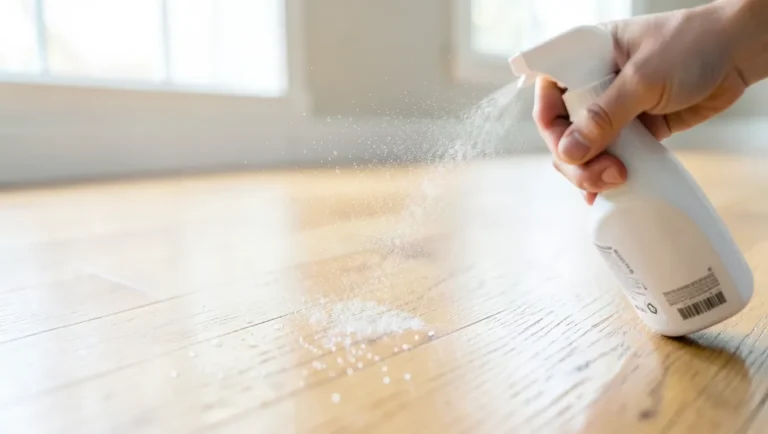
Bona Hardwood Floor Polish, 32 oz, Low Gloss ($20.98) This is the polish tier from the table below: a water-based dressing for a dull but intact, unwaxed, unoiled polyurethane finish. Run the finish tests further down first, because it will not bond over wax or oil.
|
As an Amazon Associate we earn from qualifying purchases.
| Method | What it fixes | What it cannot fix | Needs intact finish? |
|---|---|---|---|
| Deep clean with a hardwood floor cleaner | Residue film, haze, dull look from buildup | Scratches through the finish, worn spots | Yes |
| Polish or restorer (dressing) | Dullness, micro-scratches, uneven sheen, for a short time | Deep scratches, wear-through; will not bond to wax or oil | Yes, and it must be unwaxed and unoiled |
| Screen and recoat (mechanical) | Worn-looking finish that is not yet worn through; renews the protective layer | Deep scratches, dents, cupped boards, stains in the wood | Yes |
| Chemical recoat system | Same as a screen and recoat, using a bonding agent instead of abrasion | Same limits as above; always follow the maker’s directions | Yes |
| Full sand and refinish | Everything above, plus color changes and deep damage | Nothing is off the table, but it is the most work | No |
If you are still deciding between the last two rows, our guide to recoating vs refinishing hardwood floors walks through the cost and effort side by side.
Test Your Floor’s Finish Before You Buy Anything
The most expensive mistake in this job is putting a new coat over a finish it cannot bond to. NWFA’s recoating publication lists these checks, all done in an out-of-the-way spot such as inside a closet:
- Wear check. If the color of the wood is not uniform or bare wood is showing, NWFA says complete resanding and finishing is necessary. A no-sand method is off the table for those boards.
- Coin scratch test. Scratch the surface with a coin or other sharp object. If the finish flakes, it is probably shellac or varnish, and NWFA says those finishes will need to be resanded.
- Mineral spirits wax test. Rub a small amount of mineral spirits on a clean white rag over a low-traffic area. A slight yellow or brown color on the rag means wax is probably present.
- Abrasion wax test. Lightly abrade a spot with a piece of screen or sandpaper. If the residue balls up, it is a wax-based product.
- Water spot test. Put two drops of water on the floor. If white spots appear after about 10 minutes, the finish is probably wax.
A common tip online says powdery white residue from a coin scratch means wax. NWFA’s published tests are different: a flaking scratch points to shellac or varnish, and the wax tests are the three above. If none of those substances are present, NWFA says the floor can most likely be coated over with a regular surface finish. If it is wax, recoating with a surface-type finish may be very difficult even after resanding, so strip it first or plan on a professional. Our wax remover comparison covers what actually dissolves floor wax.
As an extra, informal check, many installers drop a few beads of water on the floor: if they bead up, the finish is probably still doing its job, and if they soak in right away, the finish is gone. That one is installer rule of thumb rather than an NWFA test, so use it only to support the tests above.
The No-Sand Sequence, Step by Step
This is the order that works for a polyurethane floor that passed the tests above. Skipping the cleaning or abrading steps is what causes most peeling and cloudy-finish complaints.
- Clear and vacuum the room: Remove furniture and rugs, then vacuum and dust-mop. Grit under a pad or applicator scratches the finish you are trying to preserve.
- Clean with a non-residue hardwood cleaner: NWFA says to clean with a non-residue cleaner designed for hardwood floors before recoating, and it warns that improper cleaners can cause future recoating problems. Use a barely damp mop, never a wet one; NWFA states hardwood floors should never be wet-mopped.
- Let the floor dry completely: Do not apply any coating or polish over a damp floor. Give the cleaner time to evaporate fully before moving on.
- Abrade the finish if you are recoating: Use the abrasive the finish maker recommends, typically a sanding screen, pad or fine sandpaper, and scuff the whole surface evenly. Then vacuum up all the dust and tack the floor as the finish maker directs. Skip this step only if you are applying a polish, not a recoat.
- Apply the recoat or polish in thin, even coats: Follow the label on spread rate, direction and dry time. Work toward the exit so you are not walking on wet finish, and keep a wet edge so laps do not show.
If your floors are in a house built before 1978, pause before abrading. NWFA’s publication notes that disturbing more than 6 square feet of surface in a pre-1978 home requires lead-safe certification for contractors, and the EPA lead program explains the current rules. Test for lead before you scuff an old finish.
Screen and Recoat vs a Polish: Which One Should You Do?
Choose a polish when the floor looks dull but the finish is sound and you want a quick, cheap refresh. Choose a screen and recoat when the floor looks worn in traffic lanes, the finish has lost its protective layer, or you want a result that lasts longer than a dressing. Installers commonly suggest a maintenance recoat every three to five years in a typical household, longer in low-traffic rooms, which is why a recoat is often cheaper than waiting until sanding is the only option.
Machine choice matters if you recoat. A low-speed floor buffer with a screen or pad does the abrading evenly, and our guide to how to buff a hardwood floor explains orbital vs rotary machines. For the cleaning and mop-on restorer side of the job, see how to make hardwood floors look new without sanding.
Problems a No-Sand Method Cannot Fix
NWFA’s recoating publication lists several conditions a simple recoat will not solve. Knowing them saves you the cost of a coating that hides nothing.
| Problem | Will a no-sand method fix it? | What to do instead |
|---|---|---|
| Deep scratch that goes through the finish | No | Spot-repair the wood first; see our scratched hardwood floor repair guide |
| Dents | No | NWFA says dents usually require board replacement |
| Cupped boards | No | Find and fix the moisture source, then reassess |
| Water or pet stains in the wood | No | Usually needs resanding; pet stains may not come out even after total resanding, per NWFA |
| Color change from sun or under a rug | No | Resand and refinish the area or room |
| Finish worn off, bare wood or dirty gray wood | No | Full sand and refinish; see how to sand and refinish wood floors |
| Wax, shellac, varnish or acrylic-impregnated finish | Not with a standard recoat | Strip it or follow the maker’s own care instructions |
Not sure whether your floor is worth saving at all? Our are my hardwood floors salvageable checklist helps you decide before you spend money.
Source note: The finish tests, recoatability limits and cleaner guidance above come from the National Wood Flooring Association’s Technical Publication C100, Maintenance and Recoating of Hardwood Floors. Factory-finished floors can usually be recoated with the same procedures, but NWFA warns that recoating may void the floor’s warranty, so check your warranty first.
Troubleshooting a Renewed Floor
- Finish looks hazy or cloudy after a polish: Most often the coat went on too heavy or over a damp or residue-covered floor. Let it cure, then clean with a non-residue cleaner and apply a thinner coat.
- Coating beads up or will not stick: Suspect wax or residue from the wrong cleaner. Re-run the wax tests, strip residue, and abrade more evenly.
- Peeling after a recoat: The new coat did not bond. Peeled areas usually need to be abraded back to a sound edge and recoated, and widespread peeling means the old finish has failed.
- Scratches still visible: A dressing fills micro-scratches only. Anything that catches a fingernail needs a proper repair first.
Keeping a Renewed Floor Looking Good
Preventive care does most of the work. NWFA recommends throw rugs and floor protectors under furniture, routine sweeping or vacuuming, and wiping spills immediately with a lightly dampened cloth. It also says steam and excess water can damage a wood floor, and that wax should never go on top of a surface finish. For a full routine, see how to care for hardwood floors.
Frequently Asked Questions
Can You Redo Hardwood Floors Without Sanding?
Yes, if the finish is still intact with no bare wood showing and the floor is not coated in wax, shellac or varnish. You can clean, screen and recoat it, or use a polish for a lighter refresh. Resanding is needed when the finish is worn through, the color is uneven, or the damage goes into the wood.
How Do You Renew Dull Hardwood Floors?
Start with a deep clean using a non-residue hardwood floor cleaner, because residue is a common cause of dullness. If the floor is still dull when dry, apply a polish made for unwaxed polyurethane floors, or screen and recoat if the finish looks worn in traffic lanes.
How To Restore Old Hardwood Floors?
Test the finish first, since wax, shellac and varnish limit your options. For an intact polyurethane finish, clean, abrade with the finish maker’s recommended screen or pad, vacuum and tack, then recoat. For worn-through finish, deep gouges, dents or stains in the wood, plan on sanding and refinishing.
Is Screening and Recoating the Same as Refinishing?
No. Screening only scuffs the existing finish so a new coat can bond, and it never removes wood. Refinishing sands the floor back to bare wood and applies a new finish system. Screening and recoating works only on floors whose finish is intact.
Do Floor Restorers and Polishes Really Work?
They work for what they are: a thin dressing that evens out sheen and fills micro-scratches on an intact, unwaxed, unoiled polyurethane finish. NWFA states a topcoat dressing is not a substitute for a proper recoat, so expect a short-term refresh rather than a new protective finish.
Can You Renew a Wax Finished Floor Without Sanding?
Only with wax-based care. NWFA advises buffing worn areas, rewaxing only those spots, and eventually stripping and rewaxing. Waxed floors can be very hard to coat over with a surface finish, even after complete sanding, so do not put a polyurethane recoat or restorer on top.
Conclusion
Renewing a wood floor without sanding works when you match the method to the floor. Test the finish, clean it properly, then polish or screen and recoat, and accept that worn-through areas, deep damage and wax are different problems. Ten minutes of testing in a closet costs far less than a coating that peels.
Sponsored / affiliate links. As an Amazon Associate I earn from qualifying purchases. I may earn additional commission from eligible campaigns.