Compare Bosch Hammer Drills: Essential Power Tools
When you compare Bosch hammer drills, look closely at the power source (corded vs. cordless voltage), intended use (light drilling vs. heavy masonry), and features like bit-change mechanisms and vibration control to choose the best fit for your DIY or building projects.
Choosing the right power tool can feel overwhelming, especially when faced with a lineup like Bosch hammer drills. You want something reliable for hanging shelves, setting anchors in concrete, or tackling tough renovation jobs, but all those model numbers start looking the same. Don’t sweat it! As your workshop mentor, my goal is to cut through the noise. We’ll break down what makes these drills different, focusing only on what matters for your day-to-day work. Get ready to feel confident finding the perfect Bosch drill that fits your budget and your next big project.
The Essential Guide to Comparing Bosch Hammer Drills for Every Project
Bosch is a name you see everywhere in the workshop, and for good reason. They build dependable tools. But when it comes to hammer drills, Bosch offers several flavors—from light-duty drivers for DIYers to heavy-duty rotary hammers for pros. Understanding this difference is the key to avoiding frustration. Buying a drill that is too weak means slow work and worn-out bits; buying one that is too powerful means spending unnecessary money.
This guide is laid out to help you compare Bosch hammer drills easily. We will look at the main families of Bosch drills, what powers them, and which one earns a spot in your toolbox.
What Exactly is a Hammer Drill, Anyway?
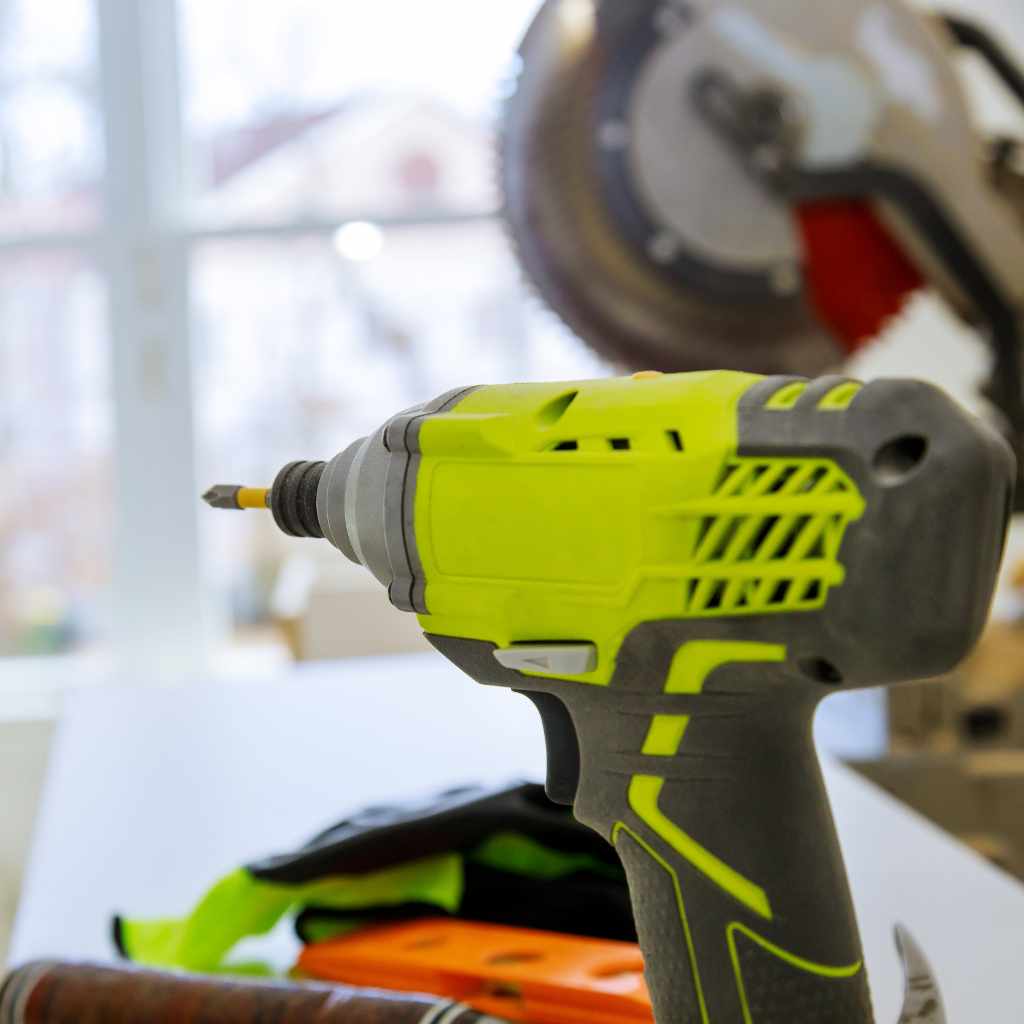
Before comparing models, let’s make sure we are talking about the right tool. A standard drill simply spins. A hammer drill adds a rapid, short-burst hammering action along with that spin. This action is what lets you chew through hard materials like brick, stone, and concrete without wearing yourself out.
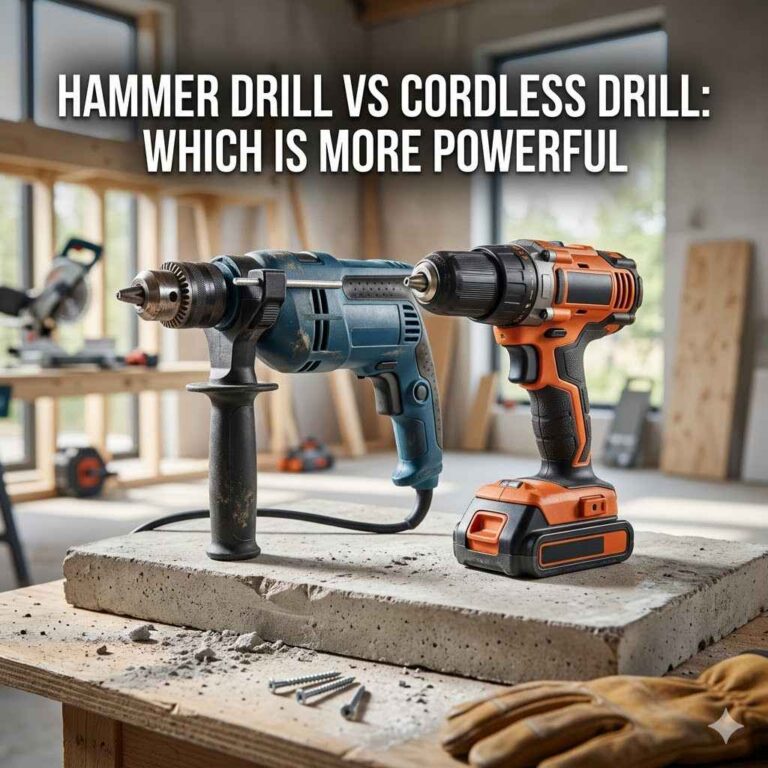
Standard Drill vs. Hammer Drill vs. Rotary Hammer
This is the most common point of confusion. While they all drill, they operate very differently:
- Standard Drill: Spins only. Great for wood, plastic, and metal.
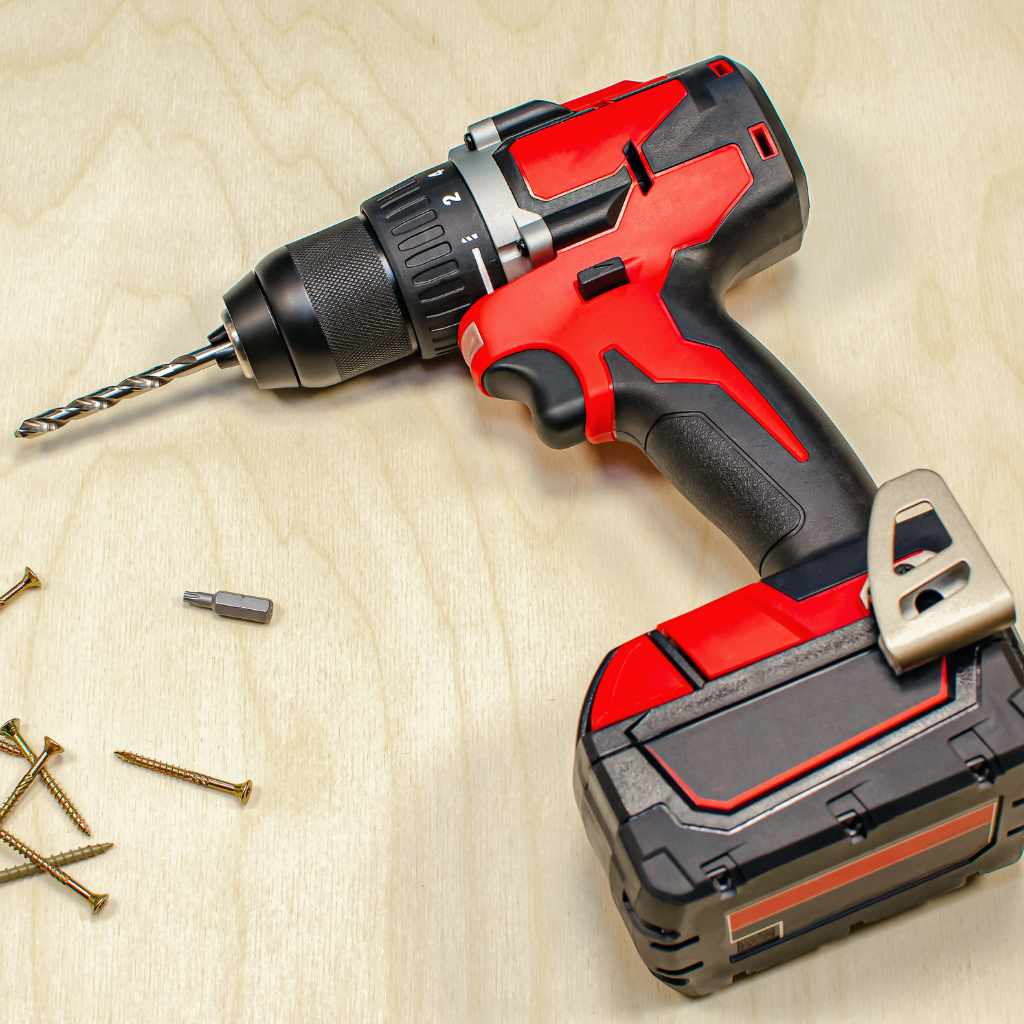
- Hammer Drill: Spins and hammers. Fantastic for everyday masonry tasks like installing concrete anchors or drilling pilot holes in brick. These usually use a chuck that clamps onto bits.
- Rotary Hammer Drill: Spins, hammers, and often has a mode to chisel (chip away material). These use a shank-style bit system (like SDS) because they deliver much more forceful blows. These are overkill for hanging a picture but essential for serious concrete demolition work.
When you compare Bosch hammer drills, you are generally comparing within the “Hammer Drill” category or moving up to the powerful Rotary Hammer category.
Understanding Bosch Tool Lines: Black, Blue, and Green
Bosch divides its tools into distinct lines based on the intended user and durability. For hammer drills, this matters deeply:
1. Bosch Blue (Professional Series)
This is the heavy lifter line. If you work construction, frequently drill masonry, or need marathon durability, this is your focus. These tools are built for jobsite toughness and offer superior performance metrics.
2. Bosch Black/Green (DIY/Homeowner Series)
Often referred to interchangeably or sometimes separated by specific features, the DIY line is designed for occasional to regular home use—hanging backyard lights, assembling furniture, or basic home repairs. They offer great value and performance for the average user.
Takeaway for Beginners: If you are a homeowner doing weekend projects, the Black/Green line will likely serve you perfectly and save you money. If you plan to use it daily in concrete, step up to the Blue line.
Corded vs. Cordless: The Power Debate
The power source dictates convenience and raw power delivery. When you compare Bosch hammer drills, this is often the first spec to check.
Cordless Bosch Hammer Drills (12V and 18V Platforms)
Modern cordless technology is incredible. Bosch’s 18V platform is industry-leading, offering power that rivals older corded models.
Pros:
- Unbeatable portability; drill anywhere.
- No tripping hazards from cords.
- Battery compatibility across many tools on the same platform (e.g., an 18V battery fits your impact driver).
Cons:
- Runtime limitations based on battery charge.
- Higher initial cost (if you don’t already own batteries/charger).
- Power can occasionally dip under extreme, sustained load compared to corded equivalents.
Corded Bosch Hammer Drills
These plug directly into the wall. They provide constant, unrelenting power.
Pros:
- Unlimited runtime—they won’t quit mid-hole.
- Often lighter in hand than their cordless counterparts (since they lack a large battery).
- Typically offer higher maximum impacts per minute (IPM) ratings for the dollar.
Cons:
- Requires a nearby outlet and extension cords.
- Limited mobility.
Meraj’s Advice: For most homeowners, an 18V cordless hammer drill is the sweet spot. You get excellent power and the freedom to work on outdoor projects or in areas without easy access to an outlet. For commercial-grade concrete boring, stick with corded or the heavier SDS Rotary Hammers.
Key Specifications to Compare When Looking at Bosch Models
Don’t just look at the volts or amps. A few other numbers tell you how well the tool will perform on tough materials.
1. Impacts Per Minute (IPM)
This tells you how fast the hammering action is. Higher IPM is better for concrete and stone. A low IPM tool might spin fine, but it will struggle to “hammer” effectively through hard material.
2. Chuck Type and Capacity
Most common hammer drills use a traditional 3-jaw chuck that tightens down on standard drill bits. Look at the maximum bit size it can hold (typically 1/2 inch for heavy-duty models). If you step up to a Bosch SDS Rotary Hammer, you’ll be looking at different shank sizes (SDS-Plus or SDS-Max) instead of a traditional chuck.
3. Clutch Settings and Modes
A good hammer drill needs versatility. You should be able to switch between modes:
- Drill Mode (Spin only)
- Hammer Drill Mode (Spin + Hammer)
- (For Rotary Hammers) Hammer Only Mode (for chiseling)
Also, check for an adjustable clutch. This lets you limit the torque, which is vital when driving screws so you don’t blow out the screw head or strip the anchor.
4. Vibration Control (Crucial for Comfort)
Hammering creates significant vibration, which causes user fatigue over time. Professional Bosch models often include advanced vibration dampening systems (like Bosch’s Vibration Control on their rotary hammers). If you plan on drilling many holes in a session, prioritize lower vibration ratings!
Feature Comparison: Cordless Models (18V Platform Focus)
Let’s compare two popular styles within the cordless lineup that a beginner might encounter when shopping for a versatile tool. We will focus on a standard hammer drill vs. a high-powered impact-rated hammer drill offering.
| Feature | Bosch Cordless Hammer Drill (Mid-Range Example) | Bosch Brushless Hammer Drill (High-Performance Example) |
|---|---|---|
| Battery Platform | 18V | 18V |
| Motor Type | Brushed (usually) | Brushless (More efficient, longer life) |
| Max Torque | Good (e.g., 600 in-lbs) | Excellent (e.g., 780+ in-lbs) |
| IPM (Max Blows) | moderate (e.g., 25,000) | High (e.g., 31,000+) |
| Ideal Use | General home DIY, wood/metal drilling, light masonry. | Frequent anchor setting, drilling into hard brick/concrete. |
| Weight | Lighter/Balanced | Slightly heavier due to robust internals. |
Notice the difference often comes down to the motor (Brushed vs. Brushless) and the resulting IPM. Brushless motors use energy more efficiently, meaning you get more runtime and power from the same size battery.
Step-by-Step: Choosing Your First Bosch Hammer Drill
Follow these steps to make a smart purchase decision rather than an impulse buy. This process keeps you focused on your needs, not just shiny sales displays.
Step 1: Define Your Primary Material
Be honest about what you drill into:
- Wood/Drywall/Metal: You only need a standard drill/driver. A hammer drill is overkill.
- Soft Brick, Cinder Block, or Pre-drilled Concrete Anchors: A standard Bosch Hammer Drill (cordless 18V or mid-range corded) is perfect.
- Hard Concrete, Tile Grout Removal, or Repetitive Masonry Work: You need a dedicated Rotary Hammer with SDS capability.
Step 2: Decide on Power Source (Cordless vs. Corded)
If you are drilling one or two holes a month in your garage, cordless freedom is worth it. If you are installing hundreds of fasteners in a foundation wall, plug in!
Step 3: Set Your Durability Expectation (Blue vs. Black/Green)
If this tool sits in a drawer 90% of the time, the homeowner line (Black/Green) is excellent. If you use the tool every week for a side hustle or serious home renovation, the professional grade (Blue) offers better bearing quality and longer life under stress.
Step 4: Check the Chuck System
For beginners, stick with a standard keyed or keyless 1/2-inch three-jaw chuck. This allows you to use any standard drill bit you already own. If you buy an SDS model, you must use expensive, specialized SDS bits, so only choose that if you absolutely need the power.
Step 5: Ensure Safety Features Are Present
Always look for features that protect you and your work. Modern Bosch drills often include electronic protection systems to prevent overheating or jamming. For instance, many newer models feature KickBack Control—if the bit binds suddenly, the tool cuts power instantly. This is a massive safety feature that prevents wrist injury!
For more information on power tool electrical safety, always consult resources like the OSHA guidelines regarding power tool usage on job sites, which often influence best practices for serious DIYers.
A Closer Look at the Bosch Hammer Drill Family
Bosch offers distinct models based on the needs outlined above. Here is a simplified look at where specific tools generally fit:
Hammers for the Homeowner (DIY Focus)
These are typically lighter, often bundled with a basic battery kit, and are great for setting wall anchors or drilling small holes in softer concrete.
- Key Feature to Watch For: Positive confirmation that it has a dedicated “hammer” setting.
- Advantage: Price point is much lower, and they are easier to handle for extended periods if the materials aren’t extremely dense.
The Versatile Prosumer Drill (Balance of Power and Portability)
These models push the limits of what a standard chuck hammer drill can do. They are often brushless and part of the high-end 18V system.
- Key Feature to Watch For: High IPM ratings and advanced control systems (like KickBack Control).
- Advantage: You get near-rotary hammer performance in a still-manageable package, ideal for professionals who move between materials often.
The SDS Rotary Hammers (The Concrete Breakers)
These are a different beast entirely. They are usually larger, heavier, and designed specifically for masonry work in materials like poured concrete or hard rock. They use modes like “Drill/Hammer” and “Hammer Only” (for chiseling).
- Key Feature to Watch For: SDS-Plus or SDS-Max shank interface. This system locks the bit in place to handle massive impact forces.
- Advantage: Unmatched speed and less operator fatigue when tackling major concrete jobs, such as running plumbing or electrical conduit through foundations.
Maintenance Tips to Make Your Bosch Drill Last Longer
A great Bosch tool is an investment. Proper care ensures it serves you reliably for years. Think of this as routine maintenance on your favorite car!
1. Bit Selection is More Important Than Drill Power
This is often overlooked! Using a dull or incorrect bit on concrete is the fastest way to burn out your drill motor or damage your wrist. Always use high-quality carbide-tipped masonry bits, and change them the moment you notice efficiency dropping. You can find trusted standards for masonry drilling from organizations like the American Concrete Institute (ACI).
2. Keep It Clean and Cool
Masonry drilling creates a lot of dust. This fine dust gets into the motor vents and bearings, acting like sandpaper. After every major drilling session:
- Turn the tool off and remove the battery.
- Use compressed air (or a vacuum with a brush attachment) to carefully clear the vents.
- Never submerge or spray these tools with water!
3. Manage Battery Health (For Cordless Models)
Don’t let your batteries sit fully drained for long periods, as this can damage the cells. When storing the tool long-term, a good practice is to store the battery at about a 50% charge level.
4. Check Your Chuck Regularly
If you use the hammer function frequently, check the chuck jaws to ensure they aren’t getting scored or damaged by vibration, especially if you sometimes run screws through a masonry setting.
When is a Standard Drill Enough Versus Needing Bosch Hammer Power?
This simple guide will help you decide if you are overbuying:
| Task | Tool Required | Why? |
|---|---|---|
| Assembling a wooden deck frame. | Standard Drill/Impact Driver | No masonry involved; only torque/spinning needed. |
| Hanging a heavy mirror using Tapcon screws into interior blockwork. | Bosch Hammer Drill (Cordless 18V) | Requires short, sharp impacts into light concrete/block. |
| Installing 1/2 inch concrete anchors for a large shed foundation. | Bosch Hammer Drill or Entry-Level SDS Rotary Hammer | High-durability drilling needed for larger holes in hard concrete. |
| Chiseling out old tile mortar in a bathroom. | Bosch SDS Rotary Hammer (in Hammer Only mode) | Requires high-force, purely rotational impact for demolition. |
Frequently Asked Questions (FAQ) About Bosch Hammer Drills
Q1: Can I use a Bosch hammer drill to drive regular screws into wood?
A: Yes, you absolutely can! Just make sure you switch the tool off the hammer setting (usually denoted by a hammer icon) and, if it has one, set the clutch to the drilling numbers or the specified screw setting. It will work fine, though a dedicated impact driver is often faster and lighter for driving.
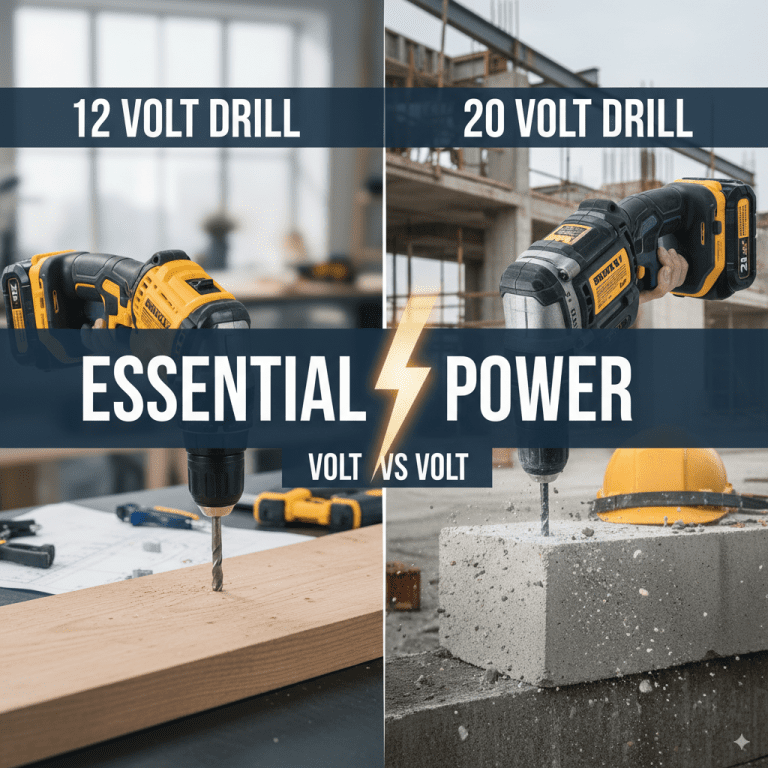
Q2: What is the main difference between the 12V and 18V Bosch cordless drills?
A: The 18V platform is designed for higher torque, speed, and professional-duty cycles; they are generally more powerful. The 12V system is built for maximum compactness, light-duty tasks, and ease of use in tight spaces.
Q3: Do I need a special bit for my Bosch hammer drill when I drill into concrete?
A: Yes, always. For standard chuck hammer drills, you must use carbide-tipped masonry bits. For SDS Rotary Hammers, you must use SDS-shank bits. Using the wrong bit means the tool cannot deliver the impact efficiently, leading to slow work and damaged bits.