Cost Of Hardwood vs LVP: Essential Comparison
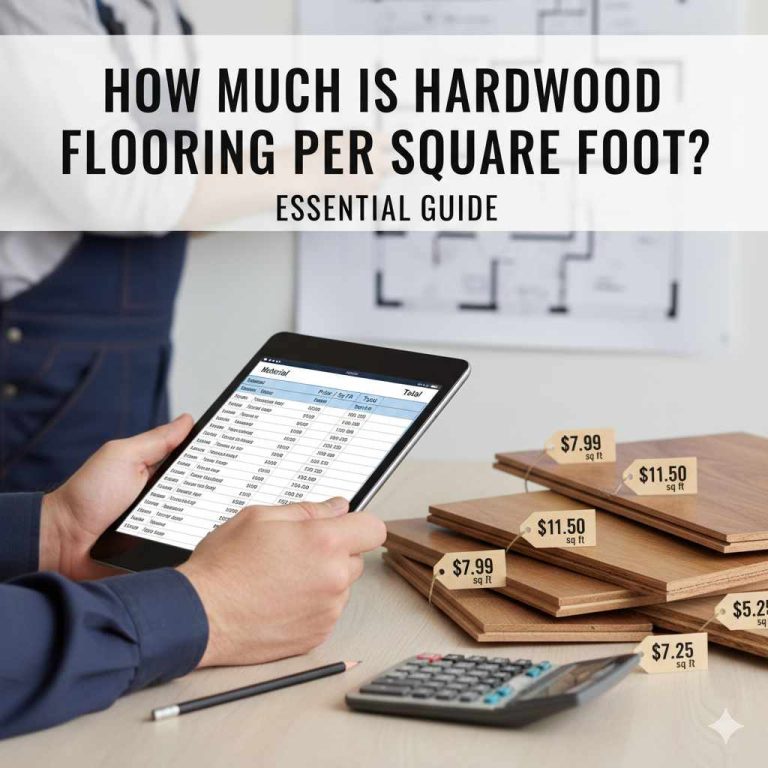
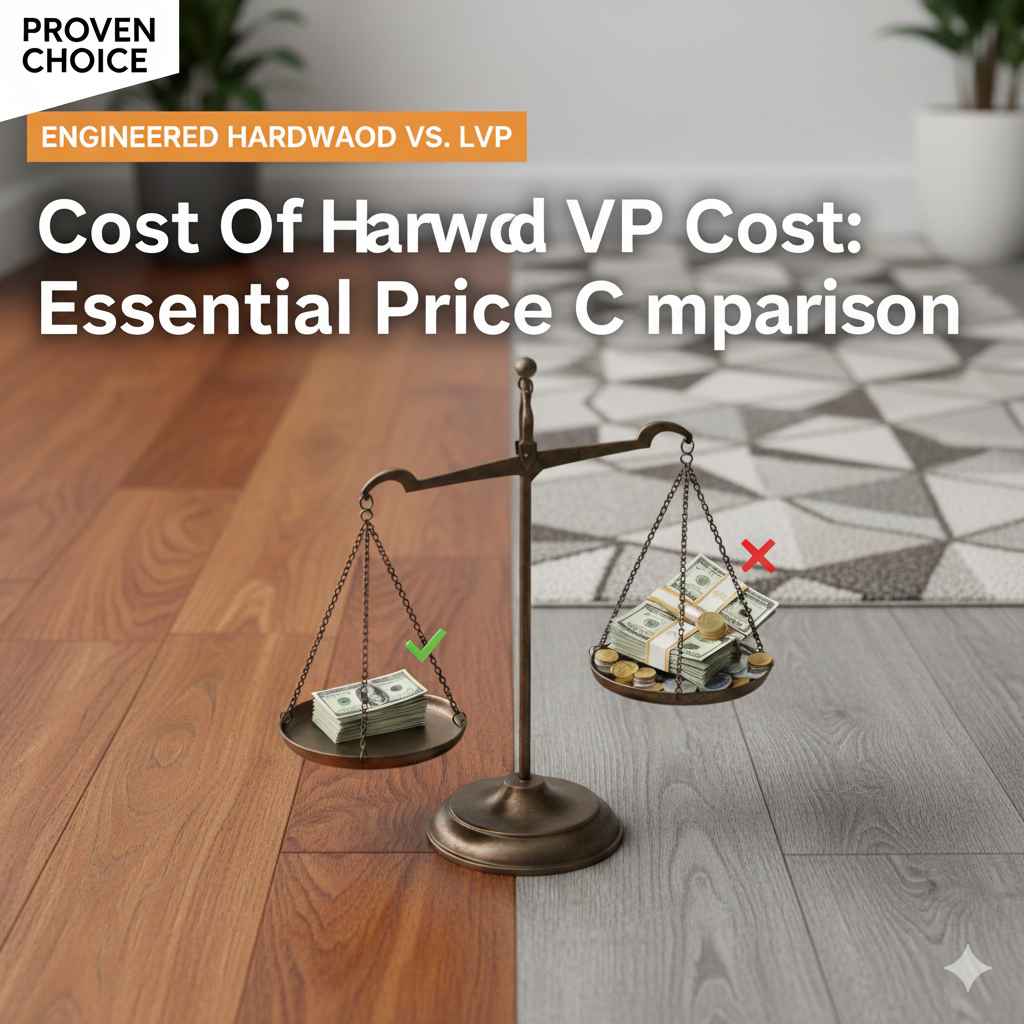
The cost of hardwood flooring typically ranges from $5 to $15 per square foot installed, while Luxury Vinyl Plank (LVP) usually costs $3 to $7 per square foot installed. Hardwood offers timeless beauty and increases home value but is more expensive and less tolerant of moisture. LVP provides excellent durability, water resistance, and affordability, making it a practical choice for busy homes.
Choosing new flooring is exciting! You want something that looks great, lasts a long time, and fits your budget. Two popular options you’ll see are traditional hardwood and Luxury Vinyl Plank (LVP). They look similar, but their costs and benefits are quite different. It can be confusing to figure out which is best for your home and your wallet. Don’t worry, I’m here to help you understand the real costs and what you get with each. We’ll break down everything you need to know so you can feel confident in your choice.
Hardwood vs. LVP: The Big Picture on Cost
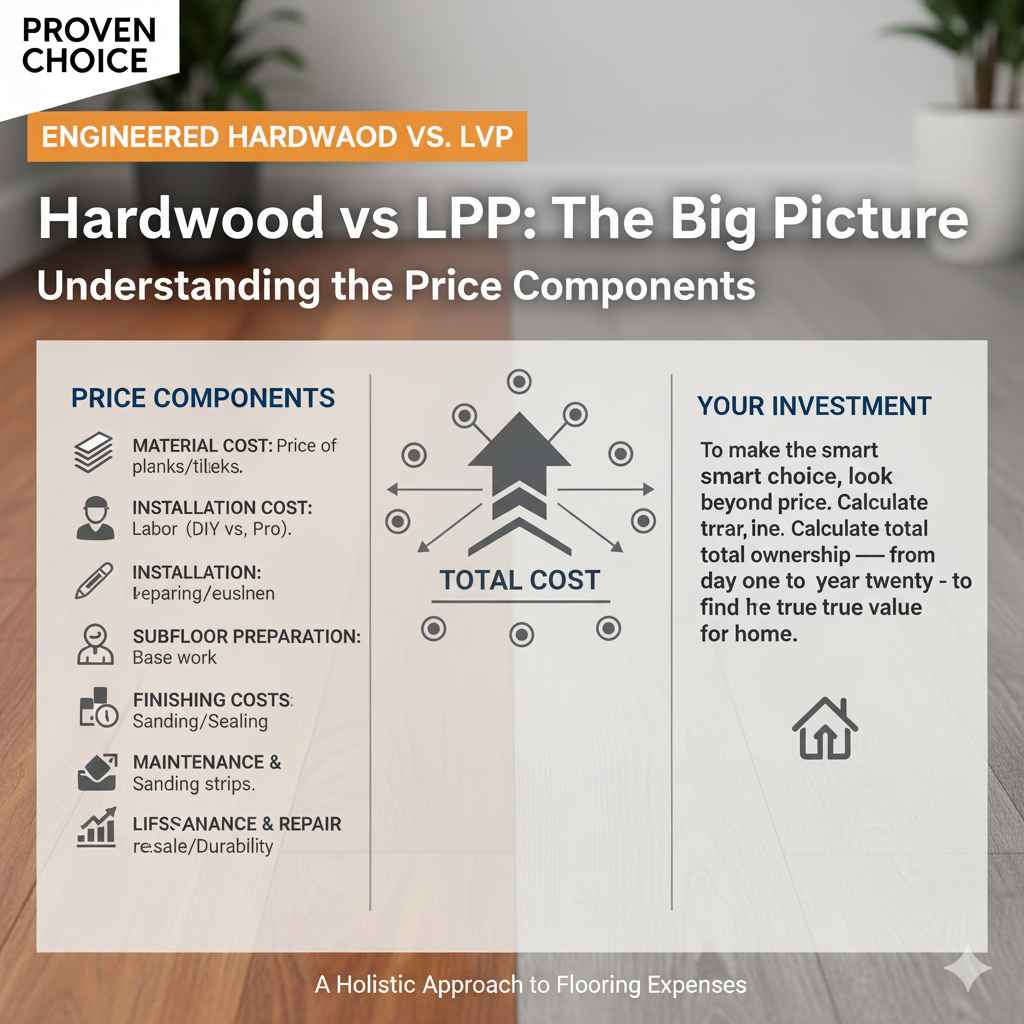
When we talk about the “cost of hardwood vs LVP,” it’s not just about the price tag of the material itself. We need to consider the entire picture: material, installation, and long-term care. This will give you a clear idea of the true investment for each flooring type. Think of it like building a birdhouse – the wood is one cost, but screws, finish, and your time all add up.
Understanding the Price Components
To really compare the cost of hardwood vs LVP, let’s look at the different factors that make up the total price:
- Material Cost: This is the price of the planks or boards themselves.
- Installation Cost: How much it costs to have professionals put it in, or the cost of tools and your time if you DIY.
- Subfloor Preparation: Sometimes, the floor underneath needs work before the new flooring can go down.
- Finishing Costs: For hardwood, this includes sanding and sealing. LVP usually doesn’t need this.
- Maintenance & Repair Costs: What you might spend over the years to keep it looking good or fix damage.
- Lifespan & Value: How long it lasts and if it adds value to your home.
The Real Cost of Hardwood Flooring
Hardwood flooring is a classic choice for a reason. It’s beautiful, natural, and many people feel it adds significant value to a home. However, this beauty comes with a higher price tag and requires more careful handling.
Material and Installation Costs
The cost of hardwood flooring can vary quite a bit. Solid hardwood, made from a single piece of wood, is typically more expensive than engineered hardwood, which has a veneer of real wood over layers of plywood or composite.
- Solid Hardwood: Expect to pay anywhere from $5 to $12 per square foot for the material alone.
- Engineered Hardwood: This often ranges from $4 to $10 per square foot for the material.
- Installation: Professional installation for both solid and engineered hardwood can add another $3 to $8 per square foot. This depends on the complexity of the room, the type of wood, and your location.
So, for solid hardwood, you could be looking at a total installed cost of $8 to $20 per square foot. Engineered hardwood might fall in the range of $7 to $18 per square foot installed.
DIY installation is possible for both, but it requires more tools and a good understanding of carpentry. You’ll need to rent or buy specific tools, and mistakes can be costly.
Subfloor Preparation for Hardwood
Hardwood needs a very clean, level, and dry subfloor. If your existing floor isn’t up to par, you might need to:
- Remove old flooring.
- Level the subfloor with a leveling compound.
- Repair any damaged subfloor sections.
These steps add to the overall cost, which can be anywhere from a few hundred to over a thousand dollars depending on the size of your space.
Finishing Touch: Sanding and Sealing
Most hardwood floors are delivered unfinished, meaning they need to be sanded and sealed on-site after installation. This is a labor-intensive process that requires specialized equipment and expertise. The cost for professional sanding and finishing can add another $2 to $5 per square foot.
Some pre-finished hardwood options are available, which can save on this labor cost, but the material itself might be slightly more expensive.
Long-Term Costs and Value of Hardwood
While the upfront cost of hardwood is higher, it can last for decades, even a lifetime, if cared for properly. It can be sanded and refinished multiple times, essentially giving you a “new” floor without replacement. This makes its long-term value proposition quite strong.
Hardwood floors are known to significantly increase a home’s resale value. Many buyers see them as a highly desirable feature. For more detailed information on flooring and home value, you can check out resources like the National Association of Home Builders (NAHB), which often discusses buyer preferences.
The Real Cost of Luxury Vinyl Plank (LVP) Flooring
LVP has surged in popularity because it offers a fantastic blend of durability, water resistance, and affordability. It’s designed to mimic the look of wood or stone but with a much more forgiving nature, making it ideal for busy households.
Material and Installation Costs
LVP is generally much more budget-friendly than hardwood. It comes in various forms, but the most common for homeowners are planks or tiles.
- LVP Material Cost: You can find LVP for as little as $1.50 per square foot for basic options, while high-end, very realistic LVP can range from $3 to $7 per square foot or more.
- Installation Cost: Many LVP products are designed for click-lock installation, which is very DIY-friendly. Professional installation typically costs between $2 and $5 per square foot.
This means the total installed cost for LVP can range from $3.50 to $12 per square foot, often coming in significantly less than hardwood.
Subfloor Preparation for LVP
LVP is more forgiving than hardwood when it comes to subfloor preparation. Most LVP can be installed over existing hard-surface flooring (like tile or laminate), as long as it’s clean and level. However, the subfloor must be clean, dry, and relatively smooth.
Minor imperfections can often be covered by the LVP itself, especially with thicker, higher-quality products or if using an underlayment. For substantial unevenness, self-leveling compound might still be necessary, but it’s generally less intensive than for hardwood.
DIY-Friendliness and Ease of Installation
One of the biggest advantages of LVP is its ease of installation. Many LVP products use a click-lock system, where planks or tiles snap together without the need for adhesives. This makes it a prime candidate for DIY projects, saving you significant labor costs. Basic tools, like a utility knife, measuring tape, and a tapping block, are often all you need.
You can find great resources on DIY installation techniques from places like Family Handyman, which offers practical advice for homeowners.
Long-Term Costs and Durability of LVP
LVP is known for its exceptional durability and resistance to wear and tear. It’s waterproof, making it perfect for kitchens, bathrooms, basements, and laundry rooms where moisture is a concern. It’s also resistant to scratches and dents, which is a huge plus for families with pets and children.
The lifespan of LVP is typically 10 to 20 years, depending on the quality of the product and the amount of foot traffic it receives. While it doesn’t typically add as much resale value to a home as hardwood, its practicality and beauty make it a very attractive feature for many buyers. Repairing damaged LVP planks is usually straightforward and cost-effective, often involving simply clicking out the old plank and replacing it with a new one.
Cost of Hardwood vs LVP: A Direct Comparison Table
To make the cost of hardwood vs LVP easier to digest, let’s look at a comparison table. Remember, these are average ranges and can vary based on specific products, location, and installation complexity.
| Feature | Solid Hardwood | Engineered Hardwood | Luxury Vinyl Plank (LVP) |
|---|---|---|---|
| Material Cost Per Sq Ft | $5 – $12 | $4 – $10 | $1.50 – $7+ |
| Professional Installation Cost Per Sq Ft | $3 – $8 | $3 – $8 | $2 – $5 |
| Total Installed Cost Per Sq Ft (Average) | $8 – $20 | $7 – $18 | $3.50 – $12 |
| Subfloor Prep Intensity | High (Must be perfect) | High (Must be perfect) | Medium (Needs to be clean & mostly level) |
| DIY Installation Difficulty | Moderate to Difficult | Moderate to Difficult | Easy to Moderate |
| Sanding & Finishing Required | Yes (if not pre-finished) | No (usually comes finished) | No |
| Water Resistance | Poor | Fair (if sealed) | Excellent (Waterproof) |
| Durability/Scratch Resistance | Moderate (can scratch/dent) | Moderate (can scratch/dent) | High (very resilient) |
| Lifespan | 20-100+ years (refinishable) | 10-40 years (limited refinishing) | 10-25 years |
| Resale Value Increase | High | Moderate to High | Low to Moderate |
Factors Beyond Price That Influence Your Decision
While cost is a major factor, it’s not the only thing you should consider when comparing hardwood and LVP. Think about your lifestyle, the room the flooring will be in, and your long-term goals for your home.
Moisture Resistance
This is a critical difference. Hardwood, being a natural material, is highly susceptible to moisture damage. Spills left too long, high humidity, or leaks can cause hardwood to warp, swell, and buckle. This makes it a risky choice for areas like:
- Bathrooms
- Kitchens
- Basements
- Laundry rooms
LVP, on the other hand, is typically waterproof or highly water-resistant. This resilience makes it an ideal, worry-free option for any room in the house, especially those prone to spills or high humidity. Even if you’re just comparing engineered hardwood to LVP, the LVP will almost always win out on moisture protection.
Durability and Lifestyle
Consider who uses your home. If you have:
- Kids and Pets: LVP’s robust wear layer makes it incredibly resistant to scratches, dents, and stains. Life’s little messes are much easier to manage with LVP.
- Heavy Foot Traffic: LVP generally holds up better to constant walking than softer hardwood species.
- A Quieter, More Delicate Lifestyle: Hardwood can certainly work if you’re careful, but it will always require more vigilance.
While hardwood can be sanded and refinished to remove scratches, LVP usually cannot. However, the initial resistance to damage in LVP means you might not need to refinish it (or replace it) for a very long time.
Appearance and Feel
There’s no denying the natural beauty and warmth of real hardwood. The unique grain patterns and natural variations make each plank special.
LVP has come a long way in mimicking wood. High-quality LVP can look and feel remarkably similar to real wood, with textured surfaces that replicate grain patterns. However, some still find LVP to feel less substantial or “plastic-like” underfoot compared to solid wood.
If the authentic feel and look of natural wood are paramount, and you’re willing to invest more and be more careful, hardwood is the way to go. If you prioritize a realistic look with lower maintenance and higher resilience, LVP is an excellent alternative.
Maintenance and Cleaning
Both flooring types are relatively easy to clean on a day-to-day basis. A quick sweep or vacuum is usually all that’s needed.
- Hardwood: Requires specific wood cleaners. Always use damp (not wet) mops. Avoid harsh chemicals or abrasive cleaners that can dull the finish.
- LVP: Can typically handle regular mopping with most household floor cleaners. Its waterproof nature means you don’t have to worry about water damage from cleaning.
From a “spill and forget” perspective, LVP wins for ease of maintenance.
Environmental Impact and Sustainability
This can be a complex topic. Real hardwood, when sourced responsibly from sustainable forests, is a renewable resource. However, the harvesting and processing can have environmental impacts.
LVP is made from PVC (polyvinyl chloride) and other materials. While manufacturing processes are improving, the production of PVC can have environmental concerns. On the other hand, LVP is very durable, meaning it might not need replacement as often as some other flooring types, reducing waste over time.
For those prioritizing eco-friendliness, looking for certifications like FSC (Forest Stewardship Council) for hardwood or low-VOC (volatile organic compound) certifications for LVP can be helpful.
Which Flooring is Right for You?
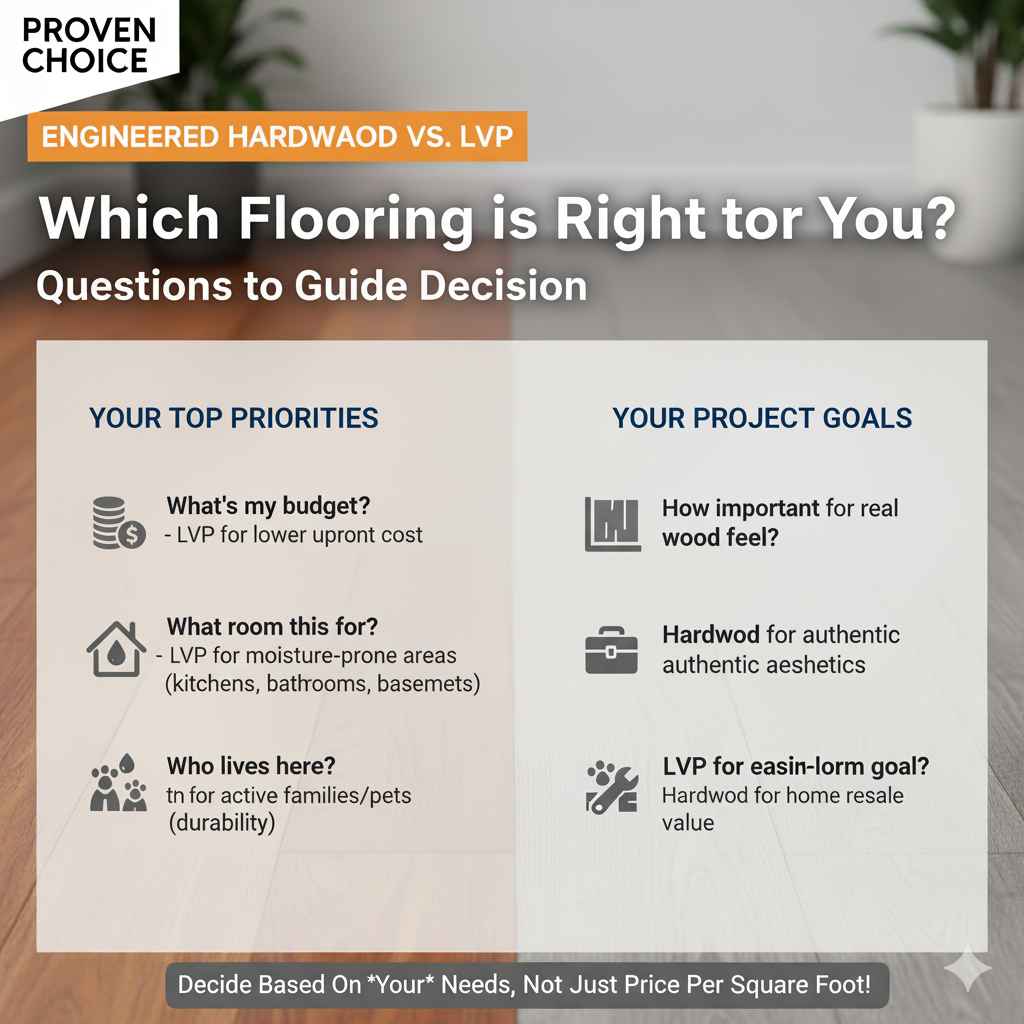
The “cost of hardwood vs LVP” boils down to your priorities. Ask yourself these questions:
- What’s my budget? LVP is the clear winner for lower budgets.
- What room is this for? For kitchens, bathrooms, or basements, LVP is usually the safer bet.
- Who lives here? Active families with pets and kids will benefit greatly from LVP’s durability.
- How important is that “real wood” feel? If it’s a top priority, hardwood is unmatched.
- Am I a DIYer? LVP is much more forgiving and accessible for DIYers.
- What’s my long-term goal? If maximizing home resale value is key, hardwood often brings more.
Don’t forget to factor in the potential for future repairs or even replacement. A cheaper install now on LVP might save money if it needs replacing sooner than hardwood.
Frequently Asked Questions (FAQs)
Q1: Is hardwood flooring always more expensive than LVP?
Generally, yes. While high-end LVP can sometimes approach the lower end of engineered hardwood prices, solid hardwood flooring and its installation are almost always more expensive than LVP, both initially and over its lifespan.
Q2: Can LVP significantly increase my home’s value like hardwood?
While LVP can make a home more attractive to buyers, it typically doesn’t add resale value to the same extent that hardwood floors do. Hardwood is often seen as a premium upgrade.
Q3: Which flooring is better for basements: hardwood or LVP?
LVP is overwhelmingly recommended for basements. Basements are prone to moisture issues (even if you don’t see them), and LVP’s waterproof nature makes it the much safer and more practical choice. Hardwood can warp and be permanently damaged by moisture.
Q4: How much does it cost to refinish a hardwood floor?
Refinishing a hardwood floor typically costs between $2 and $5 per square foot. This includes sanding down the old finish and applying a new one. This cost is part of the long-term investment in hardwood, allowing it to be refreshed.