What Is Hand-Scraped Hardwood Flooring? Look, Process, and Cost
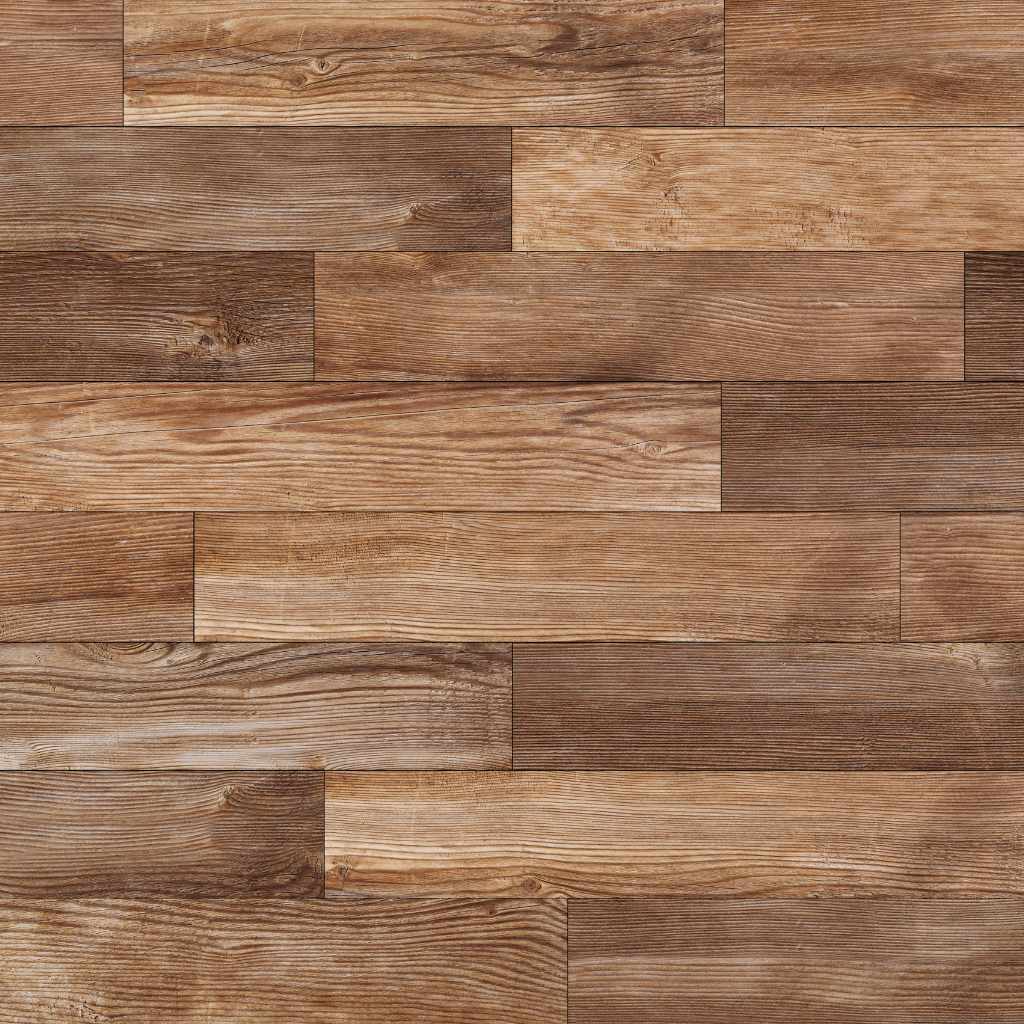
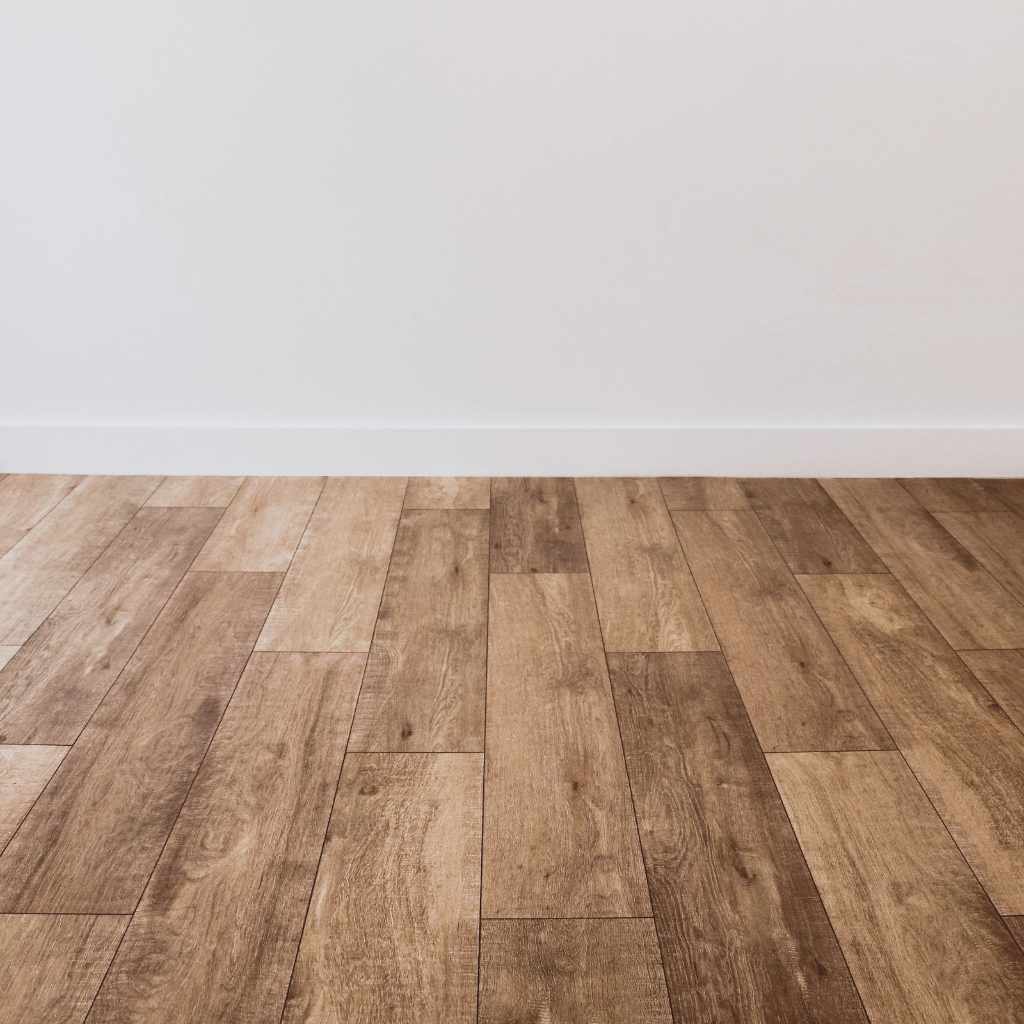
Hand-scraped hardwood flooring is wood flooring that’s been textured — either by an actual hand tool like a drawknife or by a machine tumbling the boards — so each plank looks worn, uneven, and slightly different from the next. The dips and grooves aren’t damage; they’re built in on purpose to hide the scuffs, dents, and dog-nail scratches that would show up fast on a perfectly smooth floor. It typically costs more than smooth hardwood, and almost all of what’s sold today is machine-made rather than truly hand-tooled, even though it’s still marketed as “hand-scraped.”
What Is Hand-Scraped Hardwood Flooring?
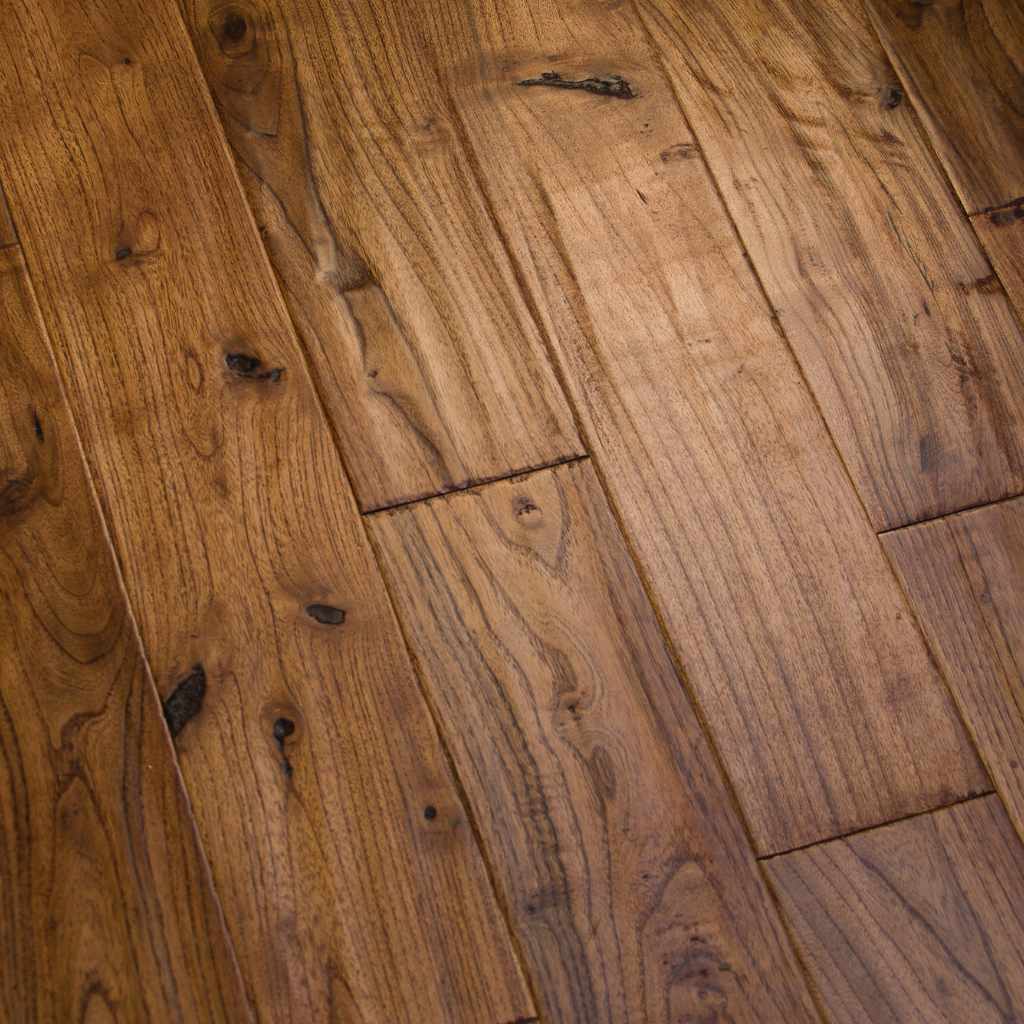
Hand-scraped hardwood is solid or engineered wood flooring where the surface of each board has been deliberately roughed up instead of sanded smooth. A craftsman (or a machine designed to copy a craftsman’s motion) drags a curved blade across the plank in short, uneven strokes, leaving shallow scoops, ridges, and worm-track marks in the wood. No two boards come out identical, which is the entire point — it’s meant to look like flooring that’s been walked on for eighty years, not flooring that just left a factory.
The look became popular because it solves a real problem: perfectly smooth hardwood shows every scratch, dent, and pet nail-mark under raking light, especially in high-traffic hallways and kitchens. A textured surface already has grooves and shadow lines built into it, so new wear blends in instead of standing out.
Best Cleaner For Hand-Scraped Floors
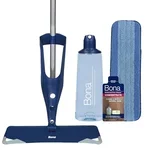 |
Bona Hardwood Floor Premium Spray Mop – $41.97 The textured grooves in hand-scraped floors trap dust and grime that all-purpose cleaners leave behind — this kit is formulated specifically for finished hardwood.
|
Hand-Tooled vs. Machine-Distressed: The Distinction Most Retailers Skip
Here’s the part most flooring sites gloss over: true hand-scraping, done plank by plank with a drawknife or card scraper, is now rare and expensive because it’s slow, skilled labor. The overwhelming majority of “hand-scraped” flooring sold at big-box stores and online is actually machine-distressed — wire wheels, rollers, or embossing drums press a repeating or semi-randomized texture pattern into the wood at high speed.
You can usually tell the difference up close. Genuine hand-scraped boards have irregular, non-repeating scoop marks that vary in depth and direction across the same plank. Machine-distressed boards often show a texture pattern that starts repeating every few boards once you lay out a full run of flooring — look along a wall for the same knot-and-groove combination showing up again a few feet down. Neither one is “fake” in a bad way; machine-distressed is simply the realistic, affordable version of the same idea, and it’s what most homeowners are actually buying when they search for this term.
Hand-Scraped vs. Wire-Brushed vs. Distressed Flooring
These three terms get used almost interchangeably in flooring showrooms, but they describe different processes and different looks:
- Hand-scraped: Deep, irregular scoops and dips from a blade being dragged or pressed into the surface. The most dramatic, uneven texture of the three — you can feel distinct low spots under your palm.
- Wire-brushed: A rotating wire brush strips away the softer spring-growth wood between the harder grain lines, so the grain itself stands up in relief. It’s a finer, more linear texture — you feel ridges following the wood grain rather than random dips.
- Distressed: An umbrella term for any flooring that’s been intentionally aged — worm holes, saw-mill marks, edge chamfers, or color variation added on top of an otherwise smooth or lightly textured board. Hand-scraped and wire-brushed floors are both technically types of distressed flooring, but plenty of distressed flooring has no scraping or brushing at all.
If you’re comparing samples in a store, run your fingers across each one — the texture difference is more obvious by touch than by looking at a photo.
Cost of Hand-Scraped Hardwood Flooring
Expect to pay a premium over smooth-sanded hardwood in the same species, mainly because of the extra processing step, not the wood itself:
- Material only: roughly $5–$12 per square foot for machine-distressed oak or hickory; solid, genuinely hand-tooled boards from a specialty mill can run $10–$18+ per square foot.
- Professional installation: add another $3–$8 per square foot for labor, underlayment, and finishing, depending on your region and whether it’s a nail-down or glue-down install.
- By species: hand-scraped hickory and walnut typically sit at the higher end because the wood itself costs more before it’s even textured; oak and maple versions are usually the most affordable.
- Engineered vs. solid: engineered hand-scraped flooring (a real hardwood veneer over a plywood core) is often 15–30% cheaper than solid planks and is the safer choice over concrete slabs or in basements, though its thin veneer limits how many times it can be sanded later.
A 300-square-foot room, for example, typically lands somewhere between $2,400 and $6,000 installed once you add material and labor together — wide swings depending on species, whether it’s solid or engineered, and local labor rates.
Pros and Cons of Hand-Scraped Hardwood Floors
Pros:
- Hides scratches, dents, and pet nail-marks far better than smooth hardwood — the texture already has shadow lines and dips built in.
- Every plank is unique, which reads as higher-end and less “mass-produced” than a uniform smooth floor.
- Works well with rustic, farmhouse, coastal, and modern-industrial interiors alike.
- Tends to show dust and pet hair less obviously between cleanings than a glossy smooth finish.
Cons:
- Costs more upfront than an equivalent smooth-finished floor in the same species.
- The grooves can trap dust, crumbs, and pet hair, so it needs a vacuum with a hard-floor setting rather than just a dry mop.
- A full sanding refinish removes the texture permanently — you can’t “re-scrape” a floor that’s already been sanded flat, so refinishing options are more limited than with smooth hardwood.
- Barefoot comfort is a matter of preference; some people find the texture pleasant underfoot, others find it rougher than a smooth floor.
How to Clean and Maintain Hand-Scraped Hardwood Floors
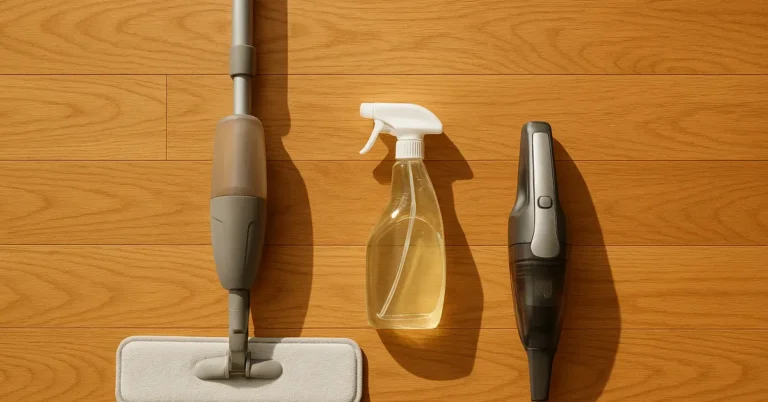
Routine care is the same as any hardwood floor, with one adjustment: because the grooves collect debris that a flat mop pad can skate right over, vacuum first with a hard-floor or bare-floor setting (never a beater-bar carpet setting, which can scuff the finish) before you mop. For the mopping step itself, use a cleaner made specifically for finished hardwood — regular all-purpose cleaners and vinegar-based solutions can dull the finish or leave residue sitting in the low spots of the texture over time.
Wipe up spills immediately rather than letting water sit in the grooves, use felt pads under furniture legs, and avoid steam mops entirely — the heat and moisture can warp boards and cloud the finish, and it’s especially risky on engineered flooring where the veneer is thin.
Can You Refinish Hand-Scraped Hardwood Flooring?
Yes, but with a real limitation: a full drum-sanding refinish will flatten the texture and permanently remove the hand-scraped look, since sanding is exactly what levels the surface back out. If you want to keep the texture, ask a flooring pro about screening and recoating instead — it lightly scuffs the existing finish and reapplies a new topcoat without touching the wood underneath, which preserves the scraped texture. We cover the full refinishing decision, including when full sanding actually makes sense, in our guide to refinishing hand-scraped hardwood floors.
FAQ
What is hand-scraped hardwood flooring?
It’s wood flooring with a deliberately textured surface — scooped and grooved by a blade (by hand or by machine) instead of sanded smooth — so it looks aged and hides wear better than a flat, glossy floor.
Is hand-scraped hardwood flooring actually done by hand?
Rarely today. Most “hand-scraped” flooring on the market is machine-distressed to mimic the look of hand-tooling. Genuine hand-tooled boards still exist from specialty mills but cost significantly more.
Does hand-scraped flooring cost more than smooth hardwood?
Yes, typically. Expect roughly $5–$12 per square foot for machine-distressed material, more for genuinely hand-tooled boards, plus $3–$8 per square foot for professional installation.
Is hand-scraped flooring harder to clean than smooth hardwood?
Not much harder, but the grooves can trap dust and debris, so vacuum with a hard-floor setting before mopping, and use a cleaner made for finished hardwood rather than an all-purpose cleaner.
Can hand-scraped hardwood floors be refinished?
Yes, but a full sanding refinish permanently removes the texture. Screening and recoating preserves the scraped look while still refreshing the finish.
What’s the difference between hand-scraped and wire-brushed flooring?
Hand-scraped flooring has deep, irregular scoops and dips. Wire-brushed flooring has a finer, linear texture where a wire brush strips softer wood from between the grain lines, leaving the grain raised in relief.
Sponsored / affiliate links. As an Amazon Associate I earn from qualifying purchases. I may earn additional commission from eligible campaigns.