Your Guide to Understanding the Cost to Install Hardwood Floors
Hey there! If you’re thinking about installing hardwood floors in your home, you’re probably wondering about the cost. I get it—hardwood floors are a big investment, but they’re also a game-changer for any space. They bring warmth, elegance, and timeless beauty that can make your home feel like a cozy retreat or a luxurious haven. I’ve spent a lot of time exploring this topic, talking to contractors, and digging into what drives the cost of installing hardwood floors. Let me walk you through everything you need to know, from materials to labor and those sneaky extra costs that can pop up. By the end, you’ll have a clear picture of what to expect and how to plan your budget.
Why Hardwood Floors Are Worth It
Let’s start with why hardwood floors are such a popular choice. When I first considered upgrading my home’s flooring, I was drawn to hardwood because it’s durable, easy to maintain, and honestly, just gorgeous. Walking into a room with gleaming oak or rich walnut underfoot feels special. Plus, hardwood floors can last for decades—sometimes over a century—if you take care of them. They’re not just a style choice; they’re a smart investment. Studies show that homes with hardwood floors often sell faster and for more money, sometimes recouping up to 118% of the installation cost when you sell. That’s huge! But before we get carried away dreaming of those polished planks, let’s break down what affects the cost.
Factors That Influence the Cost to Install Hardwood Floors
The cost to install hardwood floors isn’t a one-size-fits-all number. It depends on several factors, and understanding these will help you avoid surprises. Here’s what I’ve learned about what drives the price.
Type of Hardwood Flooring
The type of hardwood you choose is a big deal. There are two main options: solid hardwood and engineered hardwood. Solid hardwood is made from a single piece of wood, like oak or maple, and it’s the traditional choice. It’s durable, can be refinished multiple times, and has a lifespan that can stretch over 100 years. But it’s pricier, typically costing $5 to $28 per square foot for materials alone.
Engineered hardwood, on the other hand, has a thin layer of real wood on top of layers of plywood. It’s more resistant to moisture, making it great for kitchens or basements, and it’s usually cheaper, ranging from $4.50 to $16 per square foot for materials. I went with engineered hardwood in my kitchen because I didn’t want to worry about spills, and it still looks just as beautiful as solid wood.
Wood Species and Grade
Not all wood is created equal. The species you pick—whether it’s oak, maple, walnut, or something exotic like Brazilian cherry—plays a huge role in the cost. Domestic woods like oak and maple are more affordable, usually $4 to $8 per square foot. They’re widely available and super durable. Exotic woods, like teak or mahogany, can run $8 to $12 per square foot or more because of their unique colors and patterns. When I was choosing wood for my living room, I fell in love with walnut’s rich, dark tones, but I stuck with oak to keep costs down.
The grade of the wood matters too. Clear-grade wood, with fewer knots and imperfections, is pricier. Lower-grade wood, which has more natural character like knots or color variations, is cheaper but still beautiful. It’s all about what vibe you’re going for.
Room Size and Layout
The size of the room is a no-brainer—the bigger the space, the more you’ll pay. For example, installing hardwood in a 200-square-foot bedroom might cost $1,200 to $3,600, while a 1,000-square-foot first floor could run $6,000 to $25,000. But it’s not just about square footage. If your room has lots of angles, corners, or obstacles like fireplaces or built-ins, installers will need to make more cuts, which bumps up the labor cost. My dining room has a tricky bay window area, and the contractor warned me that those extra cuts would add a bit to the bill.
Installation Method
How the floors are installed affects the price too. There are three main methods: nail-down, glue-down, and floating. Nail-down is the most common for solid hardwood and usually the cheapest, as it’s straightforward. Glue-down is pricier because it’s more labor-intensive, especially for engineered hardwood. Floating floors, where planks click together without being attached to the subfloor, are often the most budget-friendly but aren’t always suitable for every type of wood. I chose a nail-down installation for my solid oak floors because it felt like the most secure option for a high-traffic area.
Labor Costs
Labor is a big chunk of the cost, typically $3 to $10 per square foot. This varies based on where you live and how complex the job is. In places like Southern California, where the cost of living is higher, you might pay closer to $6 to $10 per square foot for labor. In smaller towns, it could be as low as $3 to $5. When I got quotes for my project, I noticed a huge range in labor costs, so it’s worth shopping around. Experienced installers charge more, but their precision can save you from costly mistakes. Trust me, you don’t want uneven floors or gaps between planks!
Subfloor Preparation
Before the hardwood goes down, the subfloor needs to be in good shape. If it’s uneven, damaged, or has moisture issues, you’ll need to fix it. Leveling an uneven subfloor can cost $1 to $5 per square foot, and replacing a damaged subfloor might add $900 to $3,000 to your project. In my case, we had to level part of the subfloor in my old house because it was slightly uneven, and that added about $500 to the total cost. If you’re replacing old flooring, like carpet or tile, removal costs can also add up—think $1 per square foot for carpet or $2 to $5 for tile.
Finishing and Extras
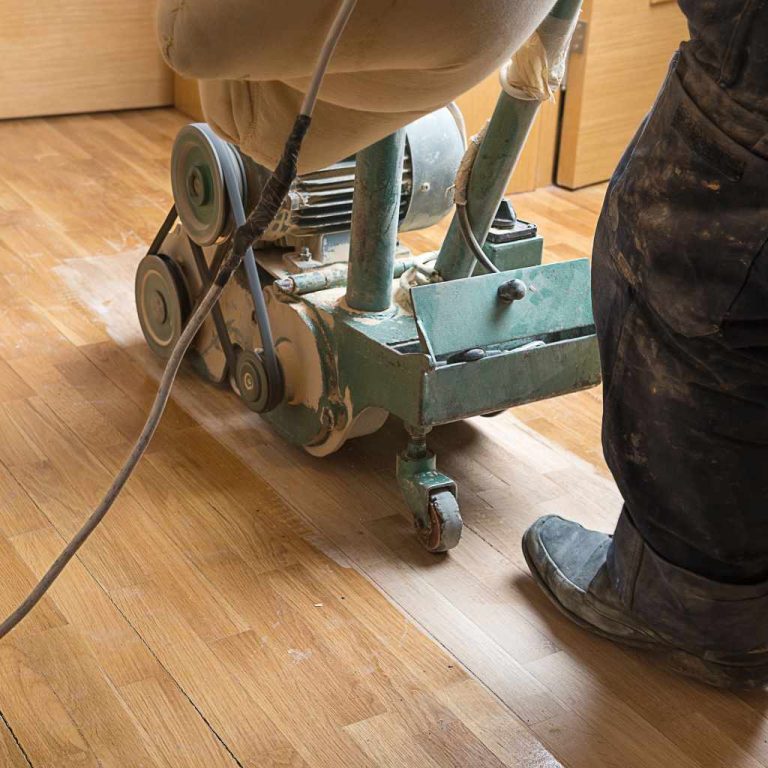
If you’re installing unfinished hardwood, you’ll need to factor in the cost of sanding, staining, and sealing. This can add $1 to $3 per square foot but lets you customize the color and finish. Prefinished hardwood, which comes already sealed, saves on labor but limits your color options. I went with prefinished planks in one room to save time, and I loved how quick the installation was—no dust or fumes from staining.
Other extras, like trim, molding, or baseboards, can cost $5 to $10 per linear foot. If you’re adding hardwood to stairs, expect to pay $75 to $200 per stair because of the extra labor involved. These little details can add up, so make sure to include them in your budget.
Breaking Down the Costs by Room Size
To give you a clearer idea, here’s a table showing average costs for installing hardwood floors in different room sizes, including materials and labor:
| Room Size (Square Feet) | Average Cost (Solid Hardwood) | Average Cost (Engineered Hardwood) |
|---|---|---|
| 150 (small bedroom) | $1,200 – $4,200 | $1,050 – $3,600 |
| 500 (living room) | $3,000 – $12,000 | $2,500 – $10,000 |
| 1,000 (first floor) | $6,000 – $25,000 | $5,000 – $20,000 |
| 1,500 (large area) | $9,000 – $37,500 | $7,500 – $30,000 |
These numbers assume a mix of mid-range materials and standard installation. High-end woods or complex layouts will push you toward the higher end of the range.
How to Save Money on Hardwood Floor Installation
I know those numbers can feel overwhelming, but there are ways to keep costs down without sacrificing quality. Here are some tips I picked up along the way:
- Choose Affordable Woods: Stick with domestic woods like oak or maple instead of exotic species. They’re just as durable and look great.
- Go for Engineered Hardwood: It’s often cheaper than solid hardwood and works better in moisture-prone areas.
- DIY Some Prep Work: If you’re handy, you can save money by removing old flooring or furniture yourself. I ripped up my old carpet, which saved me about $200.
- Shop Around for Quotes: Get at least three quotes from contractors. I found that prices varied by as much as $1,500 for the same job.
- Buy in Bulk: Some suppliers offer discounts if you buy more material than you need. Just make sure to account for about 10% extra for waste or mistakes.
- Look for Sales: Check local flooring stores or big retailers like Home Depot for seasonal discounts. I scored a great deal on prefinished oak during a spring sale.
DIY vs. Professional Installation
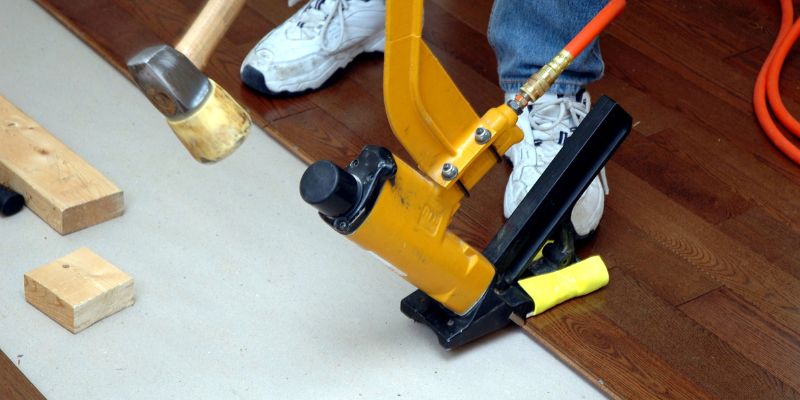
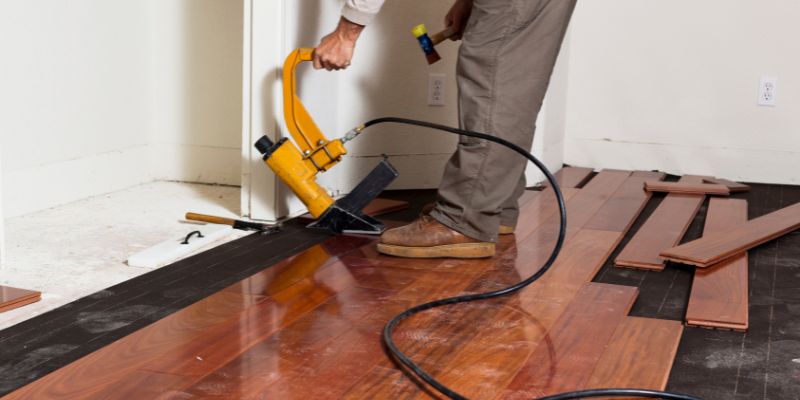
You might be tempted to install hardwood floors yourself to save money. I considered it too, but let me share what I learned. DIY can cut labor costs, but it’s not as simple as it looks. You’ll need tools like a pneumatic nailer, saws, and a level, which can cost hundreds to rent or buy. Plus, installing hardwood requires precision—mistakes can lead to warped planks or gaps that are expensive to fix. My neighbor tried a DIY install and ended up with uneven floors that needed professional repairs, costing more than if he’d hired a pro from the start.
Professional installers bring expertise and efficiency. They know how to handle tricky subfloors, make precise cuts, and ensure the floors last. If you’re set on DIY, stick to smaller projects or floating engineered floors, which are easier to install. Otherwise, I’d recommend hiring a pro for a polished result.
Regional Cost Differences
Where you live can make a big difference in costs. In high-cost-of-living areas like New York or Los Angeles, you might pay $13 to $25 per square foot for installation. In more affordable regions, like the Midwest, costs can drop to $6 to $12 per square foot. When I got quotes in my suburban area, I noticed prices were about 20% lower than what my friend in a big city was quoted. Always get local quotes to get a sense of what’s reasonable in your area.
The Long-Term Value of Hardwood Floors
One thing that surprised me was how much value hardwood floors add to a home. Beyond the beauty, they’re low-maintenance compared to carpet—no worrying about stains from spilled juice! They’re also durable, especially if you have pets or kids. With proper care, like regular sweeping and occasional refinishing, hardwood floors can last a lifetime. Refinishing, by the way, costs about $3 to $8 per square foot, which is way cheaper than replacing the floors.
Hardwood also boosts your home’s resale value. When I was house hunting, I noticed that homes with hardwood floors felt more inviting and often had higher asking prices. It’s not just about looks—it’s about knowing you’re investing in something that lasts.
Maintenance Tips to Protect Your Investment
Once your floors are installed, you’ll want to keep them looking great. Here are a few tips I’ve found helpful:
- Sweep or vacuum regularly to prevent dirt from scratching the surface.
- Use area rugs in high-traffic areas to reduce wear.
- Wipe up spills immediately to avoid water damage.
- Avoid harsh cleaners—stick to products designed for hardwood.
- Refinish every 10-15 years to keep the floors looking fresh.
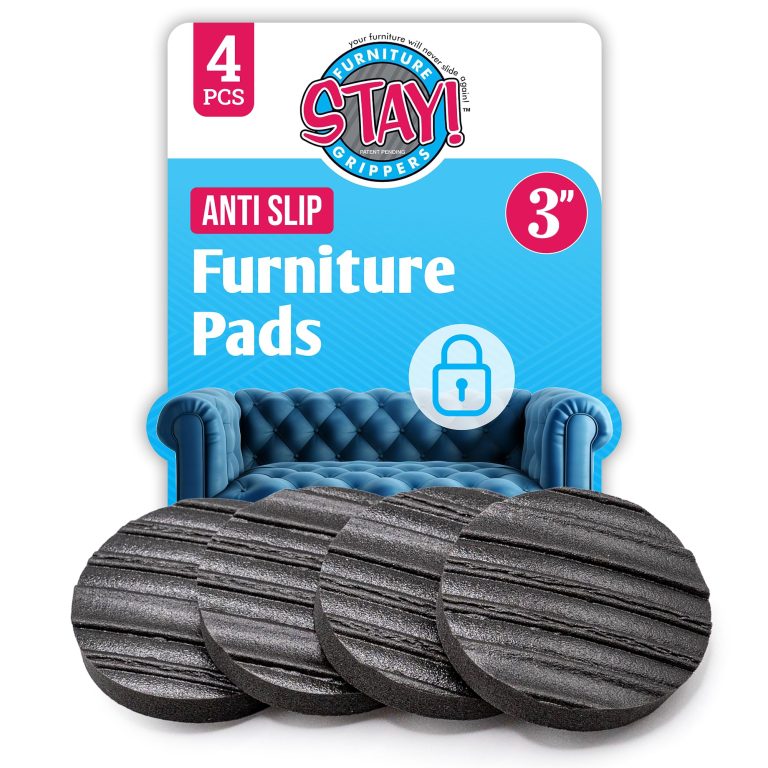
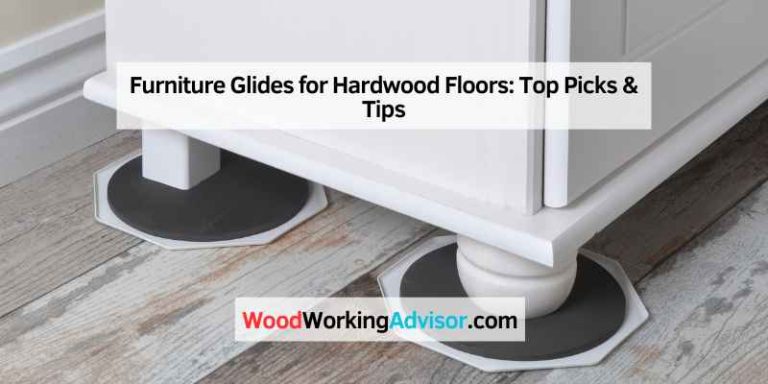
I learned the hard way that dragging furniture across hardwood can leave scratches, so use felt pads under furniture legs to protect your floors.
Conclusion
Installing hardwood floors is a big decision, but it’s one that can transform your home and add lasting value. From choosing the right wood to budgeting for labor and extras, there’s a lot to consider. I’ve been through this process myself, and while it took some planning, the result was worth every penny. My home feels warmer, more inviting, and I love knowing that my floors will last for years to come. By understanding the factors that drive costs—like wood type, room size, and installation method—you can make smart choices that fit your budget. Get multiple quotes, explore affordable options, and don’t be afraid to ask contractors questions. Your dream floors are within reach, and I’m excited for you to see how they elevate your space!
FAQs
How Long Does It Take to Install Hardwood Floors?
It depends on the room size and complexity. For a 500-square-foot room, installation usually takes 2-5 days. Prep work, like removing old flooring or leveling the subfloor, can add a day or two. My living room took three days, including prep and finishing.
Can I Install Hardwood Floors Over Existing Flooring?
Sometimes, yes. You can install hardwood over a stable, flat surface like plywood or certain tiles, but carpet or uneven floors need to be removed. Check with your contractor to see if your existing floor is suitable. I had to remove my old carpet to ensure a smooth install.
Are Hardwood Floors Worth the Cost?
Absolutely! They’re durable, low-maintenance, and add significant resale value. I’ve seen homes with hardwood sell faster and for more money. Plus, they’re easier to clean than carpet, which is a lifesaver if you have kids or pets.
How Do I Choose Between Solid and Engineered Hardwood?
Solid hardwood is great for long-term durability and can be refinished multiple times, but it’s pricier and sensitive to moisture. Engineered hardwood is more affordable and moisture-resistant, making it ideal for basements or kitchens. I chose engineered for my kitchen and solid for my living room to balance cost and function.
What’s the Cheapest Way to Install Hardwood Floors?
Opt for affordable woods like oak, choose engineered hardwood, and do some prep work yourself, like removing old flooring. Also, shop around for quotes and look for sales. I saved about $500 by doing my own prep work and choosing mid-range oak.