How to Get Pet Odor Out of Hardwood Floors, Safely
Baking soda paired with a hard-floor enzyme cleaner gets pet odor out of hardwood floors without damaging the finish, since plain water alone rarely reaches urine soaked into the grain. Skip the wrong DIY recipe, though: grapefruit and other citrus essential oils, a common Pinterest add-in, are ASPCA-listed toxins for cats and dogs. This guide covers testing odor depth, the safe removal steps, and what to do when the smell won’t quit.
Insert your Affiliate Disclosure reusable block here.
Quick Answer
Blot fresh accidents immediately, then treat the spot with an enzyme cleaner made for hard floors (not a carpet formula) and let it sit 10–15 minutes before wiping dry. For older, deeper odors, follow up with a baking soda paste left on overnight. Skip DIY recipes that add essential oils — grapefruit, tea tree, and other citrus oils are listed as toxic to cats and dogs by the ASPCA.
What You’ll Need
Best Hard-Floor Enzyme Cleaner Pick
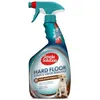
Simple Solution Hard Floor Dog Stain & Odor Remover, 32 oz
Formulated specifically for hard, sealed floors rather than carpet, so it will not leave the extra dye or residue some carpet enzyme cleaners do on wood.
- Best for: fresh-to-moderate urine odor on sealed hardwood
- Why we picked it: hard-floor-specific formula, no carpet dyes or thickeners
- Main drawback: needs a repeat application on odors that have soaked past the finish
Compare more pet odor cleaner options
 Option 1 NOYATECH Pet Floor Cleaner Concentrate, 32 oz
|
 Option 2 Biokleen Bac-Out Enzyme Stain & Odor Eliminator
|
 Option 3 Nature’s Miracle Advanced Stain & Odor Eliminator, 32 oz
|
As an Amazon Associate we earn from qualifying purchases.
- An enzyme cleaner labeled safe for hard/sealed wood floors (not a carpet-only formula)
- Baking soda
- 2–3 clean microfiber cloths
- A soft-bristle brush or old toothbrush for grooves and seams
- A black light (optional, helps find dried spots you can’t see or smell easily)
- White vinegar and a few drops of dish soap (for light, fresh spots only)
How to Tell How Deep the Odor Has Soaked In
Find Every Spot First
Walk the room at night with a black light — dried urine fluoresces under UV light even when it’s invisible and odorless to you at room temperature. Mark each spot with painter’s tape so you don’t miss any before you start cleaning.
Check How Far It’s Penetrated
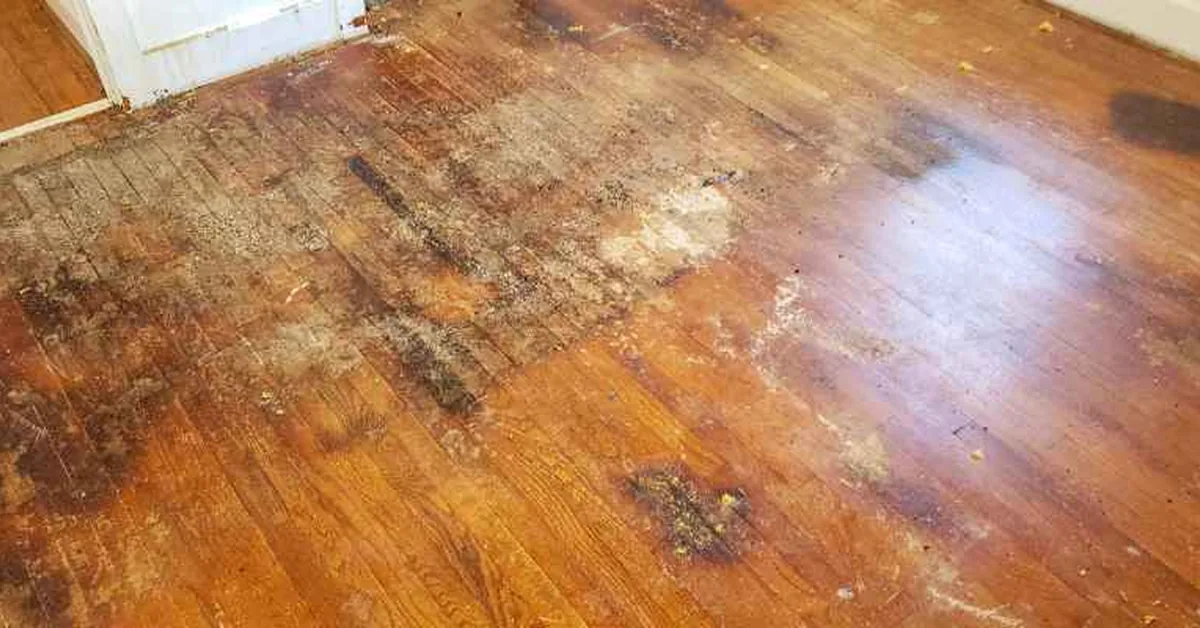
Look closely at the finish over each spot. If the wood is discolored, cupped, or feels soft compared to the surrounding floor, the odor has likely soaked past the surface coating and into bare wood — surface cleaning alone won’t fully resolve it, and you may be looking at the sanding and refinishing step further down.
The Safe, Step-by-Step Way to Remove Pet Odor From Hardwood Floors
- Blot, don’t scrub, fresh accidents: Press a clean cloth or paper towels straight down on the spot to soak up liquid. Scrubbing pushes urine deeper into the wood grain instead of lifting it out.
- Test your cleaner on a hidden spot: Dab a small amount inside a closet or under a rug edge and wait a few minutes to confirm it will not discolor or dull the floor’s finish.
- Treat with a hard-floor enzyme cleaner: Apply an enzyme cleaner labeled safe for sealed wood floors (not a carpet-only formula) and let it sit 10–15 minutes so the enzymes can break down the odor-causing compounds.
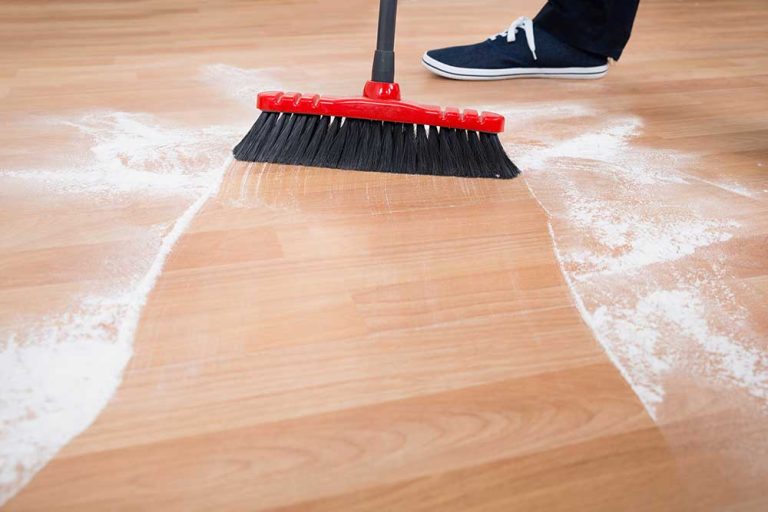
- Follow with a baking soda paste on lingering spots: Mix baking soda with a little water into a paste, spread it over the area, and leave it for a few hours or overnight to pull remaining surface odor before wiping away with a damp cloth.
- Dry the floor completely: Run a fan or dehumidifier over the area and confirm the wood is fully dry. Hardwood left damp is what allows odor, warping, and mildew to come back.
Why You Should Never Use Essential Oils in a DIY Pet Odor Recipe
A lot of DIY pet-odor recipes circulating online call for a few drops of grapefruit, citrus, or tea tree oil mixed into vinegar water for extra fragrance. Skip it. Cats especially lack the liver enzyme needed to break these oils down safely, and dogs are also affected — even indirect contact from a freshly mopped floor can cause vomiting, drooling, or skin irritation.
📊 Grapefruit essential oil is listed by the ASPCA as toxic to cats, dogs, and horses — along with tea tree, citrus, peppermint, wintergreen, and ylang-ylang oils. Signs of exposure include vomiting, drooling, and skin irritation. — Source: ASPCA Animal Poison Control, aspca.org
If you want scent along with the cleaning, an unscented, pH-neutral commercial cleaner or plain baking soda does the job without the risk. See our full list of pet-safe hardwood floor cleaners for vet-verified options if you’d rather not mix your own.
DIY vs Enzyme Cleaner vs Refinishing: What Actually Works
| Method | Works On | Best For |
|---|---|---|
| Baking soda paste | Surface odor, fresh spots | Light, recent accidents |
| Hard-floor enzyme cleaner | Odor soaked into the wood grain | Most pet accidents on sealed floors |
| Diluted white vinegar + dish soap | Light, fresh odor only | Quick touch-ups, not deep-set smells |
| Sanding & refinishing | Odor that has reached bare wood under the finish | Old, severe, or repeated accidents in one spot |
When the Smell Won’t Go Away
If cats specifically are the source, see our cat urine smell removal guide for the uric-acid-crystal mechanism behind odor that keeps returning after cleaning.
Sanding and Refinishing
When odor has soaked past the finish into bare wood, cleaning the surface won’t remove it — the affected boards need to be sanded down to fresh wood and resealed. This is also the point where visible urine stains usually need to be addressed at the same time, since staining and odor tend to go together once urine reaches bare wood.
When to Call a Professional
If the smell returns within a day or two of cleaning, or you can see cupping, warping, or soft spots in more than one or two boards, call a flooring pro. Widespread subfloor saturation is a moisture problem as much as an odor problem, and it’s cheaper to catch early than after boards need full replacement.
Keeping Pet Odor From Coming Back
Clean up every accident the same day, keep your regular hardwood cleaning routine going weekly rather than monthly, and add rugs or runners in the spots your pet uses most. If one specific spot keeps getting reused no matter how well you clean it, that’s usually a behavioral issue rather than a lingering-odor one — see our guide on what to do when a dog keeps peeing in the same spot on a wood floor for the training side of the fix.
Common Mistakes That Make Pet Odor Worse
- Using an ammonia-based cleaner. Ammonia smells similar to urine to a pet’s nose and can actually encourage them to remark the same spot.
- Oversoaking the floor. Excess liquid of any kind pushes moisture and odor into the seams between boards instead of lifting it out.
- Using a carpet-formula enzyme cleaner on wood. Carpet formulas are often wetter and can contain dyes that are not meant to sit on a sealed wood finish.
- Skipping the black-light check. Treating only the spots you can see or smell leaves untreated spots to resurface once the weather turns humid.
- Adding essential oils for scent. As covered above, several common essential oils are toxic to pets — skip them entirely in any DIY floor recipe.
Frequently Asked Questions
What kills the smell of dog urine on wood floors?
An enzyme cleaner made for hard floors kills the odor at the source by breaking down the uric acid crystals in dried urine, rather than just masking the smell the way air fresheners do. Apply it, let it sit 10–15 minutes so the enzymes finish working, then wipe dry. Baking soda helps pull surface odor but will not break down urine that has soaked into the wood grain.
How do you deodorize hardwood floors?
Sweep and vacuum first to remove hair and debris, then damp-mop with a pH-neutral, pet-safe floor cleaner. For odor spots specifically, treat with an enzyme cleaner rather than a general all-purpose cleaner, since general cleaners are not built to break down organic odor compounds.
Is vinegar safe to use on hardwood floors for pet odor?
Diluted white vinegar (about 1/3 to 1/2 cup per gallon of warm water) is generally safe for light, fresh spots, but avoid it on floors with a wax finish, since the acid can dull the coating. Vinegar also will not fully break down urine that has already soaked into the wood — for that, an enzyme cleaner works better.
Can pet odor damage or make a hardwood floor unsafe?
Yes, if urine sits long enough it can seep past the finish, discolor the wood, and in humid conditions contribute to mold or mildew growth in the subfloor. This is why blotting fresh accidents immediately and treating them the same day matters more than which cleaner you eventually use.
How do you get dog smell out of wood floors and furniture near the spot?
Treat the floor with an enzyme cleaner first, then check nearby wood furniture legs, baseboards, or trim for the same smell — odor can transfer through contact. Wipe those surfaces with a pet-safe cleaner and let everything air dry fully before pets are allowed back in the room.
Most pet odor on hardwood floors comes out with a baking soda and enzyme cleaner combination, as long as you catch accidents early and skip essential-oil DIY recipes. For odor that has soaked past the finish, sanding and refinishing the affected boards is the only permanent fix.
Sponsored / affiliate links. As an Amazon Associate I earn from qualifying purchases. I may earn additional commission from eligible campaigns.