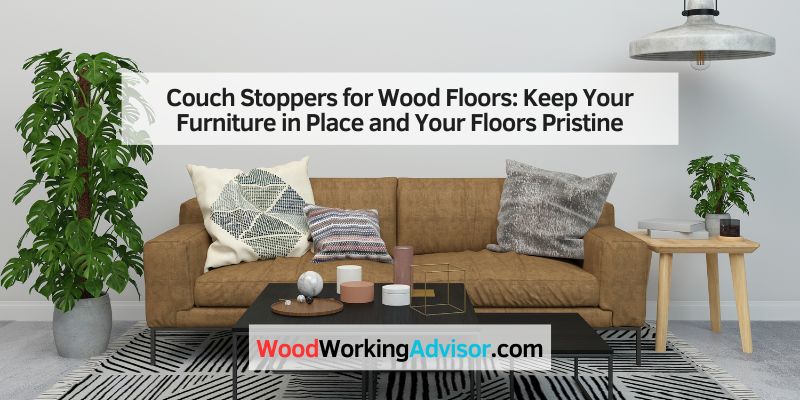
Couch Stoppers for Wood Floors: Keep Your Furniture in Place and Your Floors Pristine
Hey there! If you’re like me, you love the look of hardwood floors in your home. They’re elegant, timeless, and add a warm touch to any room. But here’s the thing: when your couch or favorite armchair starts sliding around on those shiny floors, it’s not just annoying—it can scratch and damage your beautiful wood. I’ve been there, chasing my sofa across the living room after a lively movie night or noticing those pesky scuff marks after moving furniture around.
That’s why I dove deep into the world of couch stoppers for wood floors, and I’m excited to share everything I’ve learned with you. Whether you’re a woodworking enthusiast or just someone who wants to protect their floors, this guide will walk you through the best solutions to keep your furniture steady and your hardwood floors flawless. Let’s face it—nobody wants to deal with a couch that’s constantly on the move or floors that look like they’ve been through a war zone. Couch stoppers are simple, affordable tools that solve this problem.
In this article, I’ll break down what couch stoppers are, why they’re essential for wood floors, the different types available, how to choose the right ones, and even some DIY options for the crafty folks out there. By the end, you’ll have all the know-how to stop your furniture from sliding and keep your floors looking as good as new. So, grab a cup of coffee, and let’s get started!
Why Couch Stoppers Are a Must for Wood Floors
I’ll be honest—when I first got my hardwood floors, I was so caught up in their beauty that I didn’t think about the wear and tear furniture could cause. But after a few months, I noticed scratches and dents where my couch legs had been dragging. It was heartbreaking! Wood floors are an investment, and protecting them is crucial. Couch stoppers aren’t just about keeping your furniture in place; they’re about preserving the longevity and appearance of your floors.
Sliding furniture can create micro-abrasions on your wood’s finish, and over time, these can turn into visible scratches. If you have kids or pets who love to jump on the couch (like my golden retriever does), the problem gets worse. Heavy furniture like sectionals can also leave dents if they’re constantly shifting. Couch stoppers act as a barrier between your furniture and the floor, reducing friction and preventing damage. Plus, they save you from the annoyance of repositioning your sofa every other day. Trust me, once you start using them, you’ll wonder why you didn’t sooner.
Types of Couch Stoppers for Wood Floors
When I started looking into couch stoppers, I was surprised by how many options there are. Each type has its own strengths, and the best one for you depends on your furniture, floor type, and aesthetic preferences. Here’s a rundown of the most common types I’ve tried or researched.
Felt Pads
Felt pads are my go-to for most furniture. They’re soft, self-adhesive discs that stick to the bottom of couch legs. The felt creates a smooth surface that glides gently without scratching. I’ve used these on my dining chairs and sofa, and they work like a charm. They’re affordable, easy to apply, and come in various sizes to fit different leg shapes. The downside? They can wear out over time, especially with heavy furniture, so you’ll need to replace them every year or two.
Rubber Stoppers
Rubber stoppers are fantastic for grip. Unlike felt pads, which allow some movement, rubber stoppers are designed to keep your furniture firmly in place. They’re made of grippy material that clings to wood floors without adhesive. I tried these on my recliner, and it hasn’t budged since. They’re durable and work well for heavy furniture, but they might not look as sleek as other options. Also, make sure to clean them occasionally to maintain their grip.
Velcro Strips
Velcro strips are a clever solution I stumbled upon during my research. You stick one side to the couch leg and the other to the floor, creating a secure bond. I used these for a lightweight loveseat, and they held up during my kids’ playtime. They’re great for temporary setups or renters who don’t want permanent fixes. The catch is that they can be tricky to install perfectly, and the adhesive might leave residue if not removed carefully.
Double-Sided Tape
Double-sided tape is a quick fix for those who need an immediate solution. I tried this when I was in a pinch, and it worked surprisingly well for a small ottoman. You apply the tape to the furniture legs and press them onto the floor. It’s cheap and effective, but it’s not a long-term solution. The adhesive can weaken, and it’s not ideal for heavy furniture like sectionals.
Area Rugs with Non-Slip Pads
If you’re not keen on attaching anything to your furniture, an area rug with a non-slip pad is a game-changer. I placed a rug under my living room sectional, and it added both stability and style. The rug’s texture provides natural grip, and a non-slip pad underneath keeps the rug itself from sliding. This option is perfect if you want to enhance your room’s decor while solving the sliding problem. Just make sure the rug complements your wood floors!
Couch Clamps
Couch clamps are a bit more heavy-duty. These gadgets attach to the bottom of your couch and grip the floor or rug tightly. I haven’t used these myself, but a friend swears by them for her leather sectional. They’re ideal for large, heavy furniture but can be pricier and less discreet than other options. Installation might also require some effort.
Stop Blocks
Stop blocks are a DIY-friendly option. You cut small wooden blocks to fit under your furniture legs, creating a barrier that prevents sliding. I made a set for my coffee table using scrap wood, and they’ve worked well. They’re customizable and blend seamlessly with wood floors, but they require some woodworking skills to get right.
Here’s a quick comparison table to help you choose:
| Type | Pros | Cons | Best For |
|---|---|---|---|
| Felt Pads | Affordable, easy to apply, discreet | Wear out over time | Lightweight furniture, renters |
| Rubber Stoppers | Strong grip, durable | Less aesthetic, needs cleaning | Heavy furniture, high-traffic areas |
| Velcro Strips | Secure, removable | Tricky installation, possible residue | Temporary setups, lightweight pieces |
| Double-Sided Tape | Cheap, quick fix | Not durable, not for heavy furniture | Small furniture, temporary use |
| Area Rugs | Stylish, no furniture modification | Requires rug purchase | Aesthetic-focused homes |
| Couch Clamps | Very secure, durable | Expensive, visible | Large, heavy furniture |
| Stop Blocks | Customizable, blends with floors | Requires DIY skills | DIY enthusiasts, heavy furniture |
How to Choose the Right Couch Stoppers
Picking the right couch stoppers can feel overwhelming with so many options. I learned this the hard way after buying the wrong size felt pads for my sofa. Here’s what I consider now to make the right choice.
First, think about your furniture’s weight and size. Heavy sectionals need sturdy options like rubber stoppers or couch clamps, while lightweight chairs do fine with felt pads or Velcro. Measure the diameter of your furniture legs to ensure a snug fit—trust me, it’s a pain to reapply stoppers that don’t stick properly.
Next, consider your floor type. My oak hardwood floors have a polyurethane finish, which works well with most stoppers. But if you have waxed or oiled floors, avoid adhesive options like Velcro or tape, as they can damage the finish. Always check the manufacturer’s recommendations for your floor type.
Aesthetic matters too. I prefer discreet options like felt pads or stop blocks that blend with my floors. If you’re going for a visible solution like a rug, choose one that matches your room’s style. Also, think about ease of installation. If you’re not handy, stick to simple solutions like felt pads or rubber stoppers.
Finally, consider your lifestyle. If you have kids or pets, go for durable, high-grip options like rubber stoppers or clamps. For low-traffic areas, less robust solutions like tape might suffice. Budget is another factor—felt pads and tape are wallet-friendly, while clamps and rugs can cost more.
Installing Couch Stoppers: My Step-by-Step Process
Installing couch stoppers is easier than it sounds, but I’ve made a few mistakes along the way. Here’s the process I follow now to get it right.
- Clean the Surface: Before applying any stoppers, clean the bottom of your furniture legs and the floor. Dust or grime can weaken adhesion. I use a damp cloth and let it dry completely.
- Measure and Cut: For adhesive options like felt pads or Velcro, measure the leg diameter and cut the stopper to size if needed. I keep a pair of scissors handy for this.
- Apply the Stopper: For adhesive stoppers, peel off the backing and press firmly onto the leg. For non-adhesive options like rubber stoppers, simply place them under the legs. For rugs, lay down the non-slip pad first, then position the rug and furniture.
- Test Stability: Gently push the furniture to ensure it stays put. I once skipped this step and ended up with a wobbly chair—don’t make my mistake!
- Check Regularly: Over time, stoppers can wear out or loosen. I check mine every few months and replace them if they’re worn.
For DIY stop blocks, I sand the wood to match my floor’s finish and place them snugly under the legs. If you’re using clamps, follow the manufacturer’s instructions carefully, as they often require precise placement.
DIY Couch Stoppers for the Woodworking Enthusiast
As someone who loves woodworking, I couldn’t resist experimenting with DIY couch stoppers. Making your own is not only cost-effective but also lets you customize them to match your floors. Here are two projects I’ve tried.
Wooden Stop Blocks
I made stop blocks from scrap oak to match my floors. Cut small blocks to fit under your furniture legs—about 1-inch thick works well. Sand them smooth and apply a finish that matches your floor (I used polyurethane). Place them under the legs to create a barrier. They’re sturdy and blend in beautifully, but you’ll need basic woodworking tools like a saw and sander.
Felt-Wrapped Pads
For a softer option, I cut circles from plywood, wrapped them in felt, and secured the felt with wood glue. These act like commercial felt pads but are thicker and more durable. You can attach them with double-sided tape or leave them loose. They’re perfect for chairs or lightweight tables.
Both projects are beginner-friendly if you have a small workshop. Just be precise with measurements to ensure a snug fit. If woodworking’s your thing, these are a fun way to protect your floors while flexing your skills.
Maintaining Your Couch Stoppers and Wood Floors
Using couch stoppers is half the battle—maintaining them is just as important. I learned this after noticing my felt pads wearing thin after a year. Here’s how I keep everything in tip-top shape.
For adhesive stoppers, check them every few months for wear. Replace them if they’re fraying or losing stickiness. Rubber stoppers need occasional cleaning to remove dust that can reduce grip—warm water and mild soap do the trick. Rugs and non-slip pads should be vacuumed regularly to prevent dirt buildup, which can scratch floors.
Your wood floors need love too. I sweep mine weekly and use a wood-safe cleaner monthly to maintain the finish. Avoid harsh chemicals that can damage the wood or interfere with your stoppers’ adhesion. If you notice scratches, a quick polish with a wood floor restorer can work wonders—I’ve used Bona with great results.
Common Mistakes to Avoid
I’ve made my fair share of blunders with couch stoppers, so let me save you some trouble. First, don’t skimp on quality—cheap felt pads wear out fast and can leave adhesive residue. Second, don’t ignore your floor’s finish; adhesive stoppers can damage waxed floors. Third, don’t assume one size fits all—measure your furniture legs carefully. Finally, don’t skip maintenance. A quick check every few months can prevent bigger problems down the road.
Where to Buy Couch Stoppers
You can find couch stoppers at most home improvement stores or online. I’ve had luck with Home Depot and Lowe’s for felt pads and rubber stoppers. Amazon has a wide variety, including Velcro strips and couch clamps. For rugs, check out Wayfair or local home decor stores. If you’re buying online, read reviews to ensure quality—some brands are more durable than others.
Conclusion
After years of dealing with sliding furniture and scratched floors, I can’t tell you how much couch stoppers have changed my life. They’re a small investment that makes a big difference, keeping your furniture where it belongs and your wood floors looking pristine. Whether you go for felt pads, rubber stoppers, or a stylish area rug, there’s a solution out there for every home and budget. For me, the peace of mind knowing my hardwood floors are protected is worth every penny.
If you’re a woodworking fan like me, try making your own stoppers for a fun project that doubles as floor protection. No matter which option you choose, take the time to pick the right one for your furniture and lifestyle. Your floors—and your sanity—will thank you. So, go ahead and give your couch the grip it needs. Here’s to stable furniture and beautiful, scratch-free wood floors!
Frequently Asked Questions
What are couch stoppers, and why do I need them?
Couch stoppers are small devices or materials placed under furniture legs to prevent sliding. They protect wood floors from scratches and dents caused by movement. I use them to keep my sofa steady and my floors damage-free, especially with kids and pets around.
Can couch stoppers damage my wood floors?
Most couch stoppers are designed to be floor-safe, but adhesive options like Velcro or tape can damage waxed or oiled finishes. I always check my floor’s finish type and test stoppers in a small area first to be safe.
How often should I replace couch stoppers?
It depends on the type. Felt pads might need replacing every 1-2 years, while rubber stoppers can last longer. I check mine every few months for wear and replace them if they’re fraying or losing grip.
Are area rugs a good alternative to couch stoppers?
Yes! I love using area rugs with non-slip pads because they add style and prevent sliding. They’re great for larger furniture like sectionals but might not work for every room’s aesthetic.
Can I make my own couch stoppers?
Absolutely! I’ve made wooden stop blocks and felt-wrapped pads using basic woodworking tools. They’re cost-effective and customizable, perfect for DIY enthusiasts who want a tailored solution.