Grey Whitewash Hardwood Floors: Best Wood, Cost & DIY Steps
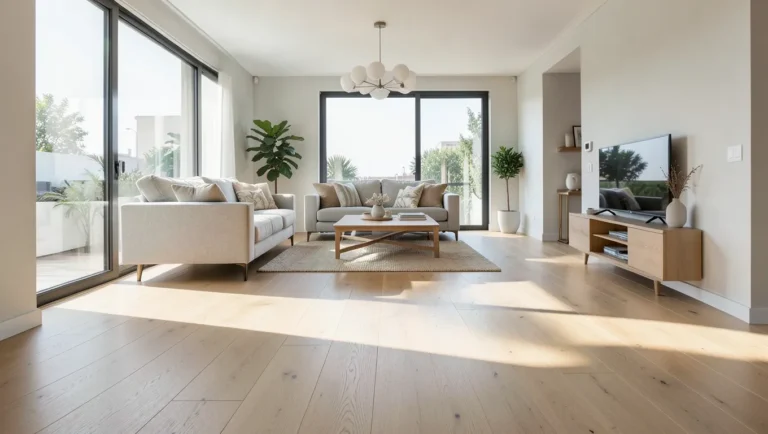
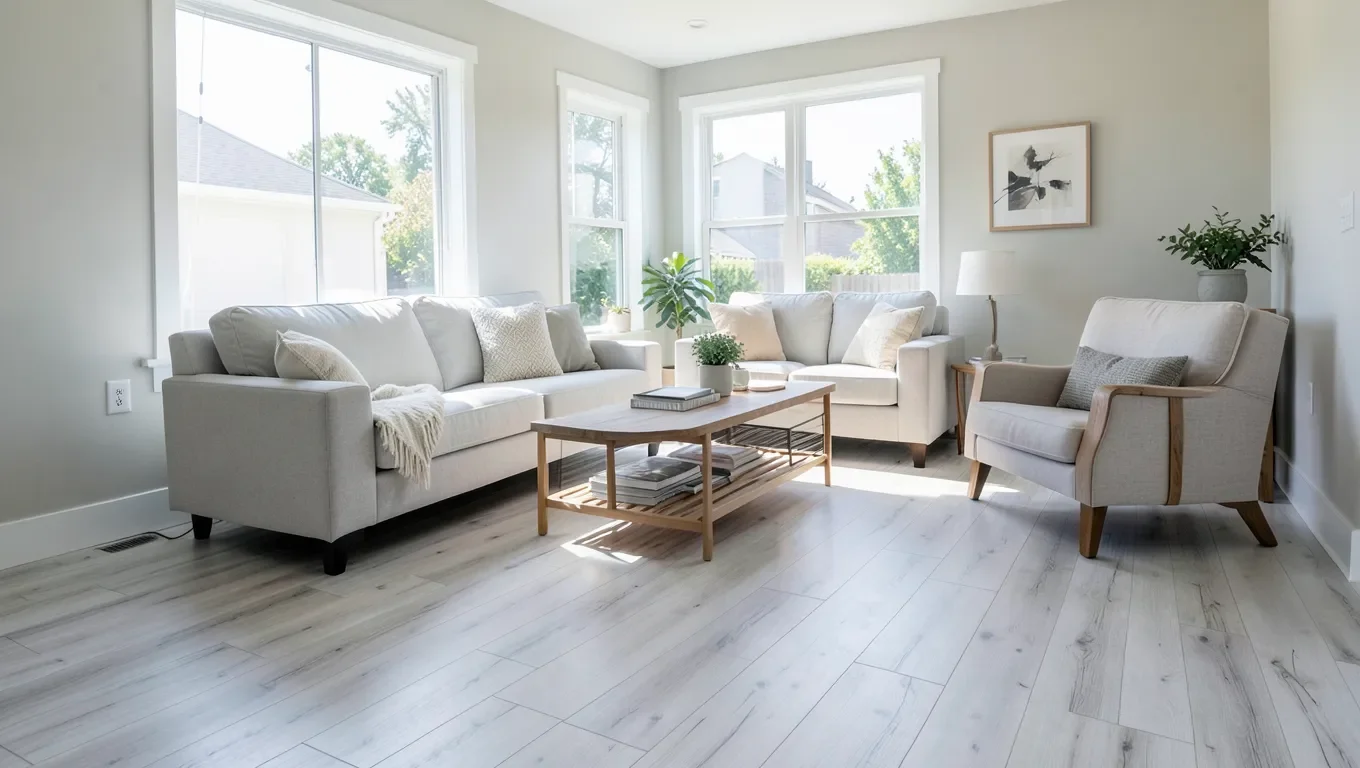
Grey whitewash hardwood floors combine a light, translucent grey finish with the natural grain of the wood underneath, giving a room a soft, weathered look without going fully white or fully grey. The finish works by applying a diluted white or grey pigmented wash over bare or lightly sanded wood, then sealing it with a protective topcoat. Getting an even, non-blotchy result depends more on wood species and dilution ratio than most guides mention – this article covers both, along with real cost ranges, the exact DIY steps, and a stain that’s actually formulated to hold up to foot traffic when topcoated correctly.
What Is a Grey Whitewash Finish?
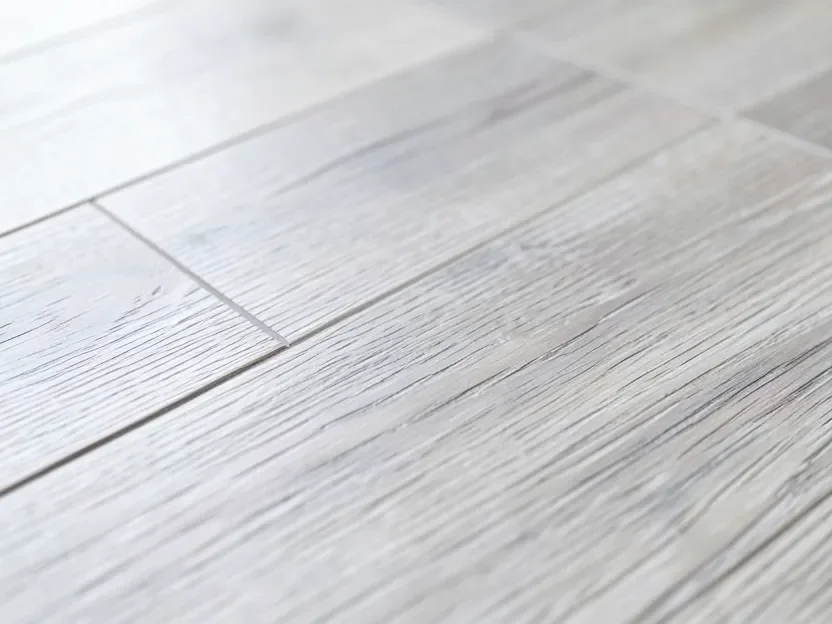
Grey whitewashing is a finishing technique, not a specific product – it describes the result of applying a translucent, grey-tinted wash over wood so the grain stays visible underneath a soft, weathered haze. This is different from a solid-color stain or paint, which saturates the wood fibers and can obscure the grain pattern entirely. A whitewash is typically made from a pickling stain or a heavily diluted paint, tinted with a grey pigment, and wiped back so only a thin layer sits in the wood’s open pores and low spots. The result reads as pale, cool-toned, and slightly weathered – closer to reclaimed barnwood than a painted floor.
Best Weathered-Gray Floor Stain
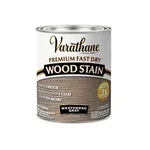 |
Varathane Premium Fast Dry Weathered Gray Wood Stain – $15.97 This is the type of weathered-gray wash base described in this guide’s DIY steps – an oil-based, one-coat formula that highlights the grain instead of hiding it.
|
The process has three stages: prepping the bare wood (sanding to open the grain), applying and controlling the wash (diluting it and wiping back excess so it doesn’t look painted), and sealing it with a clear topcoat rated for floor traffic. Skipping or rushing any one of those three steps is where most DIY whitewash floors go wrong.
Best Wood Species for a Grey Whitewash (and Which to Avoid)
The species of wood underneath matters more than most whitewash guides mention, and it’s the difference between an even, intentional-looking wash and a blotchy one. Open, straight-grained species – white oak, ash, hickory, and maple – absorb a diluted wash evenly because their pores are consistent across the board, so the pigment settles the same way from plank to plank.
Red oak is the one species worth calling out specifically, because it’s the most commonly installed hardwood floor in the U.S. and also the trickiest to whitewash well. It has a warm, pinkish undertone and a coarser, more irregular grain pattern than white oak, and that combination can fight a cool grey wash – the pink can bleed through as a muddy or blotchy tone, especially with a lighter, more diluted wash. It’s not unusable, but it needs a heavier wash (less dilution) and a test patch to confirm the undertone is fully neutralized before doing the whole floor. Pine and other soft, resinous woods are also worth testing first – uneven sap content can cause the wash to absorb unevenly in streaks.
Grey Whitewash vs. a Traditional Grey Stain
These two get confused constantly, and they produce different looks. A traditional grey stain (like a standard oil-based penetrating stain) saturates the wood fibers with pigment and dries to a more uniform, opaque grey – the grain is still visible in the sheen, but the color reads flat and consistent from board to board. A whitewash is deliberately translucent and uneven by design: you can see variation in how much wash settled into each plank’s grain, which is what gives it that reclaimed, lived-in look. If you want a perfectly uniform grey floor, a stain-only approach (no whitewash step) is the more predictable route; a floor paint like the Sherwin-Williams wood floor paint line is a third option if you want full, opaque coverage with zero grain showing at all.
DIY Application: Step-by-Step
Start by sanding the floor down to bare wood, working up to at least 120-150 grit. This step matters more for a whitewash than for a regular stain, because an uneven sand job shows up as blotching once the translucent wash goes on – there’s no opaque color to hide it. Vacuum thoroughly and wipe with a tack cloth before applying anything.
Mix your wash before you commit the whole floor to it. A common starting point with a pickling-stain-based product is roughly a 1:1 ratio of stain to mineral spirits (or water, for a water-based product – check the label), which gives a translucent wash that still shows grain. Going closer to full-strength gives a more opaque, painted look; adding more thinner gives a barely-there grey haze. Always test the mix on a scrap piece or an inconspicuous corner first, since the same ratio looks different on different species.
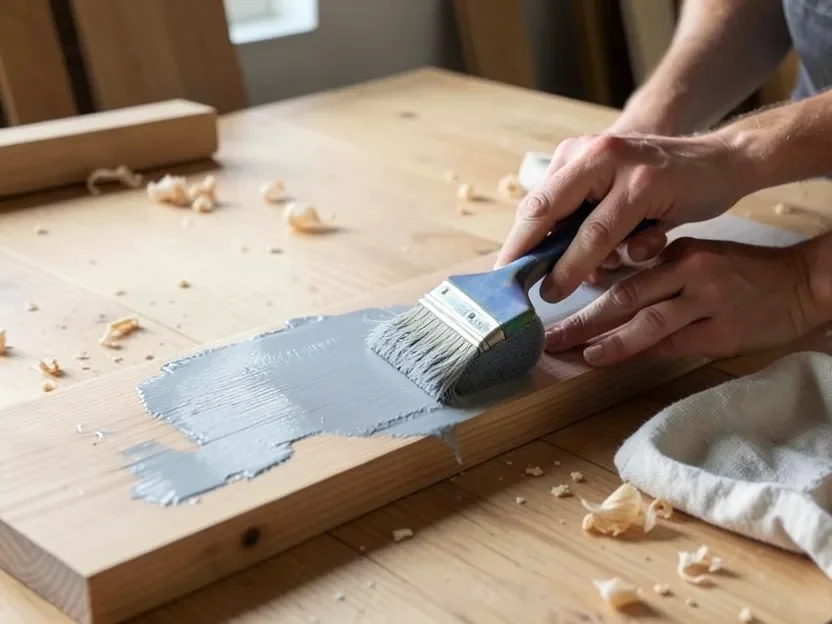
Apply with a brush, foam applicator, or lint-free rag, working in small sections along the grain, then wipe back the excess before it sets so the wood grain stays visible instead of getting buried. Let it dry fully per the product’s label (usually a few hours to overnight), then seal it.
For the topcoat, water-based polyurethane is usually the better call over a grey or whitewashed finish specifically – oil-based polyurethane ambers as it cures and continues to yellow slightly over the years, which can shift a cool grey toward a warm, muddy tone over time. A water-based poly in satin or matte stays clear and keeps the cool grey tone true. Apply at least two coats, sanding lightly with a fine grit between coats, and let each coat cure fully before foot traffic.
Cost of Grey Whitewash Hardwood Floors
Cost depends on the wood species, whether you’re installing new flooring or whitewashing existing floors, and whether you DIY or hire a pro. Basic species like oak or pine typically run $3 to $7 per square foot for materials; premium species like maple or walnut run $8 to $12 per square foot. Full installation adds roughly another $3 to $7 per square foot if you’re hiring it out.
Whitewashing an existing floor yourself is the budget-friendly path, since you’re mainly paying for sandpaper, a wash product, and a topcoat – typically $75 to $150 in supplies for a 200-square-foot room. Hiring a pro to sand and whitewash an existing floor generally runs $1,500 to $3,000 for a medium-sized room, depending on labor rates and how much sanding the existing finish needs.
Maintaining Grey Whitewash Floors
Sweep or vacuum regularly with a soft-bristle attachment to avoid scratching the finish. For deeper cleaning, damp-mop with a cleaner made for hardwood or polyurethane-sealed floors – avoid soaking the floor, since standing water can work into seams and cause cupping or discoloration over time. Use felt pads under furniture legs to prevent dents and drag marks, and blot spills quickly rather than letting them sit.
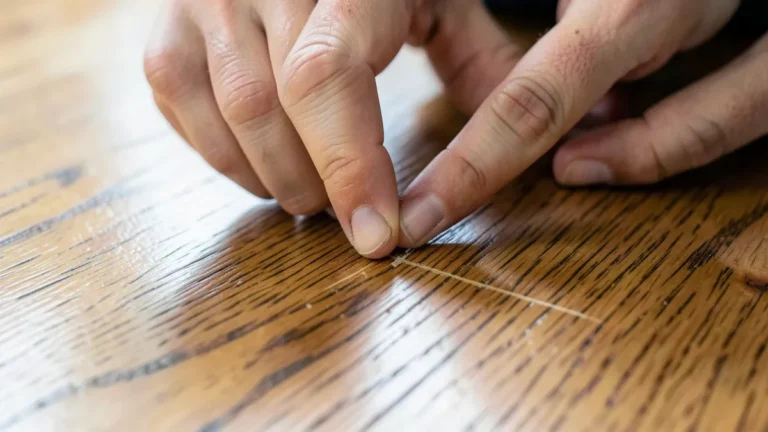
Small scratches can usually be touched up with a bit of matching wash and a dab of topcoat. Larger scuffed or worn areas typically need a light sand and a fresh coat of polyurethane – most whitewashed floors benefit from a maintenance topcoat every few years in high-traffic areas, even if the whitewash itself still looks fine.
Design Ideas to Pair with Grey Whitewash Floors
Grey whitewash floors work as a neutral base for a wide range of styles because the tone is cool but muted, not stark white or dark. For a coastal look, pair them with navy or aqua accents and light linen textiles. For a more modern space, sleek furniture in black or charcoal grey creates contrast against the pale floor. For farmhouse styling, warm wood tones and soft textiles balance the cool undertone of the floor – a reclaimed wood dining table or similar warm-toned furniture piece keeps the room from feeling too cold. Metallic accents in brass or gold also read well against the grey, adding warmth without competing with the floor.
Common Mistakes to Avoid
Skipping or rushing the sanding step is the most common mistake – because the wash is translucent, any unevenness in the wood surface shows through as blotching once the finish is on. Take the time to sand evenly and fully open the grain before applying anything.
Applying the wash too heavily, or not wiping back the excess before it sets, is the second most common issue – the floor ends up looking painted rather than whitewashed, and the natural grain gets buried. Work in thin layers and wipe back excess promptly. Skipping the topcoat, or using too few coats, is the third – an unsealed or under-sealed whitewash wears through quickly in high-traffic areas and won’t hold up the way a fully cured polyurethane topcoat will.
Finally, always test the wash mix on a scrap piece or an inconspicuous corner before committing the whole floor – the same ratio can look noticeably different depending on the wood species and how much sanding was done.
Grey Whitewash Floors in Different Rooms
Grey whitewash floors read well in most rooms because the pale, neutral tone brightens a space without competing with furniture or wall color. In living rooms, they create an open, airy backdrop for bolder furniture or accent colors. In kitchens, the lighter tone makes minor spills and dust less noticeable between cleanings, though a durable topcoat is especially important given the traffic and moisture kitchens see.
Bedrooms tend to feel calmer with a grey whitewash floor paired with soft textiles and layered rugs. Bathrooms are the one room to think through carefully – hardwood isn’t inherently moisture-resistant, so any hardwood floor in a bathroom (whitewashed or not) needs a fully cured, high-quality topcoat and careful attention to ventilation and standing water.
Conclusion
Grey whitewash hardwood floors deliver a soft, weathered look that works across a wide range of home styles, but the result depends heavily on getting the fundamentals right: choosing a species that takes the wash evenly, controlling the dilution ratio, and sealing it with a topcoat that won’t yellow the cool grey tone over time. Test your wash on a scrap piece first, sand thoroughly, and don’t rush the topcoat – those three things separate an even, intentional-looking whitewash from a blotchy DIY attempt.
Frequently Asked Questions
Can I whitewash my existing hardwood floors?
Yes. Sand the existing floor down to bare wood to remove the old finish, apply your diluted grey wash, let it dry, and seal it with a floor-rated polyurethane topcoat. Testing the wash on a hidden corner or scrap piece first is important, since the existing wood’s undertone affects how the grey reads.
How long does it take to whitewash hardwood floors?
For a DIY project, expect a full weekend for an average-sized room when you count sanding, applying the wash, drying time, and two coats of topcoat with dry time between coats. A professional crew can often complete the same work in one to two days since they have commercial sanding equipment and faster-curing products.
Are grey whitewash floors hard to maintain?
No more than any other finished hardwood floor. Regular sweeping or vacuuming and occasional damp-mopping with a hardwood-safe cleaner keeps them looking good. The lighter tone actually hides dust and light scuffs better than a dark stain does, though spills should still be blotted up promptly rather than left to sit.
Will grey whitewash floors go out of style?
Grey and whitewashed wood tones have held up as a consistently popular flooring trend for over a decade because they work as a neutral base for many decorating styles rather than a specific, dated look. That said, all color trends shift eventually – if long-term resale neutrality matters most, a more traditional stain color is the lower-risk choice.
Can I use grey whitewash floors in a bathroom?
You can, but hardwood in a bathroom always carries more risk than in dry rooms, whitewashed or not. It needs a fully cured, high-quality polyurethane topcoat, good ventilation to control humidity, and prompt cleanup of any standing water. Engineered hardwood or a hardwood-look alternative is worth considering if the bathroom sees heavy moisture.
Sponsored / affiliate links. As an Amazon Associate I earn from qualifying purchases. I may earn additional commission from eligible campaigns.