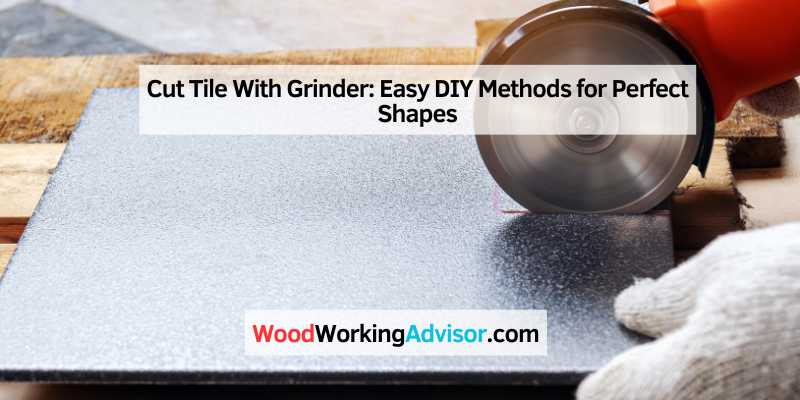
Cut Tile With Grinder: Easy DIY Methods for Perfect Shapes
To cut tile with a grinder, use an angle grinder with a diamond blade for precise results. Follow safety precautions and wear protective gear.
Cutting tiles with a grinder enables you to achieve clean and accurate cuts, making it an essential tool for tile installation and DIY projects. Whether it’s cutting ceramic, porcelain, or stone tiles, a grinder equipped with a diamond blade offers versatility and efficiency.
By understanding the proper techniques and utilizing the right tools, you can achieve professional-looking results when cutting tiles with a grinder. This method allows you to make straight cuts, notches, and even circular holes in various types of tiles, providing flexibility and precision in your tile cutting endeavors.
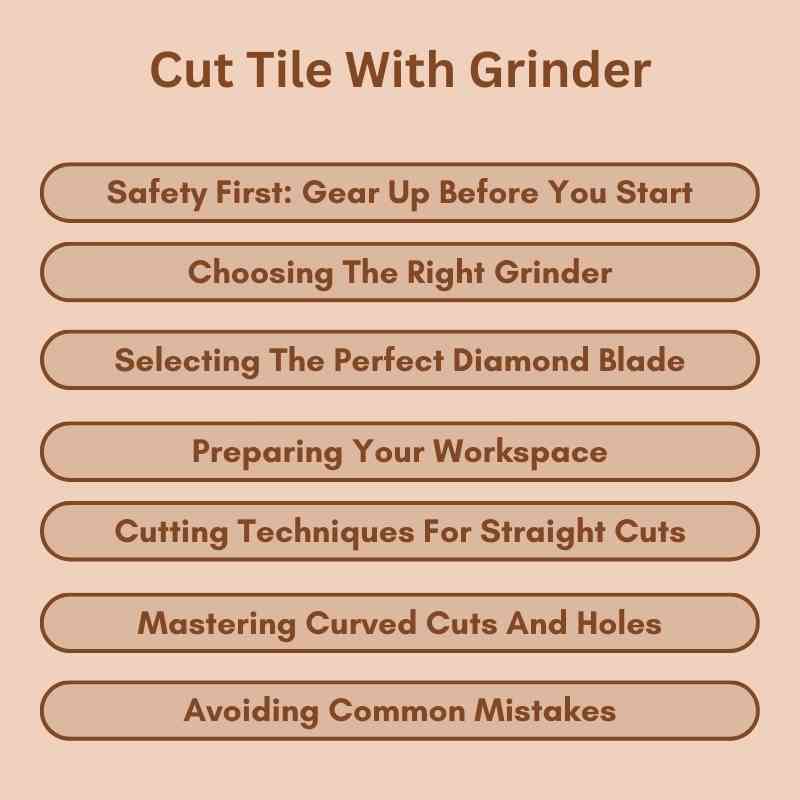
Safety First: Gear Up Before You Start
Before you start cutting tile with a grinder, prioritize safety by gearing up with protective eyewear, gloves, and a mask. Secure the tile firmly and use a continuous smooth motion to avoid chipping or cracking. Always read the manufacturer’s guidelines for the grinder and the tile.
When it comes to cutting tiles with a grinder, your safety should always be a top priority. Before you begin any tile cutting project, it is essential to gear up properly to protect yourself from potential hazards. By following these safety guidelines and wearing the right protective gear, you can ensure a safe and successful tile cutting experience.
Eye Protection
Eye protection is crucial when working with a grinder. The high-speed rotation of the grinder can cause debris and tile fragments to fly in all directions, posing a significant risk to your eyes. To protect your vision, make sure to wear safety goggles that provide full coverage and have impact-resistant lenses. These goggles will shield your eyes from any flying debris and prevent any potential eye injuries.
Hand Gloves
Another essential piece of protective gear when using a grinder is hand gloves. Gloves not only provide a secure grip on the grinder but also protect your hands from any potential cuts or abrasions. It is recommended to wear sturdy and durable gloves that are specifically designed for heavy-duty work. This will ensure that your hands are well-protected and minimize the risk of any accidents or injuries.
Dust Mask
When cutting tiles with a grinder, a significant amount of dust and debris is generated. Inhaling this dust can be harmful to your respiratory system, leading to various health issues. To safeguard your lungs from the harmful particles, it is crucial to wear a dust mask. A well-fitting dust mask with a high filtration rating will effectively filter out the dust particles and provide you with clean and safe air to breathe during the cutting process.
Remember, safety should always be your top priority when using a grinder to cut tiles. By wearing the appropriate protective gear, such as eye protection, hand gloves, and a dust mask, you can minimize the risk of accidents and ensure a safe working environment. So, gear up before you start your tile cutting project and prioritize your safety above all else.
Choosing The Right Grinder
When it comes to cutting tiles with a grinder, choosing the right tool is essential for achieving accurate and clean cuts. With a wide range of grinders available in the market, it can be overwhelming to make the right choice. In this section, we will discuss the types of grinders and factors to consider when selecting the perfect grinder for your tile cutting needs.
Types Of Grinders
There are two main types of grinders commonly used for cutting tiles: angle grinders and tile saws. Let’s take a closer look at each:
| Grinder Type | Description |
|---|---|
| Angle Grinders | Angle grinders are versatile and widely used for various cutting tasks. They are handheld tools with a rotating disc that can be fitted with different types of blades suitable for cutting tiles. Angle grinders are known for their maneuverability and ability to cut through different materials, including ceramic, porcelain, and stone tiles. |
| Tile Saws | Tile saws are specifically designed for cutting tiles and are ideal for larger projects or professional use. They feature a stationary blade that is water-cooled, minimizing the risk of overheating and ensuring clean and precise cuts. Tile saws are commonly used for cutting thicker tiles, such as natural stone tiles. |
Grinder Size And Power
When choosing a grinder for cutting tiles, you should also consider the size and power of the tool. These factors will determine the ease of use and efficiency of your cutting tasks. Here are some key points to keep in mind:
- Size: Grinders come in different sizes, typically ranging from 4 to 9 inches. Smaller grinders are more maneuverable and suitable for smaller tiles, while larger grinders are better for cutting larger tiles or making longer cuts.
- Power: The power of the grinder is measured in amps. Higher amp ratings indicate more power, allowing the grinder to cut through tougher materials. For most tile cutting tasks, a grinder with a power rating between 7 to 10 amps is sufficient.
By considering the types of grinders available and the size and power requirements, you can choose the right grinder that meets your specific tile cutting needs. Whether you opt for an angle grinder or a tile saw, selecting the appropriate tool will ensure precise and efficient cuts, making your tile cutting project a success.
Selecting The Perfect Diamond Blade
When it comes to cutting tiles with a grinder, selecting the perfect diamond blade is crucial. The right blade can make all the difference in achieving clean and precise cuts, while the wrong blade can lead to chipping, uneven edges, and frustration. Here, we’ll dive into the key factors to consider when choosing the ideal diamond blade for your tile cutting needs.
Blade Thickness
Blade thickness plays a significant role in determining the type of cuts you can achieve with your grinder. Thicker blades are suitable for making deep cuts and are ideal for cutting through harder materials such as porcelain and granite. On the other hand, thinner blades are better suited for making precision cuts and are commonly used for cutting ceramic tiles. It’s essential to match the blade thickness with the type of tile you’re working with to ensure the best cutting results.
Dry Vs. Wet Cutting
When it comes to the cutting process, you have the option of dry cutting or wet cutting. Dry cutting involves using the grinder without water, while wet cutting utilizes a water supply to minimize dust and keep the blade cool during the cutting process. While dry cutting offers convenience and is suitable for small projects, wet cutting is preferred for larger tasks as it helps to prolong the blade’s lifespan and prevents overheating. The choice between dry and wet cutting depends on the scale of your project and your preference for convenience versus blade longevity.
Preparing Your Workspace
Before starting to cut tiles with a grinder, it’s crucial to set up a safe and organized workspace. Here are the essential steps for preparing your workspace:
Securing The Tile
When cutting tiles, it’s important to secure them firmly to prevent movement and potential accidents. Use clamps or a stable work surface to hold the tile securely in place.
Marking Your Cut
Precision is key when cutting tiles. Use a pencil or marker to mark the cutting line on the tile’s surface. This will guide your cutting and ensure accuracy.
Cutting Techniques For Straight Cuts
To cut tile with a grinder, use an angle grinder equipped with a diamond blade for precise and smooth straight cuts. Secure the tile in place and carefully guide the grinder to achieve accurate results without chipping. This method is efficient for cutting ceramic, porcelain, and stone tiles.
Scoring The Tile
When it comes to cutting tiles with a grinder, scoring the tile is an effective technique for creating straight cuts. To score the tile, use a tile cutter or a glass cutter to create a shallow groove along the line where you want to make the cut. This will help guide the blade of your grinder and prevent it from wandering off course.
Full Cut Execution
Once you have scored the tile, it’s time to make the full cut. To do this, use your grinder to cut along the scored line, applying gentle pressure and letting the blade do the work. Be sure to wear safety goggles and a dust mask to protect your eyes and lungs from the dust and debris that will be generated.
To ensure a straight cut, keep the blade of the grinder perpendicular to the surface of the tile and move it steadily along the scored line. If you need to make a curved cut, you can gently angle the blade as you move it along the line.
Preventing Chipping
Chipping is a common problem when cutting tiles with a grinder. To prevent chipping, use a tile nipper or a pair of tile pliers to break off any rough or jagged edges that may be left behind after you make the cut. You can also use a diamond blade on your grinder to make the cut, which will help prevent chipping.
Another technique to prevent chipping is to place a piece of masking tape over the area where you plan to make the cut. This will help protect the surface of the tile and prevent it from cracking or chipping.
In conclusion, cutting tiles with a grinder can be a simple and effective technique for creating straight cuts. By scoring the tile and executing the cut with care, you can achieve professional-looking results with minimal effort.
Mastering Curved Cuts And Holes
Mastering curved cuts and holes when cutting tiles with a grinder requires proper technique and the right tools. With an angle grinder and diamond blade, it’s possible to cut perfect circles and holes in stone and ceramic tile quickly and easily.
Cutting Circles
Cutting circles in tiles may seem like a daunting task, but with an angle grinder and diamond blade, it can be done quickly and easily. Start by marking the center of the circle you want to cut on the tile using a pencil or marker. Next, use a clamp to secure the tile in place and make a small notch at the edge of the circle using the angle grinder. This will serve as a guide for the rest of the cut. Slowly and carefully cut along the marked circle, following the notch as a guide. Take breaks as needed to avoid overheating the blade and causing it to wear down too quickly.
Notching Corners
Notching corners in tiles is another common task that can be easily accomplished with an angle grinder. Start by measuring and marking the area you want to cut on the tile. Next, clamp the tile in place and make a small notch at the edge of the marked area using the grinder. This will serve as a guide for the rest of the cut. Slowly and carefully cut along the marked area, following the notch as a guide. Take breaks as needed to avoid overheating the blade and causing it to wear down too quickly.
When cutting tiles, it’s important to take safety precautions to avoid injury. Always wear protective gear such as safety glasses and gloves, and be mindful of your surroundings. Additionally, to prevent chipping, make sure to use a sharp blade and take your time when making cuts. With practice and the right tools, you’ll be able to master curved cuts and holes in no time.
Avoiding Common Mistakes
When using a grinder to cut tiles, it’s essential to be mindful of common mistakes that can lead to tile chipping and overheating. By taking the necessary precautions and employing the correct techniques, you can ensure clean and precise cuts without damaging the tiles. Below are some key strategies to help you avoid these common pitfalls.
Preventing Tile Chipping
Tile chipping can occur when the grinder blade makes contact with the tile surface, leading to unsightly and uneven edges. To prevent this, consider the following tips:
- Use a Sharp Blade: Ensure that the grinder blade is sharp and designed specifically for cutting tiles. A dull blade is more likely to cause chipping.
- Notch the Tile: Before making a full cut, create a small notch in the tile using the grinder. This initial incision reduces pressure during the cutting process and minimizes the risk of chipping.
- Steady Hand: Maintain a steady hand and a consistent cutting speed to control the grinder’s movement and minimize the chances of chipping.
Managing Overheating
Overheating can lead to damage not only to the tiles but also to the grinder itself. It’s important to manage the heat generated during the cutting process to ensure optimal results. Here’s how to prevent overheating:
- Intermittent Cutting: Avoid continuous cutting for extended periods. Take short breaks between cuts to allow the grinder and the tile to cool down.
- Coolant Usage: Consider using a coolant or water to keep the blade and the tile cool during the cutting process. This can help to dissipate heat and reduce the risk of overheating.
- Correct Speed: Ensure that the grinder is set to the appropriate speed for cutting tiles. Excessive speed can generate more heat, leading to overheating.
Post-cutting Tile Finishing
Once you’ve successfully cut the tiles to fit your space, it’s time to focus on the post-cutting tile finishing to achieve a professional and polished look. This stage involves smoothing the edges and thoroughly cleaning up the tiles to ensure a seamless and aesthetically pleasing result.
Smoothing The Edges
After cutting the tiles with a grinder, it’s essential to smooth the edges to eliminate any sharp or jagged edges that could detract from the overall appearance. You can achieve this by using a diamond hand pad or sanding stone to gently smooth the edges of the cut tiles. Make sure to work in a circular motion to gradually refine the edges until they are smooth to the touch.
Cleaning Up
Once the edges are smooth, the next step in the post-cutting tile finishing process is thoroughly cleaning up the tiles. Begin by removing any residual dust or debris from the cutting process using a damp cloth or sponge. Then, inspect the tiles for any remaining marks or stains and use a mild detergent or tile cleaner to remove them, ensuring that the tiles are spotless and ready for installation.
Advanced Tips For Complex Shapes
When it comes to cutting complex shapes in tile, using a grinder can be a game-changer. With the right techniques and tools, you can achieve precise and clean cuts that are essential for intricate designs. In this section, we will explore advanced tips for cutting complex shapes with a grinder.
Dealing With Mosaic Tiles
Mosaic tiles are known for their small size and intricate patterns, making them a popular choice for backsplashes and decorative accents. However, cutting mosaic tiles can be challenging due to their delicate nature. Here are some tips to help you cut mosaic tiles with a grinder:
- Start by marking the cut line on the tile using a pencil or marker. This will guide your cutting process.
- Use a diamond blade specifically designed for cutting mosaic tiles. These blades have a fine grit that prevents chipping and ensures a smooth cut.
- Place the mosaic tile on a stable surface and secure it with clamps or a tile adhesive. This will prevent the tile from moving during the cutting process.
- Slowly and steadily guide the grinder along the marked cut line. Apply light pressure to avoid damaging the tile.
- After the cut is complete, use a tile file or sandpaper to smooth any rough edges.
Cutting Around Obstacles
When installing tiles in a room, you may come across obstacles such as electrical outlets, pipes, or irregular shapes. Cutting tiles to fit around these obstacles requires precision and careful planning. Here are some tips for cutting tiles around obstacles with a grinder:
- Measure the dimensions of the obstacle and transfer them onto the tile. Use a straight edge to create straight lines and a compass or template for curved shapes.
- Before making the actual cut, practice on a scrap tile to ensure the correct measurements and angles.
- Make small, incremental cuts rather than trying to remove the entire section at once. This will minimize the risk of damaging the surrounding tiles.
- Use a grinder with a smaller blade or a tile nipper for intricate cuts and tight corners.
- Always wear safety goggles and gloves when cutting tiles to protect yourself from flying debris.
By following these advanced tips for cutting complex shapes with a grinder, you can elevate your tile installation projects to a whole new level. Remember to practice caution and take your time to achieve the desired results. Happy cutting!
Maintenance Of Your Tools
Maintaining your tools is crucial for effective tile cutting with a grinder. By regularly cleaning and sharpening the grinder blade, you can ensure precise and smooth cuts without chipping or cracking the tiles. Additionally, storing the grinder in a dry and secure place will prolong its lifespan and ensure optimal performance.
Cleaning Your Grinder
Maintaining a clean grinder is essential for optimal performance and longevity. Regular cleaning not only ensures that your grinder functions efficiently but also prevents the accumulation of debris that can affect the quality of your tile cuts. Here are some simple steps to clean your grinder:
- Unplug the grinder and remove the blade.
- Use a brush to remove any loose debris from the grinder, paying extra attention to the blade guard and the area around the blade.
- Wipe down the grinder with a damp cloth to remove any remaining dirt or dust.
- Inspect the blade for any signs of damage or wear. If necessary, replace the blade with a new one.
- Reassemble the grinder and ensure that all components are securely in place.
By regularly cleaning your grinder, you can maintain its performance and ensure accurate cuts every time.
Blade Replacement
Over time, the blade on your grinder may become dull or damaged, resulting in less precise cuts. Knowing when to replace the blade is crucial for maintaining the quality of your tile cuts. Here’s how to replace the blade on your grinder:
- Unplug the grinder and remove the existing blade.
- Take note of the direction of the arrow on the new blade, as this indicates the correct rotation.
- Align the new blade with the spindle of the grinder and secure it in place according to the manufacturer’s instructions.
- Tighten the blade using the appropriate tool, ensuring it is securely fastened.
- Double-check that the blade is correctly installed before using the grinder.
Regularly replacing the blade on your grinder will help maintain the sharpness and effectiveness of your cutting tool, resulting in clean and precise tile cuts.
Alternative Tile Cutting Methods
When it comes to cutting tiles, using a grinder is a popular method due to its versatility and ease of use. However, there are alternative tile cutting methods that you can consider depending on your preferences and the specific requirements of your project. In this article, we will explore two common alternative tile cutting methods: manual tile cutters and wet saws.
Manual Tile Cutters
Manual tile cutters are a traditional and cost-effective option for cutting tiles. These handheld tools are designed to score and snap tiles with precision, allowing you to achieve clean and accurate cuts. Manual tile cutters are particularly suitable for ceramic tiles and straight cuts. They are easy to use and require minimal skill.
Here are a few key advantages of using manual tile cutters:
- Cost-effective option for small to medium tile cutting projects.
- Portable and lightweight, making them easy to transport and use on-site.
- Ability to make straight, accurate cuts without the need for electricity or water.
However, manual tile cutters may have limitations when it comes to cutting certain types of tiles, such as porcelain or glass. Additionally, they may not be suitable for complex or curved cuts.
Wet Saws
Wet saws are another popular alternative for cutting tiles, especially for larger projects or when dealing with more challenging materials. These power tools use a diamond blade and water to cool the blade and reduce dust, resulting in clean and precise cuts.
Here are some advantages of using wet saws for tile cutting:
- Suitable for a wide range of tile materials, including porcelain, ceramic, and stone.
- Capable of making both straight cuts and intricate shapes or angles.
- Provides smooth and clean cuts, reducing the risk of chipping or cracking.
- Water cooling system minimizes dust and keeps the blade cool, increasing its lifespan.
However, wet saws do have some drawbacks. They tend to be larger and heavier than manual tile cutters, making them less portable. Additionally, they require a water source and electricity, which may not be available in all situations.
When choosing between manual tile cutters and wet saws, consider the specific requirements of your project, the types of tiles you are working with, and your budget. Each method has its own advantages and limitations, so it’s essential to assess your needs before making a decision.
Wrapping Up: Review And Practice
Cutting tile with a grinder is a practical and efficient method. With the right tools and techniques, you can achieve precise cuts without chipping or cracking the tile. Learn how to use an angle grinder and diamond blade to cut tiles effortlessly in our comprehensive guide.
Recap Of Steps
Cutting tiles with a grinder can be a daunting task, but it is definitely doable with the right tools and techniques. To recap the steps involved in cutting tiles with a grinder, start by securing the tile to a stable surface, marking the cut line, and attaching a diamond blade to the grinder. Then, turn on the grinder and carefully make the cut along the marked line, applying light pressure and being mindful of safety precautions. Finally, use sandpaper or a tile file to smooth out any rough edges.
Practice For Perfection
As with any new skill, practice makes perfect when it comes to cutting tiles with a grinder. To hone your technique, consider practicing on some scrap tiles before attempting to cut your actual project tiles. This will allow you to get comfortable with the tool, test out different cutting angles and pressures, and make any necessary adjustments before working on your final product.
When practicing, remember to always wear appropriate safety gear, including eye and ear protection and a dust mask. Additionally, take breaks as needed to avoid fatigue and maintain focus.
With time and practice, cutting tiles with a grinder can become a smooth and efficient process, allowing you to achieve professional-looking results for your tiling projects.

Frequently Asked Questions
Can I Use A Grinder To Cut Tile?
Yes, you can use a grinder to cut tile. However, it is important to use an angle grinder with a diamond blade for the best results. Make sure to follow safety precautions and wear protective gear when cutting tile with a grinder.
How To Stop Ceramic Tiles Chipping When Cutting?
To prevent ceramic tiles from chipping when cutting, use a diamond blade on a tile cutter or wet saw. Go slow and steady to avoid applying too much pressure. Additionally, scoring the tile before cutting can help prevent chipping. Keep the blade wet to reduce friction and prevent heat buildup.
How To Cut Tile Without Cracking?
To cut tile without cracking, notch the tile before making the full cut to reduce pressure and prevent cracking. Use a saw to create a small notch in the tile before cutting. This technique helps to minimize the risk of cracking during the cutting process.
What Is The Best Method To Cut Tile?
The best method to cut tile depends on the type of tile and the desired cuts. Glass cutters and carbide-tipped pencils work for simple cuts on a few tiles. For ceramic tiles and straight cuts, manual cutters are sufficient. However, for more complex cuts, using an angle grinder with a diamond blade is recommended.
Remember to notch the tile before fully cutting to prevent cracking.
Conclusion
Cutting tiles with a grinder can be a cost-effective and efficient method, but it requires proper technique and safety precautions. Always wear protective gear and follow the guidelines provided by the manufacturer. Notching the tile before cutting and using a diamond blade can help prevent chipping and cracking.
With practice and patience, anyone can master the art of cutting tile with a grinder and achieve professional-looking results.