Williams Sonoma Wood Cutting Boards: End-Grain vs. Edge-Grain
Williams Sonoma sells wood cutting boards in three main construction types – end-grain, edge-grain, and specialty sets – made from walnut, maple, or acacia. End-grain boards are the most durable and knife-friendly, edge-grain boards are lighter and more affordable, and the wood species you choose affects both price and how well the board resists knife marks over time.
End-Grain vs. Edge-Grain: Which Construction to Buy
Best End-Grain Board Value
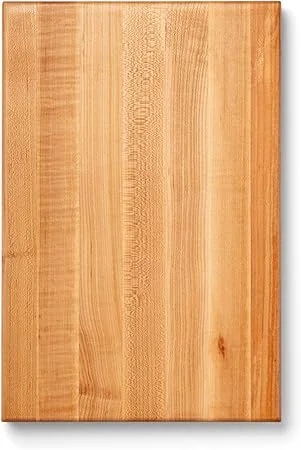 |
John Boos Maple Edge-Grain Board – $94.95 A real, industry-standard edge-grain board from one of the oldest US cutting-board makers, reversible with finger grips.
|
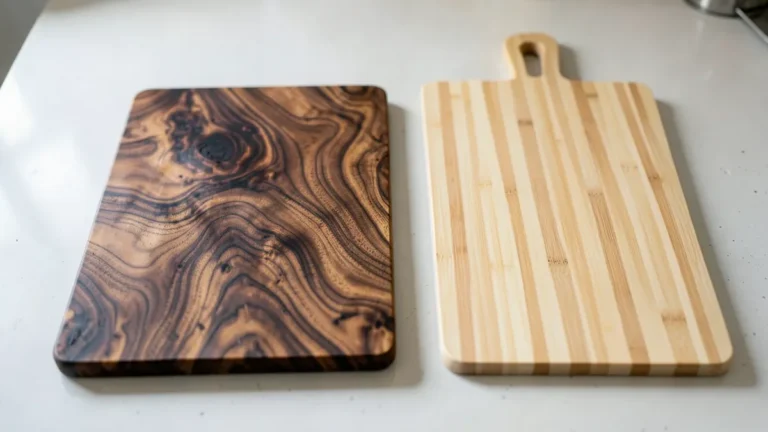
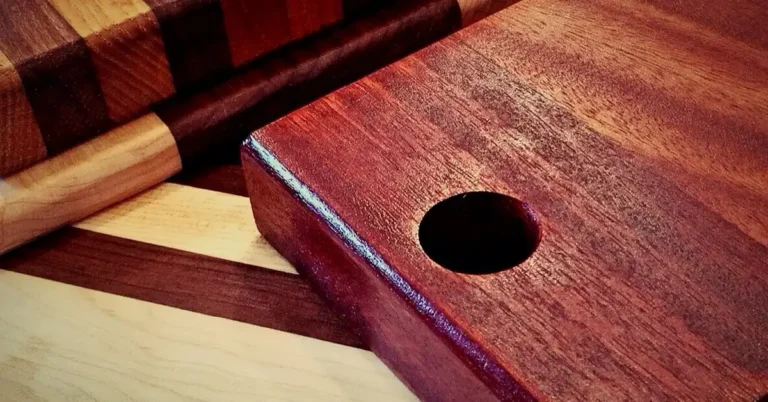
End-grain boards are built by gluing wood blocks together so the grain faces upward, creating the checkerboard pattern many premium boards are known for. Cutting into the end of the wood fibers, rather than across them, lets the fibers separate slightly and close back up around the knife edge – this is why end-grain boards are noticeably gentler on knife blades and more resistant to visible knife marks than edge-grain boards. The tradeoff is weight, thickness, and price: end-grain construction takes more material and labor to produce.
Edge-grain boards are made by gluing wood strips together with the long side of the grain exposed. They’re lighter, generally more affordable, and still plenty durable for everyday prep – chopping vegetables, fruit, cheese – though they show knife marks more readily than end-grain over time. Carving boards, which add a perimeter groove to catch meat juices, are usually built edge-grain since the groove is easier to route into a flat-grain surface.
| Type | Best For | Pros | Cons |
|---|---|---|---|
| End-Grain | Heavy-duty chopping, professional use | Durable, knife-friendly, self-healing surface | Expensive, heavy, needs regular maintenance |
| Edge-Grain | Everyday prep, serving | Affordable, lightweight, attractive | Shows knife marks more easily |
| Carving Board | Roasting meats, poultry | Juice groove, sturdy, good for presentation | Less versatile for non-carving tasks |
| Specialty Set | Multi-tasking, small kitchens | Versatile, multiple sizes | Individual boards thinner than a single large board |
Walnut, Maple, or Acacia: Comparing the Wood
The wood species matters as much as the construction style. Walnut has a dark, tight grain and is a common choice for a statement board, though its color makes light scratches show more visibly than on lighter woods. Maple is a longtime cutting-board standard – it’s dense and durable, with a tight, closed grain that resists bacteria absorption well when properly maintained; the tradeoff is that maple’s hardness is slightly less forgiving on knife edges than walnut. Acacia is generally the most affordable of the three and has striking, varied grain patterns, but individual acacia boards can vary more in hardness and grain tightness than a consistently-milled walnut or maple board, since acacia is often a mix of related species sold under one name.
Choosing the Right Board for Your Kitchen
Match the board type to how you actually cook: a serious daily-chopping habit favors a thick end-grain board, while occasional prep and serving is well served by a lighter edge-grain board or a multi-piece specialty set. Size matters more than it seems – measure your available counter and storage space before buying, since an oversized board that doesn’t fit your workflow ends up in a cabinet rather than on the counter. Price for real hardwood end-grain boards from established brands generally runs $80-$300+ depending on size and wood; edge-grain boards can start well under $50.
Caring for a Wood Cutting Board
Cleaning
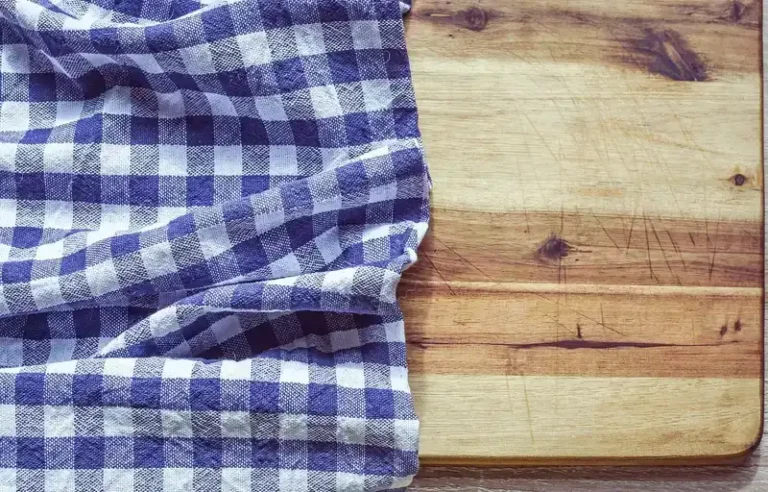
Wash by hand with mild dish soap, warm water, and a soft sponge – never soak the board or run it through a dishwasher, both of which can warp or crack the wood by forcing water unevenly into the grain. Dry immediately with a clean towel rather than letting it air-dry lying flat, so both sides lose moisture at roughly the same rate.
Oiling
Apply food-grade mineral oil every few weeks, or whenever the surface starts to look dry or pale. Spread a thin, even coat, let it soak in for several hours or overnight, then wipe off any excess that hasn’t absorbed. Some boards benefit from an occasional mineral-oil-and-beeswax conditioning blend for extra moisture resistance.
Preventing and Fixing Warping
Warping happens when one face of the board absorbs or loses moisture faster than the other. Always dry both sides evenly after washing and store the board standing upright rather than flat, which lets air reach both faces equally. If a board does start to bow, placing it convex-side-up in a humid spot (like propped near a running dishwasher) and letting it slowly reabsorb moisture on the concave side can sometimes flatten it back out.
Wood Boards vs. Other Materials and Brands
Compared to plastic or composite boards, real wood is gentler on knife edges and, when properly dried between uses, has natural antimicrobial properties that plastic doesn’t. Among wood-board makers, John Boos is a long-established name particularly known for thick end-grain construction; other established brands (Boardsmith, Ironwood) compete at different price points with their own construction styles. Board quality within a brand’s own lineup can vary by specific product line, so compare the actual construction type and wood species rather than assuming all boards from one retailer perform identically.
Getting More Life Out of Your Board
- Designate separate boards (or separate sides of one board) for raw meat and produce to reduce cross-contamination.
- Keep a smaller board on hand for quick jobs like slicing citrus or chopping herbs, saving wear on a larger board.
- Use a non-slip mat or damp towel underneath a board without built-in feet, especially during heavy chopping.
- A well-maintained board can double as a serving piece for cheese and charcuterie – just wash it thoroughly with soap afterward before using it for raw food prep again.
Frequently Asked Questions
What’s the difference between end-grain and edge-grain cutting boards?
End-grain boards have the wood grain facing up, making them more durable and knife-friendly. They’re great for heavy chopping but need more care. Edge-grain boards have the grain running lengthwise, are lighter, and are better for everyday tasks. They’re easier to maintain but show knife marks more.
How often should I oil a wood cutting board?
Oil it every few weeks, or whenever it looks dry. Use food-grade mineral oil, apply a thin layer, let it soak overnight, and wipe off any excess. Regular oiling keeps the wood hydrated and helps prevent cracking.
Can I put a wood cutting board in the dishwasher?
No. Dishwashers can warp or crack wooden boards through prolonged water exposure and high heat. Wash them by hand with mild soap and warm water, then dry them right away.
If you value durability, a knife-friendly surface, and something that doubles as a serving piece, yes – a well-made end-grain board can last decades with basic care. If budget is the priority, a solid edge-grain board or a more affordable wood species like acacia still performs well for everyday use.
How do I prevent my cutting board from warping?
Dry both sides evenly after washing, and never soak it. Store it upright in a dry spot. If it starts to bend, place it convex side up and let it air out. Regular oiling also helps.
Which wood is best for a cutting board: walnut, maple, or acacia?
It depends on your needs. Walnut is stylish and durable but pricier and shows light scratches more. Maple is very tough and a classic choice for heavy use. Acacia is generally the most affordable and has striking grain, but can vary more in hardness between individual boards. Pick based on your budget and how hard you plan to use it.
Conclusion
A quality wood cutting board is a genuine long-term kitchen investment when matched to how you actually cook: end-grain for daily heavy chopping, edge-grain for lighter everyday prep, and wood species chosen by budget and how much light scratching you’re willing to tolerate. Basic care – hand-washing, regular oiling, and upright dry storage – is what actually determines whether a board lasts years or warps within months.
Sponsored / affiliate links. As an Amazon Associate I earn from qualifying purchases. I may earn additional commission from eligible campaigns.