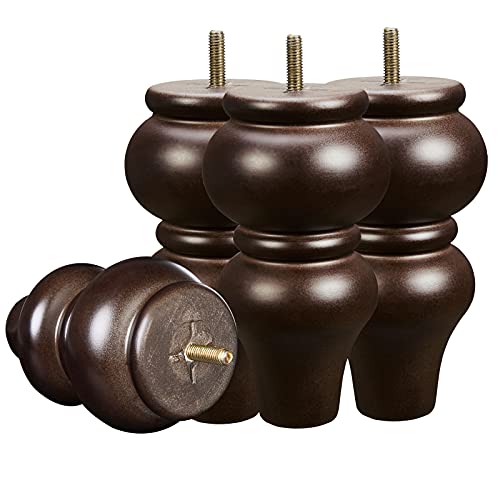
Is Douglas Fir Good for Furniture? 620 Janka, Dents & Staining
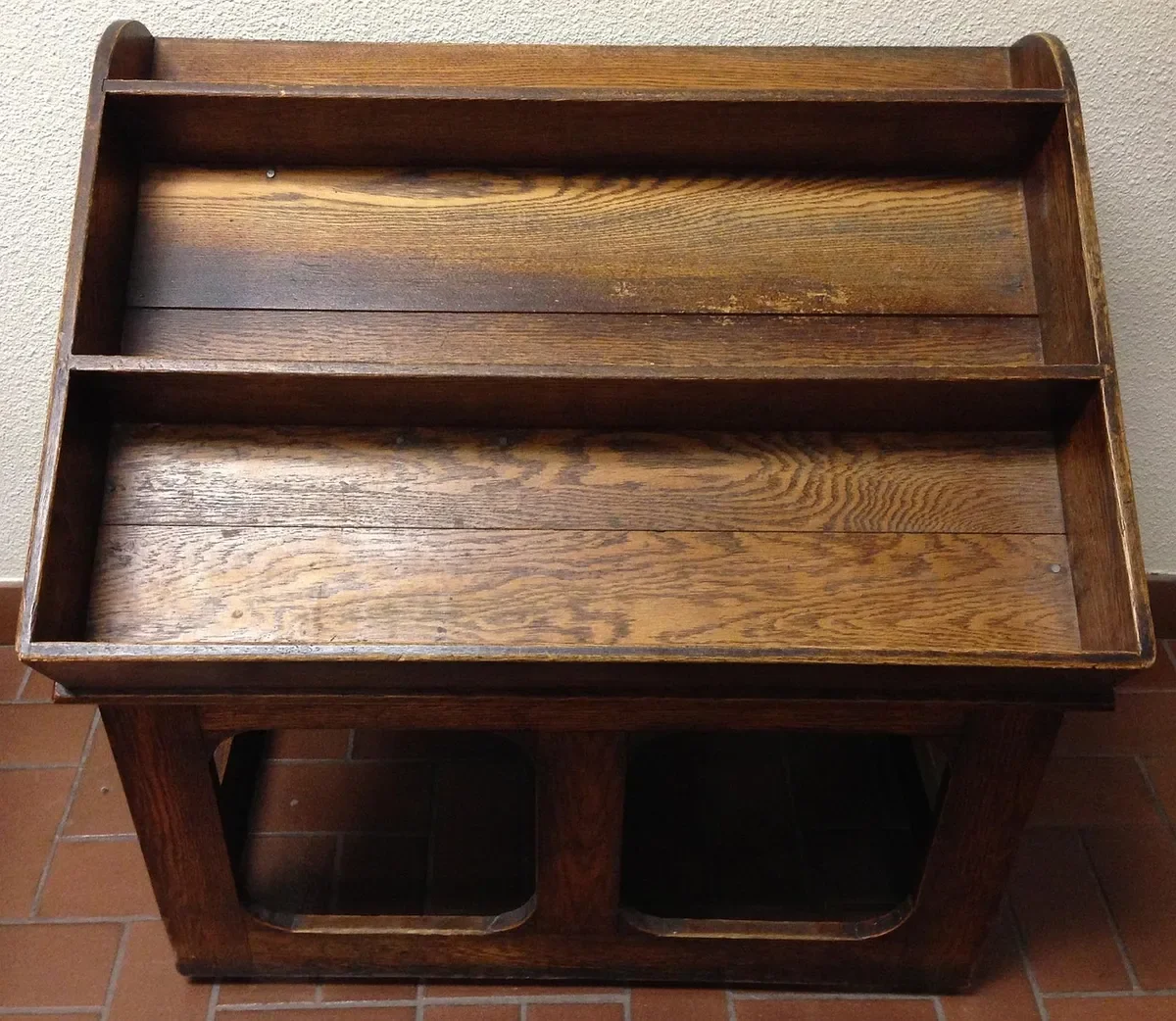
Douglas fir is good for furniture that will not take daily abuse: bed frames, bookcases, benches, and Craftsman or farmhouse pieces. At 620 lbf on the Janka scale it dents far more easily than oak, and it can stain blotchy. This guide covers the hardness numbers, how to stain it, and which pieces to build.
The Short Answer: Good Value, Soft Surface
BEST STAIN PREP PICK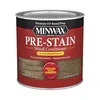 |
Minwax Pre-Stain Wood Conditioner, Clear (1/2 Pint), $6.56
|
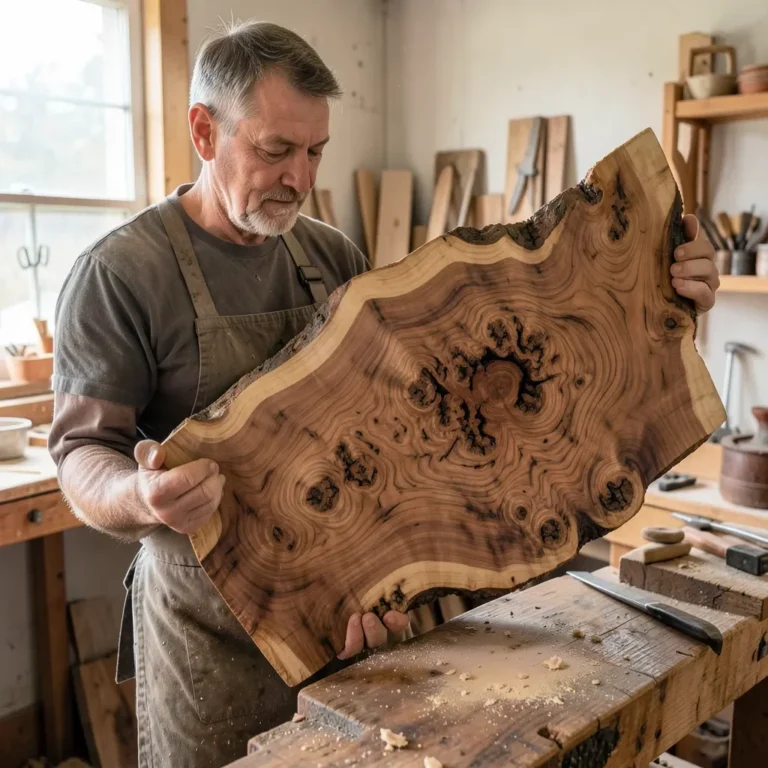
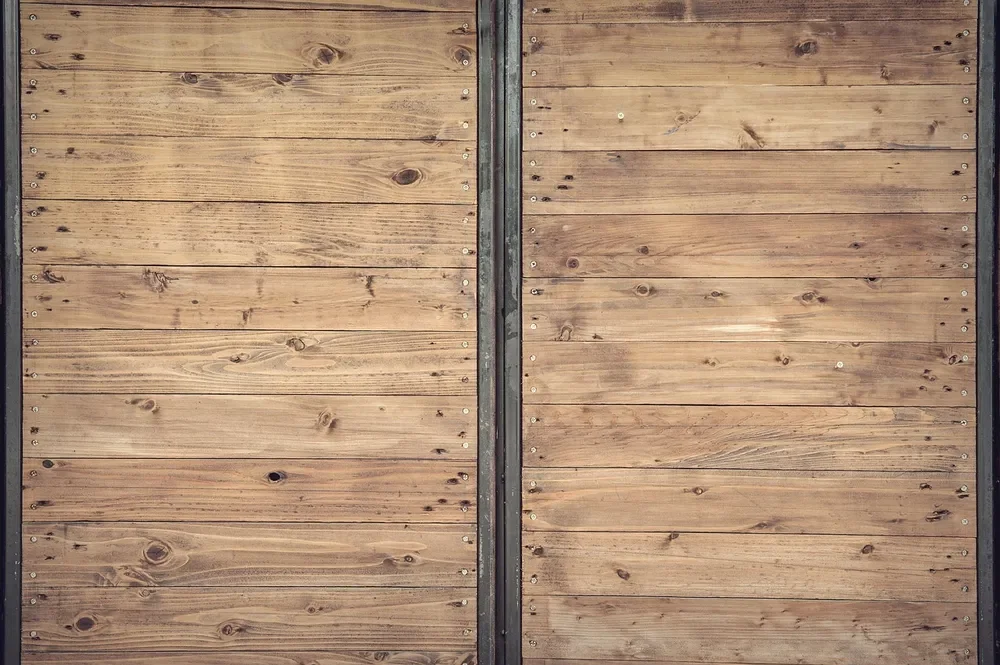
Douglas fir has a straight to slightly wavy grain, a light brown color with a hint of red or yellow, and darker growth rings, according to the Wood Database. It is sold widely as construction lumber at a modest price, which makes it one of the cheapest ways to build large, sturdy furniture.
The trade-off is surface hardness. Anything that gets set down hard, dragged, or dropped will leave a mark. If you accept that softwood furniture picks up a lived-in patina, Douglas fir is a great pick. If you want a showroom finish that stays flawless for decades, choose a hardwood.
Douglas Fir vs Common Furniture Woods, By the Numbers
Most articles on this topic say Douglas fir is “strong and durable” without a single number. Here are the figures from the Wood Database, all measured at 12 percent moisture content:
| Wood | Janka hardness | Dried weight | Modulus of rupture |
|---|---|---|---|
| Eastern white pine | 380 lbf | 25 lbs/ft3 | 8,600 psi |
| Douglas fir | 620 lbf | 32 lbs/ft3 | 12,500 psi |
| White oak | 1,350 lbf | 47 lbs/ft3 | 14,830 psi |
| Hard maple | 1,450 lbf | 44 lbs/ft3 | 15,800 psi |
Two things stand out. First, Douglas fir is about 63 percent harder than eastern white pine (620 versus 380 lbf), so it is a clear step up from the pine used in most budget furniture. Second, it is only about 46 percent as hard as white oak (620 versus 1,350 lbf), so expect a tabletop to dent much more easily than oak.
Strength is a different story. Its modulus of rupture of 12,500 psi is about 84 percent of white oak’s 14,830 psi. That is why a Douglas fir bed frame, shelf, or bench holds weight well even though its surface marks easily. Strength and dent resistance are separate properties, and this is the myth most competing pages blur together.
How Much Will It Dent?
Janka hardness measures how much force it takes to press a steel ball into the wood, so it is a direct proxy for dents. At 620 lbf, a dropped pan or a heavy ring can leave a visible mark on a fir tabletop.
Growth rings make it uneven. Douglas fir has a sharp density shift between the soft early wood and the harder late wood, so a dent shows up more in the soft bands and follows the ring pattern. Rustic, farmhouse, and Craftsman styles hide this well, because scuffs read as character.
Which Furniture Suits Douglas Fir?
| Piece | Verdict | Why |
|---|---|---|
| Bed frames and headboards | Great | Load matters more than surface hardness, and strength is good |
| Bookcases and shelving | Great | Low surface contact, and it holds weight across spans |
| Benches and entry tables | Good | Expect some marks, which suit a casual look |
| Workbenches | Good | Cheap and sturdy, and dents do not matter |
| Dining tables | Fair | Works with a hard film finish and a tolerance for dents |
| Kitchen counters and chair seats | Poor | Heavy daily wear makes a harder wood a better choice |
For dining tables, a hard film finish such as polyurethane protects the surface from scratches, though it cannot stop the wood underneath from denting. If you want the look of fir on a high-wear piece, use it for the base and frame, and choose a harder wood for the top.
Does Douglas Fir Warp? Wood Movement Numbers
The old claim that Douglas fir “resists warping” is only half true. Like every wood, it moves as humidity changes. The Wood Database lists shrinkage from green to oven dry of 4.5 percent radial, 7.3 percent tangential, and 11.6 percent volumetric, with a T/R ratio of 1.6. That ratio is moderate, which means it is reasonably stable when dried well, but a wide flat-sawn panel will still cup and shift across the seasons.
| Shrinkage measure | Douglas fir |
|---|---|
| Radial | 4.5% |
| Tangential | 7.3% |
| Volumetric | 11.6% |
| T/R ratio | 1.6 |
In practice, this means you should let boards acclimate in your shop before cutting, allow for movement in wide tabletops with breadboard ends or figure-eight fasteners instead of gluing them rigidly, and prefer narrower boards glued into a panel over a single wide plank.
Construction Lumber or Furniture Stock?
Most Douglas fir is sold as framing lumber, and it can work for furniture if you pick carefully. Hardware store studs and 4×4 posts are cheap, but they are often sold at higher moisture content and include pith and knots. Lumberyard boards labeled clear, select, or vertical grain cost more but need less sorting and give a cleaner face. For a bookcase or workbench, framing lumber is fine. For a dining table or a piece you plan to stain, pay for better boards.
Working With Douglas Fir
According to the Wood Database, Douglas fir typically machines well but has a moderate blunting effect on cutters, so sharp blades matter. It accepts glues and finishes well, so joinery with wood glue is reliable.
- Buy kiln-dried, straight boards. Construction lumber is the cheapest source but often has wane, wet spots, and twist, so sort through the pile.
- Choose vertical grain boards (tight, straight lines on the face) for tabletops when you can, since they show fewer wild ring patterns.
- Pre-drill near board ends before driving screws to reduce splitting.
Dust and resin deserve respect. The Wood Database notes a distinct resinous odor while working it and reports skin irritation, nausea, giddiness, and a runny nose from Douglas fir. Wear a dust mask, ventilate the shop, and wash off sawdust.
How to Stain Douglas Fir Without Blotches
Staining is where most people are disappointed. The sharp difference in density between early wood and late wood means the soft bands soak up stain and the hard bands do not, which gives a striped, uneven result.
- Use a pre-stain wood conditioner before oil-based stain. Minwax, for example, sells one made for pine, fir, and spruce, and you can stain right after applying it.
- Try a gel stain. Gel stains sit on the surface and reduce blotching compared with thin liquid stains.
- Consider hide glue sizing as a traditional fix, applied thinly before staining.
- Test on a scrap from the same board, because blotching can still occur even with a conditioner.
For a full walkthrough, see our guide on how to stain Douglas fir. If you would rather skip staining, a clear oil or clear coat keeps the natural light brown color. Our advice for finishing pine wood applies to fir as well, because both are softwoods.
Douglas Fir for Outdoor Furniture
Some sources call Douglas fir water resistant. That is too generous. The Wood Database rates the heartwood as moderately durable against decay and susceptible to insect attack, so outdoor pieces need a good exterior finish and regular upkeep. Read our full guide on Douglas fir for outdoor use before building a patio set.
Douglas Fir vs Other Softwoods
If you are choosing between softwoods, compare Douglas fir with other options in our cedar vs pine breakdown, learn why Douglas fir counts as a softwood, and browse our types of wood guide for more species.
Keeping Douglas Fir Furniture Looking Good
- Use felt pads under objects, coasters, and placemats to spread out pressure and prevent dents.
- Wipe up spills promptly, since a scratched or worn film finish lets moisture reach the wood.
- Dust with a soft cloth and use a mild cleaner instead of harsh chemicals.
- Refinish worn areas as needed, since softwood can be sanded and recoated easily.
Frequently Asked Questions
Is Douglas fir strong enough for furniture?
Yes. Its modulus of rupture is 12,500 psi, about 84 percent of white oak’s 14,830 psi, so it carries loads well in beds, shelves, and benches. Its weakness is surface hardness, not strength.
Is Douglas fir harder than pine?
It is harder than eastern white pine (620 versus 380 lbf on the Janka scale) but softer than oak (1,350 lbf) and maple (1,450 lbf). Other pine species vary, so check the exact species you are buying.
Does Douglas fir stain well?
Not evenly by default. The soft early wood absorbs more stain than the hard late wood, which causes blotching. A pre-stain conditioner or gel stain, plus a scrap test, gives much better results.
Is Douglas fir cheap for furniture making?
It is widely available as construction lumber at a modest price, according to the Wood Database, which makes it a budget-friendly choice for large pieces. Furniture-grade, clear vertical grain boards cost more than framing lumber.
Can I use Douglas fir for a dining table?
You can, with realistic expectations. Use a hard film finish and accept that it will dent more than oak. Many builders use fir for the base and pick a harder wood for the top.
Conclusion
Douglas fir is a strong, affordable, good-looking softwood that suits beds, shelves, benches, and rustic or Craftsman furniture. Its 620 lbf hardness means it will dent, and it needs conditioner or gel stain to color evenly. Match it to the right project and it is one of the best-value furniture woods you can buy.
Sponsored / affiliate links. As an Amazon Associate I earn from qualifying purchases. I may earn additional commission from eligible campaigns.