Dark Walnut Vs Provincial Stain On Red Oak: Proven Winner
For a timeless, warm look that enhances red oak’s beautiful grain, Provincial is the proven winner. It provides a classic, medium-brown finish that feels welcoming and traditional. Dark Walnut creates a more modern, dramatic look by hiding the oak’s red tones, but Provincial’s ability to highlight the natural wood character makes it a favorite for most projects.
Picking the right stain for your red oak project can feel overwhelming. You stand in the hardware store, looking at a wall of color chips. They all look great, but how will they look on your floor, your table, or your cabinets? It’s a common problem that can stop a project right in its tracks. You worry about choosing the wrong one and having to live with it for years.
Don’t worry, I’m here to help. We are going to break down two of the most popular choices: Dark Walnut and Provincial. I’ll walk you through how each one looks on red oak, what styles they fit best, and how you can confidently choose the perfect one for your home. We’ll make this decision simple and fun, I promise!
Understanding Red Oak: The Perfect Canvas
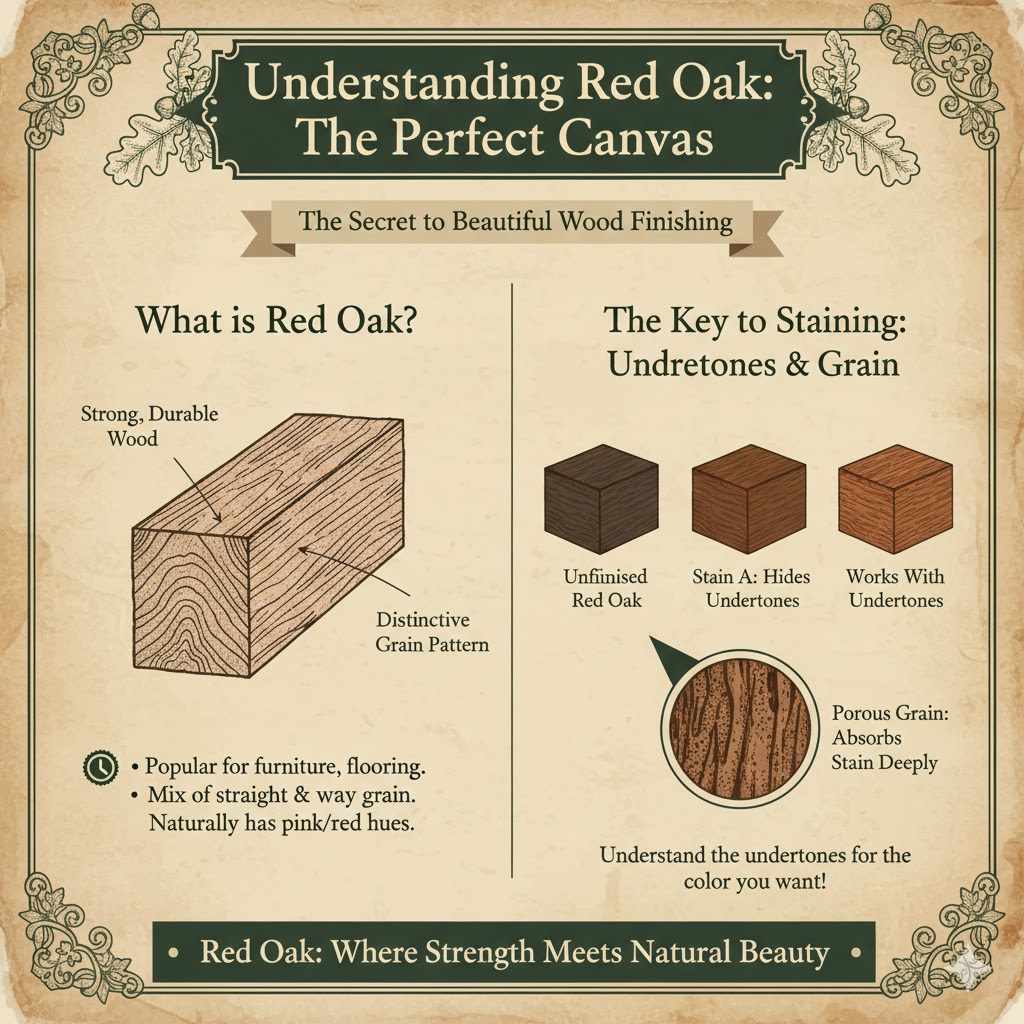
Before we dive into stains, let’s talk about our wood: red oak. Red oak is one of the most popular hardwoods in North America for furniture and flooring. Why? It’s strong, durable, and has a beautiful, distinct grain pattern. You’ll often see a mix of straight grain and wavy patterns that can look stunning once stained.
The most important thing to know about red oak is its color. Unfinished, it has warm, slightly pinkish or reddish undertones. These undertones will influence how any stain looks on the surface. Some stains will hide them, while others will work with them. Understanding this from the start is the key to getting the final color you truly want. The distinct, porous grain of red oak also absorbs stain deeply, which is great for achieving a rich color.
A Quick Word on Wood Stain
Think of wood stain as a way to add color to wood without hiding its natural beauty. Unlike paint, which sits on top of the surface, stain soaks into the wood fibers. This is why the wood’s grain and texture still show through after staining.
There are two main types of stain you’ll encounter:
- Oil-Based Stains: These are the most common for DIY projects. They penetrate deeply, dry slowly (which gives you more time to work), and create a rich color. Both Dark Walnut and Provincial are typically oil-based.
- Water-Based Stains: These dry much faster and have less odor. They can sometimes raise the wood grain, meaning you might need an extra sanding step for a perfectly smooth finish.
For this comparison, we’ll be focusing on the classic oil-based stains that you’ll find in any home improvement store. They are beginner-friendly and give consistently beautiful results on red oak.
Meet the Contenders: Dark Walnut and Provincial
Now, let’s get to know our two challengers. While they are both brown stains, they have very different personalities. Seeing them side-by-side reveals just how much they can change the look and feel of a room.
The Profile of Dark Walnut Stain
Dark Walnut is a deep, rich brown with cool, dark chocolate undertones. Think of a cup of black coffee or a piece of high-quality dark chocolate. It’s a bold and commanding color that makes a statement. It’s known for providing excellent coverage, which can help even out color variations in the wood.
Because it’s so dark, it tends to mask the strong red undertones of red oak, resulting in a more neutral, pure brown finish. It can still show the beautiful grain of the oak, but in a more subtle, understated way. Dark Walnut is often associated with modern, transitional, and even rustic-industrial design styles. It creates a high-contrast look, especially when paired with lighter wall colors or decor.
The Profile of Provincial Stain
Provincial is a warm, medium milk-chocolate brown. It has golden or slightly amber undertones that feel sunny and inviting. It’s not as dark or dramatic as Dark Walnut, which allows more of the wood’s natural character to shine through. Think of a cozy, traditional farmhouse or a classic piece of heritage furniture.
When applied to red oak, Provincial complements the wood’s natural warmth. It doesn’t hide the red undertones but instead blends with them to create a rich, inviting, reddish-brown hue. The grain of the red oak really “pops” with Provincial, making it the star of the show. This stain is a perfect match for traditional, farmhouse, rustic, and country-inspired decor.
Dark Walnut vs. Provincial: A Side-by-Side Breakdown
Sometimes, the easiest way to see the difference is to lay it all out. Here’s a quick comparison of the key features of each stain when used on red oak.
| Feature | Dark Walnut | Provincial |
|---|---|---|
| Overall Color | Deep, dark brown | Warm, medium brown |
| Undertones | Cool; resembles dark chocolate or coffee | Warm; resembles milk chocolate or honey |
| Effect on Red Oak’s Red Tones | Effectively hides or neutralizes them | Blends with and enhances them |
| Grain Appearance | Subtle; the deep color can make the grain less prominent | Pronounced; highlights and celebrates the wood grain |
| Common Style Matches | Modern, Transitional, Industrial | Traditional, Farmhouse, Rustic, Craftsman |
| Overall Vibe | Sophisticated, bold, dramatic, grounding | Cozy, inviting, classic, natural |
| Hiding Imperfections | Very good at hiding minor blemishes or uneven wood color | Moderate; may show more of the wood’s natural character |
The Big Reveal: How Each Stain Looks on Red Oak
Knowing the technical details is great, but what you really want to know is what they look like. Let’s paint a picture.
Red Oak with Dark Walnut: Modern and Moody
Imagine your red oak floors or furniture coated in Dark Walnut. The room immediately feels more grounded and serious. The stain soaks into the deep pores of the oak, creating a rich, almost-black look in the grain, contrasted with a deep brown on the rest of the wood. The pinkish cast of the red oak disappears, replaced by a consistent, cool-toned brown.
This is a great choice if you find the natural red of oak to be a bit dated or if it clashes with your other decor. Dark Walnut gives red oak a sophisticated makeover, pushing it into a more contemporary style. It feels clean, sharp, and intentional.
Red Oak with Provincial: Timeless and Warm
Now, picture that same red oak with Provincial stain. The room feels instantly brighter and more welcoming. The stain brings out the golden tones in the wood, and the reddish undertones of the oak add a lovely, complex warmth. The beautiful, looping grain of the oak is clearly visible and becomes a major design feature.
Provincial doesn’t try to change the red oak; it works with it. The final look is balanced and natural. It feels comfortable and lived-in, like a piece of furniture that has been in the family for years. If you love the look of real wood and want to celebrate its natural patterns, Provincial is an outstanding choice.
How to Test Stains on Red Oak (The Can’t-Skip Step)
I can describe colors all day, but there is no substitute for seeing them with your own eyes, on your own wood. The way a stain looks is affected by the lighting in your home and the specific piece of oak you have. You must, must, must test your stains first!
Here’s the simple, foolproof way to do it:
- Get a Scrap Piece: Find a scrap piece of red oak from your project. If you’re refinishing floors, test in an inconspicuous area like a closet.
- Sand It Right: Sand your test area exactly how you plan to sand your final project. The fineness of the sanding affects how the wood absorbs the stain. Sanding to 120 or 150 grit is typical for projects that will be stained. According to the U.S. Forest Service, red oak has large pores that sand easily.
- Divide and Conquer: Tape off two sections on your test piece. Label one “Dark Walnut” and the other “Provincial.”
- Apply the Stain: Using a clean rag, apply the Dark Walnut stain to its section. Let it sit for a few minutes (check the can for instructions, but 2-5 minutes is common), then wipe off the excess with another clean rag. Repeat the process for the Provincial stain in its section.
- Let It Dry: Let the test spots dry completely. This can take several hours, depending on the conditions in your workshop. Don’t rush this part!
- Add a Topcoat: This is the secret step many people miss. The final topcoat (like polyurethane) will change the color and sheen slightly. Apply one coat of your chosen finish over your test spots.
- Evaluate in Your Space: Once the topcoat is dry, take your sample board into the room where the finished project will live. Look at it in the morning light, in the afternoon, and with the lights on at night. This will give you the truest sense of the final color.
This simple test removes all the guesswork and guarantees you’ll love the final result.
So, Who’s the Proven Winner for Your Project?
Okay, it’s time to declare a winner. But the truth is, the “proven winner” is the one that best fits your vision, your home, and your style. I’ll give Provincial a slight edge for its universal appeal and ability to enhance the wood, but let’s break down when to confidently choose each one.
Choose Dark Walnut if…
- You want a modern or contemporary look. Dark Walnut’s cool, deep tones are perfect for a clean, minimalist, or high-contrast design.
- You want to neutralize the red/pink tones in the oak. If those red tones clash with your wall color, cabinets, or overall design scheme, Dark Walnut is your solution.
- You need to hide imperfections. The dark color is great for covering up uneven coloration, small scratches, or stains on an older piece of wood.
- You are aiming for a dramatic, high-end feel. Dark Walnut adds a sense of weight, luxury, and sophistication to any piece.
Choose Provincial if…
- You love a traditional, farmhouse, or rustic style. Provincial’s warm, medium tones are the cornerstone of these inviting and comfortable designs.
- You want to highlight the natural beauty of the wood grain. This stain makes the gorgeous oak grain the star of the show.
- Your space needs a warm, welcoming feel. The golden undertones in Provincial bring a sense of light and coziness to a room.
- You want a timeless, classic finish. Provincial has been a favorite for decades and will never go out of style. This makes it a safe and beautiful bet for floors, trim, and heirloom furniture. This is why, for many, it’s the proven winner.
Pro Tips for a Perfect Stain Finish
You’ve made your choice! Now, here are a few tips to make sure your project comes out looking professional.
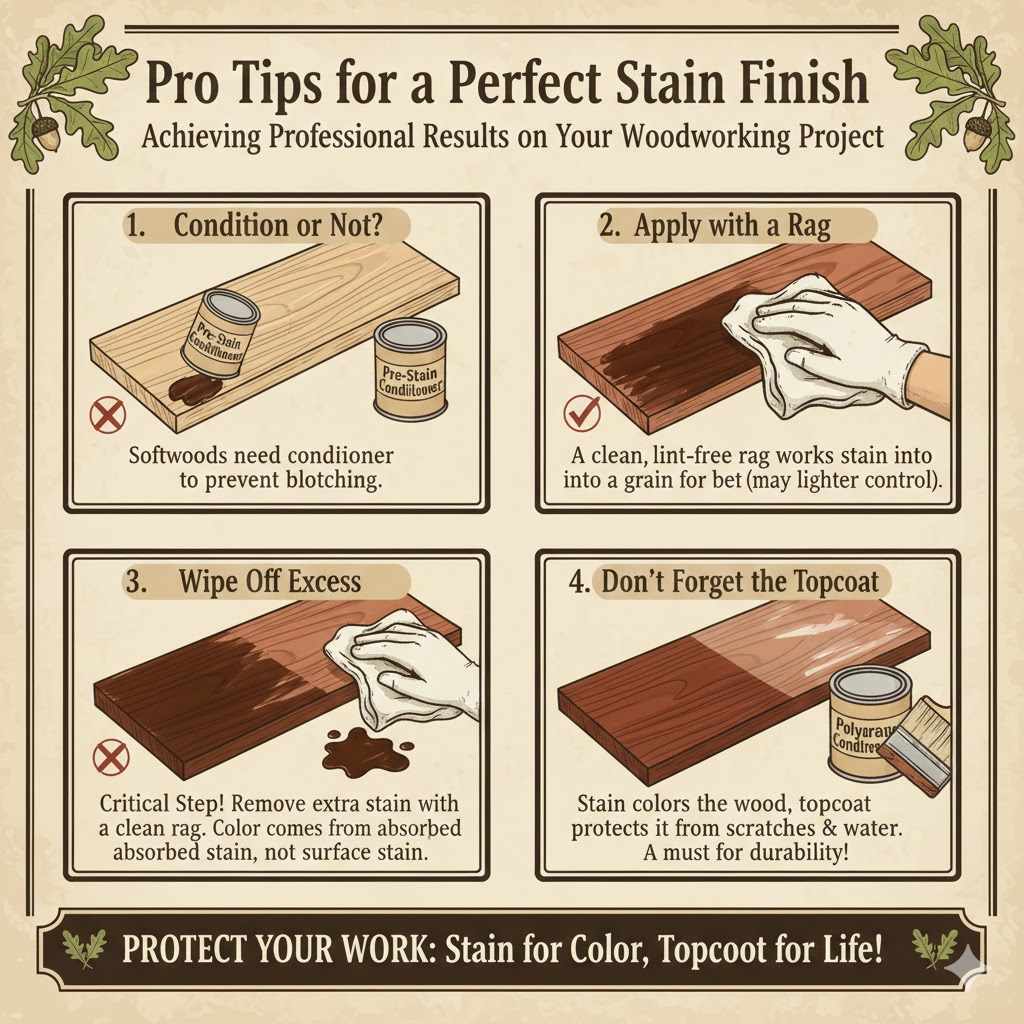
- To Condition or Not to Condition? A pre-stain wood conditioner helps prevent a blotchy finish on soft woods like pine. Red oak, however, has large, open pores and generally accepts stain very evenly without a conditioner. For beginners, I recommend skipping the conditioner on red oak as it can sometimes result in a lighter final color than you wanted.
- Apply with a Rag: While you can use a brush, a clean, lint-free rag (like an old t-shirt) gives you more control. You can really work the stain into the wood grain.
- Wipe Off the Excess: This is critical. Leaving excess stain on the surface creates a sticky, uneven mess that won’t dry properly. Always wipe away the extra stain with a clean rag, moving in the direction of the wood grain. The final color comes from the stain absorbed into the wood, not the stain sitting on it.
- Don’t Forget the Topcoat: Stain is just for color; it offers very little protection. You must protect your project with a durable topcoat like polyurethane. It will protect the wood from scratches, water damage, and daily wear and tear. You can find detailed application instructions on manufacturer websites like Minwax.
Frequently Asked Questions About Staining Red Oak
Do you need a wood conditioner on red oak before staining?
Generally, no. Red oak has an open grain structure that absorbs stain very evenly. Using a pre-stain conditioner is usually unnecessary and may prevent the wood from getting as dark as you want. It’s much more critical for woods like pine or maple.
Can I mix Dark Walnut and Provincial stain?
Yes, you can! Mixing stains is a great way to create a custom color. For example, mixing Dark Walnut and Provincial could give you a color that’s darker than Provincial but warmer than Dark Walnut. Always mix stains from the same brand and base (oil-based with oil-based). And be sure to test your custom mix on a scrap piece first!
Which stain is better for hiding scratches and dents?
Dark Walnut is much better at hiding imperfections. Its deep, dark color naturally camouflages small dents, scratches, and discolorations in the wood. Provincial is lighter and will show more of the wood’s natural character, including its flaws.
What is the best topcoat for red oak floors?
For high-traffic areas like floors, an oil-based polyurethane is a very durable choice. It provides excellent protection and adds a warm, amber glow that deepens over time. Water-based polyurethanes are also a great option; they dry faster, have less odor, and remain perfectly clear without yellowing.
How many coats of stain should I apply to red oak?
For most projects, one coat of stain is enough. Red oak absorbs oil-based stain well, and a single coat will give you rich, deep color. If you want a slightly darker color, you can apply a second coat after the first has dried completely, but wiping off the excess stain is more important than the number of coats.
Does Provincial look orange on red oak?
Provincial has warm, golden undertones, but it generally doesn’t look orange. It blends with the oak’s natural red tones to create a rich, warm brown. The final look is more “classic hardwood” than orange. As always, testing is the best way to see how it will look in your space.
Your Final Choice: Trust Your Vision
Choosing between Dark Walnut and Provincial isn’t about finding a single “correct” answer, but about discovering which story you want your project to tell. Dark Walnut speaks of modern sophistication and bold choices, while Provincial whispers of timeless tradition and cozy comfort.
By understanding the unique personality of red oak and testing your options, you remove all the fear from the decision. You empower yourself to make a choice that you’ll be proud of for years to come. Both stains are fantastic, but the proven winner will always be the one that perfectly fits your vision for your home.
So grab your test boards, have fun with the process, and get ready to create something beautiful. You’ve got this!