Deck Railing Systems at Home Depot: Your Ultimate Guide to Choosing the Perfect Railing
Hey there! If you’re looking to spruce up your deck or build a new one, you’ve probably been thinking about deck railing systems. I’ve spent a lot of time exploring options at Home Depot, both online and in-store, and let me tell you, they’ve got an impressive lineup. Whether you’re a DIY newbie or a seasoned woodworker, picking the right deck railing system can make or break your outdoor space. It’s not just about safety—it’s about style, durability, and creating a vibe that screams “you.”
In this guide, I’ll walk you through everything you need to know about deck railing systems at Home Depot, from materials to installation tips, so you can make a choice that fits your home and budget. Let’s dive in!
Why Deck Railings Matter
When I first started planning my deck, I thought railings were just a safety feature. But they’re so much more! They frame your deck, add personality, and can even boost your home’s curb appeal. At Home Depot, you’ll find railings that suit every taste—modern, rustic, or something in between. A good railing system keeps everyone safe, especially kids and pets, while tying your outdoor space together. Plus, local building codes often require railings for decks over a certain height, so it’s not just a style choice—it’s a must.
I learned this the hard way when I built my first deck and skipped the railings to save money. Big mistake. Not only did it look unfinished, but I got a friendly visit from a local inspector. Trust me, investing in a quality railing system from Home Depot is worth it. They’ve got options that balance safety, looks, and ease of installation, so you don’t have to stress.
Types of Deck Railing Systems at Home Depot
Home Depot has a wide range of railing systems, and I’ve spent hours browsing their aisles and website to figure out what’s what. Here’s a breakdown of the main types you’ll find, so you can decide which one’s right for you.
Wood Deck Railings
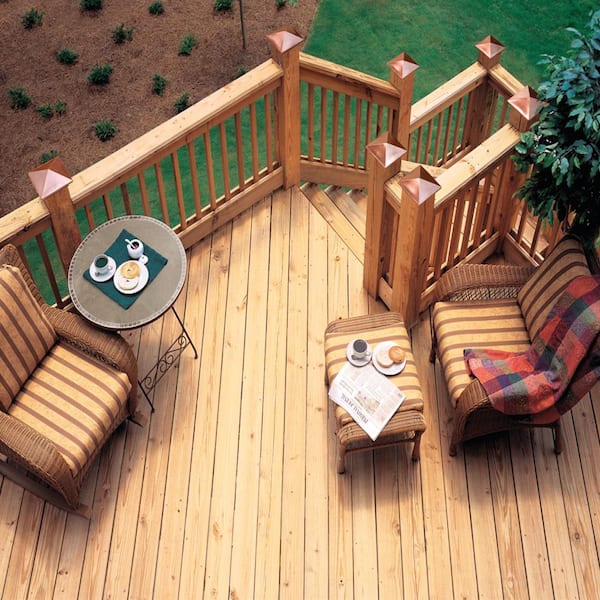
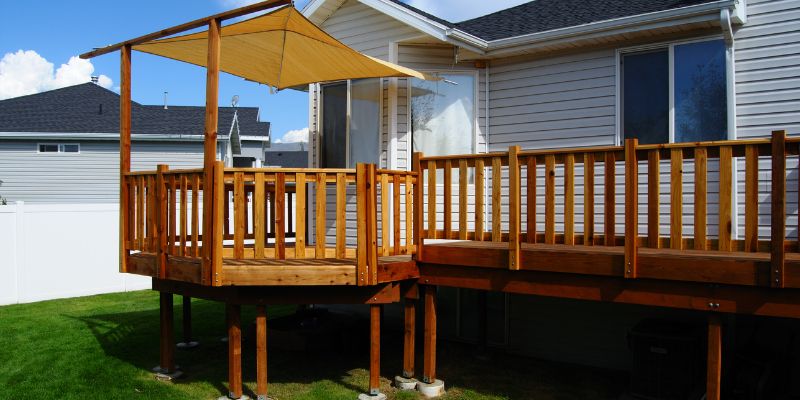
Wood railings are my go-to for that classic, warm look. They’re versatile, affordable, and perfect for a traditional or rustic deck. Home Depot stocks pressure-treated pine, cedar, and redwood options. I love cedar for its natural resistance to rot and insects—it smells amazing, too! You can stain or paint wood railings to match your deck, but they do need regular maintenance to keep them looking sharp. Think sanding and sealing every couple of years.
One thing I noticed at Home Depot is their selection of pre-cut wood balusters and rails. It makes installation a breeze if you’re DIY-ing. But if you’re in a humid area like I am, you’ll want to check for warping over time. Wood’s great, but it’s not as low-maintenance as other options.
Aluminum Deck Railings
Aluminum railings caught my eye for their sleek, modern vibe. They’re lightweight, strong, and don’t rust, which is a big win if you live near the coast or in a rainy area. Home Depot carries brands like Peak RailBlazers, which I found super easy to install. The powder-coated finishes come in colors like black and white, and they hold up well against the elements.
I helped a friend install an aluminum railing system from Home Depot, and we were done in a day. The kits come with everything you need—rails, balusters, and hardware. If you want a low-maintenance option that still looks sharp, aluminum’s a solid choice. Just know it can feel a bit industrial if you’re going for a cozy, natural look.
Composite Deck Railings
Composite railings are a game-changer if you want the look of wood without the upkeep. Made from a mix of wood fibers and plastic, they’re super durable and resist fading, warping, and insects. Home Depot stocks brands like Trex and Veranda, which I’ve seen hold up beautifully over years of sun and rain. They’re pricier than wood, but you save time and money on maintenance.
I was skeptical about composite at first—would it look fake? But when I saw a Trex railing in person, it had a rich, wood-like texture that blew me away. Plus, Home Depot offers composite kits with pre-drilled posts and rails, so even a beginner like I was back then can handle the installation.
Glass Deck Railings
If you’ve got a killer view, glass railings are the way to go. They give you an unobstructed look at your surroundings, making your deck feel open and luxurious. Home Depot’s Peak MountainView glass railing system is a standout. It uses tempered glass panels that are tough and safe, paired with stainless steel or aluminum frames.
I’ll be honest—glass railings are a bit of a splurge. They also need regular cleaning to stay streak-free, especially if you’ve got kids or pets leaving smudges. But when I saw a glass railing on a friend’s deck overlooking a lake, I got why people love them. It’s like the deck disappears into the scenery.
Cable Deck Railings
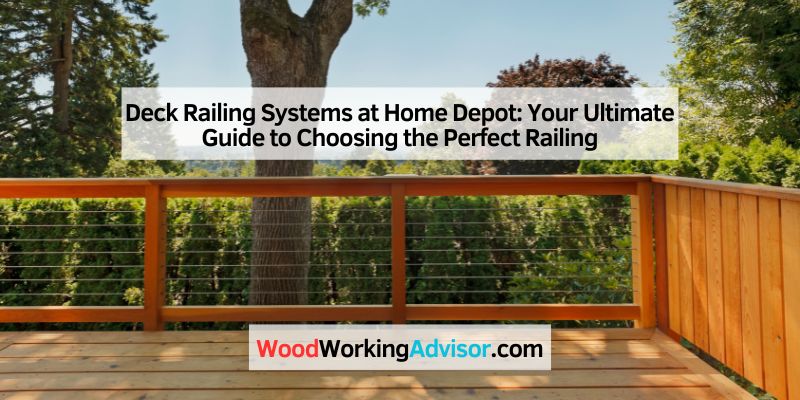
Cable railings are my favorite for a modern, minimalist look. They use stainless steel cables stretched between posts, giving you a clean, open feel. Home Depot carries Deckorators and Peak Cable Railing systems, which are sturdy and stylish. I love how they let you see through to your yard or view without bulky balusters.
One thing to keep in mind: cable railings can be tricky to install. You need to get the tension just right, and it took me a couple of tries to nail it. Home Depot’s kits come with tensioners and hardware, but if you’re not handy, you might want a pro to help. Also, they’re not the best for homes with small kids—those cables can be tempting to climb!
| Material | Pros | Cons | Best For |
|---|---|---|---|
| Wood | Affordable, classic look, customizable with paint/stain | Requires regular maintenance, can warp or rot | Traditional or rustic decks |
| Aluminum | Low maintenance, rust-resistant, easy to install | Can feel industrial, limited color options | Modern, low-maintenance decks |
| Composite | Durable, low maintenance, wood-like look | Higher upfront cost, less natural feel | Long-lasting, stylish decks |
| Glass | Unobstructed views, modern and luxurious | Expensive, needs regular cleaning | Scenic views, modern homes |
| Cable | Sleek, minimalist, durable | Tricky to install, not ideal for homes with young kids | Contemporary, open designs |
Key Features to Look for in Deck Railing Systems
When I was shopping at Home Depot, I learned that not all railing systems are created equal. Here are the features I always check to make sure I’m getting the best bang for my buck.
Durability
Your railing needs to stand up to weather—sun, rain, snow, you name it. I live in an area with harsh winters, so I look for materials like aluminum or composite that won’t crack or fade. Home Depot’s railings often come with warranties, like 20 years for Trex composite or 10 years for Peak aluminum. That’s peace of mind right there.
Ease of Installation
As a DIYer, I’m all about systems that don’t require a PhD to install. Home Depot’s railing kits, like Veranda or Peak RailBlazers, come with pre-drilled components and clear instructions. I once spent a weekend installing a composite railing with my brother, and we had it done without too much swearing. If you’re not handy, though, some systems—like cable railings—might need a pro.
Safety and Code Compliance
Safety’s non-negotiable. Most decks over 30 inches high need railings at least 36 inches tall, per most U.S. building codes. Home Depot’s systems are designed to meet these standards, but I always double-check with my local building department. Glass and cable railings, for example, need to be installed precisely to be safe. I learned to measure twice and cut once to avoid headaches.
Style and Customization
Your deck should reflect your personality. Home Depot’s got options galore—mix and match posts, balusters, and top rails to create a custom look. I love that you can pair wood posts with cable infills or aluminum rails with glass panels. It’s like building your own masterpiece.
Maintenance
I’m not a fan of spending my weekends sanding or painting. That’s why I lean toward low-maintenance options like aluminum or composite. Wood railings need sealing every year or two, while glass needs cleaning to stay sparkly. Home Depot’s product descriptions usually tell you what’s involved, so read up before you buy.
Top Brands at Home Depot
Home Depot carries some of the best railing brands out there. Here are the ones I’ve explored and what makes them stand out.
Trex
Trex is a big name in composite decking and railings. Their systems are durable, eco-friendly, and come in rich colors like charcoal black and classic white. I love how their railings mimic wood but don’t need the upkeep. They’re pricier, but the 25-year warranty makes it worth it.
Veranda
Veranda’s another solid choice, especially for budget-conscious folks like me when I started. Their composite and aluminum railings are easy to install and come with hardware included. I used a Veranda kit for my first deck, and it’s still holding strong after five years.
Peak RailBlazers
Peak RailBlazers is all about aluminum and glass systems. Their railings are lightweight, rust-resistant, and DIY-friendly. I was impressed by their online Railing Designer tool—it lets you plan your project and get a parts list. Super handy for visualizing your deck.
Deckorators
If you want something unique, Deckorators has cool options like cable railings and decorative balusters. Their systems are a bit more advanced, so I’d recommend them for folks with some DIY experience. The cable system I installed for a friend was a Deckorators kit, and it looks sleek as heck.
Installation Tips from My Experience
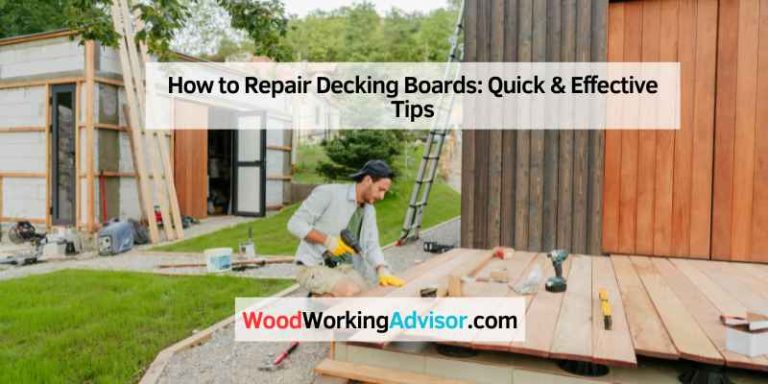
Installing a deck railing system can feel daunting, but I’ve done it a few times now, and it’s totally doable. Here’s what I’ve learned from my projects using Home Depot products.
Plan Ahead
Before you buy, measure your deck carefully. I made the mistake of eyeballing it once and ended up short on balusters. Home Depot’s website has project calculators that help you figure out how much material you need. Also, check local codes—some areas require specific railing heights or spacing.
Gather the Right Tools
You’ll need basics like a drill, level, tape measure, and saw. For aluminum or composite systems, a miter saw works best for clean cuts. Home Depot’s kits usually include hardware, but I always grab extra screws just in case. A cordless drill saved my sanity during my last install.
Prep Your Deck
Make sure your deck posts or framing are solid before attaching railings. I once tried to mount a railing to a wobbly post, and it was a nightmare. If you’re retrofitting, you might need to add blocking under the deck, like I did for a Veranda system. Home Depot’s staff can point you to the right lumber for this.
Follow Instructions
Each kit comes with step-by-step guides. I know it’s tempting to wing it, but trust me—read the manual. For example, Peak RailBlazers has a specific order for installing glass panels to keep them secure. It took me an extra hour to redo a section because I skipped a step.
Get Help if Needed
Some systems, like cable railings, are trickier. If you’re not confident, Home Depot offers installation services. I used their contractor network for a glass railing project, and it was worth every penny for the precision.
Cost Considerations
Budget’s always a factor, right? Home Depot’s railing systems range from affordable to premium. Here’s what I’ve seen price-wise:
- Wood: $20–$50 per linear foot. Pressure-treated pine is cheapest, while cedar or redwood costs more.
- Aluminum: $40–$80 per linear foot. Brands like Peak are mid-range, with powder-coated options on the higher end.
- Composite: $50–$100 per linear foot. Trex and Veranda are worth the investment for low maintenance.
- Glass: $80–$150 per linear foot. Tempered glass panels drive up the cost, but the view is priceless.
- Cable: $60–$120 per linear foot. The cables themselves are affordable, but posts and tensioners add up.
I’ve found Home Depot’s prices competitive, especially with free shipping on many kits. They also run sales during spring and summer, so keep an eye out. If you’re on a tight budget, wood or basic aluminum is the way to go.
Pros and Cons of Shopping at Home Depot
I’ve shopped at Home Depot for years, and here’s the good and not-so-good about getting your railing system there.
Pros
- Huge Selection: From wood to glass, they’ve got it all. You can mix and match to create a custom look.
- DIY-Friendly Kits: Most systems come with everything you need, plus clear instructions.
- Online Tools: Their website has calculators and design tools that make planning easy.
- Availability: Free shipping or in-store pickup makes it convenient. I’ve never had an issue finding stock.
- Support: In-store staff and contractor services are great if you hit a snag.
Cons
- Pricey Premium Options: Glass and high-end composite systems can strain your wallet.
- Learning Curve: Some systems, like cable railings, aren’t beginner-friendly.
- Inventory Varies: Popular items can sell out during peak seasons, so order early.
My Personal Favorite
If I had to pick one, I’d go with the Trex composite railing system. It’s got the look of wood, zero maintenance, and a killer warranty. I installed a Trex system on my current deck, and it’s been a dream—no fading, no splinters, just a sharp-looking railing that gets compliments from neighbors. But if you’re on a budget, Veranda’s aluminum kits are a close second for their price and ease of installation.
Conclusion
Choosing a deck railing system at Home Depot is like picking the perfect frame for a painting—it’s got to look good, feel right, and keep everything secure. After exploring their options and installing a few myself, I can say they’ve got something for everyone. Whether you’re drawn to the classic charm of wood, the modern sleekness of aluminum, or the open beauty of glass, Home Depot’s got you covered with quality brands and DIY-friendly kits. Take your time to measure, plan, and pick a system that matches your style and budget. Trust me, a well-chosen railing will make your deck the talk of the neighborhood. So grab your tools, hit up Home Depot, and let’s build something amazing together!
FAQs
What’s the most affordable deck railing system at Home Depot?
Wood railings, especially pressure-treated pine, are the cheapest, starting around $20 per linear foot. Veranda’s aluminum kits are also budget-friendly, around $40–$50 per linear foot.
Are Home Depot’s railing systems easy to install for beginners?
Yes, most kits like Veranda and Peak RailBlazers are designed for DIYers with clear instructions and pre-drilled parts. Cable and glass systems are trickier, so beginners might need help.
Do I need a permit for a deck railing?
It depends on your local building codes. Most areas require permits for decks over 30 inches high. Check with your local building department before starting.
How do I maintain my deck railing?
Wood railings need sealing or staining every 1–2 years. Aluminum and composite are low-maintenance—just clean with soap and water. Glass railings need regular wiping to stay streak-free.
Can I mix different railing materials?
Absolutely! Home Depot offers mix-and-match options, like wood posts with cable infills or aluminum rails with glass panels. Just ensure compatibility with the kit’s hardware.