Home Depot Cedar Decking: Boards, Grades, and What They Cost
Home Depot sells cedar decking in two very different forms, and mixing them up is the most common mistake first-time buyers make. One is dimensional cedar lumber (2×4, 2×6, and similar rough-sawn sizes meant for framing, fencing, and general outdoor carpentry). The other is dedicated 5/4×6 “radius-edge” decking board, milled specifically for deck surfaces with rounded top edges so water sheds off instead of sitting in a sharp corner. If you grab dimensional 2×6 lumber and lay it flat as a deck surface, it’ll work, but it wears differently than a real decking board and doesn’t have the rounded edge.
This guide covers what’s actually on the shelf, what grade to ask for, a realistic price range, and how to keep the boards looking good once they’re down — including the one sealing step most of the “why cedar smells great” articles skip entirely.
What Cedar Decking Home Depot Actually Stocks
Best Cedar Deck Sealer
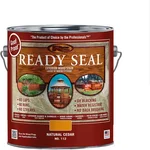 |
Ready Seal Natural Cedar Stain & Sealer – $39.99 Keeps new cedar decking’s reddish-brown color instead of weathering gray, without needing a separate primer coat.
|
Availability varies by region — cedar is more common in the Pacific Northwest and less common as a special-order item in parts of the South and Midwest, where pressure-treated pine and composite dominate the deck aisle. When it’s in stock, you’ll typically see:
- 5/4×6 radius-edge decking — the true decking profile, usually Western Red Cedar, sold by the linear foot in 8′, 10′, 12′, and 16′ lengths.
- Dimensional cedar boards (2×4, 2×6, 4×4) — general-purpose lumber, better suited to framing, railings, and posts than the deck surface itself.
- Cedar fence pickets — thinner and not rated for foot traffic; don’t substitute these for decking even though they’re cheaper per board.
Ask specifically for “radius-edge decking” by name if you want the real decking profile — store associates sometimes point buyers to whatever cedar dimensional lumber is in stock instead, since it’s often easier to find on the shelf.
Grade Matters More Than the Species Label
“Cedar” on the tag doesn’t tell you much by itself — grade does. Western Red Cedar decking is typically sold in a few appearance grades, and the difference shows up fast once the boards are outside:
| Grade | What You Get | Best For |
|---|---|---|
| Clear / Architect Clear | Virtually no knots, most expensive | Highly visible decks, resale-focused projects |
| Select Tight Knot (STK) | Small, tight knots that won’t fall out | Most residential decks — the practical middle ground |
| Construction / #2 Common | Larger and looser knots, some may need filling | Budget builds, framing, non-visible structural boards |
Before you load boards onto the cart, sight down the length of each one. Cedar is soft enough that a board sitting in a warehouse rack for months can develop a twist or bow that a quick eyeball check will catch before it’s in your car.
What Cedar Decking Actually Costs
Lumber pricing moves with the market, so treat this as a starting range rather than a quote: 5/4×6 Western Red Cedar decking has generally run somewhere between $2.50 and $6 per linear foot depending on grade and region, with Select Tight Knot landing in the middle of that range and Clear grade at the top. Composite decking is usually more expensive up front but needs no staining; pressure-treated pine is typically the cheapest option but requires more frequent re-sealing than cedar to look decent long-term. Call ahead or check current per-foot pricing online for your specific store, since cedar costs swing more than treated pine with lumber market conditions.
Installing Cedar Deck Boards: The Gaps and Fasteners That Matter
Two details cause most of the complaints about cedar decks going sideways within the first year:
- Gap spacing: Leave roughly 1/8″ between boards when cedar is dry (kiln-dried) or up to 1/4″ if the boards feel damp/green — cedar shrinks as it dries out after installation, and a gap that’s too tight when installed can close up and trap moisture, while a gap left too wide on already-dry lumber won’t close further and just looks sloppy.
- Fasteners: Use stainless steel or hot-dip galvanized deck screws, not standard steel. Cedar’s natural tannins react with plain steel and leave black streaking around every fastener within months — this is one of the most common “why is my new deck already stained” complaints, and it’s entirely avoidable by spending a little more on the right screws upfront.
Sealing Cedar Decking: Don’t Skip This Step
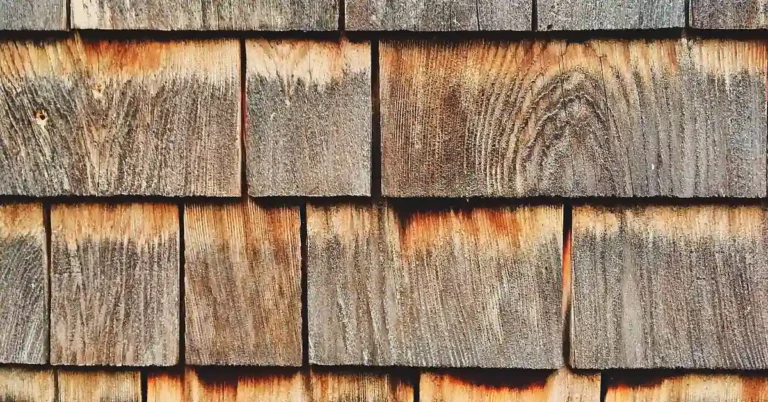
Cedar’s natural oils give it real rot and insect resistance, but those oils don’t block UV light. Left unsealed, cedar decking weathers to a gray patina within a year or two in full sun — not rot, just UV bleaching of the surface fibers. If you want to keep the warm reddish-brown color, plan on a penetrating oil-based stain/sealer within the first few weeks of installation (new cedar needs to dry out for 2-4 weeks first if it was pressure-washed or came in wet) and roughly every 2-3 years after that, more often on south-facing decks that get harsh sun.
Maintenance After the Deck Is Down
Sweep off debris regularly — wet leaves sitting on cedar trap moisture against the wood and are a common spot for mildew to start. Wash with a mild soap and water solution and a stiff (not wire) brush once or twice a season; skip the pressure washer above 1200-1500 PSI, since cedar is soft enough that high pressure can gouge the surface grain. Re-check fasteners annually, since cedar’s seasonal swelling and shrinking can work screws slightly proud over a few years.
Frequently Asked Questions
What’s the Difference Between Cedar Decking and Regular Cedar Boards?
Cedar decking is milled as 5/4×6 radius-edge board specifically for deck surfaces, with rounded top edges so water sheds instead of pooling. Regular dimensional cedar boards (2×4, 2×6) are general-purpose lumber better suited to framing, railings, and posts.
How Much Does Cedar Decking Cost Per Foot?
5/4×6 Western Red Cedar decking has generally run between roughly $2.50 and $6 per linear foot depending on grade and region, with Select Tight Knot in the middle of that range. Prices move with the lumber market, so check current pricing at your local store.
Does Cedar Decking Need to Be Sealed?
Yes, if you want to keep its color. Cedar’s natural oils resist rot and insects but don’t block UV light, so unsealed cedar weathers to gray within a year or two. A penetrating oil-based stain and sealer applied within the first few weeks and reapplied every 2-3 years keeps the warm color.
How Long Does Cedar Decking Last?
With proper sealing and maintenance, cedar decking commonly lasts 15-20 years. Its natural resistance to rot and insects helps, but regular re-sealing and correct (non-steel) fasteners make the biggest difference in how long it actually holds up.
Sponsored / affiliate links. As an Amazon Associate I earn from qualifying purchases. I may earn additional commission from eligible campaigns.