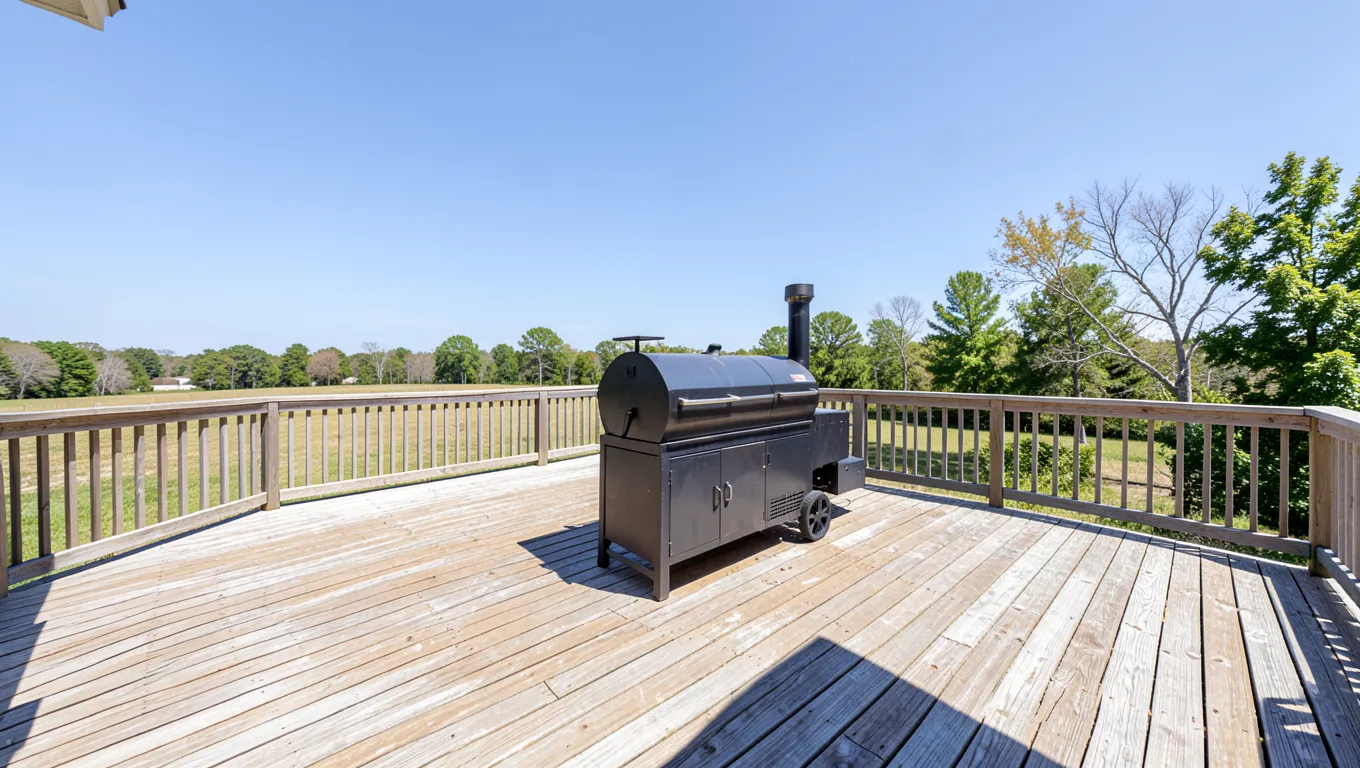
Can You Put a Smoker on a Wood Deck? Real Clearance Rules
Yes, you can put a smoker on a wood deck — but “can” and “safely” are two different questions, and most of what gets repeated online about grill and smoker safety skips the actual numbers. Here are the real clearance distances fire codes require, what a heat shield mat can and can’t do, and how your specific deck material factors into the risk.
The Actual Clearance Distance Fire Codes Require
Best Deck Protector For Smokers & Grills
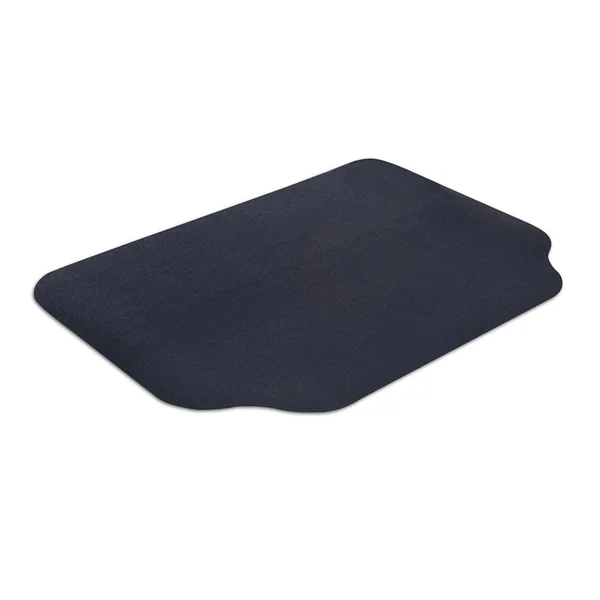 |
GrillTex Under the Grill Mat, 36 x 50″ – $28 A fireproof drip and ember barrier sized to sit under a smoker’s full footprint on a wood or composite deck, with a front lip that catches drips from the firebox door.
|
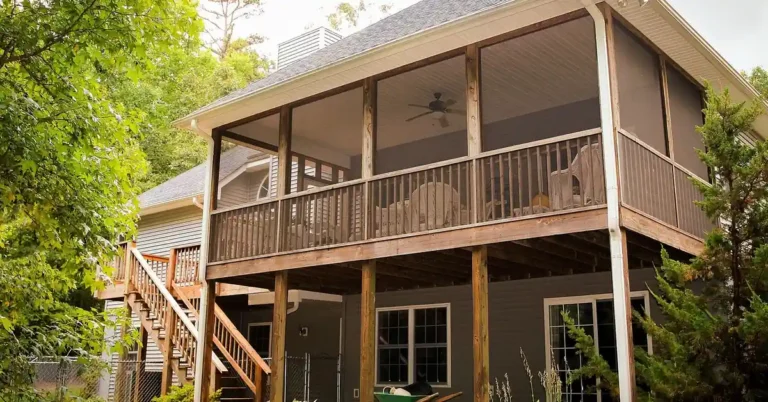
NFPA 1 (the National Fire Protection Association’s Fire Code) and the International Fire Code both set the same baseline for open-flame and solid-fuel cooking devices — and a smoker, whether it burns wood, charcoal, or pellets, falls squarely in that category: at least 10 feet of clearance from the main structure, railings, eaves, roof overhangs, and any other combustible material.
For a single-family home, that 10-foot rule is a fire-code baseline you’re generally permitted to follow rather than a use ban — smokers and grills are allowed on a private deck as long as the clearance is maintained. For condos, townhomes, and apartment balconies, the rule is usually stricter: many jurisdictions and property fire codes prohibit any open-flame cooking device on a balcony or within 10 feet of the building entirely, smoker included, regardless of clearance from your own unit’s wall. Check your HOA or lease before assuming the 10-foot rule alone clears you.
Wood and charcoal smokers deserve extra margin beyond that baseline. They run hotter at the firebox, throw more airborne embers when the lid opens or the fire gets stoked, and produce a sustained heat source for hours rather than the shorter cook time of a quick gas-grill session. If 10 feet is the legal minimum, treating it as the minimum — not the target — is the safer read for anything burning actual wood or charcoal.
What a Heat Shield Mat Actually Does (and Doesn’t Do)
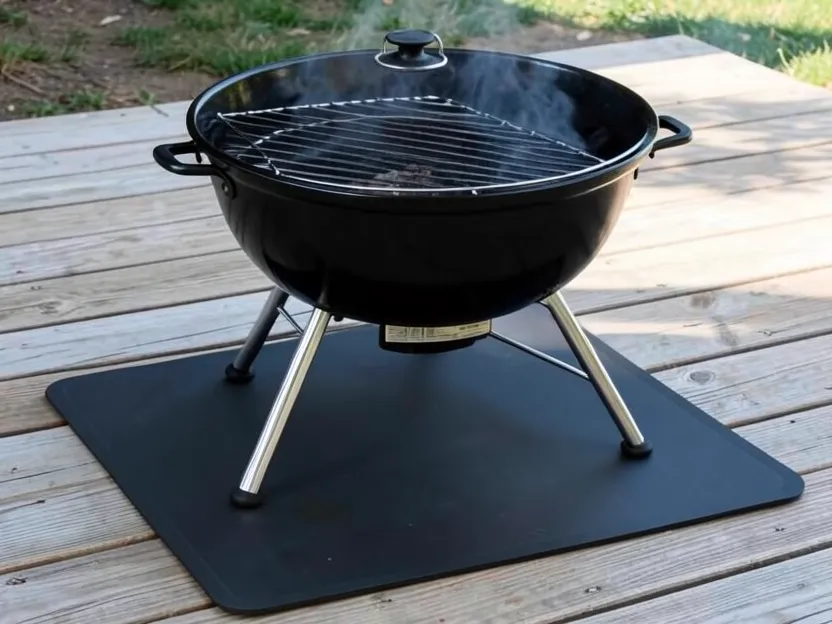
A heat shield or ember mat under the smoker is a real, meaningful layer of protection — but it’s a backstop for embers, ash, and grease drips, not a substitute for clearance distance. Quality mats are built from silicone-coated fiberglass and are commonly rated to handle 900–1,000°F of direct contact heat, which covers a dropped coal or ember without scorching the decking underneath. Reflective aluminum-faced shields work differently, bouncing back roughly 90–95% of radiant heat rather than absorbing it — useful behind a smoker positioned close to a wall, but that’s a clearance problem the mat is compensating for, not solving.
Size the mat to extend at least 6–12 inches beyond the smoker’s footprint on every side, including the side where you’ll be raking out ash or dumping a chimney starter. That overhang is where most actual deck scorching happens — not directly under the firebox, but where ash and stray coals land during cleanout.
Does Your Deck Material Change the Risk?
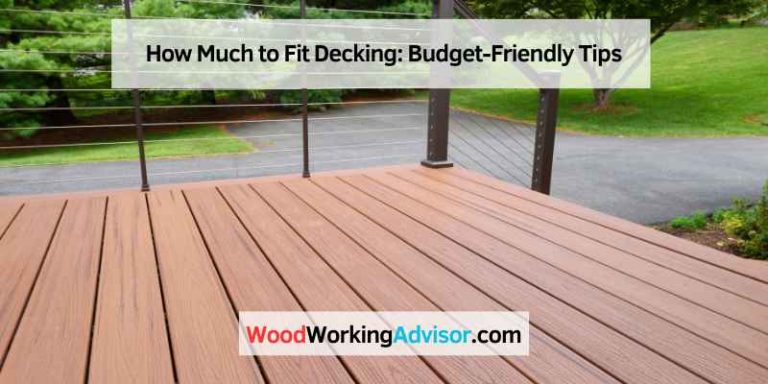
It does, and it’s worth knowing where your deck falls. Fire-resistance for decking is measured with a flame spread rating under ASTM E84 testing, split into three classes: Class A (flame spread index of 0–25, the most resistant), Class B (26–75), and Class C (76–200, the least resistant of the three rated classes).
- Standard pressure-treated wood decking has no built-in fire rating unless it’s been separately treated with a fire-retardant coating — it burns like ordinary lumber once ignited.
- Most mainstream composite decking (including Trex’s standard lines) carries a Class B rating — better than untreated wood, but still capable of sustaining a flame once it catches.
- A handful of composite and PVC lines (TimberTech’s AZEK line and a few others) are manufactured to hit Class A, the same top rating required for roofing material in wildfire-prone zones.
None of these ratings mean a deck won’t burn — they describe how fast a flame spreads once something ignites it, which is exactly why the clearance distance and the heat shield mat both matter regardless of what the decking itself is rated for. If you’re deciding between decking materials with wildfire exposure or open-flame cooking specifically in mind, it’s worth comparing fire-resistance ratings by decking type before you build rather than after.
The Rest of the Safety Checklist
- Never run a smoker under a roof overhang, covered porch, or pergola. Beyond the fire risk, smoke and carbon monoxide have nowhere to vent, which is a poisoning risk indoors-adjacent spaces don’t get enough credit for.
- Keep a fire extinguisher rated for grease and wood fires (a multipurpose ABC extinguisher) within arm’s reach — not stored inside the house where 30 seconds of delay matters.
- Dump ash into a metal container with a lid, never into a trash can or directly onto the deck, and let it cool for 24-plus hours before disposal. Ash that looks cold can still hold enough heat to smolder.
- Watch wind direction before you start the fire, not after. A crosswind carrying embers toward railings or siding is the scenario the 10-foot rule is actually designed for.
- Never leave a lit smoker unattended, even a “set it and forget it” pellet unit — a hopper jam or auger failure can spike temperatures with no one there to catch it.
Frequently Asked Questions
How far does a smoker need to be from the house on a deck?
At least 10 feet from the main structure, railings, eaves, and roof overhangs, per NFPA 1 and the International Fire Code. Wood and charcoal smokers run hotter and throw more embers than gas grills, so treating 10 feet as a minimum rather than a target is the safer approach.
Can you use a smoker on an apartment or condo balcony?
Usually not. Many multi-family fire codes and HOA rules prohibit any open-flame or solid-fuel cooking device on a balcony or within 10 feet of the building, regardless of the clearance from your own unit’s wall. Check your building’s specific rules before assuming the single-family 10-foot guideline applies.
Do heat shield mats actually protect a deck from a smoker?
Yes, for embers, ash, and grease drips — quality silicone-fiberglass mats are commonly rated for 900-1,000F of direct contact heat. They are not a substitute for proper clearance distance from the house and railings; use both together, not one instead of the other.
Does composite decking catch fire more easily than wood?
It depends on the product. Standard pressure-treated wood has no fire rating and burns like ordinary lumber. Most composite decking is Class B rated (better flame-spread resistance than untreated wood), and a few premium composite and PVC lines reach Class A, the top rating. No decking material is fireproof, which is why clearance distance and a heat shield mat still matter regardless of what’s underfoot.
Sponsored / affiliate links. As an Amazon Associate I earn from qualifying purchases. I may earn additional commission from eligible campaigns.