What Is the Best Deck Stain?
The best deck stain for most decks is a semi-transparent exterior stain — it balances UV protection, color, and visible wood grain, but solid stain works better once boards are weathered, mismatched, or repaired. Apply either only between 50 and 90 F on dry wood, or the finish can blotch within the first year. This guide covers the right stain by deck condition, real drying and recoat timelines by type, and how long to wait before staining pressure-treated wood.
Disclosure: This post may contain affiliate links. As an Amazon Associate we earn from qualifying purchases.
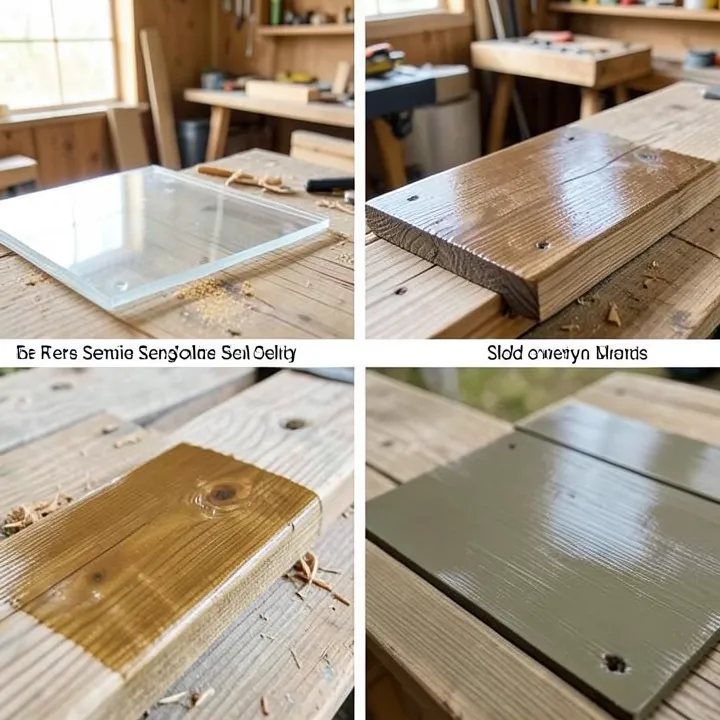
Best Overall Deck Stain Type
Best Overall Deck Stain Pick
SaverSystems #1 Deck Premium Semi-Transparent Wood Stain and Sealer, 1 Gallon
A water-based, low-VOC stain-and-sealer in one that lets the wood grain show through while blocking UV fade.
- Best for: normal decks with visible grain that just need color and UV protection
- Why we picked it: works on damp wood, which shortens the wait between cleaning and staining
- Main drawback: water-based formulas penetrate less deeply than oil-based options, so recoat sooner on high-sun decks
Compare more deck stain options
 Clear Sealer Thompson’s WaterSeal Clear Wood Sealer, 1 Gallon
|
 Semi-Solid Cabot Semi-Solid Wood Stain + Sealer, Low VOC, 1 Gallon
|
 Solid Stain Thompson’s WaterSeal Solid Color Stain and Sealer, 1 Gallon
|
As an Amazon Associate we earn from qualifying purchases.
The best deck stain for most homeowners is a semi-transparent exterior deck stain, recoated roughly every 2 to 3 years. Use solid stain (recoat every 4 to 5 years) for older decks, clear sealer for newer wood you want fully visible, and semi-solid stain when you want more coverage without fully hiding the wood texture.
Best Deck Stain by Deck Condition
| Deck Condition | Best Stain Type | Why It Works |
|---|---|---|
| New wood in good condition | Clear or lightly tinted sealer | Protects the surface while keeping the natural wood look |
| Normal deck with visible grain | Semi-transparent deck stain | Best balance of color, protection, and natural grain |
| Older deck with uneven color | Semi-solid deck stain | Adds more pigment while still showing some texture |
| Weathered or stained deck | Solid deck stain | Hides discoloration, repairs visual flaws, and gives stronger color coverage |
| Pressure-treated wood | Semi-transparent or water-repellent stain | Helps protect outdoor lumber while keeping the wood usable and natural-looking |
| High-sun deck | Semi-solid or solid stain | More pigment usually means better color coverage against UV fading |
What Makes a Deck Stain the Best Choice?
The best deck stain should do more than change the color of your deck. A good deck stain should help protect the wood from moisture, sunlight, foot traffic, and normal outdoor weathering. It should also match the age and condition of your deck. For more on maintaining and protecting deck wood year-round, see our full wood decking guide.
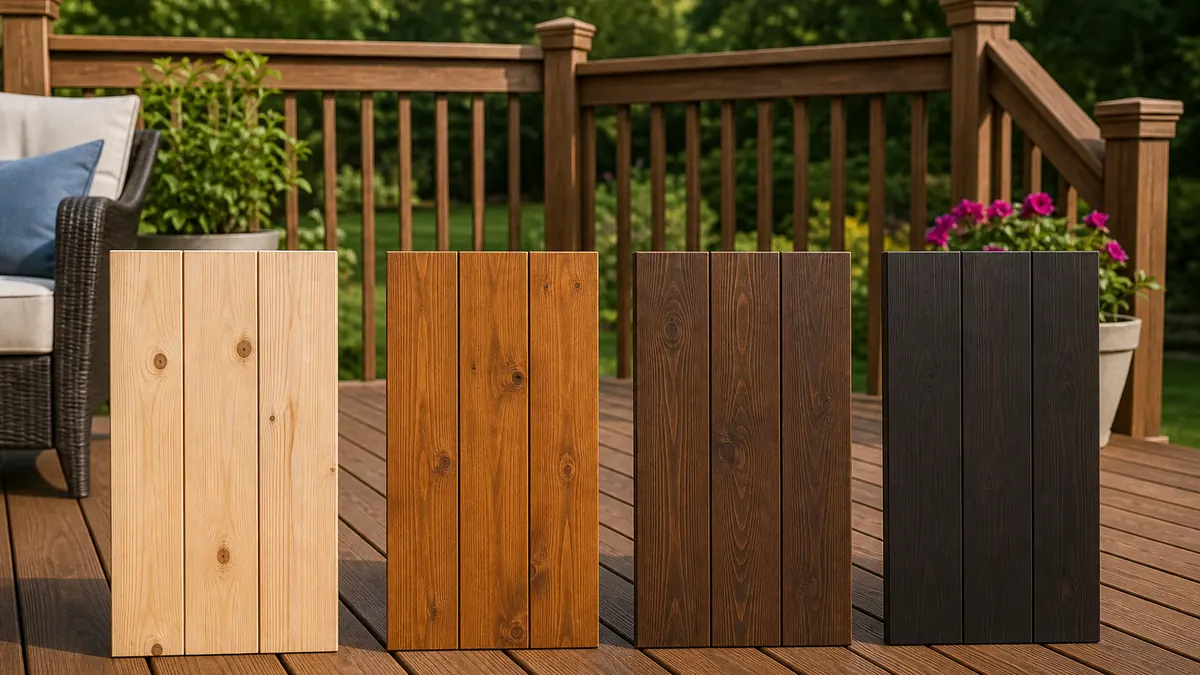
Many homeowners choose the wrong stain because they focus only on color. Color matters, but opacity matters more. Opacity means how much of the wood grain the stain hides or shows. Clear stains show the most wood. Solid stains hide the most wood. Semi-transparent and semi-solid stains fall in the middle.
Clear Deck Stain: Best for New or Beautiful Wood
Clear deck stain or clear deck sealer is best when your deck wood already looks good. It adds protection while keeping the wood’s natural color and grain visible.
- Your deck is new or recently cleaned
- The wood grain looks attractive
- You want a natural, unfinished look
- Your deck does not have heavy discoloration
Semi-Transparent Deck Stain: Best Overall for Most Decks
Semi-transparent deck stain is the best all-around choice for many homeowners. It adds enough pigment to improve color and provide outdoor protection, but it still lets the wood grain show through.
For related wood-staining guidance, read our guide on how to stain cedar and our Sherwin Williams SuperDeck stains review.
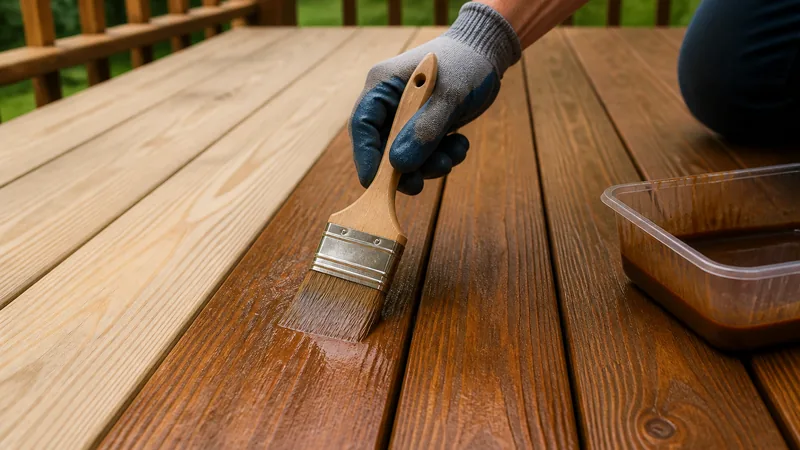
Semi-Solid Deck Stain: Best for Older Decks That Still Have Texture
Semi-solid deck stain gives more color coverage than semi-transparent stain but does not completely hide the wood texture like solid stain. It is a good middle-ground option for decks that are starting to show age but still have some natural character worth keeping.
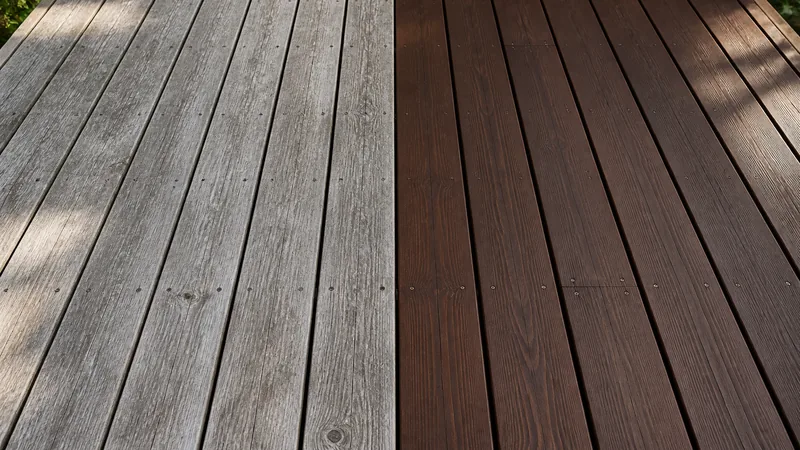
Solid Deck Stain: Best for Old, Weathered, or Mismatched Decks
Solid deck stain is best for old decks, repaired decks, or decks with visible discoloration. It gives the most coverage and hides the most flaws.
How Long Does Deck Stain Take to Dry? (Temp, Dry Time, and Recoat Intervals)
Oil-based deck stain typically needs up to 48 hours before it can handle foot traffic, while water-based stain is usually dry enough to walk on in 2 to 3 hours — though full cure still takes longer for both. Only stain when the air and wood surface are between 50 F and 90 F, out of direct sun and away from rain in the forecast, or the finish can lap-mark and peel early.
| Stain Type | Typical Recoat Interval | Best For |
|---|---|---|
| Toner / clear sealer | Every year | New wood you want to keep looking natural |
| Semi-transparent | Every 2-3 years | Most decks with visible grain |
| Semi-solid | Every 3-4 years | Aging decks that still show some texture |
| Solid | Every 4-5 years | Old, weathered, or heavily repaired decks |
Oil-Based vs Water-Based Deck Stain
| Type | Best For | Main Advantage | Main Trade-Off |
|---|---|---|---|
| Oil-based deck stain | Penetrating into wood and creating a rich natural look | Good penetration and warm appearance | Slower drying and stronger odor |
| Water-based deck stain | Fast cleanup and lower odor projects | Easy cleanup and quick drying | May not penetrate the same way as oil-based options |
For color planning, see our wood stain color chart Minwax guide.
Best Deck Stain for Pressure-Treated Wood
The best deck stain for pressure-treated wood is usually a semi-transparent or water-repellent exterior stain. Most manufacturers recommend waiting at least 6 months after installation before staining, since the lumber needs time to dry out from the treatment process. A quick test: sprinkle water on the surface — if it beads up instead of soaking in, the wood is still too wet to stain.
Read our guide on treated wood for ground contact if your deck or outdoor structure uses pressure-treated lumber, or see our full breakdown on how long to wait before staining treated lumber for the complete timeline.
How to Prepare a Deck Before Staining
Even the best deck stain can fail if the surface is not prepared correctly. Dirt, mildew, old peeling stain, and moisture can stop stain from bonding or soaking into the wood properly.
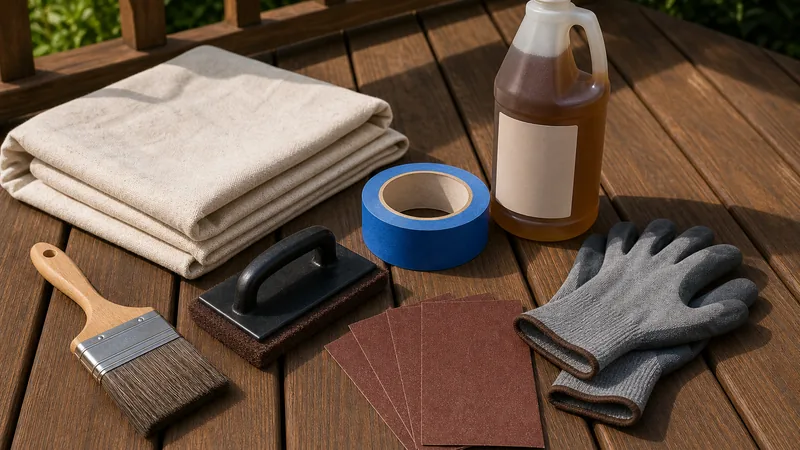
- Remove furniture, planters, rugs, and loose items from the deck.
- Sweep the deck thoroughly.
- Clean the deck with a deck cleaner or wood cleaner.
- Remove peeling stain or loose finish.
- Sand rough spots, splinters, or raised grain.
- Let the deck dry fully before applying stain.
- Test the stain on a small area.
- Apply stain in thin, even coats according to the product instructions.
For the complete step-by-step process — including the weather window, back-brushing technique, and how to spot over-application before it dries — see How to Apply Deck Stain and Sealer.
Common Deck Stain Mistakes
Staining wet wood
If the wood is too wet, stain may not absorb or cure properly. Let the deck dry before staining.
Choosing solid stain for beautiful new wood
Solid stain hides grain. If your deck wood looks good, clear or semi-transparent stain is usually a better choice.
Skipping cleaning
Deck stain should go on clean wood. Dirt, mildew, and old peeling finish can ruin the final result.
Staining pressure-treated wood too soon
Fresh pressure-treated lumber can look dry on the surface while still holding moisture underneath. Stain applied too early often goes blotchy within the first couple of months as the wood keeps releasing moisture.
“We stained a pressure-treated deck early on one job before the wood had fully dried out, and the color went blotchy within about two months. Now every PT deck gets the water-bead test before any stain touches it — it takes thirty seconds and saves a redo.”
Best Deck Stain: Final Recommendation
The best deck stain for most people is a semi-transparent exterior deck stain. It gives the best balance between protection, color, and natural wood appearance. Choose clear sealer for new and attractive wood, semi-solid stain for aging decks that still have texture, and solid stain for old or weathered decks that need stronger coverage.
For more outdoor wood protection tips, read our guide on how to keep wood posts from rotting in the ground.
FAQs About the Best Deck Stain
What is the best type of deck stain?
The best type of deck stain for most decks is semi-transparent exterior deck stain. It adds color and protection while still allowing the wood grain to show.
Is oil-based or water-based deck stain better?
Oil-based deck stain is often chosen for deeper penetration and a rich natural look. Water-based deck stain is easier to clean up, dries faster, and usually has lower odor.
Should I use clear or solid deck stain?
Use clear stain or sealer for new, clean, attractive wood. Use solid deck stain for old, weathered, stained, or mismatched boards that need stronger color coverage.
What is the best deck stain for pressure-treated wood?
A semi-transparent exterior stain or water-repellent deck stain is usually a good choice for pressure-treated wood once the lumber is dry enough to accept stain, typically about 6 months after installation.
Which deck stain lasts the longest?
Oil-based deck stains generally last the longest because they penetrate deeper into the wood fibers, though the actual lifespan still depends on wood type, sun exposure, and how worn the deck was before staining. A well-prepped solid oil-based stain often goes 4 to 5 years between recoats.
What is the most popular deck stain color right now?
Gray and driftwood tones are the fastest-growing deck stain colors because they hide dirt and foot traffic better than lighter shades and pair with almost any siding color. Redwood and cedar tones remain popular classics for stains that highlight natural wood grain.
If the project is a deck, choose a product made for deck traffic and outdoor exposure rather than a general indoor wood stain — see our guide on the best wood stain for project-specific advice.
If you’re staining pressure treated lumber, timing matters — read our guide on how long to wait before staining treated lumber before you start. Pressure treated wood also works well for outdoor furniture once it has dried and been sealed correctly.
Products related to this article
Sponsored / affiliate links. As an Amazon Associate I earn from qualifying purchases. I may earn additional commission from eligible campaigns.