Grey Decking Ideas: 8 Real Color Names + Sun-Heat Data
Grey decking works because it hides everyday dirt better than lighter boards and runs measurably cooler than dark brown or black composite in direct sun – light gray surfaces have measured around 115°F versus 135°F+ for dark brown boards on the same afternoon. Pick the wrong grey, though, and an unprotected board can fade unevenly within a few seasons. This guide covers real Trex and TimberTech grey shades, actual sun-heat data, and furniture pairings that hold up outdoors.
Why Grey Decking Works
Grey decking is an exterior decking finish – either grey-toned composite/PVC boards or wood boards painted or stained grey – that hides surface dirt and UV fading better than lighter tones while staying cooler than dark brown or black composite in direct sun. It pairs with almost any siding color, from white farmhouse trim to natural brick, which is a big reason it’s become one of the most-requested deck colors from manufacturers like Trex and TimberTech.
Why Choose Grey?
- Hides dirt and pollen: Shows less visible grime than white or light tan boards between cleanings.
- Runs cooler than dark colors: Light gray composite measured roughly 20–30°F cooler underfoot than dark brown or black boards in direct sun.
- Matches almost any exterior: Works with white trim, natural brick, and glass or black railings equally well.
- Available with long fade warranties: Premium composite grey lines carry 25–50 year fade-and-stain coverage (see the warranty numbers below).
- Timeless: Grey and “greige” (grey-beige) tones aren’t tied to a specific design decade the way honey-toned wood stains were.

Grey Decking Material Options: Composite, PVC, or Painted Wood
Choosing the right material for your grey decking is essential. Composite, PVC, and painted or stained wood each look grey but perform very differently over time.
Composite vs. Wood vs. PVC
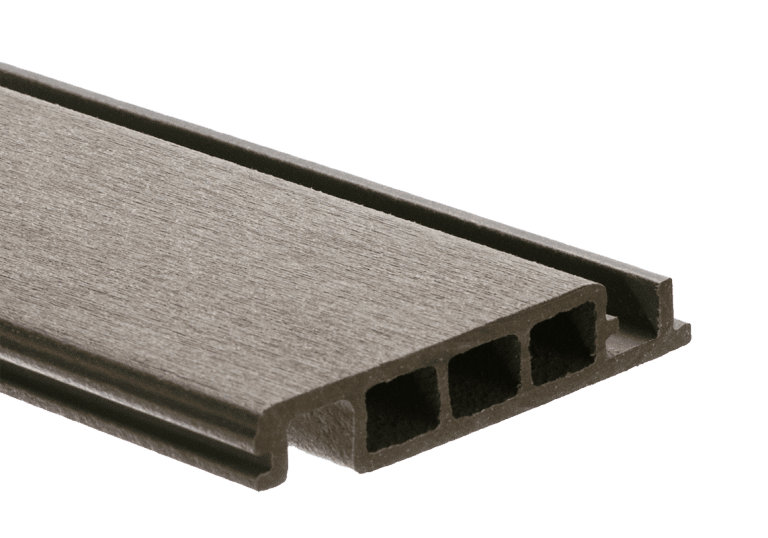
Composite decking blends wood fibers with recycled plastic into a capped board that comes pre-colored in grey – no staining required. Benefits include:
- Resistant to mold and fading when it carries a capped shell
- No staining or sealing required, ever
- Sold in a wide range of factory grey shades (see the real color names below)
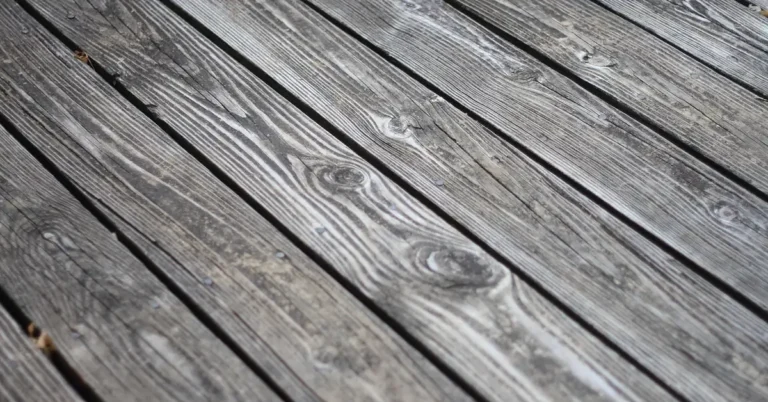
Wood decking provides a classic, natural look and reaches grey one of two ways: you paint or stain it grey immediately, or you leave it unfinished and let UV exposure grey it naturally over 6–12 months. Consider these points:
- Painted/stained grey wood needs re-coating every 2–4 years depending on sun exposure
- Unfinished wood grays unevenly – shaded boards stay browner longer than sun-exposed ones
- Can last 10–20 years with proper maintenance
PVC decking is 100% synthetic (no wood fiber at all), which makes it the most fade- and moisture-resistant of the three, though it typically costs more per board foot than composite.
Durability, Maintenance, and Fade Warranties
Durability is key for grey decking. Composite decking usually lasts longer and withstands weather changes better than painted wood. Here’s a real comparison:
| Material | Lifespan | Maintenance | Fade Warranty |
|---|---|---|---|
| Composite (mid-tier) | 15–30 years | Low | 25–35 years |
| Composite (premium capped) | 25–30+ years | Very low | 50 years |
| PVC | 25–30+ years | Very low | Lifetime (product), 50-yr fade/stain |
| Painted/stained wood | 10–20 years | High | None – re-coat every 2–4 yrs |
📊 Trex backs its grey composite lines with 25-year (Enhance), 35-year (Select), or 50-year (Signature/Transcend) limited fade-and-stain warranties – but that coverage only applies if surface stains are cleaned within 7 days. After a week, Trex’s own warranty no longer covers staining. Source: Trex Owner Warranty Page, 2026
Choose composite or PVC for low maintenance and a real fade warranty. Choose painted or stained wood only if you’re prepared to re-coat it every few years.
Best Grey Deck Stain Pick
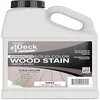 |
#1 Deck Premium Solid Color Wood Stain & Sealer, Gray – $54.95 A one-coat stain-and-sealer combo in Gray for the “paint your wood deck grey” route covered above – opaque coverage hides existing wood grain and mismatched boards instead of just tinting them.
|
As an Amazon Associate we earn from qualifying purchases.
Real Grey Composite Decking Colors (Trex & TimberTech Names)
“Grey decking” isn’t one shade – composite manufacturers sell it in a wide range of named colors, from near-white to charcoal. Knowing the actual names helps when you’re comparing samples or a grey composite deck build in person.
| Color Name | Brand | Description |
|---|---|---|
| Pebble Grey | Trex | Light heather grey with a wood-like grain pattern |
| Island Mist | Trex | Cool silver-grey meant to mimic weathered driftwood |
| Clam Shell | Trex | Easy-to-match medium grey |
| Rocky Harbor | Trex | Rustic slate grey with sandy undertones |
| Foggy Wharf | Trex | Salty grey blended with dark silver |
| Millstone | Trex | Weathered grey with charcoal undertones |
TimberTech’s grey lineup follows the same idea – lighter “Coastline”-style greys for a driftwood look and darker slate greys for a more modern, high-contrast deck. Bring an actual board sample outside before ordering; grey reads differently in a showroom than it does under your own roofline and siding color.
Does Grey Decking Get Hot in the Sun? (Real Temperature Data)
Yes, but far less than dark composite. Independent deck-builder testing has recorded light gray composite boards around 115–140°F in direct sun on a hot day, while dark brown boards on the same day reached 135–190°F and black composite topped 200°F. That’s a 20–30°F (or more) swing based on color alone.
📊 Light gray composite decking can run 20–30°F cooler underfoot than dark brown or black composite on the same sunny day. Source: TimberTech, Heat-Resistant Composite Decking guide, 2026
If bare feet and hot afternoons matter more to you than a specific shade, ask for the lightest grey in a manufacturer’s line – the color difference between the lightest and darkest grey option can be worth more in surface temperature than switching from composite to a dedicated heat-resistant composite board.
Manufacturers now position grey and “greige” composite decking as the finish that hides everyday dirt and pairs with almost any siding color, from white farmhouse trim to natural brick – a shift visible across both Trex’s and TimberTech’s own 2026 grey-decking design guides.
Design Inspirations That Actually Work
Choosing grey decking opens a lot of pairing options. Here are the combinations that show up most often in real installs, not just renderings.
Modern Minimalism
Modern minimalism focuses on simplicity and clean lines. Grey decking complements this style because it doesn’t compete with matte-black or glass railings.
- Use clean-lined, low-profile furniture instead of ornate pieces.
- Pair light grey boards with matte black or glass railings for contrast.
- Keep the palette to two or three colors total, including the decking.
Monochromatic and Greige Pairings
A monochromatic deck matches the board color to the house siding and railing – light grey decking with grey siding and shingles reads as one continuous surface. “Greige” (a grey-beige blend) is the warmer alternative: it still hides dirt like a true grey but looks less stark against natural stone, brick, or wood-toned furniture, and it works with both dark, modern railings and softer glass panels.
Rustic Charm
Rustic charm brings warmth and coziness. Grey decking pairs well with natural elements when you lean into texture instead of polish.
| Element | How to Use It |
|---|---|
| Wood Accents | Use reclaimed wood for furniture and decor to add tone variation against the flat grey. |
| Natural Textures | Add cushions and throws in earthy tones – rust, olive, and cream read well against grey. |
| Plants | Incorporate greenery in weathered terracotta or dark metal planters for a fresh look. |
Accentuating With Furniture
Grey decking provides a neutral backdrop, which means the furniture does more of the visual work than it would on a warm-toned wood deck.
Choosing The Right Pieces
- Wooden Furniture: Adds warmth and texture against a cooler grey.
- Metal Furniture: Provides a modern, sleek look that matches minimalist grey decks.
- Wicker or Rattan: Offers a cozy, inviting feel for rustic-leaning designs.
- Fabric Cushions: Choose weather-resistant (solution-dyed acrylic) fabric, not indoor upholstery.
Color Coordination
| Color | Effect With Grey |
|---|---|
| White | Creates a fresh, clean, coastal look. |
| Bold Colors | Adds vibrancy – works best in small doses (cushions, one accent chair). |
| Pastels | Provides a soft, calming effect for a reading nook or lounge area. |
| Earth Tones | Brings warmth and softens a stark, modern grey deck. |
Lighting And Ambience
Grey decking reflects light differently than dark wood – warm-white bulbs (2700K) generally look better against grey boards than cool-white or daylight bulbs, which can make grey read flat or blue-tinted after dark.
Strategic Placement
- Pathway Lights: Line walkways for safety and to highlight the board direction.
- Spotlights: Focus on trees or plants for a dramatic effect against the neutral deck.
- Wall Sconces: Mount on the house wall for a cozy glow without cluttering the deck surface.
- Under-Railing Lights: Illuminate railings for added safety on raised or above-ground decks.
Landscaping Around Your Deck
Landscaping around your grey decking enhances its beauty and softens what can otherwise be a flat, neutral surface.
Incorporating Greenery
- Container Plants: Use pots to showcase vibrant flowers against the neutral boards.
- Vertical Gardens: Install trellises or wall planters for space-saving greenery.
- Hanging Baskets: Hang baskets at railing height to add color at eye level.
Choose plants that thrive in your climate. Native plants require less maintenance, and evergreens keep color on the deck through winter when everything else has faded.
Complementary Plant Selection
| Plant Type | Color | Height |
|---|---|---|
| Lavender | Purple | 2–3 feet |
| Hosta | Green | 1–2 feet |
| Ornamental Grass | Tan | 3–5 feet |
| Petunias | Various | 1 foot |
Accessorizing Your Grey Deck
Accessorizing your grey deck can transform it into a cozy retreat. Thoughtful choices add style and comfort without fighting the neutral base color.
Outdoor Rugs And Cushions
- Choose bold colors: Bright hues contrast nicely with grey without looking busy.
- Use patterns: Stripes or florals add visual interest to a flat grey deck.
- Pick weather-resistant materials: Solution-dyed, mildew-resistant fabrics last outdoors.
Decorative Accents
| Accent Type | Description |
|---|---|
| Planters | Add greenery and life to your space. |
| String Lights | Create a warm evening ambiance against cool grey boards. |
| Wall Art | Enhance walls with weather-resistant art pieces. |
Maintenance Tips For Longevity
Taking care of your grey decking keeps it looking sharp and protects the warranty coverage discussed above.
Regular Cleaning
- Sweep weekly: Remove dirt and debris before it grinds into the board surface.
- Rinse with water: A garden hose handles most routine grime.
- Use mild soap for stains: Mix soap and water for food, drink, or mildew stains – and clean within 7 days if you want to stay inside most composite warranty terms (see the warranty note above).
- Soft-bristle brush only: A stiff or wire brush can scratch a composite board’s capped shell.
Seasonal Care
| Season | Care Tips |
|---|---|
| Spring | Inspect for winter damage; clean thoroughly to remove debris. |
| Summer | Keep shaded areas clean; check for mold growth in low-airflow corners. |
| Fall | Clear leaves and debris promptly – wet leaves left on grey boards can leave tannin stains. |
| Winter | Remove snow with a plastic shovel; inspect for ice buildup on stairs. |
Following these seasonal tips keeps your deck safe and protects the fade-and-stain warranty coverage most composite manufacturers require you to maintain.
Frequently Asked Questions
What Are The Benefits Of Grey Decking?
Grey decking offers a modern aesthetic that complements most siding and railing colors. It hides dirt and stains better than lighter shades, runs cooler than dark brown or black composite in direct sun, and premium composite grey lines carry 25–50 year fade-and-stain warranties.
How To Choose The Right Grey Decking Material?
Consider composite, PVC, or painted/stained wood. Composite and PVC need no staining and come with real fade warranties; painted or stained wood costs less upfront but needs re-coating every 2–4 years. Check slip resistance and your local climate before choosing a specific shade.
Can Grey Decking Match Other Outdoor Elements?
Yes. Grey decking pairs well with natural stone, brick, and garden plants, and it coordinates with both matte-black modern railings and softer glass railings. Choose accessories in bold colors for a striking contrast against the grey backdrop.
Is Grey Decking Suitable For Small Spaces?
Yes. Its neutral tone can make small outdoor areas feel larger and more open, especially in a lighter shade like Pebble Grey or Clam Shell. Combine it with lighter furniture and vertical planters to keep the space feeling airy.
How Hot Does Grey Decking Get In The Sun Compared To Darker Colors?
Light gray composite decking typically runs 20–30°F cooler than dark brown or black composite on the same sunny day – tests have recorded light gray boards around 115–140°F versus 190–200°F for the darkest composite colors.
What Are The Most Popular Grey Composite Decking Colors?
Trex’s grey lineup includes Pebble Grey, Island Mist, Clam Shell, Rocky Harbor, Foggy Wharf, and Millstone, ranging from light heather grey to charcoal-toned slate. TimberTech offers a similar range from driftwood-light to dark modern greys.
Does Grey Decking Fade Over Time?
Capped composite and PVC grey decking resist fading for the length of their warranty (25–50 years for most premium Trex lines), provided stains are cleaned within about 7 days. Painted or stained wood decking fades faster and typically needs re-coating every 2–4 years.
Conclusion
Grey decking offers versatility and a genuine performance edge – it hides dirt, runs cooler in direct sun than dark composite, and comes with real fade warranties when you choose a capped composite or PVC board. Whether you go with a named Trex or TimberTech grey, or paint an existing wood deck grey with a solid-color stain, pick the specific shade in person under your own roofline before committing to a full deck’s worth of boards. For more ways to style a deck beyond color – lighting, furniture, and seasonal touches – see our cool decking ideas guide.
Sponsored / affiliate links. As an Amazon Associate I earn from qualifying purchases. I may earn additional commission from eligible campaigns.
 SuperStructuring Plugs for Decking - 1/4" Trex Composite Decking Wood Plugs, Weather-Resistant, UV Protection, Hole Covers for Outdoor Home Improvement & Repair - Enhance Naturals Foggy Wharf, 100-PcSuperStructuring Plugs for Decking - 1/4" Trex Composite Decking Wood Plugs, Weather-Resistant, UV Protection, Hole Covers for Outdoor Home Improvement & Repair - Transcend Tiki Torch, 100-Pc