Unlocking the Power of the Delta Table Saw Extension Wing: A Woodworker’s Guide
Hey there, fellow woodworker! If you’re reading this, chances are you’re as passionate about crafting beautiful pieces from wood as I am. There’s something incredibly satisfying about turning a rough piece of lumber into a polished masterpiece, isn’t there? But let’s be real—sometimes our tools need a little extra love to keep up with our big ideas. That’s where the Delta table saw extension wing comes in. I’ve spent countless hours in my workshop tinkering with my Delta table saw, and adding an extension wing was a game-changer.
It gave me more space, better precision, and opened up a world of possibilities for my projects. In this guide, I’m going to walk you through everything I’ve learned about Delta table saw extension wings—why they matter, how to choose one, and how to make the most of them. So, grab a cup of coffee, pull up a chair, and let’s dive into this woodworking adventure together!
Why a Delta Table Saw Extension Wing Matters
When I first got my Delta table saw, I was thrilled with its power and precision. But as I started tackling larger projects—like building a dining table or cutting wide plywood sheets—I noticed my workspace felt cramped. The stock table was just too small to support bigger pieces safely. That’s when I realized an extension wing wasn’t just a luxury; it was a necessity.
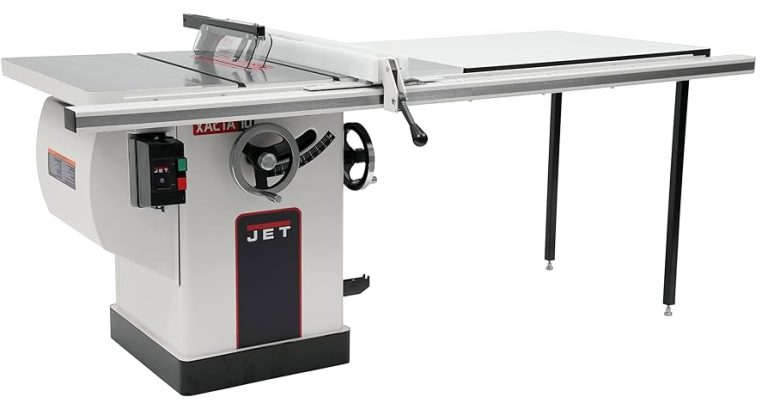
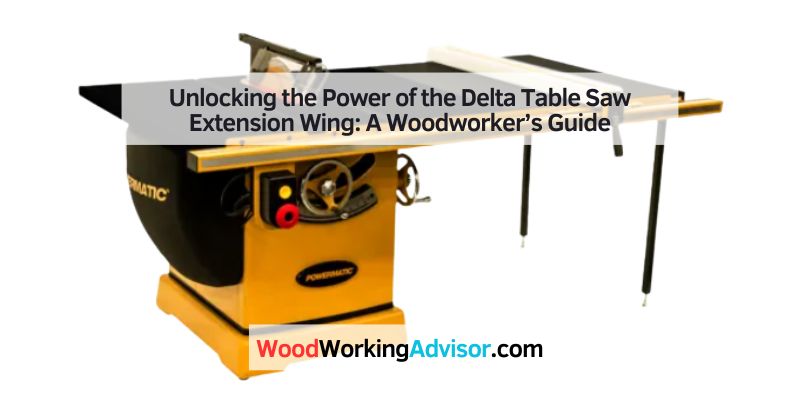
A Delta table saw extension wing expands the surface area of your saw, giving you more room to maneuver large workpieces. It’s like adding an extra lane to a highway—suddenly, everything flows better. These wings stabilize your material, reduce the risk of kickback, and make your cuts more accurate. Plus, they can double as a router table or extra workspace, which is a huge win for anyone with a small shop like mine. Whether you’re a weekend hobbyist or a seasoned pro, an extension wing can transform how you work.
Types of Delta Table Saw Extension Wings
One of the first things I discovered when shopping for an extension wing was the variety of options out there. Not all wings are created equal, and choosing the right one depends on your needs, budget, and the Delta saw model you own. Let me break down the main types I’ve come across.
Cast Iron Extension Wings
Cast iron wings are the gold standard for many woodworkers, and I can see why. They’re heavy, sturdy, and match the main table of most Delta saws perfectly. When I upgraded to a cast iron wing, I noticed my cuts were smoother because the extra weight reduced vibrations. These wings are often 27” wide to match the depth of Delta saws like the 36-725 or Unisaw. They’re pricier, but the durability and precision are worth it if you’re serious about woodworking.
Steel Extension Wings
Steel wings are lighter and more affordable than cast iron. My first Delta saw came with stamped steel wings, and while they got the job done, they weren’t as flat or stable as I’d hoped. They’re a good budget option, especially if you’re just starting out, but they can flex under heavy loads. If you’re cutting smaller pieces or don’t need a perfectly flat surface, steel wings might be fine for you.
Custom-Built Wooden Wings
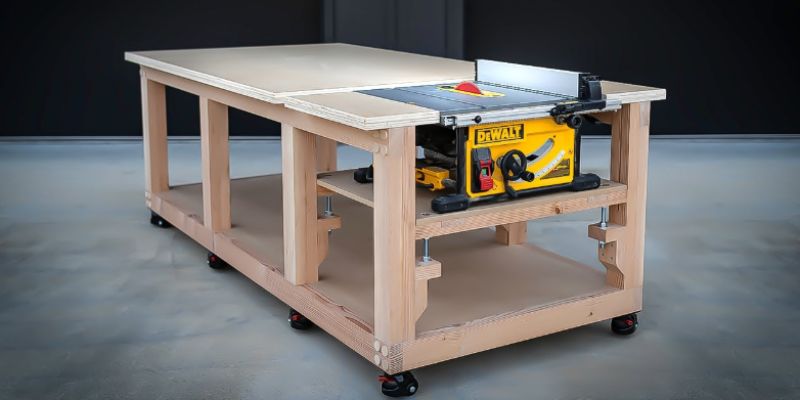
Here’s where things get fun. I’ve built a few wooden extension wings myself, and it’s a rewarding project. Using materials like MDF or plywood, you can create a wing tailored to your exact needs. I made one with a laminated Formica top for a slick surface, and it’s held up great in my humid garage. Wooden wings are budget-friendly and customizable, but they require more effort to keep flat and stable over time.
Router Table Extension Wings
This is my favorite type! A router table extension wing replaces one of your saw’s wings and lets you mount a router underneath. It’s a space-saver for small shops like mine. I installed one on the left side of my Delta 36-725, and now I can switch between sawing and routing without taking up extra floor space. Some come pre-made with inserts, while others you build yourself. Either way, it’s a game-changer for multitasking.
Here’s a quick comparison to help you decide:
| Type | Pros | Cons | Best For |
|---|---|---|---|
| Cast Iron | Durable, stable, reduces vibrations, matches Delta saw aesthetics | Expensive, heavy, harder to install | Serious hobbyists, professionals |
| Steel | Affordable, lightweight, easy to install | Less stable, may flex, not as flat | Beginners, budget-conscious users |
| Custom Wooden | Budget-friendly, customizable, can be laminated for durability | Requires maintenance, less stable than metal | DIY enthusiasts, small shops |
| Router Table Wing | Saves space, adds routing functionality, customizable | Complex to build/install, may need additional support | Multitaskers, small shop owners |
Choosing the Right Extension Wing for Your Delta Table Saw
Picking the right extension wing can feel overwhelming, especially with so many options. I remember staring at my Delta 36-725, wondering which wing would fit and how it would change my workflow. Here’s what I’ve learned to help you make the best choice.
First, check your saw’s model. Delta saws like the 36-725, 34-444, or Unisaw have specific table depths (usually 27”). Make sure the wing matches this depth for a seamless fit. I learned this the hard way when I ordered a wing that was too short and had to shim it to align properly.
Next, consider your shop space. My garage is tight, so I opted for a 27” x 16” router table wing to maximize functionality without eating up floor space. If you have a larger shop, a 47” wing might be better for cutting wide panels. Also, think about weight. Cast iron wings are heavy—great for stability but tough to move if your saw is on a mobile base like mine.
Finally, think about your projects. If you’re cutting large plywood sheets, a longer wing (like 32” or 47”) is ideal. For smaller projects or routing, a shorter wing with a router insert might be enough. I also recommend checking compatibility with your fence rails. Some wings require longer rails or additional drilling, which I’ll cover later.
Installing a Delta Table Saw Extension Wing
Installing an extension wing can seem daunting, but I promise it’s doable with some patience. I’ve installed both cast iron and wooden wings on my Delta saw, and while it took some trial and error, the process is straightforward once you know the steps.
Tools and Materials You’ll Need
Before you start, gather these tools: a drill, tap-and-die set (for cast iron wings), wrenches, a level, clamps, and bolts (usually 5/16” or 1/4” depending on your saw). If you’re building a wooden wing, you’ll also need MDF, plywood, or hardwood, plus glue, screws, and a laminate like Formica for the top.
Step-by-Step Installation
- Remove the Existing Wing: Most Delta saws have stamped steel wings attached with bolts. Use a socket wrench (13mm or 17mm, depending on your model) to remove them. I found it helpful to support the wing with a block of wood to avoid straining the bolts.
- Prepare the New Wing: For cast iron wings, you may need to drill and tap holes to match your saw’s mounting points. I used a 5/16” bit and tap for my Delta 36-725. For wooden wings, cut your material to size (e.g., 27” x 16”) and laminate the top for a smooth surface.
- Align the Wing: This is the trickiest part. Clamp the new wing to the saw’s table and use a straightedge to ensure it’s flush with the main tabletop. I used two 3’ boards clamped across the table to hold everything in place while I marked the mounting holes.
- Drill and Bolt: Drill pilot holes through the wing and into the saw’s frame or rails. For cast iron, tap the holes for bolts. For wooden wings, I used 1/2” holes for some wiggle room to adjust alignment. Secure the wing with bolts and washers, tightening gradually to avoid warping.
- Check for Flatness: Use a level to confirm the wing is even with the table. If it’s slightly off, you can shim with washers or adjust with setscrews (more on that later). I spent an extra 20 minutes tweaking this, and it made a huge difference in cut quality.
- Test and Adjust: Run a piece of scrap wood across the table to ensure it slides smoothly. If you’re adding a router insert, cut the opening now and mount your router plate.
Pro tip: If you’re installing a heavy cast iron wing, get a friend to help. I nearly dropped mine trying to do it solo, and it’s not a mistake I’ll make again!
Building Your Own Delta Table Saw Extension Wing
If you’re like me and love a good DIY project, building your own extension wing is incredibly rewarding. I built a router table wing for my Delta 36-725, and it’s one of my proudest shop upgrades. Here’s how I did it.
Materials and Design
I used 3/4” MDF for the top because it’s flat and affordable. To make it stronger, I laminated two layers for a 1.5” thick surface, then covered it with white Formica for durability. For the frame, I used 1×3 pine boards to create a skirt around the edges. This adds stability and gives the wing a polished look. If you’re in a humid area, consider sealing the wood to prevent warping.
Construction Steps
- Cut the Top: Measure your saw’s table depth (mine was 27”) and decide on the width. I went with 16” to keep it compact. Cut the MDF to size using a circular saw or table saw.
- Laminate the Surface: Apply contact cement to the MDF and Formica, then press them together. I used a roller to ensure a tight bond. Trim excess Formica with a router for a clean edge.
- Build the Frame: Cut pine boards to frame the MDF. I chamfered the top edges for a sleek look. Glue and screw the frame to the MDF, ensuring everything is square.
- Add Support: Since my wing extended beyond the fence rails, I added two 3/4” oak plywood panels underneath for extra strength. This also made it easier to mount the router plate.
- Mount to the Saw: Follow the installation steps above, ensuring the wing is flush with the table. I cut small notches in the frame to fit around the saw’s bump-outs.
Router Table Integration
To add a router, I used a Kreg router plate and cut a 9-1/4” x 11-3/4” opening in the wing. I also installed T-tracks for a fence and a safety power switch for convenience. This setup lets me route and saw without moving my workpiece, which saves so much time.
Maintaining and Adjusting Your Extension Wing
Once your wing is installed, a little maintenance goes a long way. I learned this after noticing my wooden wing started to sag slightly after a year. Here’s how I keep mine in top shape.
Keeping It Flat
For wooden wings, check for warping every few months, especially in humid climates. I apply a fresh coat of paste wax to the surface to keep it slick and protected. For cast iron wings, clean off rust with a wire brush and apply a rust inhibitor. I also use a straightedge to check flatness and shim with washers if needed.
Adjusting for Precision
If your wing isn’t perfectly aligned, you can use setscrews or cams for fine adjustments. I drilled four holes in my wooden wing and added setscrews to tweak the height. This saved me from scrapping a wing when my drill holes were slightly off. For cast iron wings, panhead bolts give more adjustment room than tapered screws.
Dust Collection
If you add a router to your wing, dust collection is a must. I built a simple fence with a dust port that connects to my shop vac. It’s not perfect, but it keeps my workspace cleaner and safer.
Benefits of a Delta Table Saw Extension Wing
Adding an extension wing to my Delta saw was like giving it a superpower. Here are the biggest benefits I’ve experienced:
- More Workspace: I can now handle 4×8 plywood sheets without them teetering off the edge.
- Improved Safety: A larger table supports the workpiece better, reducing the chance of kickback.
- Versatility: My router table wing lets me switch tasks without rearranging my shop.
- Precision: A flat, stable surface means cleaner, more accurate cuts.
- Space Efficiency: Combining a router table with my saw freed up valuable floor space.
Common Challenges and How to Overcome Them
No upgrade is without its hiccups. Here are some issues I faced and how I solved them.
- Alignment Issues: My first wing wasn’t flush, causing uneven cuts. Using a straightedge and shims fixed it.
- Weight Concerns: My cast iron wing made my mobile base wobbly. I added a support leg to stabilize it.
- Warping on Wooden Wings: Humidity caused slight warping in my MDF wing. Sealing it and checking flatness regularly helps.
- Fence Rail Compatibility: My wing required longer rails. I found compatible Delta rails online, but you can also drill new holes if needed.
Where to Buy Delta Table Saw Extension Wings
If you’re not up for building your own, there are plenty of places to buy pre-made wings. I’ve had luck finding cast iron and steel wings on eBay, Amazon, and Mike’s Tools. Infinity Tools offers excellent router table wings, especially for Delta saws with 36” or 52” fences. Prices range from $50 for used steel wings to $200+ for new cast iron or router table setups. Always check the dimensions and compatibility with your saw model before buying.
My Final Thoughts
Adding a Delta table saw extension wing to my workshop was one of the best decisions I’ve made. It’s not just about having more space—it’s about working smarter, safer, and with more confidence. Whether you choose a cast iron wing for its durability, a wooden wing for its affordability, or a router table wing for its versatility, you’re investing in your craft. I remember the first time I cut a full plywood sheet with my new wing; it felt like my saw had grown wings of its own, letting my projects soar to new heights. So, take the plunge, find the right wing for your Delta saw, and watch your woodworking game level up. Happy sawing!
FAQs
What is a Delta table saw extension wing?
It’s an add-on that increases the surface area of your Delta table saw’s table. It gives you more space to support large workpieces, improves safety, and can even serve as a router table.
Can I use any extension wing with my Delta table saw?
Not always. You need to match the wing’s depth (usually 27”) to your saw’s table and ensure it fits your fence rails. Check your model’s specs before buying.
Should I buy a cast iron or wooden extension wing?
Cast iron is more durable and stable but expensive and heavy. Wooden wings are affordable and customizable but need more maintenance. Choose based on your budget and projects.
How do I keep my extension wing flat?
For wooden wings, seal the material and check for warping regularly. For cast iron, clean off rust and apply wax. Use a straightedge to ensure flatness and shim if needed.
Can I add a router to my extension wing?
Yes! A router table wing is a great way to save space. You can buy a pre-made one or build your own with a router plate insert. Just ensure it’s sturdy and has dust collection.
How hard is it to install an extension wing?
It’s manageable with basic tools and patience. Aligning the wing flush with the table is the trickiest part, but using clamps and a straightedge makes it easier.