3 HP Table Saw: Power Needs, Wiring and Best Models (2026)
A 3 HP table saw is the point where a table saw stops being a “get by” tool and starts acting like a real cabinet-shop machine: enough torque to rip thick hardwood and sheet goods without the blade bogging down, but also enough draw that it needs its own 220-240V circuit rather than a standard wall outlet. Before you buy one, it’s worth knowing exactly what that extra horsepower changes, what it costs you in wiring, and which real models are worth the money.
What a 3 HP Table Saw Actually Gets You
Best True 3 HP Cabinet Saw
 |
Grizzly G0651 10″ 3 HP Cabinet Table Saw – $3,499 It’s the benchmark true-3-HP cabinet saw we reference throughout this guide: a real 220V single-phase induction motor with a 52″ rip capacity for full sheet goods.
|
“3 HP” on a table saw label almost always means a continuous-duty induction motor, not the inflated “peak horsepower” numbers you see on benchtop jobsite saws. In practice that extra torque matters most in two situations: ripping thick (8/4 and up) hardwood lengthwise, and cutting dense sheet goods like melamine or Baltic birch plywood, where a weaker motor slows down mid-cut and leaves burn marks or a wavy edge. If you mostly cross-cut 3/4″ plywood and cabinet-grade softwoods, a 1.5-1.75 HP contractor saw is usually enough; 3 HP is for shops that regularly push thicker or harder material through the blade.
Power Requirements: 220-240V Wiring, Amperage & Circuit Breakers
This is the part that catches people off guard. Nearly every true 3 HP table saw on the market is wired for 220-240V single-phase power, not the standard 110-120V household outlet. On 240V, a 3 HP motor typically draws around 12-15 amps, which means the saw needs its own dedicated circuit with a 20-amp (sometimes 30-amp, check the specific model’s nameplate) double-pole breaker — not a circuit shared with lights, a dust collector, or another tool. Running it on an undersized circuit or an extension cord rated for lighter loads is a real fire and nuisance-tripping risk, not just a performance issue.
If your shop only has 110V outlets, budget for an electrician to run a 240V line before you buy, or look specifically at saws advertised as dual-voltage (some cabinet saws can be rewired between 120V and 240V, though HP and torque are usually only at their rated maximum on the higher voltage). Always confirm the exact amperage and breaker size on the saw’s own nameplate and installation manual rather than assuming — requirements vary by brand and model, and getting this wrong is a genuine electrical-safety issue, not just a technicality.
Cabinet vs. Contractor vs. Hybrid: Where 3 HP Fits
Table saws are generally grouped by cabinet design, and that grouping tracks closely with available horsepower:
- Jobsite/benchtop saws – typically 1.5-2 HP (often on universal motors with inflated “peak HP” ratings), 110V, portable. Fine for framing and light cabinet work, not built for continuous heavy ripping.
- Contractor saws – usually 1.5-2 HP induction motors, open-base stands, 110V or convertible to 220V. A step up in stability but still short of true 3 HP torque.
- Hybrid saws – around 1.75-2 HP, enclosed or semi-enclosed cabinets for better dust collection, a middle ground in both price and power.
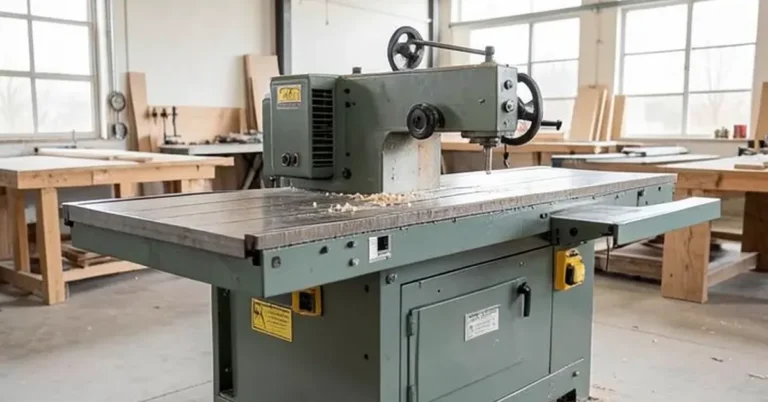
- Cabinet saws – where nearly all genuine 3 HP (and up to 5 HP or more) motors live. Fully enclosed base, heavier trunnions, and the rigidity to keep a 3 HP motor’s extra torque from translating into vibration.
If you’re weighing torque and safety features together rather than torque alone, our 1.75 HP vs. 3 HP SawStop comparison breaks down exactly how much practical difference that extra 1.25 HP makes on flesh-sensing cabinet saws specifically, including rip capacity and price gaps between the two SawStop tiers.
Real 3 HP Table Saw Models Worth Considering
A handful of brands make up most of the true 3 HP cabinet saw market. Rather than a list of scraped retailer prices, here’s what actually separates them:
- Grizzly G0651 / G1023RL – the value benchmark in the category: cast-iron tables, 220-240V single-phase 3 HP induction motors, 52″ or 32″ rip capacity depending on the model, and a lower price point than the premium brands below.
- SawStop Professional Cabinet Saw (3 HP) – adds flesh-detection technology that stops the blade in milliseconds on contact with skin, at a meaningfully higher price than a comparable non-safety-brake cabinet saw.
- Powermatic PM1000/PM2000 series – known for tight tolerances out of the box and a heavier overall casting, aimed at shops that want less setup fuss.
- Delta Unisaw – a long-running cabinet saw platform with a reputation for durability and parts availability, popular in shops that already own older Delta accessories.
Across all of these, the spec worth comparing first is real continuous-duty horsepower and voltage (not a marketing “peak HP” number), followed by rip capacity, trunnion/table casting weight, and whether the fence system is rack-and-pinion or a simpler clamp style.
Used cabinet saws are also worth a look in this category. Because cast-iron cabinet saws are built to last decades and don’t have the electronics that make some newer tools obsolete, a well-maintained 20-year-old Delta Unisaw or older Powermatic can still outperform a budget benchtop saw. When shopping used, check the table for rust or warping, spin the arbor by hand to feel for bearing play, and confirm the original wiring matches your shop’s voltage before you move it — rewiring an old three-phase industrial saw for home single-phase power is a job for an electrician, not a weekend project.
Dust Collection and Noise at 3 HP
A bigger motor also means more sawdust generated per cut and, on an open-base saw, a louder overall footprint. Enclosed cabinet saws are noticeably better at containing dust because the cabinet itself acts as a collection shroud around the blade — connect a dust collector rated for at least 4″ hose diameter and 350-400 CFM to the saw’s built-in port for it to actually keep up with a 3 HP motor’s chip load. Hearing protection is worth wearing regardless of saw size, but the sustained motor noise on a cabinet saw under load is a real step up from a benchtop saw, and it’s worth factoring into where in a home shop or garage you place it.
Safety Essentials for High-Horsepower Table Saws
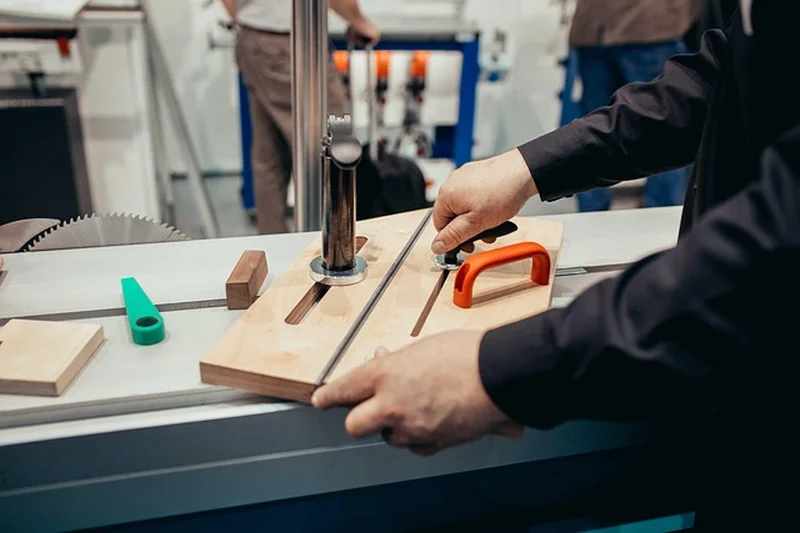
More torque means a saw that’s less likely to stall mid-cut — which also means it’s less forgiving if your hands, a push stick, or a piece of scrap ends up somewhere they shouldn’t. A few things matter more on a 3 HP saw specifically:
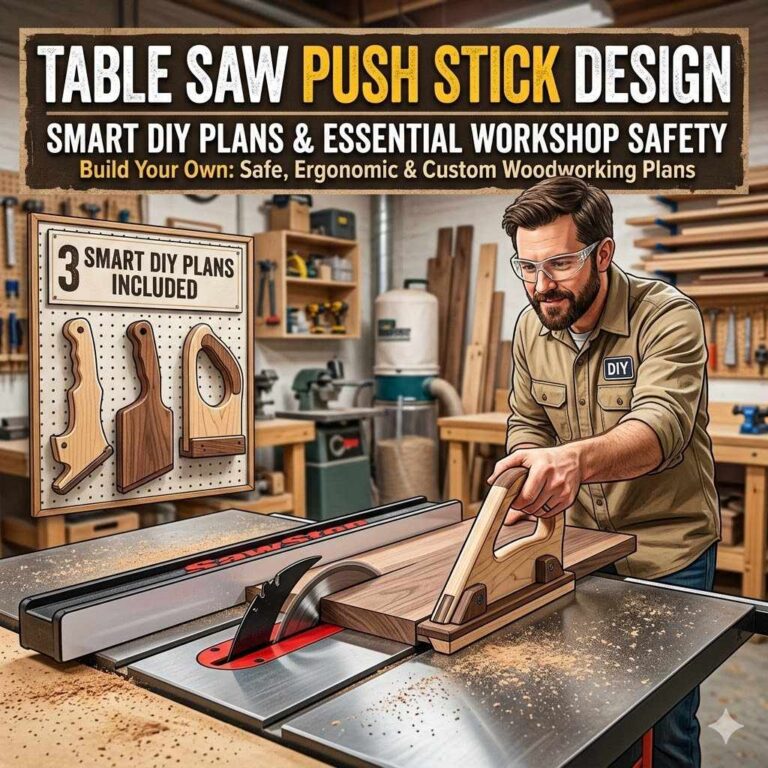
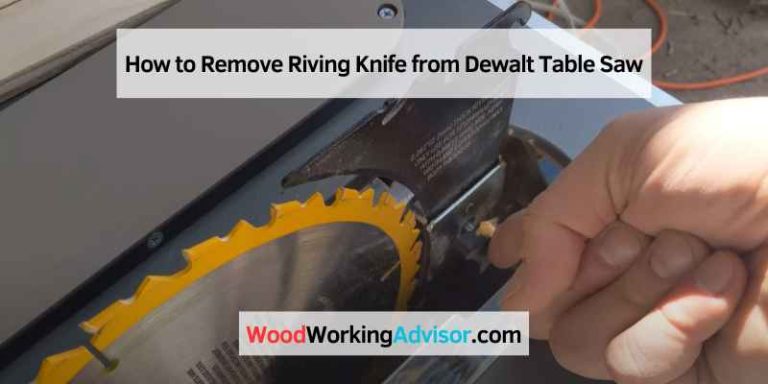
- Always use a push stick or push block for any rip narrower than about 6″, and keep the riving knife or splitter installed — it’s the main defense against kickback, which is more violent at higher motor torque.
- Confirm the blade guard and anti-kickback pawls are in place for general ripping; only remove them for cuts that specifically require it (like some dado or non-through cuts), and reinstall immediately after.
- Verify the circuit is properly grounded and the breaker matches the saw’s rated amperage before first use — see the wiring section above.
- If flesh-detection matters to your shop, that’s a saw-selection decision (like SawStop’s cabinet saws), not an aftermarket add-on for a standard cabinet saw.
Frequently Asked Questions
How Many Horsepower Is A Sawstop Contractor Saw?
SawStop’s Contractor Saw is rated at 1.75 HP on a 110V/120V circuit (it can also be wired for 220V/240V). Its Professional Cabinet Saw line is where SawStop offers true 3 HP, 220-240V options.
How Much Power Do I Need To Run A Table Saw?
Benchtop and jobsite saws typically run on a standard 110-120V, 15-amp household circuit. True 3 HP (and larger) cabinet saws need a dedicated 220-240V circuit, generally with a 20-amp double-pole breaker — always confirm the exact amperage on your specific saw’s nameplate rather than assuming.
How Many Horsepower Is The Ridgid Table Saw?
Ridgid’s table saw lineup is mostly jobsite and portable models in the 15-amp (110V) class rather than true 3 HP cabinet saws; specific motor ratings vary by model, so check the model number on the saw’s data plate against Ridgid’s published specs.
What Is The Deepest Cut On A Table Saw?
Most 10″ table saws, including 3 HP cabinet models, max out around 3 to 3-3/16″ of depth of cut at 90 degrees with the blade fully raised, dropping to roughly 2-1/8″ to 2-3/8″ at a 45-degree bevel. Exact figures vary by model, so check the specific saw’s spec sheet before planning a cut that needs the full depth.
Bottom Line
A 3 HP table saw is worth the extra cost and the 220-240V wiring project if you regularly rip thick hardwood or dense sheet goods and want a motor that won’t bog down mid-cut. If your work is mostly lighter cross-cuts and 3/4″ plywood, a well-built contractor or hybrid saw at 1.5-1.75 HP will likely serve you just as well for less money and no electrical upgrade. Either way, match the saw’s real continuous-duty horsepower and voltage requirements to your shop’s wiring before you buy, not after.
Sponsored / affiliate links. As an Amazon Associate I earn from qualifying purchases. I may earn additional commission from eligible campaigns.