DeWalt 7790 Radial Arm Saw Review: Setup, Cuts & Safety
The DeWalt 7790 radial arm saw is a robust tool for various woodworking tasks. It offers good power and versatility for crosscuts, rip cuts, and dado operations. Understanding its setup, operation, and safety features is key to unlocking its full potential in your workshop.
What is the DeWalt 7790 Radial Arm Saw?
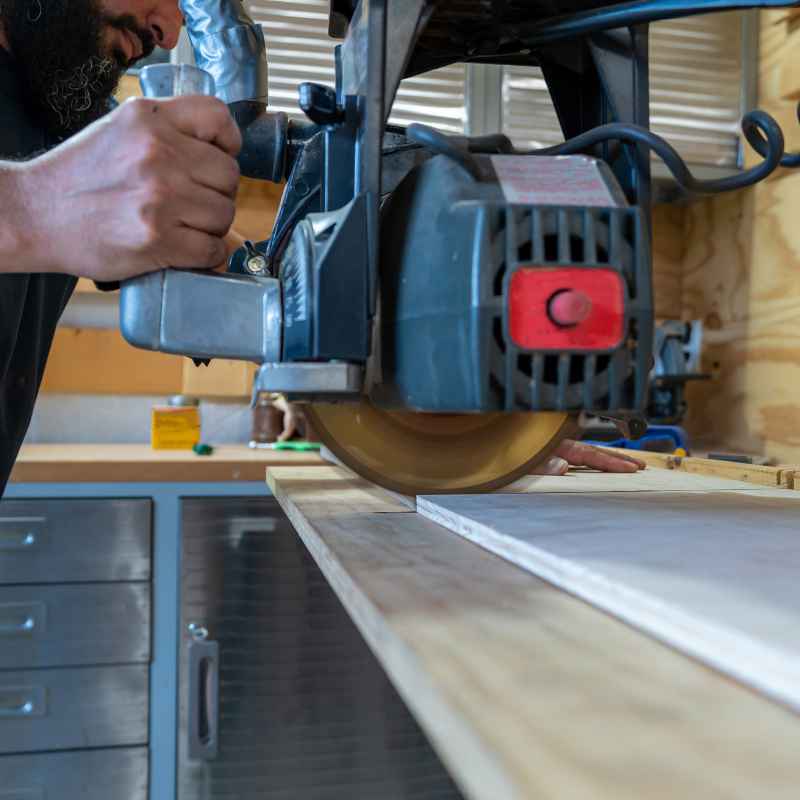
The DeWalt 7790 is a type of woodworking machine. It’s designed for making accurate cuts. A motor-driven blade extends from an arm that moves across a workbench.
This arm can be adjusted up and down, and also swung side-to-side. It’s a versatile tool that can handle many different types of cuts. Think of it as a very capable saw that offers a lot of control.
This saw is known for its strength and ability to perform many tasks. It’s not just for straight cuts. You can do angled cuts, bevel cuts, and even cut grooves with it.
Many woodworkers find it a central piece of their shop. It can replace the need for several other tools. Its design allows for precise adjustments.
This means you can get very clean and exact results on your wood.
A Personal Journey with the DeWalt 7790
I remember the first time I seriously considered a radial arm saw. It was about ten years ago. I was working on a big project for a client: custom built-in bookshelves.
The cuts had to be perfect. I was using my old table saw, and it was a struggle to get the long, precise crosscuts needed for the shelves. I kept thinking there had to be a better way.
My fingers were getting tired, and my accuracy was just okay.
One Saturday, I visited a friend who had a woodworking shop. He had a DeWalt radial arm saw set up. It looked like a beast!
He showed me how it worked. He made a long crosscut on a piece of plywood in seconds. It was smooth, clean, and perfectly straight.
I watched, amazed. The blade just glided through the wood. He explained that the 7790 model was particularly good for its sturdy build and reliable performance.
He said it had saved him so much time and frustration over the years. That day, I knew I needed to get one for my own shop. The sheer ease and precision it offered were eye-opening.
It felt like a professional tool that could really elevate my work.
Key Features of the DeWalt 7790
Motor Power: This saw typically comes with a powerful motor. It’s strong enough for hardwood and larger cuts. It means less strain on the motor.
Blade Guard: A good blade guard is essential for safety. It covers the blade when not in use. It also helps control dust.
Depth Stop: This lets you set how deep the blade cuts. It’s very useful for grooves and dado cuts. It prevents cutting too deep.
Table Surface: The table is usually large and flat. It provides a stable base for your workpieces. It helps guide the wood accurately.
Setting Up Your DeWalt 7790
Getting your DeWalt 7790 set up correctly is super important. It affects how well it works and how safe it is. The first step is finding a good spot for it.
You need enough space around the saw. This allows you to move large boards easily. It also means you can walk around it safely.
The saw is heavy, so you’ll likely need a sturdy stand. Many stands have wheels, which is handy for moving it later.
Once it’s in place, you need to make sure it’s level. Use a spirit level to check the table and the base. An uneven saw can lead to crooked cuts and safety issues.
Next, you’ll attach the arm and the motor assembly. Follow the manual carefully here. It might seem tricky, but take your time.
Most models have clear instructions. You’ll want to ensure all bolts are tightened securely. Loose parts are a big safety hazard.
Calibration is a big part of setup. You need to ensure the blade is perfectly perpendicular to the table for 90-degree cuts. Also, check that the arm is parallel to the front of the table.
Most saws have adjustment screws for this. Again, the manual is your best friend. It will guide you through this process.
Some people like to make test cuts on scrap wood to confirm. This ensures everything is aligned just right before you start on your actual project wood.
Understanding Radial Arm Saw Anatomy
The Yoke and Arm: This is the part that holds the motor and blade. It slides along the main arm. It lets the blade move across your wood.
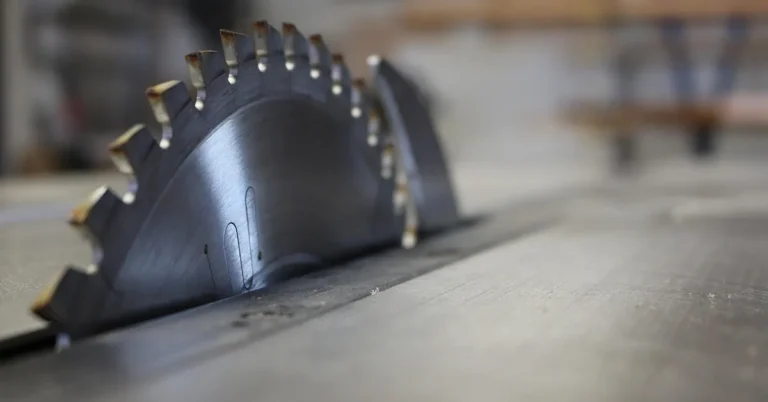
The Motor and Blade: This is the cutting part. The motor spins the blade very fast. The blade is usually a standard circular saw blade.
The Base and Column: This is the main support structure. It holds the arm assembly up. It connects to the table.
The Table: This is the flat surface where you place your wood. It’s usually made of wood or a composite material.
The Fence: This is a guide along the back of the table. It helps you align your cuts. It’s often used for rip cuts.
Mastering Basic Cuts: Crosscuts and Rips
The most common use for a radial arm saw is the crosscut. This is when you cut across the width of a board. To make a crosscut, you position your wood on the table.
You use the fence to hold it square. Then, you pull the spinning blade through the wood. The arm moves towards you.
It’s important to pull the blade smoothly and evenly. Don’t force it. Let the saw do the work.
For rip cuts, you cut along the length of the board. This is a bit different. The blade stays in place, and you push the wood through it.
You use the fence to guide the wood. You have to be very careful with rip cuts on a radial arm saw. The blade is designed to pull the wood towards the fence as it cuts.
This can be dangerous if not done correctly. Always ensure the wood is held firmly against the fence and the table. Some people prefer using a table saw for rip cuts because it’s often considered safer for that specific task.
It’s crucial to understand the direction of the blade’s rotation for each cut. For crosscuts, the blade spins away from you as it moves across the board. This helps pull the wood into the blade.
For rip cuts, the blade spins towards you. This can grab the wood and pull it into the fence. Always use the correct technique and be aware of the forces at play.
Safety is always the top priority when using any power tool.
Quick Scan: Crosscut vs. Rip Cut
| Cut Type | Direction of Cut | Wood Movement | Typical Use |
| Crosscut | Across the width | Arm/Blade moves towards user | Cutting boards to length |
| Rip Cut | Along the length | Wood moves into blade | Making boards narrower |
Advanced Cuts and Operations
Beyond basic cuts, the DeWalt 7790 can do much more. You can set the arm to cut angles, known as bevel cuts. This is great for making frames or adding decorative edges.
You tilt the blade to the desired angle. Then you make your crosscut. The accuracy of the angle setting is key here.
Many saws have good detents for common angles like 45 degrees.
Another useful function is the dado or groove cut. This is when you cut a wide channel in a piece of wood. You don’t cut all the way through.
For this, you’ll need a special dado blade set. These sets have multiple blades and chippers. They stack together to make a wide cut.
You adjust the height of the blade to control the depth of the groove. You also set the arm to the desired width. This is fantastic for making cabinet joints or fitting shelves into grooves.
Miter cuts are also easy. You set the arm to the desired angle. This is different from a bevel cut.
Here, the blade stays straight, but the arm pivots. This is used for things like picture frames or decorative molding. The precision of these angled cuts is what makes the radial arm saw so valuable for detailed work.
It’s like having a versatile tool that adapts to many different crafting needs.
Stacked Dado Blade Explained
What it is: A special blade set for cutting wide grooves.
How it works: Two outer blades and inner “chippers” stack. You add or remove chippers to change width.
When to use: Making grooves for shelves, drawer bottoms, or joinery.
Safety tip: Always use the correct blade guard and ensure it fits the dado stack.
Safety First: Essential Precautions
Working with a powerful saw like the DeWalt 7790 demands respect for safety. Always wear safety glasses. This protects your eyes from flying sawdust and debris.
Hearing protection is also a good idea. These saws can be loud. Make sure your work area is clean and well-lit.
Clutter can be a tripping hazard. Keep children and pets away from the saw while it’s running.
Never reach over the blade while it’s spinning. If you need to adjust something, turn the saw off first. Wait for the blade to stop completely.
When making rip cuts, always keep your hands a safe distance from the blade. Use a push stick or push block if needed. Ensure the wood is firmly against the fence and table.
Kickback can happen if the wood binds or is not held correctly.
Understand how the saw works. Read the manual. If you’re unsure about a cut, stop and find out.
Don’t guess. The radial arm saw has a unique way of cutting, especially with crosscuts where the blade moves towards you. Always be aware of the blade’s path.
Ensure the blade is sharp. A dull blade requires more force, increasing the risk of accidents. Regular maintenance of your saw is also a key safety step.
Safety Checklist Before You Cut:
Eye Protection: On and secure.
Hearing Protection: Worn.
Work Area: Clean, clear, and well-lit.
Wood Secured: Firmly against fence and table.
Blade: Sharp and correctly installed.
Blade Guard: In place and functional.
Real-World Scenarios and Use Cases
In a typical home workshop, the DeWalt 7790 shines when you’re building furniture. Imagine cutting the legs for a coffee table or the sides for a cabinet. You need to make multiple cuts of the exact same length.
The radial arm saw makes this very repeatable. You set your measurement stop once, and then you can make ten identical cuts quickly. This saves a lot of time and ensures your pieces fit together perfectly.
For DIY home improvement projects, it’s a lifesaver. Think about installing new baseboards or crown molding. These often require precise angle cuts.
The radial arm saw’s ability to easily set and make accurate miter and bevel cuts makes these jobs much more manageable. You can get those professional-looking joints without a struggle. It really boosts your confidence when you see how well the pieces fit.
Even for smaller craft projects, its precision is a big plus. If you’re building a birdhouse or a small decorative box, you need small, accurate pieces. The DeWalt 7790 allows for very fine adjustments.
You can get those small components cut exactly to size. It’s not just for big lumber; it’s for delicate work too. The versatility means it often becomes the go-to saw for a wide range of tasks.
Observational Flow: Building a Simple Shelf Unit
Step 1: Plan & Measure. Decide on the shelf dimensions. Note down all the lengths and widths needed.
Step 2: Crosscuts for Sides. Set your length stop. Make all your side pieces identical using a crosscut.
Step 3: Cut Shelf Lengths. Set a new length stop. Cut all your shelf pieces to the same size.
Step 4: Dado Grooves (Optional). If your design needs grooves for shelves, set up your dado blade. Cut the grooves in the side pieces.
Step 5: Assemble. Put the pieces together. The precise cuts make assembly much easier.
What This Means for Your Workshop
Having a DeWalt 7790 in your workshop means gaining efficiency. Tasks that might have taken a long time on other saws become quicker. It also means improving the quality of your work.
The precision and repeatability of the cuts lead to better-fitting joints and a more professional finish. You spend less time correcting mistakes and more time building.
It’s an investment. These saws are not cheap, especially new. But if you’re serious about woodworking, the value it adds can be huge.
It can handle a wide variety of jobs, from rough lumber to fine joinery. This means you might be able to get by with fewer specialized tools. Its sturdy construction means it can last for many years with proper care.
Consider the space it takes up. A radial arm saw needs a good amount of floor space. Make sure you have room for it to operate safely.
Think about the power requirements too. Most models need a standard 120V outlet, but ensure your circuit can handle the motor’s draw. For many users, the benefits of having this powerful and versatile machine far outweigh the considerations of space and cost.
Quick Tips for Best Performance
Keep your blades sharp. This is one of the simplest things you can do to improve cut quality and safety. A sharp blade cuts through wood cleanly with less effort.
This reduces the chance of the wood binding or the saw kicking back.
Use a good quality blade designed for the type of cut you’re making. For general crosscutting, a blade with a moderate tooth count (around 40-60 teeth) is often best. For ripping, more teeth can be helpful, but it depends on the wood.
Always align your fences and stops carefully. Small misalignments can lead to cumulative errors over many cuts. Double-check your settings before you start a long run of identical pieces.
A quick test cut on scrap wood can save a lot of headaches later.
Clean your saw regularly. Dust and wood chips can interfere with the movement of the arm and the accuracy of your settings. A clean saw operates more smoothly and safely.
Pay attention to the tracks the arm slides on.
Consider dust collection. Radial arm saws can produce a lot of sawdust. Hooking up a dust collection system will help keep your shop cleaner and healthier.
It also makes cleanup much easier. Many models have a dust port you can connect a hose to.
Frequently Asked Questions
Is the DeWalt 7790 good for beginners?
Yes, with careful attention to safety and instructions, the DeWalt 7790 can be a great tool for beginners. Its clear operation for crosscuts is often easier to grasp than a table saw for some. However, it’s a powerful machine, so learning its functions slowly and prioritizing safety is crucial.
Reading the manual thoroughly is a must.
Can I use a DeWalt 7790 for plywood?
Absolutely. The DeWalt 7790 is excellent for cutting plywood. Its stability and the way the blade moves across the material help prevent tear-out, especially if you use a good quality plywood blade.
For larger sheets, you’ll need space to support the plywood on the table as you make the cut.
How do I prevent tear-out when cutting with the DeWalt 7790?
Tear-out happens when wood fibers are pulled out instead of cleanly cut. Using a sharp blade with the correct tooth count for the material is key. For plywood, a blade with more teeth (e.g., 60-80 teeth) is often better.
Sometimes, scoring the cut line with a utility knife can help. For crosscuts, ensuring the blade is set to cut away from the finished surface can minimize tear-out.
What is the main difference between a radial arm saw and a miter saw?
A miter saw is primarily designed for crosscuts and miter cuts. It’s usually more compact. A radial arm saw is more versatile.
It can do crosscuts, miter cuts, bevel cuts, rip cuts, and dado cuts. The blade on a radial arm saw moves from an overhead arm, offering a different kind of control and capability.
Are radial arm saws still relevant today?
Yes, they are still very relevant, especially for their versatility. While table saws are often preferred for rip cuts, and dedicated miter saws for speed on simple crosscuts, the radial arm saw combines many functions. For workshops where space is a concern, or for users who need to do a wide variety of cuts, it remains a valuable tool.
How much space do I need for a DeWalt 7790?
You need space for the saw itself, plus ample room to move large workpieces in and out. A general rule of thumb is to have at least 2-3 feet of clear space on all sides of the saw, especially in front of it. For very long boards, you might need even more clearance.
Final Thoughts on the DeWalt 7790
The DeWalt 7790 radial arm saw is a powerhouse tool. It offers a level of versatility and precision that can truly transform your woodworking. While it requires a commitment to learning and safe operation, the results are well worth it.
It’s a machine built to last and to perform.
Sponsored / affiliate links. As an Amazon Associate I earn from qualifying purchases. I may earn additional commission from eligible campaigns.