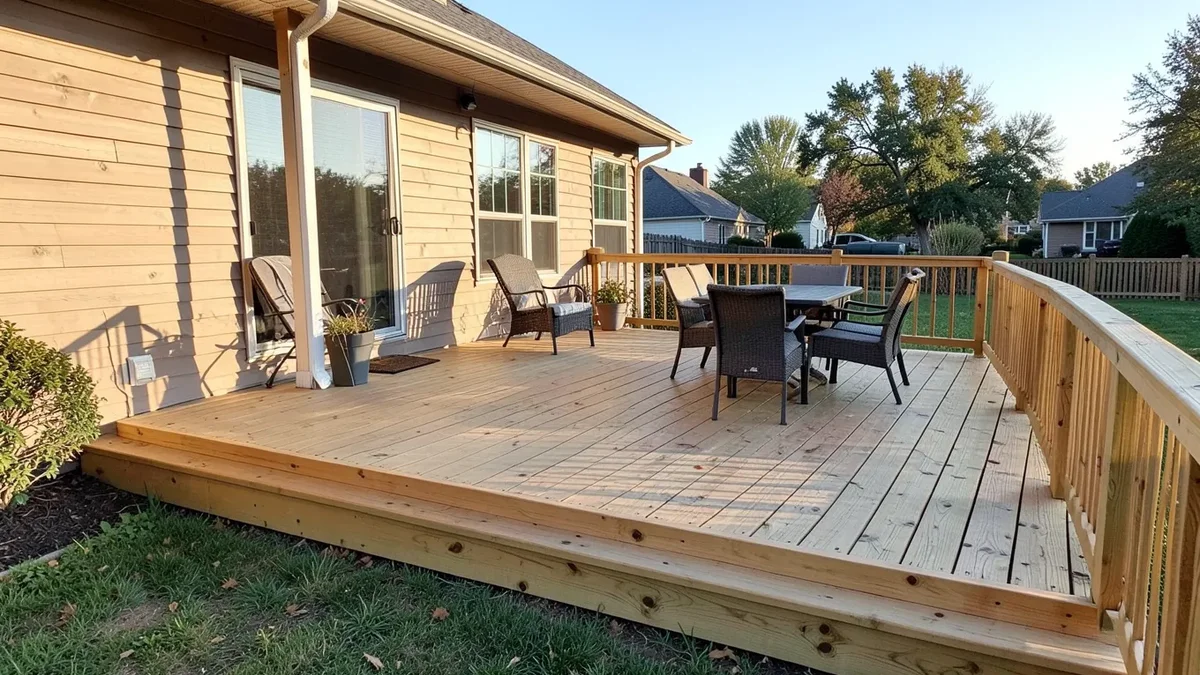
Decking Installation Price

Decking Installation Price: What To Expect In 2025

Decking installation prices in 2025 depend on many things. Factors like the type of wood or composite used, the size of the deck, its design complexity, and local labor rates all play a role. Expect costs to range significantly, with simpler decks being more budget-friendly and elaborate ones costing more.

Understanding Decking Installation Costs

When you decide to build a new deck, the price tag can seem daunting. It’s not just about the wood. Many pieces come together to make the final cost.

We’ll look at the main things that influence what you pay. This helps you get a clearer picture for your own project.

The price of installing a deck is not a single number. It’s a mix of materials, labor, and other project needs. Think of it like building a car.

The metal, the engine, the paint, and the mechanic all add to the cost. Your deck works the same way. Understanding each part helps you budget better.

Materials Matter Most

The biggest chunk of your deck cost will likely be the materials. What you build your deck from makes a huge difference. Wood is popular, but there are many kinds.

Composite materials are also a top choice now. Each has its own price point and benefits.

Let’s explore the common material choices you’ll face. This will show you how they impact the final price. Knowing this helps you pick the best option for your budget and your yard.

Wood Decking Options

Wood has been the go-to for decks for ages. It’s natural and can look beautiful. However, different woods cost different amounts.

Some need more care than others, too.

Pressure-treated pine is usually the most budget-friendly wood option. It’s treated to resist rot and insects. You can expect to pay somewhere around $3-$7 per square foot for this material.

It’s a solid choice for many homes. It’s also easy to find and work with.

Cedar and redwood are nicer woods. They naturally resist rot and bugs. They also have a lovely look.

These woods cost more, often $7-$15 per square foot. They offer a more premium feel and can last longer with good care.

Hardwoods like Ipe are very durable. They are also quite expensive. You might see prices of $15-$30 per square foot for Ipe.

This wood is beautiful, tough, and lasts a very long time. It’s a big investment but can be worth it.

Composite Decking

Composite decking is a blend of wood fibers and plastic. It’s a popular choice because it’s low-maintenance. It doesn’t rot, warp, or splinter like wood can.

This makes it appealing for many homeowners.

The cost of composite decking is higher upfront than most wood options. Expect to pay $7-$15 per square foot for basic composite boards. Higher-end composites, which look more like real wood, can go up to $20-$30 per square foot.

While the initial cost is more, many people find it saves money over time. You won’t need to stain or seal it often. This means less money spent on maintenance supplies and less of your own time.

PVC Decking

PVC decking is made entirely of plastic. It’s even more durable and low-maintenance than composite. It’s also waterproof and stain-resistant.

However, it’s typically the most expensive option. Prices can start at $10-$15 per square foot and go up from there.

Looking for more insights on Ash? You may find this post valuable. Best Hardwood Floor Booties For Dogs That Stay On

Decking Material Quick Guide

Pressure-Treated Pine: Best for budget-conscious. Needs sealing. ($3-$7/sq ft)

Cedar/Redwood: Natural beauty, good insect resistance. ($7-$15/sq ft)

Hardwoods (Ipe): Very durable, premium look. Expensive. ($15-$30+/sq ft)

Composite: Low maintenance, many styles. Mid to high cost. ($7-$30/sq ft)

PVC: Most durable, waterproof. Highest cost. ($10-$15+/sq ft)

Labor Costs: The Installers’ Rate

After materials, labor is the next big cost. This is what you pay the professionals for their skill and time. Deck builders charge based on their experience, the complexity of the job, and where you live.

In many areas, labor costs can add another $5-$15 per square foot to the project. For a simple, ground-level deck, it might be on the lower end. For a multi-level deck with special features, the labor cost can be higher.

It’s important to get quotes from a few different contractors. This helps you compare prices and ensure you’re getting a fair deal. Always check references and reviews.

A good installer is worth a little extra.

Deck Size and Shape

This might seem obvious, but the size of your deck is a major cost driver. A larger deck means more materials and more labor time. A 10×10 foot deck will cost much less than a 20×20 foot deck.

The shape also plays a role. A simple square or rectangle is easiest to build. Complex shapes, like curves or those with many angles, take more time.

They also create more waste from cutting materials. This adds to both material and labor costs.

A standard 12×12 foot deck might cost anywhere from $3,600 to $9,600. This is a rough estimate. A 16×20 foot deck could easily run $8,000 to $20,000 or more.

Deck Design and Features

What do you want your deck to do? Just be a flat surface? Or do you want railings, stairs, built-in benches, or special lighting?

These extras add to the cost. They also add to the beauty and function of your deck.

Railings are often a must for safety, especially on raised decks. The style and material of the railing will affect the price. Simple wood railings are cheaper than ornate metal or glass ones.

Stairs add complexity and cost. The number of steps and the width of the stairs will impact the price. Built-in seating can be a nice touch but adds to the labor and material cost.

Outdoor lighting is another popular feature. Solar lights are more affordable. Hardwired lighting systems can be costly but offer more control and brightness.

These features can really enhance your deck experience.

Consider outdoor kitchens, fire pits, or pergolas. These are major additions and will significantly increase the overall project cost. They turn your deck into a complete outdoor living area.

Want to uncover more about Ash? This article might interest you. Dewalt Dcs393 Circular Saw: Specs, Review & Best Uses

Cost Breakdown: What You’re Paying For

  • Materials: Wood, composite, PVC boards, fasteners (screws, nails).
  • Structure: Joists, beams, posts, concrete footings.
  • Railings & Stairs: Safety features, access points.
  • Labor: Design, demolition (if needed), building, cleanup.
  • Permits: Local building permits may be required.
  • Hardware: Brackets, hangers, connectors.

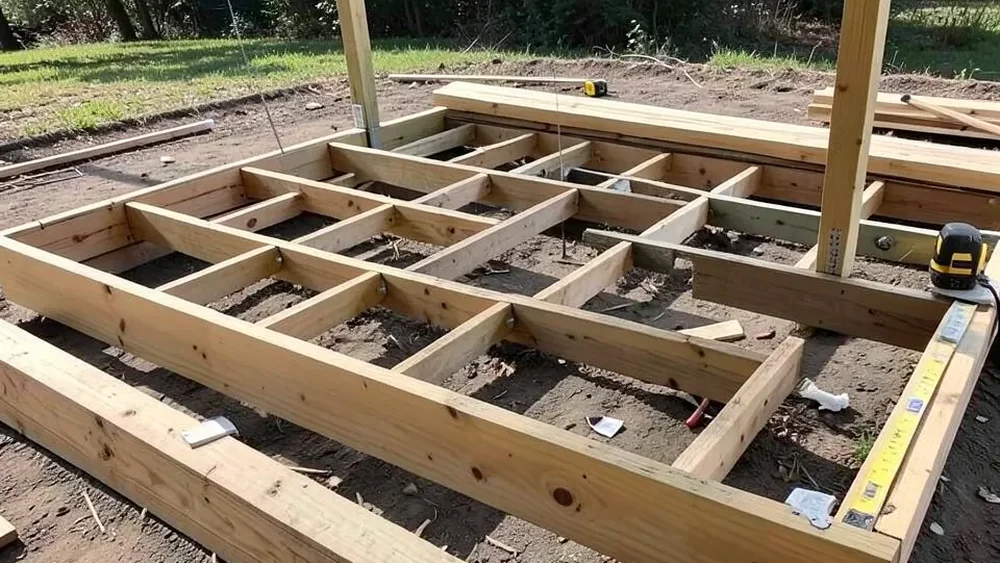
Foundation and Support Structures

A deck needs a strong base. This usually means concrete footings. The number and depth of these footings depend on your deck’s size, height, and local building codes.

Frost lines in colder climates require deeper footings.

The framing beneath the deck boards is also crucial. This includes joists and beams. These are typically made of pressure-treated lumber.

The size and spacing of these structural elements are determined by engineering standards. They ensure the deck is safe and stable.

The cost of concrete, lumber for framing, and the labor to dig and pour footings adds to the overall price. For a simple, low-level deck, this might be a few hundred dollars. For a large, raised deck, it could be several thousand.

Permits and Inspections

In most towns and cities, you’ll need a permit to build a new deck. The cost of permits varies but can range from $100 to $500 or more. This fee covers the review of your plans and site inspections by the local building department.

It’s essential to get these permits. Building without one can lead to fines or even having to tear down your deck. Your contractor usually handles the permit application process for you.

They will also ensure the deck meets all local building codes.

Inspections are done at various stages of construction. This ensures everything is built safely and correctly. They check the footings, framing, and final structure.

Understanding Decking Installation Costs

The 2025 Decking Installation Price Landscape

Prices can change from year to year. Factors like material availability and inflation influence them. For 2025, we’re seeing some trends that affect decking costs.

Understanding these can help you plan.

The demand for outdoor living spaces remains high. This means contractors are busy. Popular materials like composite might see slight price increases due to demand.

Supply chain issues, though less severe than in recent years, can still cause fluctuations.

The skilled labor shortage is another factor. Experienced deck builders can command higher rates. This is especially true for intricate or custom designs.

It’s wise to book your contractor well in advance.

Find out more about Ash by exploring this related topic. Dewalt 7790 Radial Arm Saw: Full Review & Setup Guide

Typical Cost Ranges for 2025

Let’s try to give some general numbers for 2025. These are estimates and can vary greatly by region and specific project details.

For a basic, ground-level wood deck (e.g., 10×12 ft): You might expect to pay $3,000 to $6,000.

For a mid-range wood deck with railings (e.g., 12×16 ft): The cost could be $5,000 to $10,000.

For a composite deck with railings and stairs (e.g., 16×20 ft): This could range from $10,000 to $25,000 or more.

For a high-end, custom deck with premium materials and features: The sky’s the limit, often $25,000 to $50,000+.

Remember, these are just ballpark figures. The best way to know is to get detailed quotes for your specific needs.

Average Cost Per Square Foot (Estimate for 2025)

Decking Type Estimated Cost Per Sq Ft (Materials + Labor)
Pressure-Treated Pine $20 – $40
Cedar/Redwood $30 – $60
Composite $40 – $80+
PVC $50 – $100+

Note: These are rough estimates and do not include complex designs, extensive railings, stairs, or specialized features.

My Own Decking Nightmare (and How I Learned)

I remember when we decided to build our first deck. It was a sunny spring day, and I was filled with excitement. I envisioned summer evenings with friends, grilling burgers and enjoying the sunset.

I was so focused on the dream, I almost forgot about the reality of building it.

My mistake was picking the cheapest quote I got. The contractor seemed nice enough. He said he could do it quickly and for a great price.

I didn’t ask for enough references. I also didn’t really look at his past work. I just wanted a deck!

Well, let’s just say “quickly” turned into “sloppily.” The boards weren’t even. The railings felt a little wobbly. And after the first rainy season, I noticed some warping on a few of the boards.

It wasn’t just unsightly; it felt unsafe. I spent the next few years trying to fix small issues, costing me more time and money than if I’d hired a good pro from the start. That was a hard lesson in not cutting corners on something as important as your home’s structure.

Expand your knowledge about Ash with this article. Delta Radial Arm Saw Parts: Where To Find & Replace Them

Real-World Deck Scenarios

Where and how you plan to build your deck affects its cost. Let’s look at some common situations.

Decking Project Factors

Location:

Urban Areas: Often higher labor costs due to demand and cost of living. Permits might be more complex.

Suburban Areas: More moderate pricing. Standard building codes.

Rural Areas: Labor might be cheaper, but material delivery costs could increase. Fewer contractors might be available.

Deck Height:

Ground-Level Decks: Simplest and most affordable. Require minimal structural support. Usually don’t need extensive railings.

Raised Decks: Require deeper footings, more robust framing, and substantial railings. Costs increase with height.

Yard Conditions:

Sloping Yards: May need complex footing designs or retaining walls, adding cost. Deck might need to be multi-level.

Difficult Access: If heavy materials need to be carried long distances or up stairs, labor costs increase.

The Influence of Climate

Your local climate plays a role. In areas with harsh winters and freeze-thaw cycles, footings need to be deeper to prevent frost heave. This means more concrete and more digging, adding to costs.

If you live in a very humid or wet climate, you’ll want materials that resist rot and mold. This might mean choosing more expensive woods like cedar or redwood, or opting for composite or PVC.

Coastal areas might have regulations about materials to withstand salt spray and wind. This can also influence your choices and their prices.

Homeowner Habits and Deck Use

How you plan to use your deck also matters. If you’re a frequent entertainer, you might want more space and premium finishes. This means a larger deck or more elaborate features, driving up costs.

If your deck is just for a small table and a couple of chairs, a simpler, smaller design might be perfect. This keeps costs down. Consider how much foot traffic your deck will get.

High traffic areas might benefit from more durable decking materials.

Think about sun exposure. A deck that gets a lot of sun might need features like pergolas or shade sails to make it comfortable. These are additional costs.

Find out more about Ash by exploring this related topic. How To Deep Clean Hardwood Floors Without Causing Damage

What This Means for Your Budget

So, how do you use all this information to set a realistic budget for your decking installation? It’s about prioritizing and making informed choices.

Start by deciding on your must-have features. Do you absolutely need a composite deck? Or is a stained pine deck okay?

How important are built-in seating or elaborate lighting to you?

Next, consider the size and shape. Can you adjust your dream deck size to fit your budget? Sometimes, a slightly smaller deck can save you thousands.

Get multiple quotes. This is the most critical step. Ask for a detailed breakdown of costs.

Don’t just look at the bottom line. See what’s included in the materials and labor.

When It’s Normal to See Higher Prices

Certain situations naturally lead to higher costs. These are not necessarily red flags, but factors to be aware of.

  • Complex Designs: Multi-level decks, curved edges, intricate patterns, or decks built around existing landscape features will cost more.
  • Premium Materials: Exotic hardwoods, high-end composite brands, or specialized PVC options are more expensive.
  • Difficult Site Conditions: Steep slopes, rocky soil, or very tight access for construction equipment increases labor and complexity.
  • Extensive Features: Integrated lighting systems, built-in furniture, pergolas, privacy screens, or outdoor kitchens add significant cost.
  • High-Cost-of-Living Areas: Labor rates are generally higher in major metropolitan areas.

When to Question the Price

While decks can be expensive, there are times when a quote might seem too good to be true, or too high.

  • Extremely Low Bids: If a quote is significantly lower than others, investigate why. It could mean lower quality materials, less experienced labor, or hidden costs later on.
  • Vague Quotes: A contractor who can’t provide a detailed breakdown of materials and labor might be trying to hide something or isn’t very organized.
  • Unusually High Bids: If one bid is much higher than all others for similar work, ask for a clear explanation of what justifies the difference. It might be for superior materials or more experience, but it could also be an inflated price.

Always compare apples to apples. Make sure you’re comparing quotes for the same scope of work, similar materials, and comparable quality of labor.

Tips for Managing Your Decking Budget

You want a beautiful, functional deck, but you also need to stay within your budget. Here are some practical tips to help you.

Budgeting Strategies

DIY Where Possible: If you’re handy, consider doing some of the work yourself. This could include demolition of an old deck, site prep, or even installing some of the decking boards. Be realistic about your skills and time.

Phased Approach: Can you build the main deck now and add features like railings or lighting in a year or two? This spreads the cost out.

Material Choices: Revisit your material options. Maybe a premium composite for the main boards is too much, but you could use it for the fascia and get a good quality wood for the rest.

Size Optimization: Work with your contractor to design a deck that gives you the most usable space for your budget. Sometimes, a slightly different shape can be more cost-effective.

Shop Around for Materials: If you’re managing some of the purchasing yourself, compare prices from different lumber yards or building supply stores.

Negotiating with Contractors

Don’t be afraid to negotiate, but do so respectfully. If you have multiple quotes, you can mention this. If you’re willing to be flexible on timing (e.g., building in the shoulder season), you might get a better price.

Ask for discounts for paying in full upfront, though be cautious about paying 100% before work begins. A common payment structure is 30-50% deposit, progress payments, and the remainder upon completion.

Clearly define the scope of work. Get everything in writing in the contract. This prevents misunderstandings about what is included and helps avoid unexpected costs later.

Long-Term Value vs. Upfront Cost

It’s easy to get caught up in the initial price. But think about the long-term value. A more expensive, durable material like composite or hardwood might cost more upfront, but it can last much longer and require less maintenance than cheaper wood.

This can save you money and headaches over the years.

Consider the warranty offered by both the material manufacturer and the installer. A good warranty provides peace of mind and protects your investment.

A well-built, attractive deck also adds value to your home. When it comes time to sell, a great outdoor space can be a major selling point.

Tips for Managing Your Decking Budget

Frequently Asked Questions About Decking Costs

What is the average cost to install a 12×16 deck in 2025?

For a 12×16 foot deck in 2025, you can expect costs to range widely. A basic pressure-treated pine deck might be $4,000 – $7,000. A composite deck with railings and basic stairs could be $7,000 – $15,000 or more.

This depends heavily on your location and specific features.

Is composite decking worth the extra cost?

Many homeowners find composite decking worth it for its durability and low maintenance. While it costs more upfront, it rarely needs staining, sealing, or painting. It also resists fading, warping, and rotting, which can save you money and effort over time compared to wood.

How much does labor cost for deck installation?

Labor costs for deck installation typically account for 40-60% of the total project price. This can range from $5 to $15+ per square foot, depending on the contractor’s rates, the complexity of the design, and your geographic location.

Do I need a permit for a deck?

Yes, in most municipalities, you will need a building permit for a new deck, especially if it is raised more than a certain height off the ground (often 30 inches). Your contractor usually handles the permit application process and associated fees.

How can I lower the cost of my deck installation?

You can lower costs by choosing less expensive materials like pressure-treated pine, opting for a simpler design (square or rectangle, fewer levels), reducing the deck’s size, or even handling some of the work yourself if you have the skills. Getting multiple quotes also helps.

What are the hidden costs of building a deck?

Hidden costs can include permit fees, potential site preparation like tree removal or grading, unexpected issues with underground utilities, upgrades to structural components for code compliance, and optional features like lighting or built-in furniture. Always factor in a contingency of 10-20%.

Conclusion: Planning Your Deck Project

Adding a deck is an exciting home improvement. Understanding the costs involved is key to a successful project. By considering materials, labor, design, and your specific needs, you can budget wisely.

Don’t let the numbers scare you. With careful planning and research, you can build a beautiful deck that you’ll enjoy for years to come.

Similar Posts