The Ultimate Guide to the DeWalt Brushless Reciprocating Saw: Power, Precision, and Performance
Hey there, fellow woodworker! If you’re like me, you’ve probably spent countless hours in your shop, sawdust in the air, piecing together projects that make your heart sing. There’s something deeply satisfying about turning raw wood into something beautiful or functional. But let’s be honest—having the right tools makes all the difference. That’s why I’m excited to dive into the world of the DeWalt brushless reciprocating saw today. This powerhouse tool has been a game-changer in my workshop, and I’m eager to share everything I’ve learned about it.
Whether you’re a DIY enthusiast or a seasoned pro, this guide will walk you through why this saw deserves a spot in your toolkit. So, grab a coffee, settle in, and let’s talk about what makes the DeWalt brushless reciprocating saw so special.
What Is a Brushless Reciprocating Saw?
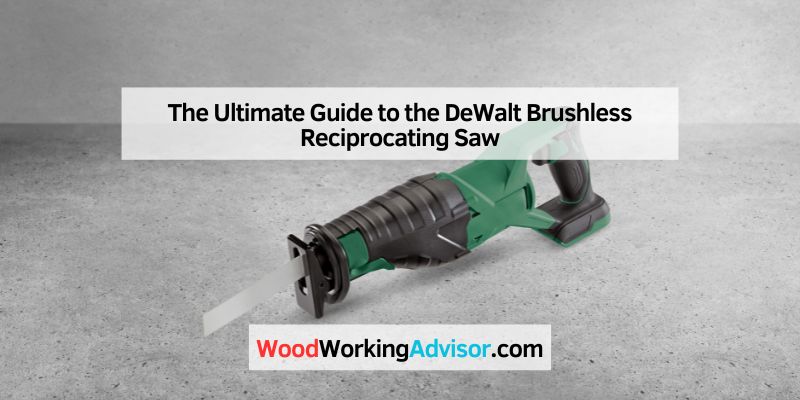
Let’s start with the basics. A reciprocating saw is a versatile tool that cuts through materials with a push-and-pull motion, much like a hand saw but with a lot more power. It’s the go-to choice for demolition, rough cuts, and tackling materials like wood, metal, and even PVC. The “brushless” part? That’s where things get interesting. Unlike traditional brushed motors, brushless motors use electronic circuitry to control the motor, which means less friction, less heat, and a whole lot more efficiency.
When I first got my hands on a DeWalt brushless reciprocating saw, I noticed the difference right away. It felt smoother, ran cooler, and didn’t wear me out as quickly as my old brushed model. The brushless motor also means longer tool life and better battery performance, which is a big deal for cordless models. DeWalt’s lineup, particularly their 20V MAX* XR and 60V MAX* models, takes this technology and pairs it with pro-grade features to make cutting a breeze.
Why Choose a DeWalt Brushless Reciprocating Saw?
I’ve used a lot of tools over the years, and DeWalt has earned my trust for a reason. Their brushless reciprocating saws are built for people like us—folks who need reliability, power, and versatility. Here’s why I think they stand out:
- Power and Speed: These saws deliver up to 3,000 strokes per minute (SPM), which means they cut fast through tough materials like 2×12 pine or metal pipes.
- Lightweight Design: Models like the DCS367B weigh just 5 pounds, making them easy to handle for long periods without fatigue.
- Battery Compatibility: DeWalt’s 20V MAX* and FLEXVOLT batteries work across their entire cordless lineup, so you don’t need a drawer full of different batteries.
- Durability: These saws are built to withstand jobsite abuse, from dusty workshops to outdoor projects.
- Ease of Use: Features like keyless blade clamps and pivoting shoes make blade changes and precise cuts a snap.
I remember using the DCS382 to cut through some old fence posts embedded in concrete. With a Diablo metal blade, it sliced through like butter. That kind of power in a compact package is why I keep coming back to DeWalt.
Key Features of DeWalt Brushless Reciprocating Saws
Let’s break down the features that make these saws so impressive. I’ve spent hours testing models like the DCS382, DCS367, and DCS389, and here’s what I love about them.
Brushless Motor Technology
The brushless motor is the heart of these saws. It’s quieter, more efficient, and lasts longer than brushed motors. I’ve noticed that my DCS382 runs cooler even after heavy use, like cutting through thick hardwood beams. The brushless design also boosts battery life, which means I can work longer without stopping to recharge. For example, DeWalt claims the DCS382 can deliver up to 102 cuts per charge in 2×12 pine with a 5Ah battery. In my experience, that’s pretty accurate for most woodworking tasks.
Variable Speed Trigger
The variable speed trigger is a lifesaver. It lets you control the cutting speed from 0 to 3,000 SPM, so you can slow down for delicate cuts or crank it up for demolition. When I was trimming branches for a backyard project, I could ease off the trigger to avoid splintering the wood. For metal or PVC, I’d go full speed for quick, clean cuts. It’s like having multiple saws in one.
Pivoting Shoe
The pivoting shoe is another feature I can’t live without. It adjusts to the material’s surface, giving you better control and extending blade life. When I was cutting flush against a wall to remove old framing, the pivoting shoe let me keep the blade steady and avoid unnecessary wear. Some models, like the DCS380, even have a 4-position blade clamp for extra versatility, which is great for flush cuts.
Keyless Blade Clamp
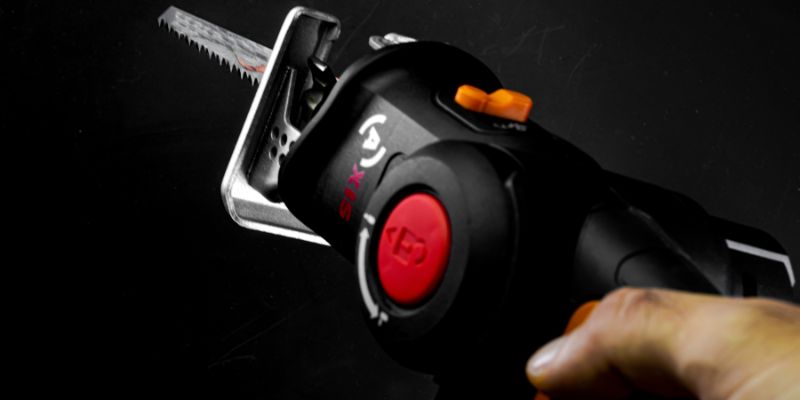
Changing blades used to be a hassle with my old saw, but DeWalt’s keyless blade clamp makes it quick and easy. Just twist, swap, and you’re back to work. I’ve swapped blades mid-project to switch from wood to metal without missing a beat. The DCS367’s 4-position clamp is especially handy for tricky angles.
LED Light
Working in dim corners of my garage or under a deck can be tough, but the built-in LED light on models like the DCS382 lights up the cut line. It’s a small feature, but it’s saved me from making sloppy cuts more than once.
Vibration Control
One complaint I’ve heard about older DeWalt models, like the DCS367, is high vibration. But newer models, like the DCS382, have a counterbalance mechanism to reduce vibration. I’ve used it for extended periods, and my hands don’t feel numb afterward. It’s not perfect, but it’s a big improvement over my old brushed saw.
Popular DeWalt Brushless Reciprocating Saw Models
DeWalt offers a range of brushless reciprocating saws, each with its own strengths. Here’s a quick look at some of my favorites, based on my experience and research.
| Model | Voltage | Stroke Length | Weight | Key Features |
|---|---|---|---|---|
| DCS382B | 20V MAX* | 1-1/8″ | 5.8 lbs | XR model, high stroke rate (3,000 SPM), pivoting shoe, keyless blade clamp, LED |
| DCS367B | 20V MAX* | 1-1/8″ | 5.0 lbs | Compact design, 4-position blade clamp, ideal for tight spaces |
| DCS369P1 | 20V MAX* | 5/8″ | 3.2 lbs | Atomic one-hand model, lightweight, claw hook for hanging |
| DCS389X1 | 60V MAX* | 1-1/8″ | 7.2 lbs | FLEXVOLT, high power, ideal for heavy-duty demolition |
| DCS386B | 20V MAX* | 1-1/8″ | 6.2 lbs | FLEXVOLT ADVANTAGE, boosts power with FLEXVOLT batteries |
DCS382B: The All-Around Performer
The DCS382B is my go-to for most projects. It’s part of DeWalt’s XR line, which means it’s built for performance. With a 1-1/8″ stroke length and 3,000 SPM, it cuts through wood, metal, and PVC with ease. I used it to dismantle an old shed, and it powered through nails and weathered boards without slowing down. The pivoting shoe and LED light make it versatile for both indoor and outdoor work.
DCS367B: The Compact Champion
If you’re working in tight spaces, the DCS367B is a dream. It’s only 5 pounds and has a 4-position blade clamp, so you can cut at different angles. I used it to cut between studs for a home renovation, and its compact size made it easy to maneuver. The downside? It has slightly higher vibration than newer models, but it’s still a solid choice for precision work.
DCS369P1: The One-Hand Wonder
The DCS369P1, part of DeWalt’s Atomic line, is designed for one-handed use. At just 3.2 pounds, it’s perfect for quick cuts or overhead work. I used it to trim small branches and cut PVC pipes for a plumbing project. The claw hook is a unique feature that lets you hang it on lumber or ladders, which is super handy on busy job sites. However, its 5/8″ stroke length means it’s not ideal for heavy-duty tasks.
DCS389X1: The Heavy-Duty Beast
For serious demolition, the DCS389X1 is the one to beat. This 60V MAX* model is a beast, with enough power to tackle thick metal or hardwood. I used it to cut through old barn beams, and it didn’t flinch. It’s heavier at 7.2 pounds, so it’s not my first choice for all-day use, but when you need raw power, it delivers.
DCS386B: The FLEXVOLT Advantage
The DCS386B uses DeWalt’s FLEXVOLT ADVANTAGE technology, which boosts performance when paired with FLEXVOLT batteries. I noticed a significant power increase when I used it with a 6Ah FLEXVOLT battery compared to a standard 20V battery. It’s great for heavy cuts but still lightweight enough for general use.
How to Choose the Right DeWalt Brushless Reciprocating Saw
Picking the right saw depends on your needs. Here’s how I approach it:
- For General Woodworking: The DCS382B is versatile enough for most tasks, from cutting lumber to trimming branches. Its balance of power and weight makes it a great all-around choice.
- For Tight Spaces: Go with the DCS367B or DCS369P1. Their compact designs are perfect for confined areas or one-handed cuts.
- For Heavy-Duty Demolition: The DCS389X1 or DCS386B are built for tough jobs. If you’re tearing down walls or cutting thick metal, these are your best bets.
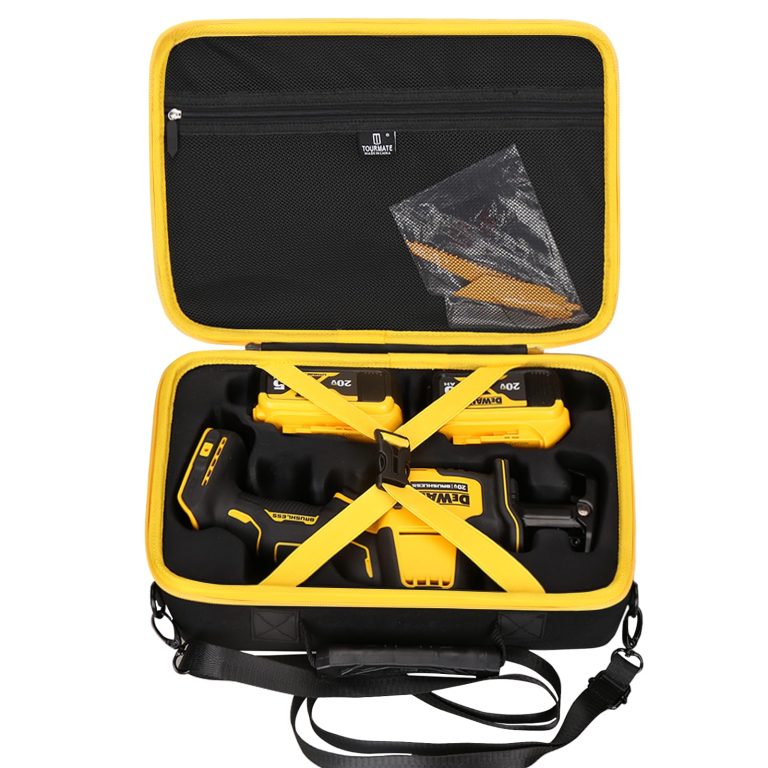
- Battery Considerations: If you already own DeWalt 20V MAX* or FLEXVOLT batteries, stick with a compatible model to save money. I have a mix of 4Ah and 5Ah batteries, and they work great across my DeWalt tools.
Tips for Using Your DeWalt Brushless Reciprocating Saw
I’ve learned a few tricks over the years to get the most out of my DeWalt saws. Here are some tips to make your cuts cleaner and your work easier:
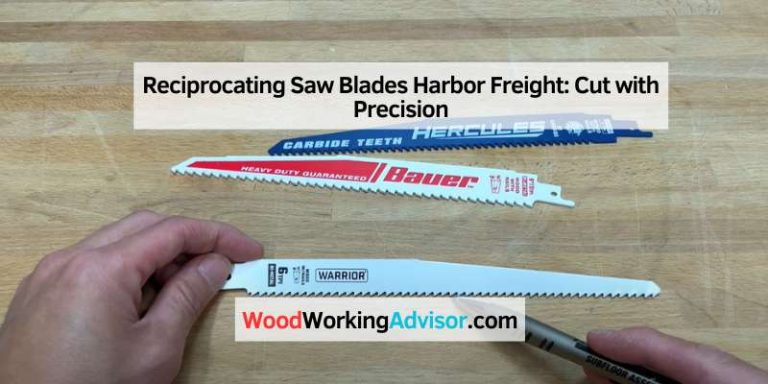
- Choose the Right Blade: Use wood-cutting blades for lumber, bi-metal blades for mixed materials, and carbide-tipped blades for metal. I keep a pack of Diablo blades handy for different tasks.
- Adjust Your Speed: Use the variable speed trigger to match the material. Slow speeds work better for metal, while high speeds are great for wood.
- Secure Your Material: Clamp or stabilize your workpiece to reduce vibration and ensure clean cuts. I learned this the hard way after mangling a piece of oak.
- Use the Pivoting Shoe: Let the shoe rest against the material for better control and less blade wear.
- Maintain Your Saw: Clean the blade clamp and shoe regularly to prevent dust buildup. I also check the battery contacts to ensure a good connection.
Pros and Cons of DeWalt Brushless Reciprocating Saws
No tool is perfect, and DeWalt’s saws are no exception. Here’s what I’ve found after using them extensively:
Pros
- Powerful Performance: Cuts through wood, metal, and more with ease.
- Long Battery Life: Brushless motors and high-capacity batteries mean fewer recharges.
- Ergonomic Design: Lightweight and comfortable for extended use.
- Versatile Features: Pivoting shoes, keyless blade clamps, and LED lights make them user-friendly.
- Durable Build: Built to last on tough job sites.
Cons
- Vibration Issues: Some models, like the DCS367, have higher vibration than competitors.
- No Orbital Action: Unlike some Milwaukee or Makita models, DeWalt’s cordless saws lack orbital cutting modes for faster wood cutting.
- Missing Rafter Hook: A rafter hook would be nice for hanging the saw on ladders or lumber, but it’s not included.
- Price: Premium models like the DCS389X1 are pricey, especially if you need to buy batteries.
How DeWalt Compares to the Competition
I’ve tried saws from Milwaukee, Makita, and Ryobi, and while they’re all solid, DeWalt holds its own. Milwaukee’s saws, like the M18 FUEL, have orbital action and lower vibration, which is great for wood cutting. Makita’s XGT line offers adjustable shoes, which DeWalt lacks. Ryobi is budget-friendly but doesn’t match DeWalt’s power or durability. For me, DeWalt’s battery compatibility and brushless technology make it the best fit for my existing tools.

Why I Love My DeWalt Brushless Reciprocating Saw
After years of woodworking, from building furniture to tackling home renovations, my DeWalt brushless reciprocating saw has become a trusted companion. It’s not just about the power—it’s the little things, like the quick blade changes and the LED light that make late-night projects easier. Whether I’m cutting through old deck boards or shaping a new project, this saw gets the job done without fuss. It’s like having a reliable friend who’s always ready to lend a hand.
If you’re on the fence about getting one, I’d say go for it. Pick a model that fits your needs, whether it’s the compact DCS367 for tight spaces or the beastly DCS389 for heavy demolition. You won’t be disappointed. And hey, if you’ve got a DeWalt saw already, drop a comment on my blog and let me know how it’s treating you. Happy woodworking!
FAQs
What’s the Difference Between Brushed and Brushless DeWalt Reciprocating Saws?
Brushed saws, like the older DCS380, use carbon brushes to power the motor, which creates more heat and wear. Brushless saws, like the DCS382, use electronic controls for better efficiency, longer runtime, and less maintenance. I’ve found brushless models run smoother and last longer, especially for frequent use.
Can I Use My DeWalt 20V Batteries with a 60V MAX* Saw?
Yes, but it depends. Models like the DCS386B with FLEXVOLT ADVANTAGE work with both 20V MAX* and FLEXVOLT batteries, with more power from FLEXVOLT. The DCS389X1, however, only takes FLEXVOLT batteries. Always check compatibility before buying.
What Blades Should I Use with My DeWalt Brushless Reciprocating Saw?
It depends on the material. For wood, I use 6-9 TPI (teeth per inch) blades. For metal, bi-metal or carbide-tipped blades with 14-24 TPI work best. Diablo makes great blades for DeWalt saws, and I always keep a variety on hand.
Is the DeWalt Brushless Reciprocating Saw Good for Beginners?
Absolutely! The variable speed trigger and pivoting shoe make it easy to control, even if you’re new to woodworking. Start with the DCS382B for a balance of power and ease of use. Just practice on scrap wood first to get the hang of it.
How Do I Maintain My DeWalt Brushless Reciprocating Saw?
Keep the blade clamp and shoe clean to prevent dust buildup. Check battery contacts for dirt or corrosion. Store the saw in a dry place, and avoid overworking it on tough materials to extend its life. I clean mine after every big project to keep it running smoothly.