How Much Wood Glue Should You Apply? Bead Size Guide
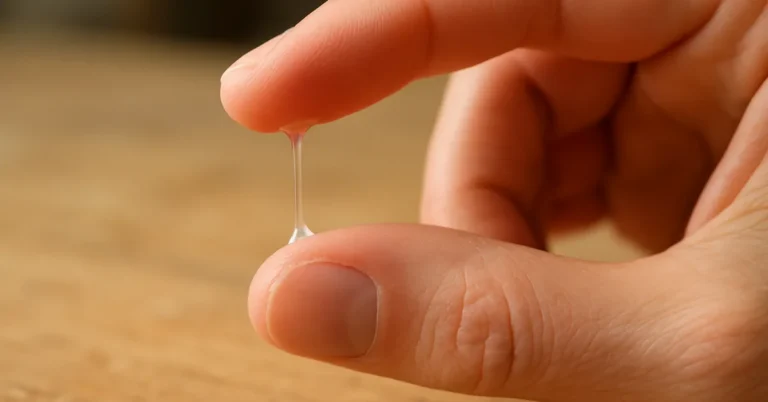
For most flat wood joints, I use a glue bead about 1/16 to 1/8 inch wide. On porous end grain or softer woods, I move closer to about 1/8 inch. On tight, nonporous joints, I use less and spread it thin. Too little glue leaves dry spots and weak bonds. Too much wastes glue, makes cleanup harder, and can starve the joint if the pieces skate apart. This guide shows how bead size, wood porosity, and application method translate into coverage and waste, with practical sizing rules for real shop joints.
How much wood glue should you apply?


The short answer for tight joints
For a good wood-to-wood fit, the goal is a thin wet film on both mating faces, not a thick layer sitting in the joint. Yellow PVA is a versatile, popular choice for many woodworking projects, and it is ideal for interior projects. It needs at least 30 minutes of clamp time and reaches full strength within 24 hours. (thisoldhouse.com)
What changes the amount
Fit changes the amount first. A tight edge joint uses less glue than an end-grain repair, and a dry, thirsty surface uses more than a smooth closed-grain board. Assembly speed matters too. If clamps go on slowly, open time shrinks the usable batch size and the glued surfaces can skin over before pressure is on them.
Why squeeze-out is a signal, not the goal
Thin, even squeeze-out at the seam usually means the joint got enough adhesive. Puddles, long drips, and glue running far beyond the joint line usually mean waste. Heavy squeeze-out does not make a stronger bond by itself. It usually means the joint was flooded or the parts were shifted during clamp-up.
According to Wood Glue Coverage Calculator – Tool Croze — The calculator notes medium porosity and edge joints apply a 1.00x coverage factor.
What glue amount means in the shop
In the shop, glue amount is easiest to think about as bead diameter, spread rate, and coverage. A bottle nozzle gives a bead you can measure in inches. A brush or roller spreads the same adhesive thinner, but it also creates loading loss, drips, and waste. Open time limits how much can be placed before assembly starts.
Bead diameter, spread rate, and coverage
A bead around 1/8 inch can be a useful planning size for many straight bottle applications. The calculator example uses a 180 sq ft/gal spread rate, a 15% waste allowance, and a 0.125 inch bead that converts to about 99 linear feet. That is a planning figure, not a promise, because joint fit and porosity change real coverage.
Open time and why batch size matters
Open time is the minutes available before a glue film starts to skin. Temperature and humidity change that window. Faster assembly means a larger clamp batch size can be handled; slow fitting or complicated clamping means the batch must be smaller. Glue should be mixed or dispensed only for what can be assembled within that open window.
Waste allowance: drips, squeeze-out, and tool loading
Waste allowance includes drips, squeeze-out, and the glue that stays on the brush or roller instead of the joint. Bottle work usually wastes less than brush or roller work on tight joints. Roller loading and brush pickup can add a surprising amount of loss on wide panels, especially when the surface is absorbent or uneven.

How much glue does each wood surface absorb?
Closed grain, open grain, end grain, MDF, particleboard, and veneer core do not drink glue the same way. Closed-grain wood needs less because it absorbs less. Open grain and end grain need more because they pull adhesive deeper. MDF and particleboard can soak up a large share at the surface, while veneer core often behaves somewhere in between.
Closed grain versus open grain
Closed-grain hardwoods usually hold a thinner glue film on the surface. Open-grain species can draw adhesive down into pores, so the first coat disappears faster. That is why the same bottle setting can feel generous on maple and barely adequate on ash or oak-like stock with open pores.
End grain and starvation risk
End grain wicks glue deep into fibers. That makes it the highest starvation-risk surface in common shop work. Edge grain usually needs a lower allowance because the adhesive stays nearer the glue line. End grain often needs more glue than edge grain, but only enough to wet the fibers and leave a continuous film.
MDF, particleboard, and veneer core
MDF and particleboard can absorb glue quickly at the surface, so a first pass may disappear almost immediately. Veneer core plywood usually needs less than particleboard, but more than a clean edge-jointed hardwood face. These panels do best with a quick spread and immediate clamp-up, not a flood.
Which glue type needs how much?
Different adhesives ask for different amounts. PVA wood glue is the standard for tight interior joints. Water-resistant crosslinking PVA is used for light outdoor repairs and is applied as a heavy bead. Polyurethane wood glue foams as it cures, works on wood, metal, and old glue, and is best for loose joints and mixed-material bonding. Two-part epoxy is mixed from resin and hardener, and syringe-dispensed versions are common for small repair work.
PVA wood glue
Yellow PVA is the practical default for clean, tight wood joints. It spreads easily, cleans up with water before cure, and does not need a thick bead on well-fitted parts. For edge joints, a thin continuous line on one face is usually enough, then a light spread to cover the full mating area.
Water-resistant crosslinking PVA
Water-resistant PVA is a better choice for light outdoor repairs than standard interior glue. The application note matters here: a heavy bead is recommended, because exterior parts often have slightly rougher fit and greater moisture exposure. Clamp time is still 30 minutes, and full cure still lands at 24 hours.
Polyurethane wood glue
Polyurethane glue is useful when a joint is loose or when wood is paired with metal or old glue. It expands as it cures, so a little goes farther than many woodworkers expect. That expansion helps fill small gaps, but it also means excess can foam out and create cleanup trouble.
Two-part epoxy
Two-part epoxy is an ultra-tough glue made by mixing a resin and a hardener. Mix ratio matters. If the parts are off, cure quality drops. Epoxy is the right call for water-resistant repairs and gap-filling where a standard PVA film would be too thin to bridge the space.
Proof table: bead size, coverage, and waste by joint type
The table below gives practical planning numbers for common shop joints and surfaces. It shows bead size, expected linear-foot coverage, and waste by application method. These are working figures for estimating a batch before the bottle opens, not a universal rule for every species or fit.
| Joint type and surface | Recommended bead diameter | Expected linear-foot coverage | Bottle waste | Brush waste | Roller waste |
|---|---|---|---|---|---|
| Edge joint, closed-grain hardwood | 1/16 inch | 110 to 130 linear feet per medium bottle batch | 10% | 18% | 22% |
| Edge joint, medium grain | 0.125 inch | 90 to 110 linear feet | 15% | 20% | 25% |
| End grain joint | 0.125 to 3/16 inch | 60 to 80 linear feet | 18% | 24% | 28% |
| MDF or particleboard edge | 0.125 inch | 70 to 90 linear feet | 15% | 22% | 26% |
| Veneer core panel joint | 1/16 to 0.125 inch | 85 to 105 linear feet | 12% | 20% | 24% |
| Loose repair or mixed-material joint | 0.125 to 3/16 inch | 50 to 70 linear feet | 20% | 25% | 30% |
How much glue should you use for a chair joint or tabletop?
A chair joint usually needs more attention to fit than more glue. Loose-fitting repairs, especially on moving parts, often call for polyurethane or epoxy rather than a bigger PVA bead. Tabletops and wide panels need enough glue for full-face coverage, but not so much that squeeze-out floods every seam and slows assembly.
Chair joints and loose-fitting repairs
Chair joints often combine end grain, short grain, and uneven wear. That makes them poor candidates for a heavy PVA flood. A snug dry fit matters more than extra adhesive. If the joint is loose, polyurethane can bridge small spaces, and epoxy can fill larger ones where the fit cannot be corrected by clamping alone.
Tabletops, panels, and wide glue lines
For a tabletop glue-up, the quantity should be based on surface area and assembly speed. Wide panels usually need a thin, even coat across the full mating face, then immediate clamping in sections or in one well-planned batch. The bigger the panel, the more important open time and clamp batch size become.
When extra glue helps and when it does not
Extra glue helps on thirsty end grain, rough plywood edges, or small gaps that need wetting. It does not help a tight edge joint that already has continuous coverage. In that case, more glue mainly means cleanup. The bond improves when the joint faces meet well, not when the seam is flooded.
How do you avoid using too much wood glue?
Avoiding waste starts with test-fitting and ends with batching. Dry-fit the joint, mark the clamp sequence, and dispense only the amount needed for that set of parts. Too much glue usually comes from overestimating assembly speed or coating both sides heavily when one thin, even film would do the job.
Test-fit first and mark your clamp set
Dry-fit tells the truth about how fast a joint can be closed. It also shows where glue will be absorbed fastest. Mark clamps, cauls, and part orientation before the bottle opens. That keeps the glued surfaces moving toward pressure instead of standing open while the adhesive skins.
Dispense in small batches
- Estimate the square footage or linear feet for the next clamp set.
- Check the surface type and choose the bead size from the table.
- Dispense only one batch that fits within open time.
- Spread quickly and close the joint without pauses.
- Stop if glue starts stringing, thickening, or dulling on the surface.
Watch for squeeze-out patterns that show over-application
Uniform, thin squeeze-out is fine. Heavy beads rolling out every inch are a sign the joint got too much glue or the fit was too loose. If squeeze-out appears far from the seam, the application was likely too heavy. On end grain, a first coat may vanish; a second light coat is better than one flood.
Frequently asked questions
How much wood glue should I apply to a joint?
Apply enough to wet both mating surfaces and leave a thin continuous film. For most flat wood joints, that means a 1/16 to 1/8 inch bead, then a quick spread. Tight joints need less. End grain and thirsty materials need more, but not enough to pool.
What size bead of wood glue is enough?
A 1/16 inch bead works for many tight, closed-grain joints. Move toward 1/8 inch for medium-grain stock and porous end grain. If the parts are loose or the surface is absorbent, a slightly larger bead may be needed. The aim is full coverage, not a thick glue layer.
How far does wood glue coverage go?
Coverage depends on surface porosity, fit, and waste from the application method. A 0.125 inch bead can be used as a planning point, and the calculator example converts that to about 99 linear feet with a 15% waste allowance. Brush and roller work usually cover less because of tool loading.
Does end grain need more wood glue than edge grain?
Yes. End grain absorbs more glue than edge grain, so it often needs a larger allowance to avoid starvation. The amount should still be controlled. Add enough to wet the fibers and leave a film, then clamp promptly. A second light coat can be better than one flood.
How much glue should I use for a tabletop?
Use enough for even coverage over the full mating faces, then break the job into clamp-sized batches that fit open time. Wide panels do not need a flood. They need a thin, continuous coat, fast assembly, and enough adhesive for the more absorbent edges and joint lines.
Sponsored / affiliate links. As an Amazon Associate I earn from qualifying purchases. I may earn additional commission from eligible campaigns.