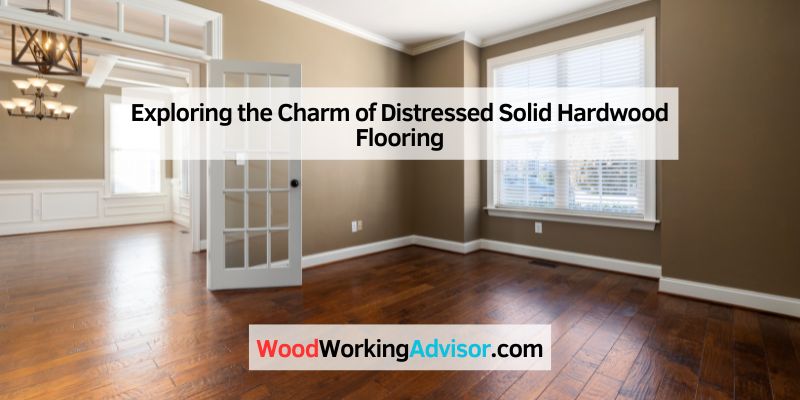
Exploring the Charm of Distressed Solid Hardwood Flooring
Hey there, friend! If you’re thinking about giving your home a fresh, timeless look, let me tell you about distressed solid hardwood flooring. It’s like stepping into a cozy, rustic cabin every time you walk through your door. This flooring style has a unique, weathered charm that blends history with modern appeal. I’ve spent years diving into woodworking, and distressed hardwood has become one of my favorite ways to add character to a space. In this guide, I’ll walk you through everything you need to know about distressed solid hardwood flooring—why it’s so special, how it’s made, and how to make it work in your home. Let’s get started!
What Is Distressed Solid Hardwood Flooring?
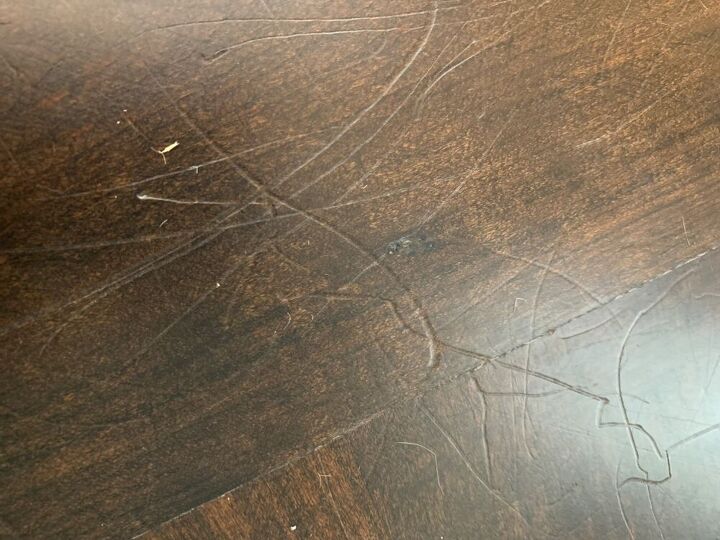
Let’s break it down. Distressed solid hardwood flooring is made from real wood planks that are intentionally aged or textured to look worn and weathered. Think of floors that tell a story—like they’ve been walked on for generations. The wood is often scraped, dented, or brushed to create a rugged, lived-in feel. Unlike engineered wood, which has a thin layer of hardwood over a core, solid hardwood is the real deal—100% wood from top to bottom.
I first fell in love with this style when I saw it in an old farmhouse. The floors had scratches, knots, and a warm patina that made the whole place feel alive. Distressed flooring brings that same vibe to modern homes. It’s perfect if you want a rustic, vintage, or industrial look without sacrificing quality.
Why Choose Distressed Solid Hardwood Flooring?
So, why go for distressed hardwood? For starters, it’s incredibly forgiving. If you’ve got kids or pets running around, those little scratches and dents blend right into the floor’s character. I’ve got a dog who loves to skid across the room, and my distressed oak floors still look amazing. Here’s why this flooring is a game-changer:
- Timeless Appeal: The weathered look never goes out of style. It fits rustic, farmhouse, or even modern minimalist homes.
- Durability: Solid hardwood lasts for decades. With proper care, it can even outlive you!
- Hides Imperfections: Spills, scratches, or dents? They just add to the charm.
- Eco-Friendly: Many manufacturers use reclaimed wood or sustainable sources, which is great for the planet.
- Value Boost: Hardwood floors can increase your home’s resale value, especially in the USA, where buyers love authentic materials.
I remember helping a friend pick flooring for her new home. She was torn between laminate and distressed hardwood. Once she saw how the hardwood aged gracefully, she was sold. It’s an investment that pays off in both beauty and function.
Types of Distressed Solid Hardwood Flooring
Not all distressed floors are the same. The type of wood, distressing technique, and finish all play a role. Here’s a quick rundown of what you’ll find:
| Type | Description | Best For |
|---|---|---|
| Hand-Scraped | Artisans scrape the wood by hand for a unique, uneven texture. | Rustic or traditional homes |
| Wire-Brushed | A wire brush removes soft wood grains, leaving a textured, natural look. | Modern or industrial spaces |
| Reclaimed Wood | Wood salvaged from old barns or factories, full of natural imperfections. | Eco-conscious or vintage lovers |
| Machine-Distressed | Machines create uniform dents and scratches for a consistent look. | Budget-friendly rustic designs |
| Smoked or Stained | Wood is treated to enhance grain or add color, often with a distressed finish. | Bold, custom aesthetics |
When I was renovating my living room, I went with hand-scraped oak. The uneven texture felt so authentic, like the floor had been there forever. If you’re after something unique, reclaimed wood is a great choice—it’s full of history and one-of-a-kind marks.
How Is Distressed Solid Hardwood Flooring Made?
Ever wonder how they make wood look so beautifully worn? It’s a mix of art and craftsmanship. Manufacturers start with high-quality hardwood, like oak, maple, or hickory. Then, they use techniques like:
- Hand-Scraping: Skilled workers use tools to scrape the wood, creating random patterns. It’s time-consuming but gives a custom feel.
- Wire-Brushing: A wire brush scratches the surface, highlighting the wood’s natural grain.
- Sanding and Staining: Some floors are sanded lightly and stained to enhance the distressed look.
- Aging Techniques: Wood might be smoked, charred, or treated with chemicals to mimic years of wear.
I once visited a workshop where they were hand-scraping planks. The care that went into each board was incredible. It’s not just about making it look old—it’s about creating a story. The result is a floor that feels both rugged and refined.
Benefits of Distressed Solid Hardwood Flooring
Let’s talk about why this flooring is worth your time and money. I’ve installed it in a few homes, and the benefits always stand out:
- Low Maintenance: Unlike polished floors, distressed hardwood doesn’t show every little scratch. A quick sweep and occasional mop keep it looking great.
- Versatility: It pairs well with almost any decor. I’ve seen it in cozy cottages and sleek lofts, and it always works.
- Comfort Underfoot: Solid hardwood feels warm and sturdy compared to tile or laminate.
- Customizable: You can choose the wood species, stain, and level of distressing to match your style.
- Longevity: With refinishing, these floors can last a lifetime. My parents have a distressed walnut floor that’s been going strong for 20 years.
One thing I love is how it feels like home the moment it’s installed. There’s no “breaking in” period—it’s already got that lived-in vibe.
Things to Consider Before Buying
Before you dive in, let’s talk about a few things to keep in mind. I learned these the hard way when I chose my first distressed floor:
- Cost: Solid hardwood isn’t cheap. Expect to pay $8-$15 per square foot, depending on the wood and distressing style. Reclaimed wood can cost even more.
- Installation: It’s best to hire pros for installation. Uneven subfloors can cause issues, and solid hardwood needs room to expand and contract.
- Maintenance: While it’s low-maintenance, you’ll still need to avoid harsh chemicals and excessive water when cleaning.
- Climate: Hardwood is sensitive to humidity. In humid areas like Florida, you’ll need a dehumidifier to prevent warping.
- Authenticity: Some cheaper options mimic distressing but use low-quality wood. Always check the source and quality.
When I installed my floors, I didn’t account for humidity at first. A small gap appeared in winter, but a humidifier fixed it. Learn from my mistake—think about your climate!
How to Choose the Right Distressed Hardwood for Your Home
Picking the perfect floor can feel overwhelming, but I’ve got you covered. Here’s how I approach it:
- Match Your Style: Love a cozy, rustic vibe? Go for hand-scraped or reclaimed wood. Want something modern? Try wire-brushed with a light stain.
- Consider the Room: High-traffic areas like kitchens need durable species like oak or hickory. For bedrooms, softer woods like walnut work fine.
- Color Matters: Darker stains hide dirt better but can make small rooms feel smaller. Lighter stains brighten up a space.
- Test Samples: Always order samples. I laid out a few in my living room to see how they looked in different lighting.
- Budget Wisely: Don’t skimp on quality. A good floor lasts decades, but a cheap one might need replacing sooner.
I spent weeks choosing between gray and natural oak for my home. Testing samples under my actual lighting made all the difference. Trust me, take your time with this step.
Installation Tips for Distressed Solid Hardwood Flooring
Installing hardwood is a big project, but it’s worth it. Here’s what I’ve learned from doing it myself and working with pros:
- Prep the Subfloor: Make sure it’s clean, level, and dry. Any bumps or moisture can cause problems.
- Acclimate the Wood: Let the planks sit in your home for a few days to adjust to the temperature and humidity.
- Choose the Right Adhesive: For glue-down installations, use a high-quality adhesive to prevent lifting.
- Nail or Glue?: Nailing is common for solid hardwood, but glue-down works for concrete subfloors.
- Leave Expansion Gaps: Wood expands and contracts. Leave small gaps around the edges to avoid buckling.
I helped a buddy install his floors, and we forgot to acclimate the wood. The planks shifted slightly after a few months. Don’t skip that step—it’s crucial!
Caring for Your Distressed Hardwood Floors
Taking care of your floors is easier than you think. Here’s how I keep mine looking great:
- Sweep Regularly: Dust and dirt can scratch the surface. A soft broom or microfiber mop works best.
- Use the Right Cleaner: Stick to pH-neutral cleaners made for hardwood. I use a mix of water and a little vinegar for spot cleaning.
- Avoid Water: Too much water can seep into the wood and cause warping. Use a damp—not wet—mop.
- Protect from Furniture: Add felt pads under chair and table legs to prevent scratches.
- Refinish When Needed: Every 10-15 years, you might need to sand and refinish to refresh the look.
I spilled coffee on my floor once and panicked. A quick wipe with a damp cloth, and it was fine. The distressed look hid any trace of the spill!
Pairing Distressed Hardwood with Your Decor
One of the best things about distressed hardwood is how versatile it is. Here are some ideas to make it shine in your home:
- Rustic Charm: Pair with exposed beams, leather furniture, and warm colors like burgundy or mustard.
- Modern Edge: Use sleek furniture, neutral tones, and metal accents for an industrial vibe.
- Cozy Cottage: Add soft textiles, pastel colors, and vintage decor for a farmhouse feel.
- Bold Contrast: Dark distressed floors look stunning with white walls and colorful art.
- Area Rugs: A patterned rug can add warmth without hiding the floor’s character.
In my dining room, I paired dark distressed walnut with a cream rug and modern chairs. It’s the perfect mix of old and new. Play around with samples to find what speaks to you.
Cost and Budgeting for Distressed Hardwood Flooring
Let’s talk money. Distressed solid hardwood isn’t the cheapest option, but it’s worth every penny. Here’s a breakdown of costs based on my experience:
| Expense | Average Cost (per sq. ft.) | Notes |
|---|---|---|
| Materials | $8-$15 | Varies by wood species and distressing |
| Installation | $3-$7 | Depends on labor rates in your area |
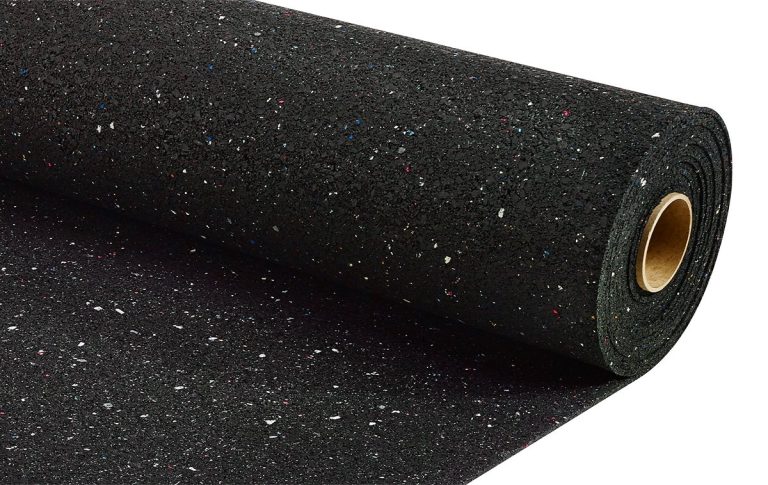
| Underlayment | $0.50-$2 | Needed for soundproofing or moisture |
| Finishing/Sealing | $1-$3 | Optional for pre-finished floors |
| Maintenance Supplies | $50-$100/year | Cleaners, pads, and occasional repairs |
For my 1,000-square-foot home, I spent about $12,000 on materials and installation. It was a big investment, but the floors still look amazing five years later. Shop around for deals, but don’t compromise on quality.
Environmental Impact and Sustainability
If you care about the planet, distressed hardwood can be a great choice. Many manufacturers use reclaimed wood from old buildings, reducing the need for new trees. Others source wood from sustainably managed forests. Look for certifications like FSC (Forest Stewardship Council) to ensure eco-friendly practices.
I chose reclaimed oak for my home because I loved the idea of giving old wood a new life. It’s like recycling with style! Plus, solid hardwood can be refinished multiple times, so it lasts longer than other flooring types, reducing waste.
Common Mistakes to Avoid
I’ve seen a few missteps when people choose distressed hardwood. Here’s what to watch out for:
- Buying Cheap: Low-cost floors might use thin wood or fake distressing. They won’t last.
- Skipping Samples: Lighting changes how floors look. Always test samples in your space.
- Ignoring Maintenance: Even distressed floors need care. Neglect can lead to damage.
- Wrong Wood for the Room: Soft woods like pine aren’t great for high-traffic areas.
- DIY Without Skills: Installation is tricky. If you’re not experienced, hire a pro.
I once saw a friend buy a cheap distressed floor online. It looked great at first, but the finish wore off in a year. Stick with reputable brands and suppliers.
Where to Buy Distressed Solid Hardwood Flooring
Ready to shop? You’ve got plenty of options. I’ve bought from local suppliers, big-box stores, and online retailers. Here are some tips:
- Local Flooring Stores: Great for seeing and touching samples. Staff can answer questions.
- Home Depot/Lowe’s: Good for budget-friendly options and quick delivery.
- Online Retailers: Sites like BuildDirect or Lumber Liquidators offer variety and deals.
- Reclaimed Wood Suppliers: Check salvage yards or companies like Elmwood Reclaimed Timber for unique finds.
- Custom Manufacturers: For a bespoke look, work with a company that hand-distresses wood.
I found my floors at a local store after comparing prices online. Don’t rush—shop around and ask for discounts, especially on bulk orders.
Conclusion
Well, friend, we’ve covered a lot! Distressed solid hardwood flooring is more than just a floor—it’s a statement. It brings warmth, character, and a touch of history to any home. From its rugged charm to its durability, this flooring is perfect for anyone who wants a space that feels both timeless and unique. I’ve loved watching my own floors age gracefully, blending new memories with their weathered beauty. Whether you’re renovating a cozy cabin or a modern loft, distressed hardwood can transform your space. So, take your time, test some samples, and find the perfect floor for your home. You won’t regret it!
Frequently Asked Questions
What makes distressed solid hardwood flooring different from regular hardwood?
Distressed hardwood is intentionally textured or aged to look worn, with scratches, dents, or stains that add character. Regular hardwood is typically smooth and polished. The distressed look hides wear and tear better, making it ideal for busy homes.
Is distressed hardwood flooring hard to clean?
Not at all! I sweep mine weekly and use a damp mop with a hardwood-safe cleaner. The distressed texture hides dirt and scratches, so it’s low-maintenance compared to glossy floors.
Can I install distressed hardwood in a bathroom?
It’s not the best idea. Hardwood is sensitive to moisture, and bathrooms are humid. I’d recommend tile or waterproof vinyl for bathrooms, but if you must, use a dehumidifier and seal the wood well.
How long does distressed solid hardwood flooring last?
With proper care, it can last 50-100 years or more! I’ve seen homes with century-old hardwood floors that still look stunning after refinishing. It’s a long-term investment.
Is distressed hardwood eco-friendly?
It can be! Reclaimed wood options are super sustainable, and many manufacturers use responsibly sourced timber. Look for FSC-certified wood to ensure eco-friendly practices.
Can I refinish distressed hardwood floors?
Yes, you can! Solid hardwood can be sanded and refinished multiple times to refresh the look. I’d recommend doing it every 10-15 years, depending on wear.
Does distressed hardwood work in modern homes?
Absolutely! I’ve seen it paired with sleek furniture and neutral colors for a stunning modern-rustic mix. Wire-brushed or light-stained options work especially well in contemporary spaces.