How to Resurface a Hardwood Floor: Screen-and-Recoat Guide
“Resurfacing” a hardwood floor does not mean sanding it down to bare wood. That’s refinishing – a different, more invasive job. Resurfacing (often called a screen-and-recoat) only abrades the existing finish layer with a buffer and mesh screen, then adds a fresh topcoat over what’s already there. It’s the fix for a floor that looks dull or lightly scuffed but still has sound finish underneath – not one with deep gouges, pet stains, or bare patches. Below is the actual step-by-step process, the tools it takes, and how to tell whether your floor qualifies for this quicker method or needs a full sand-down instead.
Resurfacing vs. Refinishing: What’s Actually Different
The two terms get used interchangeably online, and that’s where most DIYers get tripped up. A screen-and-recoat (resurfacing) uses a floor buffer fitted with an abrasive mesh screen to scuff up the top finish layer just enough for a new coat to bond – it never cuts through to bare wood. A full sand-and-refinish uses a drum or orbital sander to remove the entire old finish and a thin layer of wood, exposing fresh grain underneath. If your floor’s finish is intact and the wood itself isn’t damaged, resurfacing is faster, cheaper, and less disruptive. For a deeper side-by-side, see our refinishing vs. resurfacing comparison.
Best Screening Pads For A DIY Recoat
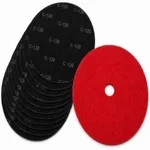 |
17″ Sanding Screen Discs (120 Grit, 10-Pack) – $35.99 These fit standard 17″ floor buffers and are exactly the fine-grit screen you need for the scuffing step in a screen-and-recoat – not a heavier grit meant for cutting through finish.
|
Signs Your Floor Needs a Screen-and-Recoat (Not a Full Sand)
Resurfacing only works when the existing finish is still doing its job of protecting the wood – it can’t fix damage that’s gone past the topcoat. Look for these signs before you decide:
- Surface dullness or fine scratches that don’t catch a fingernail – the finish is worn but intact.
- No bare wood or gray/black stained patches – those mean water or pet urine has gone through the finish into the wood, which resurfacing won’t remove.
- No deep gouges or splintering that would need to be sanded out physically.
- A water-drop test passes – if a few drops of water bead up on the floor instead of soaking in within a couple of minutes, the finish is still sealing the wood and a recoat will bond fine.
If you’re seeing bare wood, discoloration, or gouges instead, you need a full sand-down – see our guide on how to sand and refinish wood floors instead of this one.
Tools and Materials for Resurfacing
| Tool/Material | Purpose |
|---|---|
| 17″ floor buffer (rented or owned) | Drives the screen pad to scuff the existing finish |
| 120-grit mesh screening pads | Abrades the topcoat just enough for the new finish to bond |
| Tack cloth or microfiber mop | Removes fine dust after screening, before recoating |
| Water-based polyurethane or matching finish | New topcoat applied over the scuffed surface |
| Natural-bristle or foam applicator | Applies the finish evenly without streaking |
| Dust mask and eye protection | Screening still throws fine dust even without deep sanding |
How to Resurface a Hardwood Floor, Step by Step
- Clear and clean the room. Remove furniture and rugs, then vacuum and damp-mop the floor to strip away grit – leftover dirt will scratch the finish during screening.
- Fit the buffer with a 120-grit screen pad. Run it in overlapping passes, following the direction of the boards, keeping the machine moving so you don’t create swirl marks or bald spots in the finish.
- Vacuum, then tack the whole floor. Screening produces a fine haze of dust that a broom won’t fully pick up; a tack cloth or a barely-damp microfiber mop gets the rest so the new coat doesn’t trap grit.
- Apply the new topcoat. Work in the direction of the grain with a foam or natural-bristle applicator, starting at the corner farthest from the door so you can work your way out without walking on wet finish.
- Let the first coat cure per the can’s instructions (typically 2–4 hours for water-based finish before it’s safe to walk on in socks, longer before a second coat).
- Apply a second coat if the finish looks thin or uneven once the first has dried – most screen-and-recoat jobs only need one, but high-traffic rooms benefit from two.
- Keep the room closed off for 24 hours and avoid rugs or furniture for several days to let the finish fully harden.
How Many Times Can You Resurface Before You Need a Full Refinish?
Resurfacing doesn’t remove any wood, so in theory you can screen-and-recoat as many times as the existing finish stays intact – there’s no wear-layer limit the way there is with sanding. The limit comes from your floor’s finish history: once a floor has been through several coats and starts showing bare wood or damage that a recoat can’t fix, it’s time for a full sand instead. That’s a much bigger constraint on solid wood floors, which typically handle 4 to 8 full sand-and-refinish cycles over their lifetime (each pass removes roughly 0.75–1mm of wood). Engineered hardwood is far more limited because the real-wood veneer is thin: a 2mm wear layer generally allows only 1–2 full refinishes, a 3mm layer about 2–3, and a 4–6mm layer up to 5–6 – sand past that layer into the plywood core and the floor can’t be refinished again. Because resurfacing never touches that wear layer, it’s the safer repeat option on engineered floors specifically.
Cost and Time: Resurfacing vs. Full Refinishing
| Factor | Resurfacing (Screen-and-Recoat) | Full Refinishing |
|---|---|---|
| Typical cost | $1–$3 per sq. ft. | $3–$8 per sq. ft. |
| Time to complete | Usually a single day | 2–3 days, plus cure time |
| Wood removed | None | ~0.75–1mm per pass |
| Fixes deep scratches/stains? | No | Yes |
Caring for Your Resurfaced Floor
A fresh recoat is only as durable as the habits that follow it. Sweep or dust-mop regularly so grit doesn’t scratch the new finish, and damp-mop rather than wet-mop – standing water can dull or cloud a fresh topcoat. Add felt pads under furniture legs and a mat at entry points to catch grit before it reaches the floor.
Frequently Asked Questions
Can wood floors be resurfaced without sanding?
Yes – that’s exactly what resurfacing (a screen-and-recoat) is. A buffer with a mesh screening pad scuffs the existing finish so a new topcoat can bond, without cutting into the wood the way a full sand-and-refinish does.
How do you know if your floor can be resurfaced instead of refinished?
Check for bare wood, dark water stains, or deep gouges. If the finish is dull or lightly scratched but still intact – confirmed with a simple water-drop test – a screen-and-recoat will work. If the damage has gone through the finish into the wood, you need a full sand-and-refinish instead.
How long does a hardwood floor resurfacing job take?
Most screen-and-recoat jobs are done in a single day, including screening, cleaning, and applying one coat of finish, though the room should stay closed off for about 24 hours while the new coat cures.
Can engineered hardwood floors be resurfaced?
Yes, and it’s actually the safer repeat option for engineered floors. Because resurfacing doesn’t remove any wood, it doesn’t eat into the thin real-wood wear layer the way a full sand-and-refinish does – which matters since that layer typically only allows 1 to 6 full refinishes depending on its thickness.
Conclusion
Resurfacing a hardwood floor is the quicker, cheaper fix for a floor that’s dull or lightly worn but still structurally sound – a screen, a clean, and a fresh topcoat, usually in a single day. Save the full sand-and-refinish for floors with bare wood, deep gouges, or stains that have gone past the finish. Test your floor’s finish first, and you’ll know within a few minutes which project you’re actually signing up for.
Sponsored / affiliate links. As an Amazon Associate I earn from qualifying purchases. I may earn additional commission from eligible campaigns.