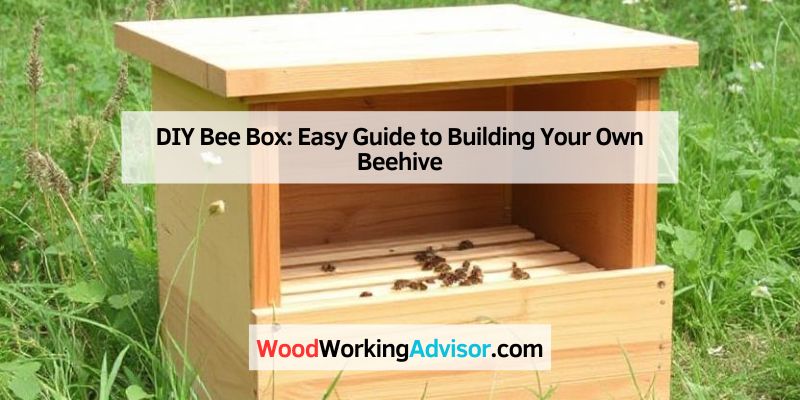
DIY Bee Box: Easy Guide to Building Your Own Beehive
Building a bee box can be a rewarding project. It allows you to support local bee populations.
Creating your own DIY bee box is simpler than you might think. Bees play a crucial role in pollination, which is vital for our ecosystem. By making a bee box, you provide a safe haven for these essential insects. This small effort can have a significant impact on your garden and the environment.
It’s a fun and educational activity that can involve the whole family. Plus, you get to observe bees up close. Ready to learn how to make your own DIY bee box? Let’s dive into the steps and materials needed to create a welcoming home for bees.
Credit: www.youtube.com
Materials Needed
Choose pine or cedar wood for your bee box. These woods last longer. Make sure the wood is free of chemicals. This keeps bees safe. The wood should be 3/4 inch thick. Thicker wood helps in insulation. Bees like a warm home. You can buy pre-cut wood. Or you can cut it yourself. Check the wood for knots and cracks. These can let in cold air. Smooth wood is best. Bees like a smooth surface.
You need a hammer and nails. These hold the box together. A saw is needed to cut the wood. Measuring tape helps to cut the right size. Wood glue makes the box strong. You also need a drill. This makes holes for air. A screwdriver is useful too. Use it to tighten screws. Sandpaper smooths the wood. Smooth wood is good for bees. Paint can protect the wood. Use bee-safe paint only.
Choosing The Right Location
Bees thrive in a warm climate. Sunny areas are best for them. Keep the bee box out of strong wind. Sheltered spots help bees stay safe. Avoid places with too much shade. Morning sun helps bees stay active.
Place the bee box away from busy areas. Children might get curious, so keep the box out of their reach. Make sure pets can’t get too close. A fence can help keep the bee box safe. Avoid areas with lots of human traffic. Safety is important for both bees and people.
Building The Hive Body
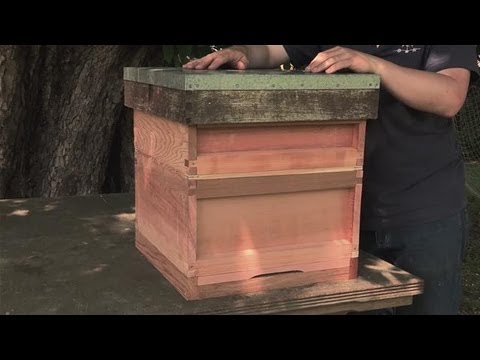
Start with high-quality wood. Measure and mark the pieces. Use a saw to cut the wood into panels. Each panel must be smooth. Sand the edges to avoid splinters. Check for straight cuts. Proper cutting makes assembly easier.
Lay out the cut wood pieces. Align the edges carefully. Use wood glue on the edges. Clamp the pieces together. Let the glue dry. Nail or screw the pieces for extra strength. Ensure the corners are square. A strong hive body will last longer.

Credit: www.youtube.com
Creating Frames
Frames should fit inside the bee box. Standard frames are 19 inches long and 9 inches high. Wood is a common material for frames. Ensure the wood is strong and smooth. Avoid rough edges to protect bees.
The foundation is the base for the honeycomb. Wax foundation is popular. It helps bees build straight combs. Plastic foundation is also used. It is durable and easy to clean. Secure the foundation with nails or glue.
Adding A Bottom Board
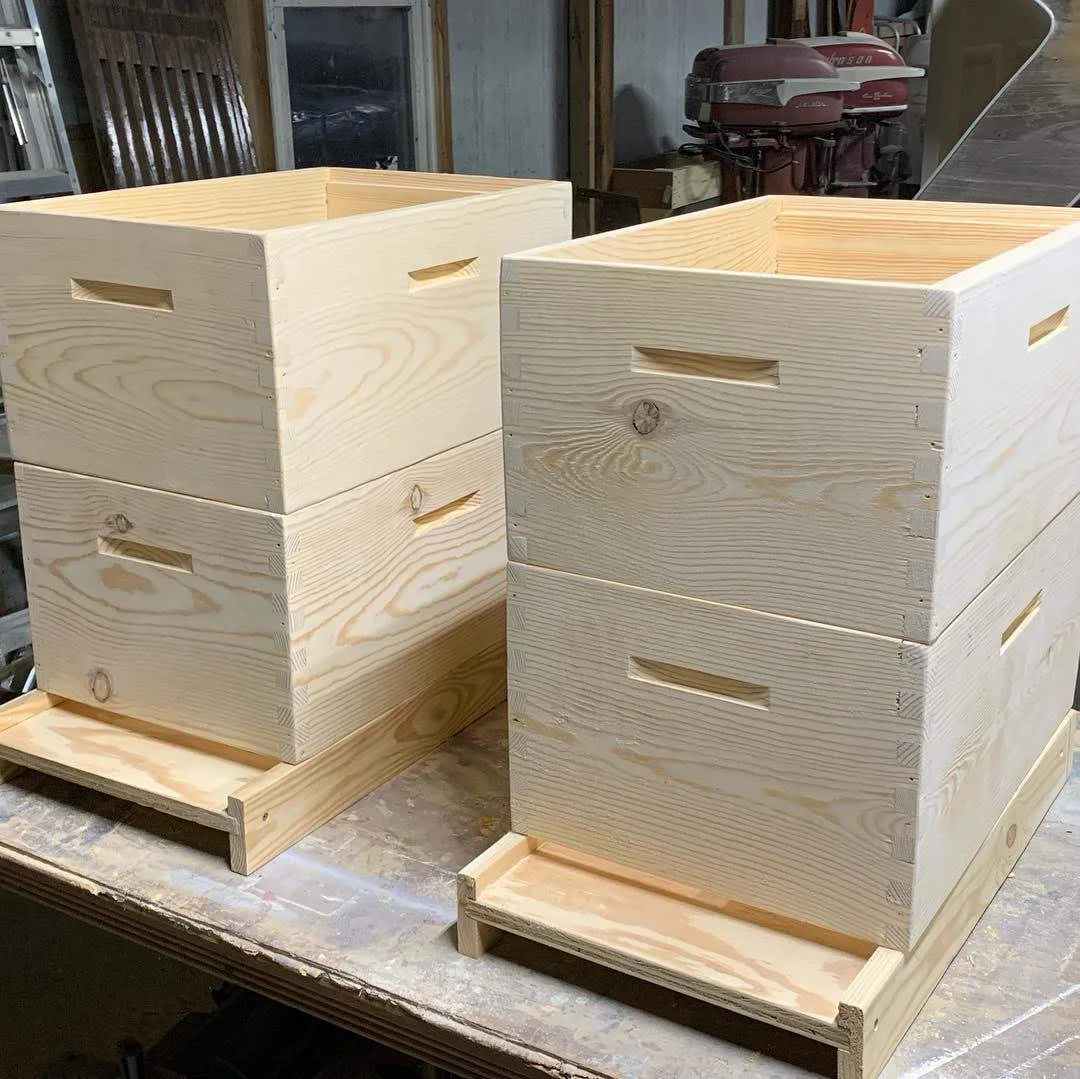
There are different types of bottom boards. Some are solid, while others have screens. Solid boards keep the hive warm. Screened boards help with ventilation. Both types have their benefits. Choose based on your climate. Cold areas might need solid boards. Hot places might prefer screened ones.
First, gather your tools. You need screws and a screwdriver. Place the bottom board under the bee box. Make sure it fits well. Next, attach the board with screws. Tighten them securely. Check for gaps. Bees can escape through gaps. Make adjustments if needed. Your bottom board is now installed.
Credit: www.revivalwoods.com
Constructing The Inner Cover
Ventilation is key. Bees need fresh air. Drill several small holes. Place holes evenly. Ensure bees can breathe.
Fit the cover snugly. No gaps or cracks. Bees must stay inside. Secure the cover well. Use screws or nails. Check for stability.
Attaching The Outer Cover
For the outer cover, you can use wood, metal, or plastic. Wood is traditional and blends well with nature. Metal is durable and weather-resistant. Plastic is lightweight and easy to work with. Choose the material that fits your needs.
Use screws or nails to secure the cover. Ensure it fits snugly. This keeps the bees safe from rain and predators. Check for gaps and fill them. Gaps can let in cold air and pests. Regularly check the cover to make sure it stays secure.
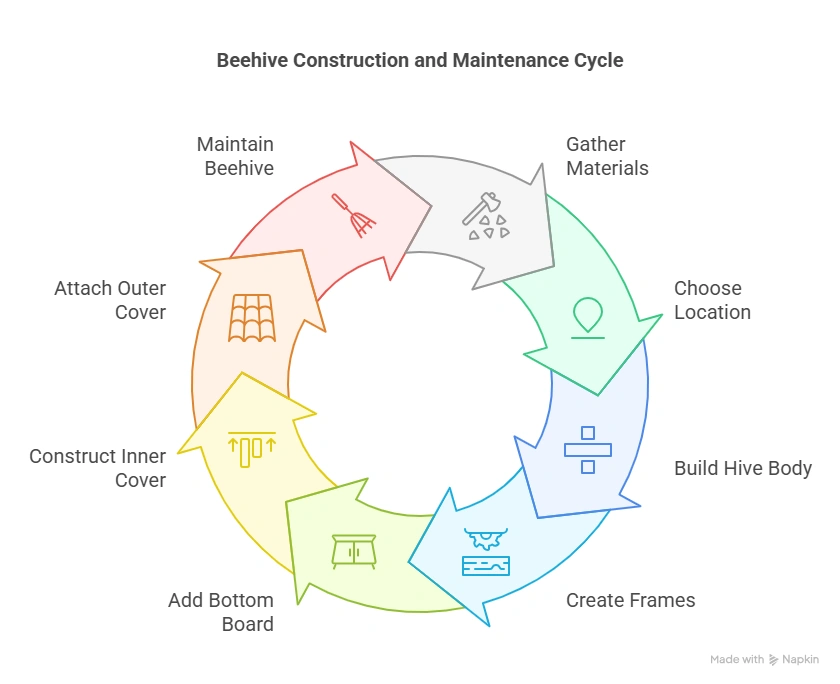
Maintaining Your Beehive
Check your beehive every week. Look for pests, disease, and the queen bee. Healthy bees are active and look clean. If bees seem slow, there may be a problem. Regular inspections can help prevent bigger issues later on.
Bees need different care in each season. In spring, check for healthy growth. In summer, ensure they have enough water. In fall, make sure they have enough food for winter. During winter, insulate the hive to keep bees warm. Seasonal care keeps your bees happy and healthy.
Frequently Asked Questions
How To Make A Simple Bee Box?
To make a simple bee box, use untreated wood. Build a box with removable frames. Ensure proper ventilation and a secure lid. Paint the exterior to protect from weather. Place the box in a shaded area.
Is It Cheaper To Build Your Own Beehive?
Building your own beehive can be cheaper. It depends on the materials and tools you use.
What Is The 3 Feet 3 Mile Rule For Bees?
The 3 feet 3 mile rule for bees means moving hives less than 3 feet or more than 3 miles to avoid confusion.
What Is The 7/10 Rule In Beekeeping?
The 7/10 rule in beekeeping suggests inspecting hives every 7 to 10 days to ensure colony health and prevent swarming.
Conclusion
Creating a DIY bee box is both rewarding and fun. You can help bees thrive in your garden. This small effort leads to a big impact on nature. Bees play a crucial role in pollination. Building a bee box is a simple way to support them.
Plus, it’s a great project for all ages. Follow the steps, and soon you’ll have happy bees buzzing around. Enjoy your new bee box and the benefits it brings to your garden. Happy building!