DIY Drill Bit Extension: Ultimate Guide for Easy DIY Projects
Have you ever struggled to reach tight spots while drilling? A DIY drill bit extension can be your secret weapon.
Imagine how much easier your projects would be if you could extend your drill’s reach without buying expensive tools. In this guide, you’ll discover simple, effective ways to create your own drill bit extension. By the end, you’ll have the skills to tackle tricky jobs with confidence and save money at the same time.
Keep reading—your next project just got a whole lot easier.
Benefits Of Drill Bit Extensions
Drill bit extensions add value to your toolset. They make drilling easier in hard-to-reach places. Extensions improve the drill’s function without extra cost. Using them saves time and effort on many projects.
Reach Tight Spaces
Drill bit extensions help reach narrow spots. They let you work inside cabinets or behind walls. Extensions fit where your drill cannot reach. This makes tasks in tight spaces possible and simple.
Increase Versatility
Extensions turn one drill into many tools. They allow using different drill bits easily. You can switch bits without changing the drill. This adds flexibility for various jobs and surfaces.
Save Time And Effort
Using drill bit extensions cuts down job time. No need to move heavy tools or rearrange work areas. Extensions reduce bending and stretching. This lowers fatigue and speeds up work.
Materials Needed
Creating a DIY drill bit extension requires specific materials. These materials help you build a strong and effective tool. Choosing the right parts makes your work easier and safer.
Extension Rod Options
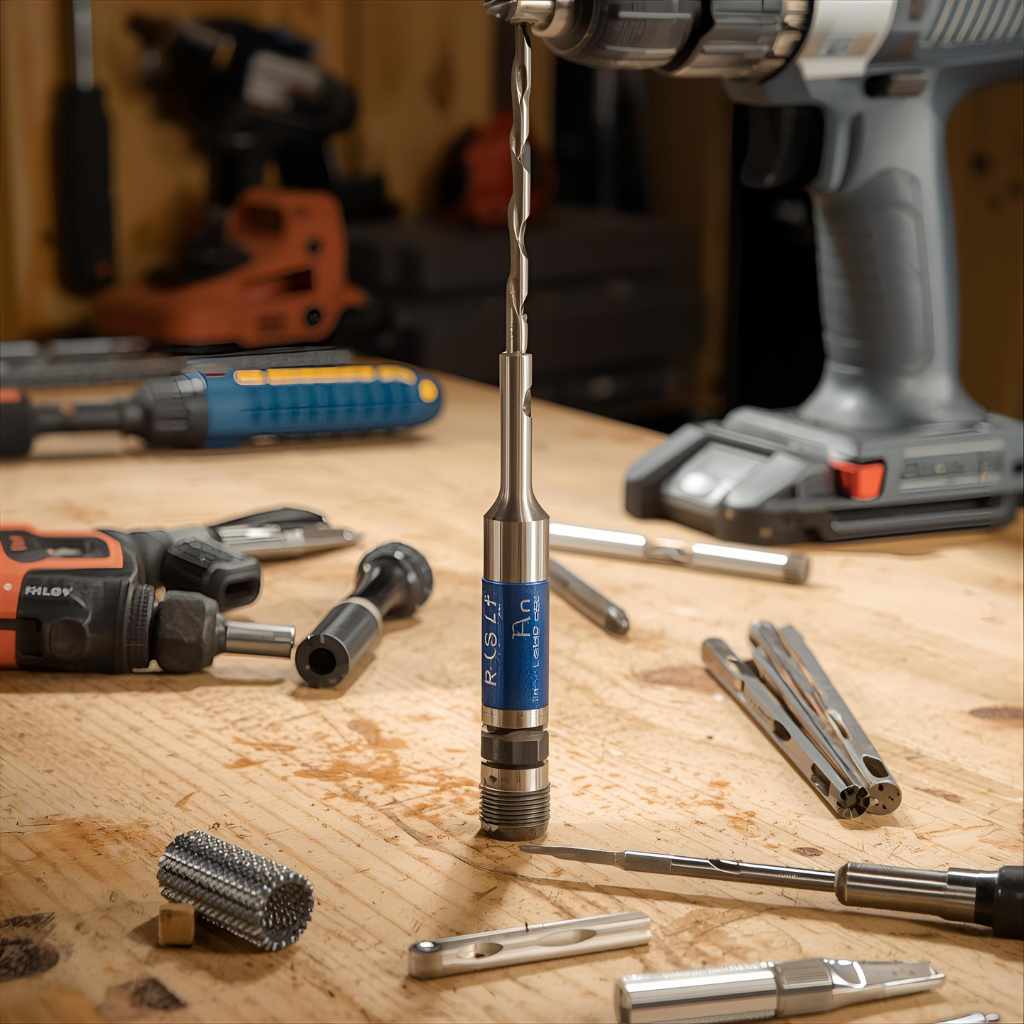
Extension rods come in different types. Metal rods are strong and last long. Plastic rods are lighter but less durable. Choose rods that fit your drill size. Make sure the rod is straight and smooth.
Connecting Accessories
To join the extension rod to the drill bit, use connectors. Couplers and adapters work well for this task. Check that connectors are tight and secure. Avoid loose parts to prevent accidents.
Safety Gear
Safety gear protects you during the project. Wear safety glasses to protect your eyes. Gloves keep your hands safe from sharp edges. Use ear protection if the drill is loud. Safety gear reduces injury risks significantly.
Step-by-step Extension Assembly
Building a drill bit extension helps reach tight or deep spaces easily. This step-by-step guide explains how to assemble it safely and correctly. Each part must fit well for the best performance. Follow these clear steps to get started.
Choosing The Right Extension
Select an extension that matches your drill size. Check the diameter and length before buying. Too long or too thin can cause wobbling. Pick a sturdy, durable extension for safety. Metal extensions usually work best for strength.
Securing The Drill Bit
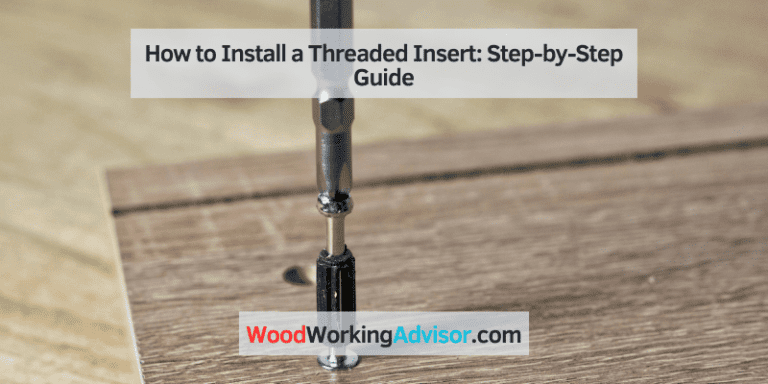
Insert the drill bit firmly into the extension. Tighten the chuck or use a set screw to hold it. Make sure the bit does not move or slip. A loose bit can damage the work or cause injury. Double-check the fit before using the drill.
Testing The Setup
Turn on the drill at low speed first. Watch for any wobbling or unusual noises. Stop immediately if the setup feels unstable. Adjust the drill bit or extension as needed. A secure setup runs smoothly and safely.
Tips For Effective Use
Using a DIY drill bit extension can help reach tight spaces easily. However, it needs careful handling for best results. Follow these tips to use your drill bit extension effectively and safely.
Maintaining Stability
Hold the drill firmly with both hands. Keep the extension straight to avoid bending. A stable grip reduces wobbling and improves accuracy. Work on a steady surface to keep control during drilling.
Avoiding Over-torque
Do not force the drill if it feels stuck. Over-torque can break the extension or drill bit. Use gentle pressure and let the drill do the work. Stop and check often to prevent damage.
Proper Speed Settings
Set the drill speed based on the material you drill. Low speed works well for hard materials like metal. Higher speed suits soft materials like wood. Adjust speed to avoid overheating and wear.
Common Mistakes To Avoid
Creating a DIY drill bit extension can save time and money. Still, mistakes can cause problems or injury. Avoiding common errors ensures your project works well and stays safe. Here are key mistakes to watch out for.
Using Incompatible Parts
Not all parts fit together properly. Using mismatched drill bits and extensions can cause slipping. This leads to poor drilling and possible damage. Always check the size and type before connecting parts.
Ignoring Safety Precautions
Safety is vital when working with power tools. Skipping safety gear like gloves or goggles risks injury. Make sure the drill is off before changing bits. Keep your work area clean and clear of hazards.
Overextending Length
Making the extension too long reduces control. The drill bit can wobble or break easily. Use only the needed length to reach the drill point. Shorter extensions provide better stability and accuracy.
Creative DIY Projects With Extensions
DIY drill bit extensions open new doors for creative projects at home. They help reach tight spaces and drill deeper holes easily. This tool is handy for many tasks beyond basic drilling.
Extensions make projects faster and more precise. They add flexibility to your drill and improve your work quality. Using extensions, you can tackle complex jobs with simple tools.
Building Furniture
Drill bit extensions help build custom furniture pieces. They reach inside corners and tight joints without hassle. You can assemble shelves, tables, and cabinets with ease. Extensions ensure screws go in straight and secure. They make drilling in hard-to-reach spots effortless.
Home Repairs
Many home repairs need drilling in narrow spaces. Extensions allow you to fix cabinets, doors, and window frames quickly. They help reach behind appliances or inside walls safely. Using extensions means fewer mistakes and less damage. They save time and reduce frustration during repairs.
Crafting And Hobbies
Craft lovers find extensions useful for delicate projects. They help drill small holes in wood, plastic, or metal. Extensions improve control and accuracy for detailed work. Whether making models or art pieces, they offer better access. This tool makes crafting more enjoyable and precise.
Frequently Asked Questions
What Materials Are Best For A Diy Drill Bit Extension?
Steel or aluminum rods work best for DIY drill bit extensions. They offer durability and flexibility. Avoid brittle materials to prevent breakage during use.
How Do I Safely Make A Drill Bit Extension?
Use proper tools and safety gear. Secure the drill bit and extension tightly. Test the extension for stability before actual use.
Can Any Drill Bit Be Extended With A Diy Extension?
Most standard drill bits can be extended. However, very small or specialty bits may not fit securely. Always check compatibility first.
What Length Should A Diy Drill Bit Extension Be?
Keep extensions under 12 inches for stability and control. Longer extensions may cause wobbling and reduce drilling accuracy.
Conclusion
Making your own drill bit extension saves time and money. It helps reach tight or deep spots easily. Use common tools and materials you already have. Always check the fit and strength before use. This simple project improves your drilling tasks a lot.
Try it yourself and see the difference. Keep safety in mind while working. Small efforts can make big work easier. Enjoy your DIY drill bit extension!