Do Acorns Come From Oak Trees: Proven Essential Facts
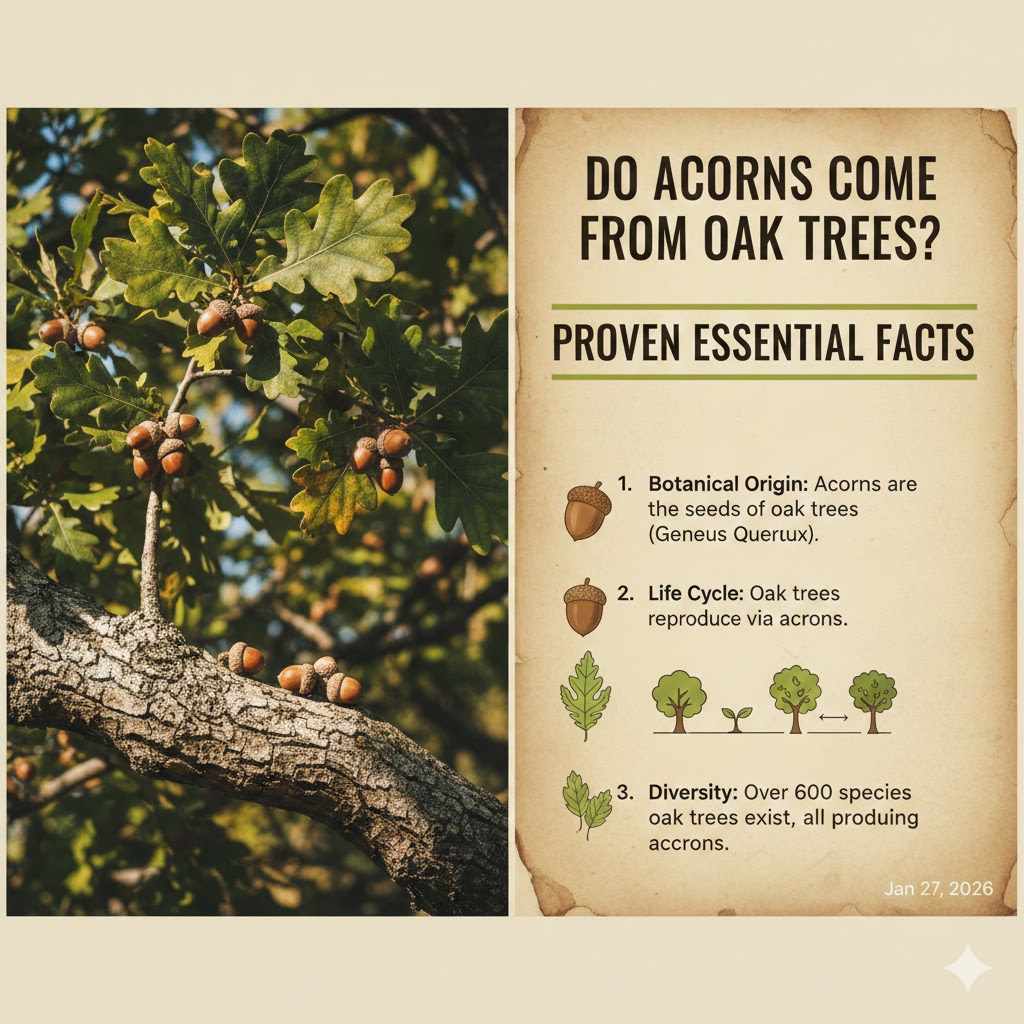
Yes, acorns only come from oak trees. It’s a proven fact. An acorn is the specific nut or fruit of an oak tree, which belongs to the genus Quercus. If you find an acorn on the ground, you can be absolutely certain there is an oak tree nearby. It’s the simplest way to identify one!
Hello there! It’s Md Meraj, your friendly guide in the workshop. Today, we’re stepping outside for a moment to answer a question that might seem simple, but is actually key for anyone who loves wood: “Do acorns come from oak trees?” You might be wondering why a woodworker cares about this. Well, knowing your trees helps you know your wood. Understanding this basic connection is the first step to identifying one of the most popular and reliable hardwoods you’ll ever use in your projects. Don’t worry, I’ll make this simple and clear. Let’s get to the bottom of it together!
Let’s start with the clearest answer possible. Yes, acorns come exclusively from oak trees. There are no other types of trees that produce the iconic acorn. Think of it like this: apples come from apple trees, and acorns come from oak trees. It’s a one-to-one relationship. An acorn is, scientifically speaking, the fruit of the oak tree. Its main job is to carry the seed that can one day grow into a new, mighty oak.
So, whenever you see those little nuts with their distinctive caps scattered on the ground, you can confidently say there’s an oak tree right there. This simple piece of nature knowledge is incredibly handy, not just for nature lovers, but especially for us woodworkers who want to understand the source of our materials.
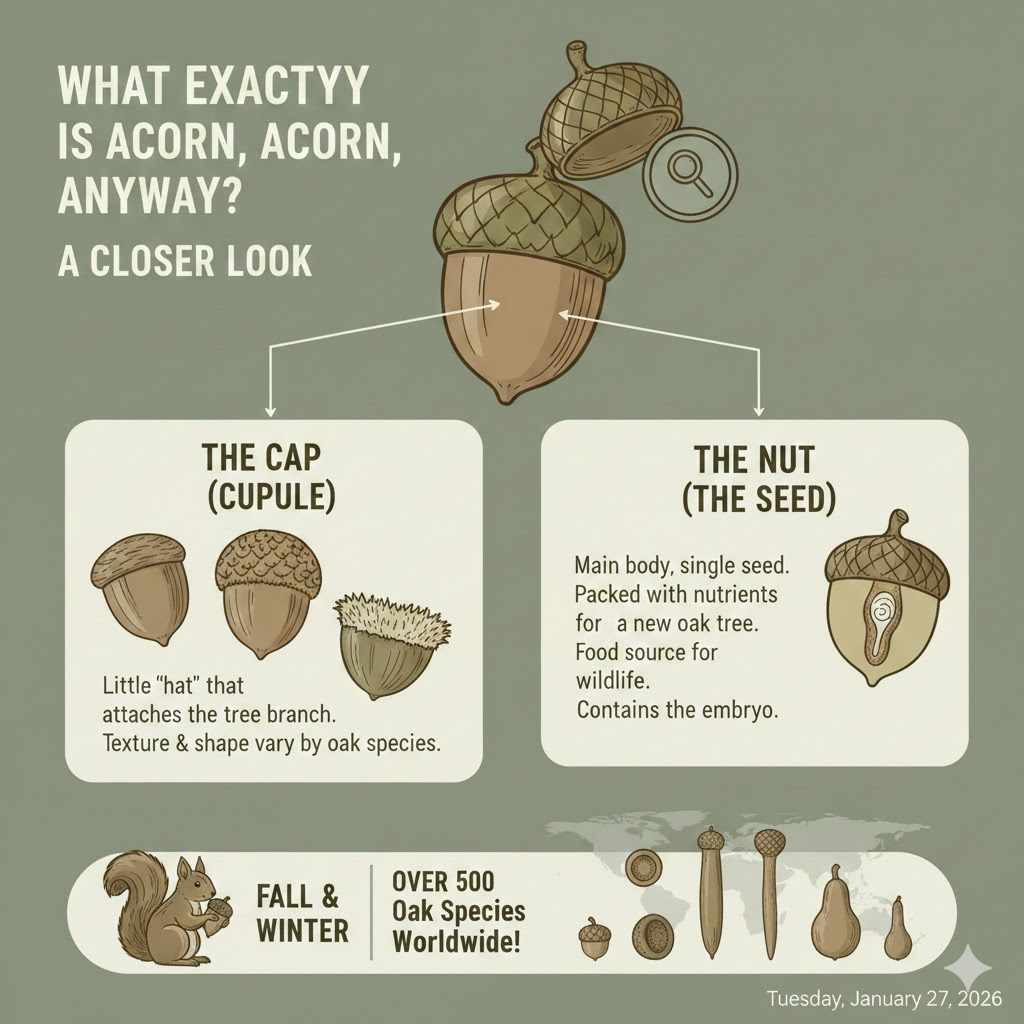
What Exactly Is an Acorn, Anyway? A Closer Look
At first glance, an acorn looks simple. But like a well-made joint in woodworking, there’s more to it than meets the eye. Understanding its parts helps us appreciate the clever design of nature. An acorn has two main parts.
The Cap (or Cupule)
The cap is the little “hat” that sits on top of the nut. It’s not just for looks! This woody cup, called a cupule, is what attaches the acorn to the tree branch as it grows. The texture and shape of the cap can be a big clue to what kind of oak tree it came from. Some caps are smooth and scaly, while others can be bumpy or even have a fuzzy fringe.
The Nut (The Seed)
This is the main body of the acorn. It’s a single seed packed with all the nutrients and energy a new oak tree needs to start its life. Inside this tough shell is the embryo that will sprout roots and a stem when the conditions are right. For wildlife like squirrels and deer, this part of the acorn is a major food source, especially during the fall and winter.
The size and shape of acorns can vary a lot. Some are small and round, while others are long and thin. This diversity is due to the huge variety of oak species around the world—over 500 of them!
The Mighty Oak: A Woodworker’s Best Friend
Oak trees belong to a large family of trees known as the genus Quercus. This family is spread across the Northern Hemisphere and includes hundreds of different species. For woodworkers, oak is a prized material. It’s strong, durable, beautiful, and has been used for everything from ships and barrels to fine furniture and flooring for centuries.
But not all oaks are the same. In North America, oak trees are generally divided into two main groups that are very important for woodworkers to know: Red Oaks and White Oaks. Learning to tell them apart can save you a lot of time and frustration in your projects.
The Two Big Families: Red Oaks vs. White Oaks
The difference between these two groups goes beyond the name. It affects their acorns, their leaves, and most importantly, their wood. A Red Oak acorn, for example, takes two years to mature on the tree, while a White Oak acorn matures in just one season. These differences are clues that help us identify the tree and understand the wood it will produce. Check out this resource from the U.S. Forest Service for more in-depth forestry information.
Here is a simple table to help you see the key differences at a glance:
| Feature | Red Oak Group | White Oak Group |
|---|---|---|
| Acorn Maturation | Takes two years to mature. | Matures in a single year. |
| Acorn Taste (to wildlife) | Bitter due to high tannin content. | Sweeter and more palatable. |
| Leaf Shape | Lobes have pointed tips or bristles. | Lobes are smooth and rounded. |
| Wood Pores | Open and porous. Does not hold water. | Clogged with natural plugs (tyloses). Water-resistant. |
| Wood Color | Often has a reddish or pinkish tint. | Tends to be lighter, with beige or grayish-brown tones. |
| Best for Outdoor Use? | No, it rots easily when exposed to moisture. | Yes, its water resistance makes it ideal for outdoor furniture. |
Why Don’t All Oak Trees Have Acorns All the Time?
You may have walked by an oak tree in the summer and seen no acorns, or noticed that one year the ground is covered with them, and the next, there are barely any. This is perfectly normal and happens for a few key reasons.
Tree Age and Maturity
Just like people, trees need to grow up before they can reproduce. A young oak tree, called a sapling, won’t produce acorns. Most oak trees need to be at least 20 years old before they start producing their first crop of acorns, and they don’t hit their peak production until they are around 50 years old! So, if you see an oak without acorns, it might just be too young.
Mast Years: Nature’s Boom-and-Bust Cycle
Oak trees have a fascinating survival strategy called “masting.” A “mast year” is a year when the oak trees in an area produce a massive, synchronized crop of acorns—way more than the local squirrels and other wildlife can eat. The ground will be literally carpeted with them.
This is followed by several years of very low acorn production. Why do they do this? It’s a clever trick. During low-production years, the squirrel population shrinks due to less food. Then, during a mast year, there are so many acorns that the small squirrel population can’t eat them all, ensuring many acorns will survive to sprout into new trees. It’s nature’s way of playing the long game.
Weather and Environmental Factors
Acorn production is hard work for a tree and requires a lot of energy. A late spring frost can kill the oak flowers (yes, oaks have flowers!), meaning no acorns can develop that year. A severe drought can also cause a tree to drop its young acorns early to conserve water. The overall health of the tree, determined by soil quality and access to sunlight, also plays a huge role.
A Beginner’s Guide to Identifying an Oak Tree
Alright, let’s get practical. You’re outside, and you want to know if that big, beautiful tree in front of you is an oak. Here is a simple, step-by-step method to identify one with confidence.
Step 1: Look for the Telltale Sign—Acorns!
This is the easiest step. Scan the ground around the base of the tree. Do you see any acorns or acorn caps? If you find even one, you’ve found an oak tree. It’s that simple. This is the most definitive clue you can find, no matter the season.
Step 2: Examine the Leaves
If you can’t find acorns, the leaves are your next best clue. Most oak leaves have a very distinctive shape with “lobes” and “sinuses.” Lobes are the rounded or pointed parts that stick out, and sinuses are the gaps in between.
- Pointed Lobes = Red Oak Group. Look at the very tip of each lobe. If it has a tiny, sharp point or bristle, you are looking at a tree from the Red Oak family.
- Rounded Lobes = White Oak Group. If the lobes of the leaf are smooth and rounded at the tips, it’s a member of the White Oak family.
This simple leaf trick is incredibly reliable and a great skill for any woodworker to have. Knowing the difference tells you immediately about the properties of the wood.
Step 3: Check the Acorn’s Cap
If you did find acorns, take a closer look at the cap. The variety in caps is amazing and can help you narrow down the exact species. For example:
- A Bur Oak has a huge acorn with a cap that has a shaggy, mossy fringe around the edge.
- A White Oak acorn has a cap that is bumpy or warty and covers about one-quarter of the nut.
- A Live Oak (common in the southern U.S.) has a long, dark acorn with a cap that is more bowl-shaped and covered in fine, gray hairs.
Step 4: Observe the Bark
While bark can vary, mature oak trees usually have grayish bark with deep, rugged grooves and ridges. It often looks like long, rough, interconnected strips. It looks and feels strong and sturdy, just like the wood it protects.
Here’s a quick-reference table for a few common oaks:
| Common Oak Name | Leaf Type | Acorn Description | Woodworker’s Note |
|---|---|---|---|
| White Oak (Quercus alba) | Rounded lobes, no bristles. | Medium-sized nut with a warty, bowl-shaped cap. | Gold standard for outdoor projects and barrel making. Water-resistant. |
| Northern Red Oak (Quercus rubra) | Pointed lobes with bristle tips. | Large, roundish nut with a flat, saucer-like cap. | Great for indoor furniture, flooring, and cabinets. Stains well. |
| Bur Oak (Quercus macrocarpa) | Very large leaves with deep sinuses and rounded lobes. | The largest acorn! Has a distinctive deep cap with a fuzzy fringe. | A type of white oak. Wood is very durable and similar to White Oak. |
| Live Oak (Quercus virginiana) | Small, leathery leaves that are evergreen (stay on all year). Not lobed. | Long, dark nut in a small, fuzzy cap. | Incredibly dense, hard, and heavy wood. Historically used for shipbuilding. |
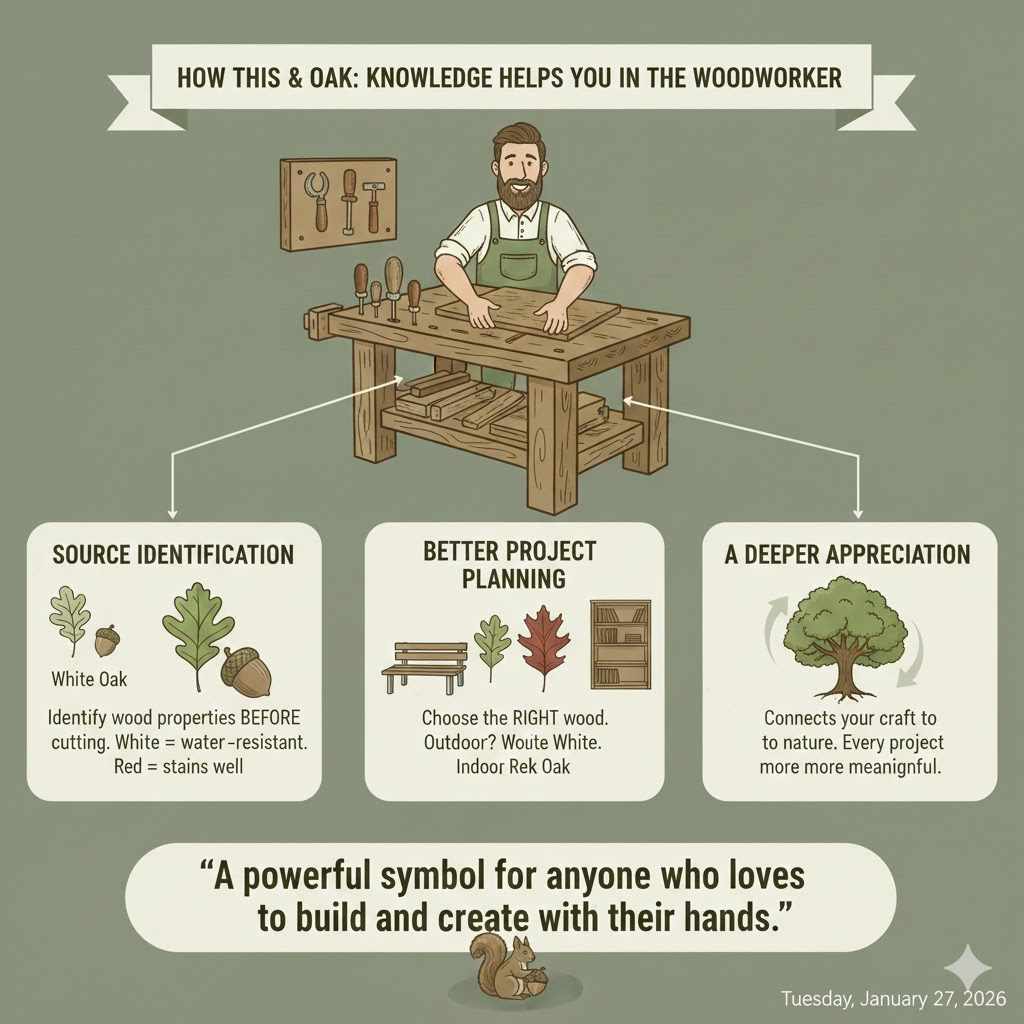
How This Knowledge Helps You in the Workshop
So, we’ve established that acorns mean oak trees. Why does this circle back to being so important for your woodworking projects?
- Source Identification: If you’re harvesting your own wood or buying from a local sawmill, being able to identify a tree as a White Oak or Red Oak before it’s even cut is a massive advantage. You’ll know the properties of the wood right from the start.
- Better Project Planning: Knowing the difference helps you choose the right wood for the job. Do you need wood for an outdoor bench? Find a White Oak with its rounded leaves and water-resistant properties. Making an indoor bookshelf? A Red Oak with its pointed leaves will work perfectly and take a stain beautifully.
- A Deeper Appreciation: Understanding the life cycle of the tree, from a tiny acorn to a giant source of lumber, gives you a deeper respect for the material you work with. It connects your craft to the natural world, and that makes every project more meaningful.
When you see an acorn, you’re not just seeing a nut. You’re seeing the potential of a future forest and the promise of strong, beautiful wood for generations to come. It’s a powerful symbol for anyone who loves to build and create with their hands.
Frequently Asked Questions (FAQ)
Do all oak trees produce acorns?
Yes, all healthy, mature oak trees have the ability to produce acorns. However, a tree must be old enough (usually 20+ years) and conditions like weather must be right. They also won’t produce a big crop every single year due to masting cycles.
What other trees have nuts that look like acorns?
This is a great question! Acorns are unique to oak trees. While other trees produce nuts in husks or shells—like hickories, walnuts, and chestnuts—none of them have the distinct cap-and-nut structure of an acorn. If it has a cupule (cap), it’s an acorn, and it came from an oak.
Can you eat acorns?
People can eat acorns, but not straight from the tree. They are full of tannins, which are very bitter and can upset your stomach. To make them edible, they must be shelled and soaked in water (a process called leaching) to remove the tannins. It’s quite a bit of work!
How long does it take for an acorn to grow into a big oak tree?
A very, very long time. Oaks are slow-growing trees. While an acorn might sprout and grow a few inches in its first year, it can take 30 to 40 years to become a medium-sized tree and hundreds of years to become a truly massive, old-growth oak.
Why are there so many acorns some years and so few in others?
This is due to “mast years.” It’s a survival strategy where oaks synchronize to produce a huge crop of acorns every few years. This overwhelms nut-eating animals, ensuring that some acorns survive to sprout. In between these mast years, production is much lower.
Can I grow a tree from an acorn I find?
Absolutely! It’s a fun and rewarding project. The basic steps are to collect fresh acorns (usually in the fall), test them for viability by seeing if they sink in water (floaters are usually bad), and then either plant them directly or store them in a cool, damp place over the winter (a process called stratification) to plant in the spring.
Are acorns bad for my dog?
Yes, acorns can be harmful to dogs and other animals like horses. The tannins that make them bitter can cause stomach upset and, in large quantities, can even lead to kidney problems. It’s best to prevent your dog from eating them.
Conclusion: The Acorn Never Falls Far From the Oak
So, there you have it. The answer to “do acorns come from oak trees?” is a clear and simple “yes.” That little nut is the defining feature of one of the most important trees for woodworkers and forest ecosystems alike. It’s more than just a seed; it’s an identification tag, a clue to the wood’s properties, and a reminder of the slow, steady, and strong cycle of nature.
The next time you’re out for a walk or planning a new project, I hope you’ll look at acorns a little differently. See them as a direct link between the forest floor and your workshop. By learning to read these simple signs from nature, you become a more knowledgeable and connected craftsperson. Happy woodworking, and keep exploring!