Do I Need a Wood Planer? Unlock Your DIY Potential
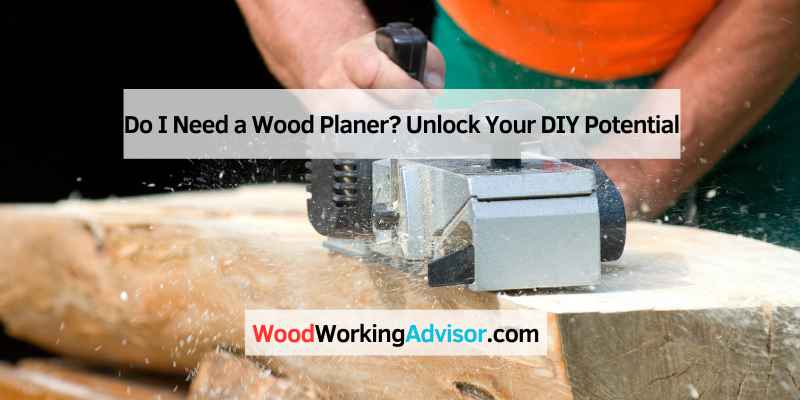
A wood planer is essential if you want smooth, even surfaces on your lumber. It helps achieve precise thickness and flatness.
A wood planer is a valuable tool for both hobbyists and professionals in woodworking. It transforms rough lumber into beautifully finished pieces, enhancing their appearance and usability. Whether you’re building furniture or cabinetry, a planer ensures consistent thickness, making your projects easier to assemble.
This tool is especially beneficial for reclaiming old wood, allowing you to breathe new life into salvaged materials. With various types available, from handheld models to powerful stationary versions, there’s a planer for every need. Investing in a wood planer can significantly improve the quality of your work and streamline your woodworking process, making it a worthwhile addition to your workshop.
The Essentials Of Woodworking
A wood planer is a vital tool in woodworking. It helps achieve a smooth and flat surface on wood. This tool removes thin layers of wood, making it even and level.
Using a wood planer saves time and effort compared to hand sanding. It provides a uniform finish that is hard to achieve manually. Other tools, like jointers, focus on edges, while planers smooth entire surfaces.
| Tool | Purpose |
|---|---|
| Wood Planer | Flattens and smooths wood surfaces |
| Jointer | Creates flat edges for joining |
| Router | Shapes and finishes edges |
Benefits Of Owning A Wood Planer
Owning a wood planer offers great advantages. Achieving uniform thickness is essential for quality projects. A planer ensures that all pieces of wood have the same thickness. This leads to better fitting joints and a polished look.
Customizing wood sizes is another key benefit. A wood planer lets you adjust the dimensions of your wood easily. Whether you need wider boards or thinner strips, a planer can do it. This flexibility saves time and effort in your woodworking tasks.
Enhancing wood finishes is crucial for aesthetics. A wood planer smooths surfaces effectively. This prepares the wood for staining or painting. A smooth finish makes any project look more professional and appealing.
Types Of Wood Planers
Wood planers come in two main types: handheld and benchtop. Handheld planers are portable and easy to use. They are great for small projects and quick jobs. Benchtop planers are larger and provide more stability. These are ideal for bigger tasks and can handle larger pieces of wood.
Planers can also be electric or manual. Electric planers are faster and require less effort. They are perfect for larger projects. Manual planers need more physical effort but offer more control. They are often preferred for detailed work and fine finishes.
When To Consider Buying A Wood Planer
Consider a wood planer if you often tackle DIY projects. A planer helps create smooth surfaces and uniform thickness. It saves time and improves the quality of your work.
For professional woodworking, a wood planer is essential. It allows precise adjustments and better finishes. This tool helps achieve the desired look for furniture and cabinetry.
Investing in a wood planer can enhance skills and efficiency. Quality tools lead to better results and satisfaction in woodworking projects.
Cost Analysis
The initial investment for a wood planer can vary. Basic models start around $200. High-quality planers may cost $1,000 or more. Consider your budget before buying.
Long-term value of a wood planer is significant. It can save money over time. You can produce smooth, flat surfaces for your projects. Renting may seem cheaper at first.
However, renting often leads to higher costs. Rental fees can add up quickly. Owning a planer offers more control and convenience. It is available whenever you need it.
Wood Planer Limitations
Wood planers have certain material restrictions. They work best on softwoods and some hardwoods. Avoid using them on exotic woods. These woods can damage the blades and the machine. Always check the manufacturer’s guidelines for safe use.
Space and storage considerations are also important. Wood planers can take up a lot of room. Make sure you have enough space in your workshop. Proper storage keeps your planer in good shape. Protect it from dust and moisture to ensure longevity.
Mastering The Use Of A Wood Planer
Using a wood planer can help achieve a smooth finish. Safety is crucial. Always wear safety goggles and a dust mask. Ensure the area is clean and free from hazards.
Follow these techniques for the best results:
- Check the blades for sharpness before use.
- Set the depth correctly to avoid deep cuts.
- Feed the wood steadily and evenly.
- Use a push stick for small pieces to keep fingers safe.
Regular maintenance of the planer ensures longevity. Keep it clean and check for wear regularly. Following these tips will lead to excellent woodworking projects.
Alternatives To Wood Planers
Using a sanding method can help achieve a smooth wood surface. Sandpaper comes in different grits. Start with a coarser grit and gradually move to finer ones. This process can take time but offers good results.
Leveraging hand tools is another great option. A hand plane can flatten wood effectively. Chisels and scrapers can also refine the edges. These tools require practice but can be very rewarding.
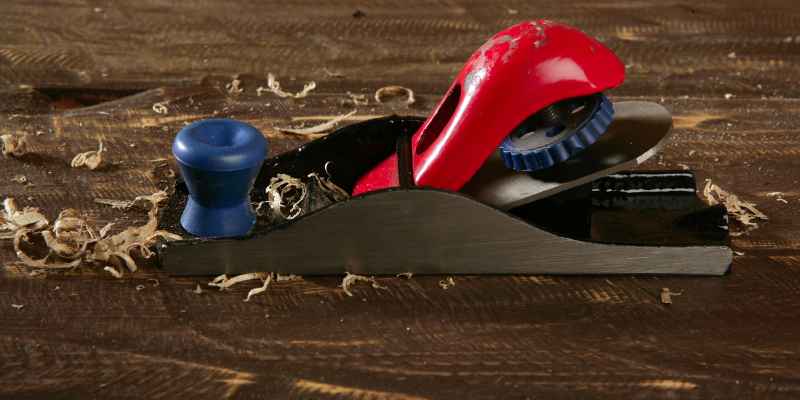
Consider using a block plane for small projects. It is easy to handle and control. A card scraper can help remove imperfections and smooth surfaces.
Frequently Asked Questions
Do I Really Need A Wood Planer?
A wood planer is essential if you work with rough lumber. It helps create smooth, flat surfaces and uniform thickness. This tool enhances the quality of your projects, making it a worthwhile investment. If you often work with wood, a planer can significantly improve your results.
What Are The Benefits Of Using A Wood Planer?
Using a wood planer ensures a professional finish on your wood pieces. It removes imperfections, allowing for precise cuts and fittings. Additionally, a planer can save time by quickly leveling boards. This tool is invaluable for woodworking enthusiasts looking to elevate their craftsmanship.
Can I Use A Hand Planer Instead?
Yes, a hand planer can be a suitable alternative. It’s more affordable and portable than a power planer. However, it requires more effort and time to achieve the same results. For large projects, a power planer is generally more efficient.
How Much Does A Wood Planer Cost?
The cost of a wood planer varies widely. Basic models can start around $100, while high-end versions may exceed $500. Consider your needs and frequency of use when choosing a model. Investing in a quality planer can enhance your woodworking experience significantly.
Conclusion
Deciding on a wood planer depends on your woodworking needs. If you often work with rough lumber or seek precision, a planer is invaluable. It enhances the quality of your projects, saving time and effort. Weigh your options carefully to determine if a wood planer fits your workshop essentials.
Happy woodworking!