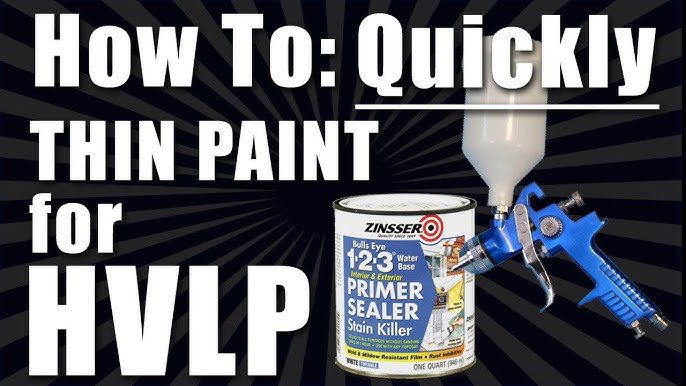
Do I Need to Thin Water Based Paint for Spraying? Expert Tips
Picture this: you’re all set to give your home a fresh, new look with a coat of paint. You’ve got your spray gun ready, and you’ve chosen a water-based paint for its ease of use and eco-friendly properties.
But then you wonder—do you need to thin that paint before spraying it? This seemingly small question can make a big difference in the final look of your project. Imagine the frustration of uneven coats or a clogged spray gun.
It’s crucial to get it right, and understanding the nuances can save you time and effort. Dive into this article to discover whether thinning your water-based paint is necessary. We’ll guide you through the process, ensuring you achieve that smooth, flawless finish you’re aiming for. Don’t let this small step be your project’s downfall. Your perfect paint job is just a read away!
Why Thin Water Based Paint?
Thin paintmakes spraying easier. It flows smoothly and fast. Thick paint can clog the nozzle. Smooth flow saves time and effort. Paint spreads better with thinning. It helps in even distribution.
Thinned paint
Clogs are a painwhen spraying paint. Thick paint clogs easily. Thinning helps avoid this problem. Sprayers work better with thin paint. Nozzle stays clear. Enjoy smooth spraying without interruptions.

Credit: www.youtube.com
How To Thin Water Based Paint
Wondering about thinning water-based paint for spraying? Thinning ensures smooth application and prevents clogging. Mix water with paint gradually, checking consistency.
Selecting The Right Thinner
Choosing the correct thinner is crucial. Water is often the best choice. It keeps paint smooth and easy to spray. Sometimes, a special thinner is needed. Check the paint label to know what to use. Do not use oil-based thinners. They can ruin water-based paint.
Proper Mixing Techniques
Mixing paint with thinner needs care. Start with a small amount of thinner. Stir slowly to blend well. Use a stick or spoon. More thinner may be needed. Add it bit by bit. Stir again after each addition. Check the paint texture. It should be smooth and runny.
Testing Consistency
Consistency is key for spraying. Test the paint by spraying a small spot. Check if the paint flows easily. Adjust with more thinner if needed. Paint should not be too thick or too thin. Repeat the test until right consistency is found.
Tools For Thinning Paint
Mixing containers are important for thinning paint. They help keep paint clean. Choose a large container. This gives room to mix well. Plastic or metal containers work best. They are strong. Avoid using glass containers. Glass can break easily.
Stirring equipment is needed for mixing paint. A paint stick is good. It mixes paint evenly. Electric stirrers can be used. They mix faster. Make sure the stirrer is clean. Dirty stirrers can ruin the paint.
Viscosity cups measure how thick paint is. They help know if paint needs thinning. Fill the cup with paint. Time how fast paint flows out. Fast flow means thin paint. Slow flow means thick paint.
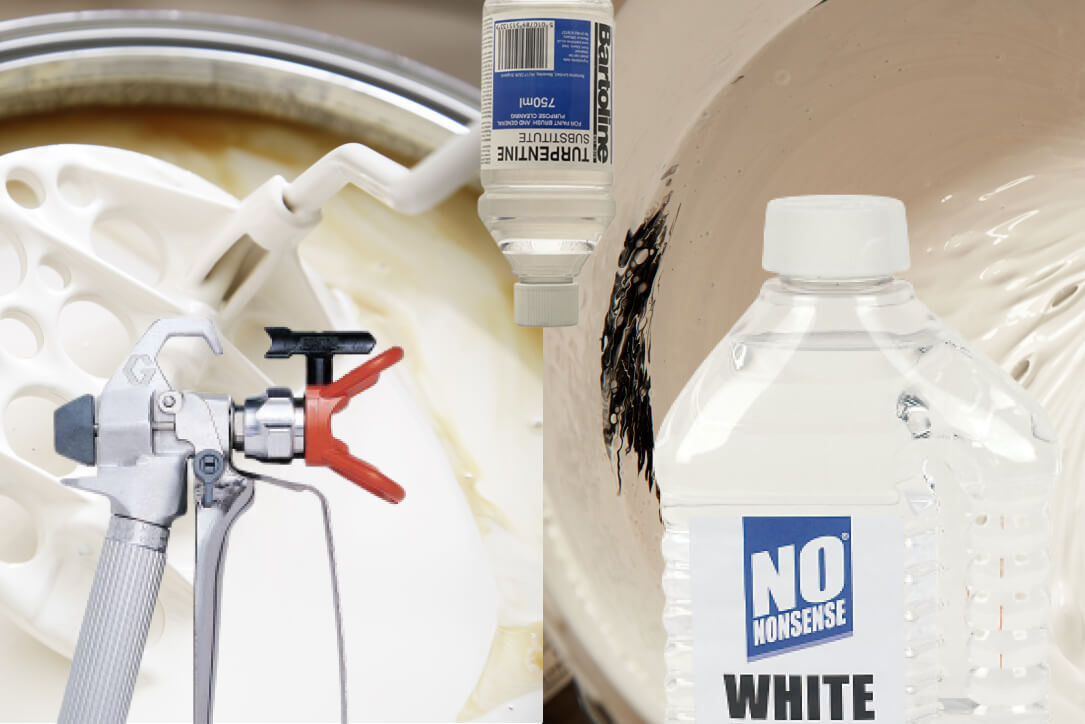
Credit: chameleon-decorators.co.uk
Common Mistakes To Avoid
Using too much water can harm your paint. It becomes runny and hard to control. The paint may not stick well. It can drip or sag on surfaces. Always be careful about adding water. Only a little bit is needed for most projects.
Paint must be mixed well. Colors and ingredients need to blend. If not mixed, the paint might look uneven. You might see streaks or patches. Use a stick or mixer to stir it. Take your time to do this properly.
Every paint has instructions. These are important to follow. They tell you how to mix and use the paint. Not reading them can lead to problems. Your finish might not look good. Always read and follow these guidelines.
Expert Tips For Optimal Results
Temperature and humidity affect paint spray. Warmer temperatures make paint dry faster. Colder ones slow it down. High humidity can make paint sticky. Lower humidity might dry paint too fast. Adjust paint thickness based on weather. Thicker for cold, thinner for hot. Test spray on a small spot. Check how it looks and dries. Adjust if needed.
Proper equipment settings ensure smooth spraying. Adjust nozzle size for paint flow. Smaller nozzles for thin paint, larger for thick. Control pressure for even spray. High pressure may cause splatter. Low pressure can make uneven coats. Test settings on a sample surface. Make changes for best results.
Clean spray tools after each use. Remove paint residue to avoid clogs. Disassemble parts for thorough cleaning. Use water for water-based paint. Check for wear and tear on parts. Replace old or broken parts. Store equipment in a dry place. Regular care keeps tools working well. It extends their lifespan.
:max_bytes(150000):strip_icc()/how-to-thin-latex-paint-4586974-10-3b2809236c4f4a8aa226c9ae711c6e27.jpg)
Credit: www.thespruce.com
Frequently Asked Questions
How Do You Thin Out Water-based Paint For A Sprayer?
Mix water-based paint with water to thin it for a sprayer. Use a 10-15% water ratio. Stir thoroughly until smooth. Check consistency with a viscosity cup. Adjust water if needed. Test spray pattern on scrap material. Ensure even coverage before starting your main project.
Can You Use Water-based Paint In A Spray Gun?
Yes, you can use water-based paint in a spray gun. Ensure the paint is properly thinned and mixed. Use the correct nozzle size for even application. Clean the spray gun thoroughly after use to prevent clogs. Always follow the manufacturer’s instructions for optimal results.
What Happens If You Don’t Thin Paint For A Sprayer?
Unthinned paint can clog the sprayer, leading to uneven application. It may cause drips and a rough finish. Thinning ensures smooth flow and consistent coverage, enhancing the overall quality of the paint job.
Does Water-based Paint Need To Be Thinned?
Water-based paint often requires thinning for smooth application. Use water to adjust the consistency as needed. Follow manufacturer guidelines for the best results. Thinning ensures even coverage and prevents brush marks. Always test on a small area before full application.
Conclusion
Thinning water-based paint for spraying is often necessary. It helps achieve a smooth, even finish. Without thinning, the paint may clog the sprayer. Or, it might produce an uneven coat. Always check the manufacturer’s instructions. They guide you on the correct ratio.
Remember, each paint type can vary. Test the mixture before applying it. This ensures optimal results. Use a clean container for mixing. Stir thoroughly to blend well. Proper preparation saves time and effort. It leads to a professional-looking paint job.
So, take your time and do it right. Your project will thank you.