How to Remove Paint from Furniture (Safely, Including Lead Paint)
Removing paint from furniture comes down to three real options — chemical stripper, heat, or sanding — and the right one depends on the paint’s age, whether it might contain lead, and how much of the original wood you want to preserve. Test for lead first if the piece could be older than 1978; that single check changes which methods are even safe to use.
Test for Lead Paint Before You Start
Best Low-Odor Stripper For Indoor Furniture Work
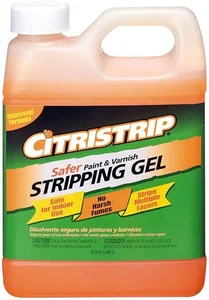 |
Citristrip Paint & Varnish Stripping Gel, 1 Quart – $26.87 A citrus-based gel formula without the harsh fumes of methylene-chloride strippers, and it’s the safer choice over heat if there’s any chance the paint contains lead.
|
If a piece of furniture could predate 1978 (when the U.S. banned lead in residential paint), test before doing anything else. A lead test swab or kit gives a result in minutes. If it comes back positive, the method you choose next actually matters for your health, not just the wood: sanding creates lead dust that’s easy to inhale, and a heat gun above roughly 700°F can vaporize lead into airborne fumes — both specifically warned against by the EPA’s Renovation, Repair and Painting guidance. A chemical stripper used with gloves, ventilation, and careful wet cleanup is the safer route on suspected lead paint.
Preparing the Workspace
Work in a well-ventilated space — outdoors or a garage with the door open is ideal, since all three removal methods produce dust or fumes you don’t want concentrated indoors. Lay down a drop cloth, clear breakable items out of the work area, and set the piece on a sturdy table or sawhorses at a comfortable working height. Gather nitrile gloves, safety goggles, a dust mask (or a respirator rated for organic vapors if you’re using a chemical stripper), a plastic or metal scraper, and a bucket of soapy water for cleanup.
Method 1: Chemical Strippers
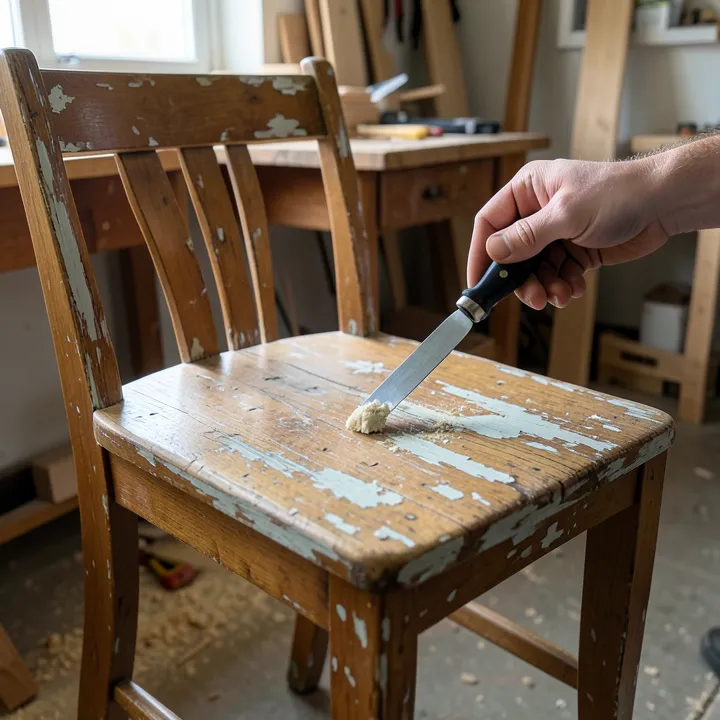
Brush the stripper on in a thick, even coat and let it sit undisturbed — most gel strippers need 20-30 minutes minimum, and citrus-based gels like the one above can be left for hours to soften multiple paint layers at once. You’ll see the paint bubble and wrinkle when it’s ready. Scrape with a plastic or dull metal scraper, working with the grain, then go over the surface with fine steel wool dipped in a bit more stripper to lift paint from carvings, corners, and grain lines a flat scraper can’t reach. Wipe the surface with the solvent recommended on the product label (often mineral spirits or water, depending on the formula) before it dries.
Method 2: Heat Gun
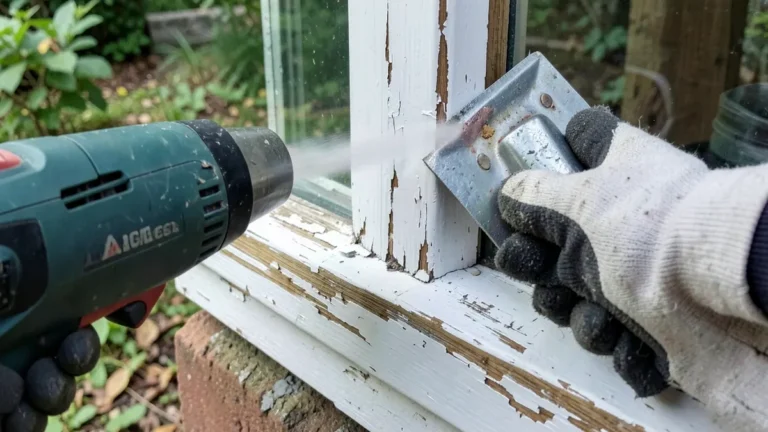
A heat gun softens paint fast without chemicals, but skip this method entirely if the piece tested positive for lead. On paint confirmed lead-free, hold the gun 2-3 inches from the surface on a low-to-medium setting, keep it moving constantly, and scrape as soon as the paint starts to bubble — lingering in one spot scorches the wood underneath. Work in small sections rather than trying to heat a whole panel at once, and keep a metal container nearby for the hot paint scrapings, which stay warm enough to be a fire risk for longer than most people expect.
Method 3: Sanding
Sanding works but removes wood along with the paint, so it’s the least gentle option for furniture with fine details or an antique finish worth preserving — it’s a better fit for flat panels than carved or turned pieces. Start with 80-grit to cut through the paint layers, move to 120-grit to level the surface, then finish at 220-grit to prepare for a new finish. Sand with the grain throughout, and never sand paint you suspect contains lead — this is the one method the EPA specifically flags as generating the most airborne lead dust.
Cleaning Up and Disposal
Wash the stripped surface with mild soap and water (or the solvent the stripper’s label specifies) to remove any residue that could interfere with a new finish, then let it dry fully before sanding or refinishing. Collect paint chips, used scrapers, and stripper waste in a sealed container rather than the household trash — most municipalities classify old paint waste, and definitely lead paint waste, as hazardous material with specific drop-off requirements. Check your local sanitation department’s guidelines before disposal.
Finishing Touches
Once the surface is clean and dry, a light final sanding with fine-grit paper (220-grit or higher) removes any remaining roughness and opens the wood grain to accept a new finish evenly. Apply a primer if you’re repainting, or go straight to stain and a topcoat if you’re returning the piece to a natural wood finish — either way, thin coats with full drying time between them give a noticeably better result than one heavy coat rushed to save time.
Frequently Asked Questions
What’s the easiest way to remove paint from furniture?
A chemical stripping gel is generally the easiest for most people — brush it on, wait for the paint to bubble, then scrape it off. It requires less physical effort than sanding and less risk of scorching the wood than a heat gun.
What is the best paint remover for furniture?
A citrus-based gel stripper like Citristrip is a good all-around choice for furniture — it stays workable long enough to lift multiple paint layers and has far less odor than methylene-chloride strippers, making it more practical for indoor use.
Can vinegar remove paint from furniture?
Heated vinegar can soften some latex paint, especially newer or thin coats, but it’s slower and less reliable on multiple layers or oil-based paint than a dedicated stripper. It’s a reasonable first try for light paint, not a substitute for a real stripper on heavier jobs.
Is it safe to sand or heat-gun paint that might contain lead?
No. If a piece could predate the 1978 U.S. lead paint ban, test it first. Sanding lead paint creates airborne lead dust, and a heat gun hot enough to soften paint can vaporize lead into fumes — the EPA specifically warns against both methods on confirmed or suspected lead paint. A chemical stripper used with gloves and ventilation is the safer option.
Bottom Line
Test for lead first on anything that could be older than 1978 — that result decides whether heat and sanding are even on the table. For most modern furniture, a citrus-based chemical stripper is the easiest and gentlest option on detailed or antique pieces, while sanding works fine on flat, lead-free panels headed for a fresh finish.
Sponsored / affiliate links. As an Amazon Associate I earn from qualifying purchases. I may earn additional commission from eligible campaigns.