Do Tomatoes Like Wood Ash? Discover the Benefits
Have you ever wondered if the secret to thriving tomato plants might be sitting right in your fireplace? Wood ash, often seen as mere waste, could be the missing ingredient in your gardening routine.
Imagine your tomatoes growing lush, vibrant, and more fruitful than ever. This isn’t just a dream; it could be your reality. By understanding what tomatoes truly crave, you’re one step closer to transforming your garden into a tomato paradise. So, why not explore the potential of wood ash and unlock the secrets to a bountiful harvest?
Read on to discover how this simple addition could revolutionize your gardening game.
Wood Ash Properties
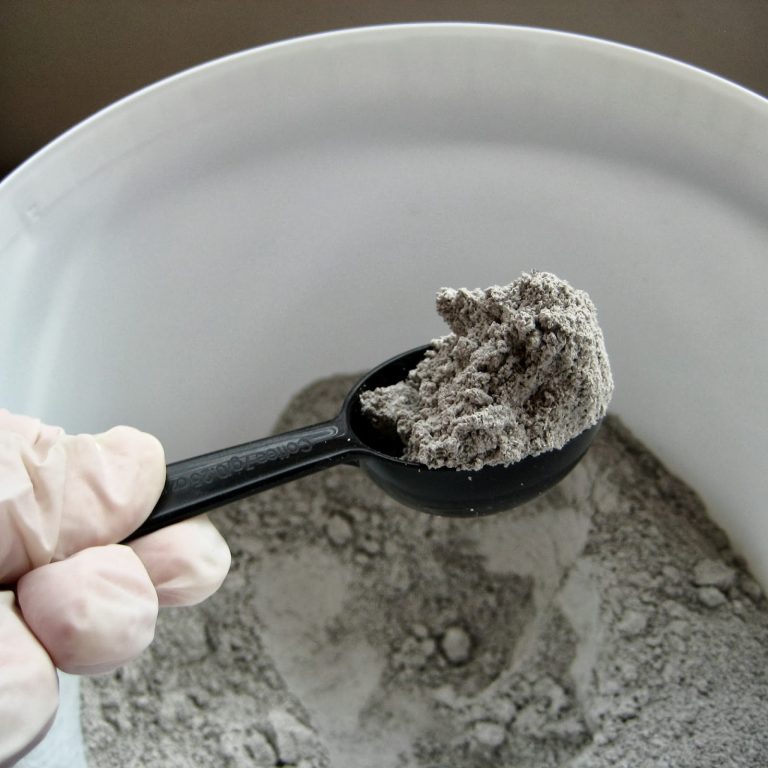
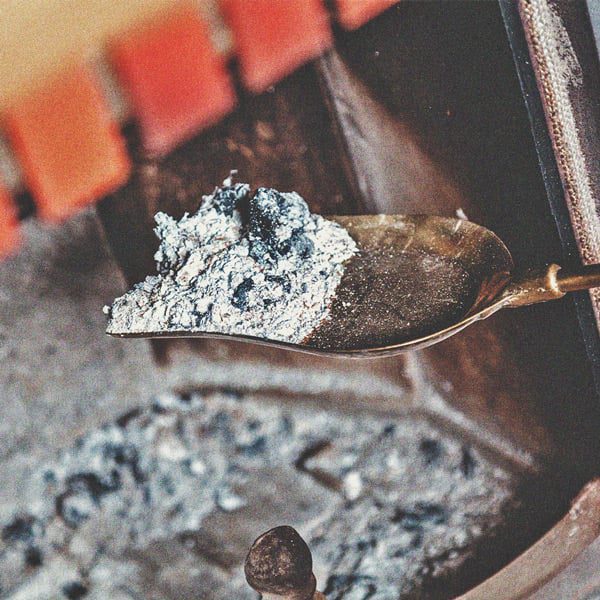
Wood ash is rich in potassium, which helps plants grow well. It also has calcium, making plants strong and healthy. Magnesium is another important nutrient found in wood ash. These nutrients help plants produce food better. Wood ash also contains some phosphorus. This nutrient is important for root development. But wood ash lacks nitrogen, a key nutrient for leaves. So, it might not be enough on its own.
Wood ash is very alkaline. This means it can change the soil’s pH. If the soil is too acidic, wood ash helps. It raises the pH level. This helps plants like tomatoes grow better. But too much ash can make the soil too alkaline. This is not good for plants. Always check the soil’s pH before adding wood ash.
Credit: fourstringfarm.com
Impact On Tomato Growth
Wood ash can help tomato plants grow better. It gives them more nutrients. These nutrients are like food for the plants. Tomatoes need nutrients to grow strong. Wood ash has nutrients like calcium and potassium. These nutrients make tomatoes happy. They grow big and tasty.
Wood ash also improves the soil. It makes it more fluffy and nice. Fluffy soil is good for tomato roots. Roots can move easily in fluffy soil. This helps tomatoes drink water better. Strong roots make strong tomato plants.
Adding wood ash to soil can help tomato plants a lot. It gives them nutrients. It makes the soil better. Happy soil makes happy tomatoes.
Application Methods
Tomatoes thrive with the right nutrients. Wood ash can boost growth by adding potassium and calcium. Apply sparingly around plants, mixing it into the soil. Too much ash can raise soil pH too high, harming tomato plants.
Direct Soil Application
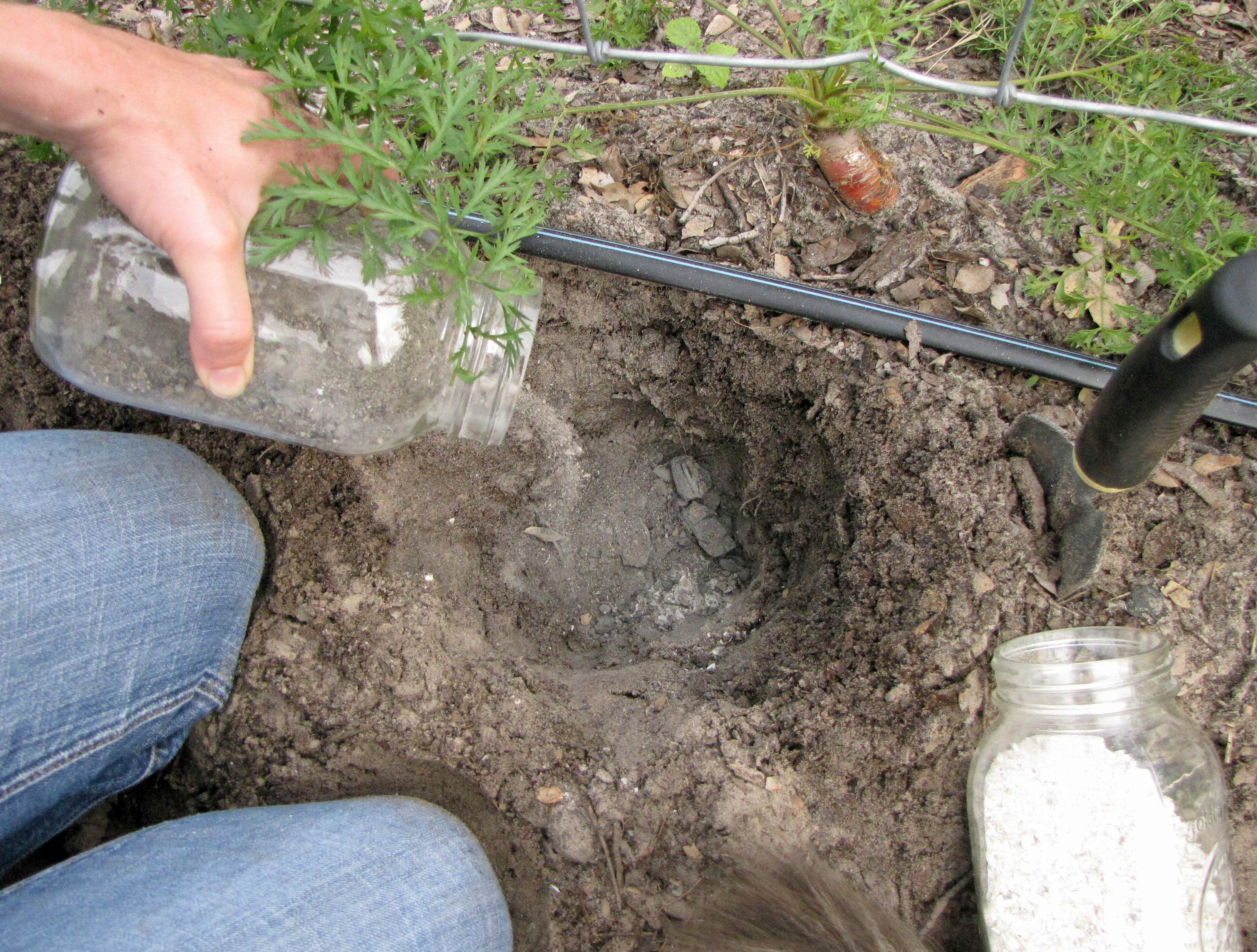
Wood ash can be sprinkled on the soil. Tomatoes need nutrients to grow. Ash contains potassium and calcium. These help plants stay healthy. Spread the ash evenly. Do not use too much ash. It can make the soil too basic. Mix it in the top layer of soil. Water the plants well after adding ash. This helps nutrients reach the roots.
Compost Integration
Wood ash can be added to compost. Compost helps plants grow strong. Ash provides extra nutrients. Mix ash with kitchen scraps and leaves. Turn the compost pile often. This makes compost break down faster. Tomatoes love rich compost. The compost should be dark and crumbly. Use finished compost in planting beds. Healthy tomatoes grow with rich soil.

Credit: fourstringfarm.com
Potential Risks
Wood ash can enhance soil nutrients but may alter pH levels. Tomatoes thrive in slightly acidic soil, so too much ash might harm growth. Use sparingly to avoid nutrient imbalance and potential plant stress.
Overuse Concerns
Using too much wood ash can harm tomato plants. It makes the soil too alkaline. This can stop tomatoes from growing well. The plants might not get enough water. Leaves can turn yellow or brown. This is not good for the plant’s health. It can even kill the plant if not fixed. Use wood ash in small amounts. Always check the soil before adding more.
Environmental Implications
Wood ash can affect the environment. It can change the soil’s balance. This is bad for other plants too. Animals might also face problems. Too much ash can wash into rivers. This harms fish and water plants. It is important to use wood ash wisely. Always think about the environment before using it.
Comparing Alternatives
Wondering if tomatoes benefit from wood ash? Wood ash can enrich soil with nutrients like potassium, enhancing tomato growth. Yet, too much ash might harm the plants. Comparing alternatives like compost or fertilizers can help find the best solution for healthy tomatoes.
Other Organic Amendments
Tomatoes need nutrients to grow well. Some gardeners use compost. It enriches the soil. Others prefer manure. It adds lots of nutrients. Bone meal is another choice. It provides calcium and phosphorus. These help plants bloom. Fish emulsion is also popular. It boosts growth with nitrogen. Each choice has pros and cons. All improve soil health. Choose based on what your garden needs.
Synthetic Fertilizers
Some growers use synthetic fertilizers. These provide fast nutrients. They contain nitrogen, phosphorus, and potassium. These are key for plant growth. Liquid fertilizers work quickly. They feed plants directly. Granular types are slow-release. They last longer in soil. Synthetic options can be strong. They might harm young plants. Use them carefully. Always read instructions before use.
Practical Tips
Use wood ash sparingly for tomato plants. Too much can harm them. Mix ash with compost. This helps balance nutrients. Always ensure ash is cool and dry before use. Sprinkle a thin layer on soil. About one cup per plant is enough. Use in early spring for best results. Avoid using ash on acidic soil. It raises soil pH levels.
Check soil pH regularly. Tomatoes like slightly acidic soil. Wood ash makes soil less acidic. Too much can cause problems. Look for signs of poor growth. Yellow leaves mean trouble. If plants struggle, test soil again. Adjust ash use as needed. Healthy soil leads to happy tomatoes. Always observe changes in plant health. Keep track for better results.
Frequently Asked Questions
How Much Wood Ash Should I Put On My Tomatoes?
Use about 1/4 cup of wood ash per tomato plant. Spread it evenly around the base. Mix into the soil gently. Avoid direct contact with stems. Wood ash boosts potassium levels, enhancing growth. Always check soil pH first, as ash increases alkalinity.
Too much can harm plants.
Which Vegetables Do Not Like Wood Ash?
Vegetables like potatoes, carrots, and radishes dislike wood ash due to its high pH levels. Wood ash can inhibit growth and nutrient uptake. Use caution when applying ash to acidic-loving plants and prefer it for alkaline-tolerant varieties. Always test soil pH before adding wood ash to gardens.
Does Wood Ash Really Keep Tomatoes Fresh?
Wood ash can extend the freshness of tomatoes by absorbing moisture and reducing rot. It creates a protective layer. Ensure tomatoes are dry before applying ash. Keep them in a cool, dry place. Regularly check for any signs of spoilage.
Use only clean, chemical-free wood ash for best results.
What Is The Best Soil Additive For Tomatoes?
Compost is the best soil additive for tomatoes. It enriches the soil with nutrients and improves drainage. Adding aged manure can also boost growth. Ensure the soil is well-aerated for optimal tomato health. Use organic fertilizers for better yields and healthier plants.
Conclusion
Tomatoes can benefit from wood ash. It provides essential nutrients. Calcium and potassium are key for healthy growth. But moderation is crucial. Too much ash can harm plants. Test soil before adding ash. This ensures balance and prevents problems. Wood ash can improve soil pH.
This helps tomatoes thrive. Always mix ash well with soil. It prevents root burns. Consider other nutrients too. A balanced approach ensures lush tomato plants. Experiment with small amounts. Observe your plants’ response. Adjust as needed. Enjoy vibrant, healthy tomatoes in your garden.