Does Butcher Block Need to Be Finished
Many people wonder, Does Butcher Block Need to Be Finished? This question can seem a bit tricky when you’re just starting out with butcher block counters or cutting boards. You want your beautiful wood to look great and last a long time, but you’re not sure if you need to seal it or not. It’s totally normal to feel a bit unsure!
We’ll break down exactly why this is a common question and give you a simple guide to make sure your butcher block is protected and looks its best. Get ready to learn how easy it can be to care for your wood!
Why Finishing Butcher Block Is Important
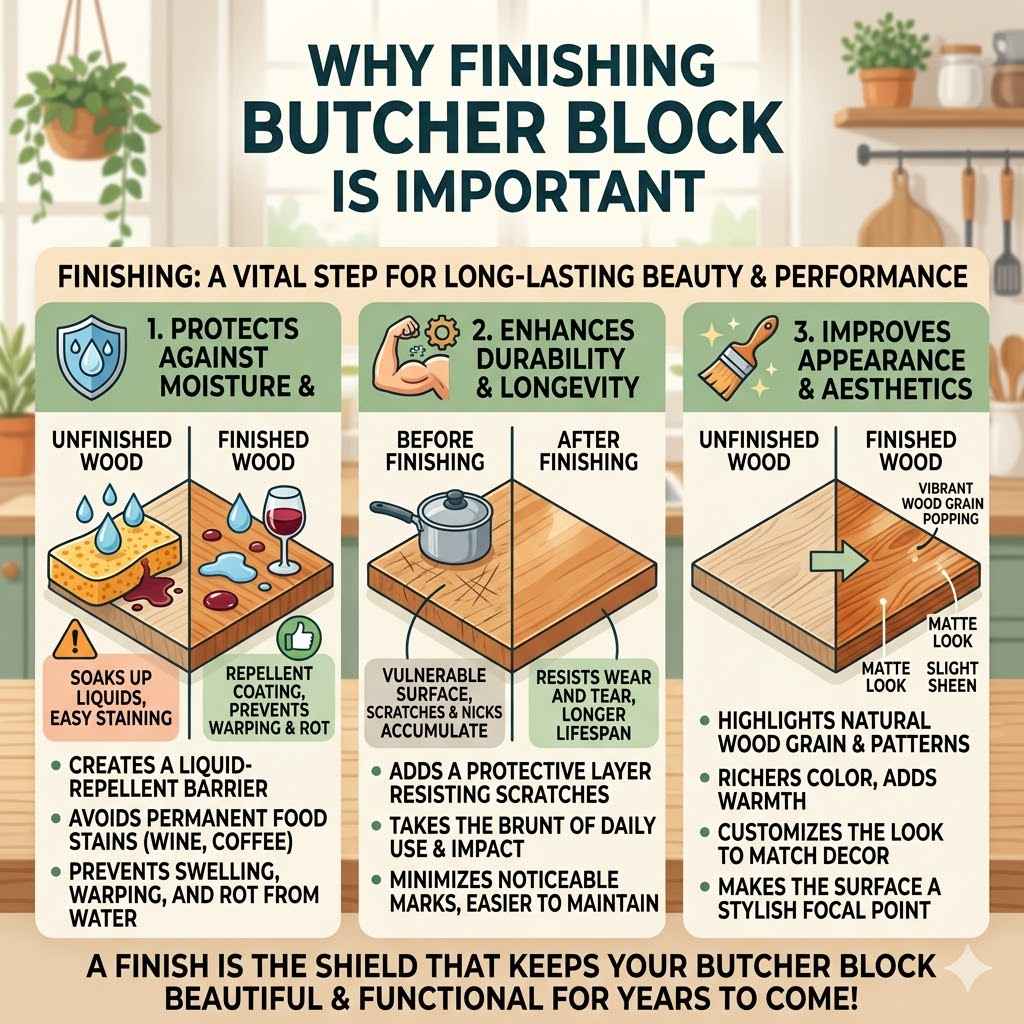
Finishing butcher block is a key step to keep it looking good and working well for years. Without any protection, wood is like an open sponge. It can soak up liquids, stain easily, and even get damaged by everyday use.
The right finish acts like a shield, keeping your butcher block safe and beautiful. It helps prevent those annoying water rings from glasses and makes cleaning up spills a breeze. Plus, a good finish can really make the natural beauty of the wood shine through, giving your kitchen or workspace a warm, inviting look.
Protecting Against Moisture and Stains
Water is one of the biggest enemies of unfinished wood. When wood gets wet, it can swell, warp, and even start to rot over time. Stains from food like wine, berries, or coffee can also sink deep into the pores of the wood, leaving permanent marks.
A finish creates a barrier that repels liquids. This means spills can be wiped up quickly before they have a chance to do any harm. Think of it like putting a waterproof coating on a tent; it keeps the rain out and everything inside dry and clean.
For example, imagine you’re chopping up some tomatoes for a salad. If your butcher block isn’t finished, the tomato juice can soak in and leave a pink stain. With a finished surface, you can simply wipe it away with a damp cloth, and your butcher block will look as good as new.
This ability to resist stains is a huge reason why people choose to finish their butcher block, especially for kitchen countertops where food preparation is constant.
Enhancing Durability and Longevity
Butcher block is made of solid wood, which is a strong material, but it’s not indestructible. Everyday use, like chopping, slicing, and placing hot pans on it, can cause wear and tear. A finish adds a protective layer that helps to resist scratches and nicks.
This means your butcher block will maintain its smooth surface and overall integrity for much longer. It’s like putting a protective screen on your phone; it doesn’t stop every single scratch, but it takes the brunt of the daily bumps and scrapes, keeping the phone’s screen underneath pristine.
Consider a busy family kitchen. The butcher block countertops are used daily for everything from homework to meal prep. Without a finish, scratches from knives and wear from pots and pans can quickly accumulate, making the surface look dull and worn.
A well-finished butcher block, however, can withstand this level of activity much better. While it may still get minor marks over time, these are often much less noticeable and can sometimes even be buffed out or repaired with a fresh coat of finish. This increased resistance to damage directly translates to a longer lifespan for your butcher block.
Improving Appearance and Aesthetics
The natural grain and warmth of wood are beautiful, but a finish can really bring out its best features. Different finishes can enhance the color of the wood, making it appear richer and more vibrant. Some finishes add a slight sheen, while others offer a more matte look.
Choosing the right finish allows you to customize the appearance of your butcher block to perfectly match your kitchen or home decor. It’s not just about protection; it’s also about making your butcher block a stylish focal point.
When you look at a piece of unfinished wood, it might look a bit dull or pale. Applying a finish, especially an oil-based one, can make the wood grain pop. You’ll see deeper colors and a more lively texture.
This is because the finish penetrates the wood slightly, bringing out the natural oils and patterns within it. This is a significant aesthetic upgrade that can transform a functional surface into a work of art. Many people choose butcher block specifically for its natural charm, and a finish helps to amplify that appeal.
Types of Finishes for Butcher Block
There are several popular ways to finish butcher block, each offering different levels of protection, looks, and maintenance. The choice often depends on how the butcher block will be used. For example, a cutting board that sees a lot of wet use might need a different finish than a decorative tabletop.
Understanding these options helps you pick the best shield for your wood. We will look at common choices like mineral oil, beeswax, and various sealants.
Food-Safe Mineral Oil
Mineral oil is a very popular choice for butcher block, especially for cutting boards and kitchen countertops that come into contact with food. It’s a natural, food-grade oil that penetrates the wood deeply. This helps to condition the wood, preventing it from drying out and cracking.
It also provides a basic level of water resistance. Mineral oil is super easy to apply and reapply, making it a great option for beginners. It gives the wood a natural, matte look and brings out the grain.
The beauty of mineral oil is its simplicity and safety. It doesn’t dry to a hard surface, so it needs to be reapplied periodically, usually once a month or whenever the wood starts to look dry. This reapplication is straightforward and doesn’t require any special tools or skills.
You just wipe it on, let it soak in, and wipe off the excess. This regular oiling also helps to prevent food particles and moisture from penetrating too deeply into the wood fibers over time, contributing to its overall health and appearance.
How It Works: Mineral oil is a clear, odorless, and tasteless oil. When applied to wood, it soaks into the pores, filling them and creating a barrier. This barrier helps to prevent moisture from entering or escaping the wood too quickly.
It also lubricates the wood fibers, which keeps them from becoming brittle and prone to cracking or warping. It doesn’t form a hard film on the surface like varnish or polyurethane would.
Pros:
- Extremely food-safe and non-toxic.
- Easy to apply and reapply.
- Enhances natural wood color and grain.
- Prevents wood from drying out and cracking.
Explanation: The ease of application means anyone can maintain their butcher block without feeling intimidated. Its food-safe nature is crucial for kitchen surfaces. By keeping the wood hydrated, it reduces the risk of damage from temperature and humidity changes.
The natural look it provides is highly desirable.
Beeswax and Oil Blends
Many people combine mineral oil with beeswax to create a fantastic protective finish. The beeswax adds an extra layer of protection, making the surface more resistant to water and stains. It also gives the wood a slightly smoother, silkier feel.
These blends are still food-safe and are relatively easy to apply. They provide a beautiful, low-sheen finish that many people love for their kitchen surfaces. It’s like giving your butcher block a natural, protective lotion.
A good beeswax blend can offer more immediate water beading than plain mineral oil. You’ll see water droplets sit on the surface, ready to be wiped away. This blend is especially useful for cutting boards that get washed frequently.
The wax component seals the wood more effectively than oil alone, providing a stronger defense against liquid penetration. It’s a step up in protection while still maintaining that natural wood feel and look.
How It Works: When mineral oil is mixed with beeswax, the oil penetrates the wood as usual. The beeswax then solidifies into a thin, protective layer on the surface. This layer acts as a physical barrier against liquids and minor abrasions.
It’s more durable than oil alone but still allows the wood to breathe. The combination leverages the deep conditioning of the oil with the surface protection of the wax.
Pros:
- Adds a higher level of water and stain resistance than oil alone.
- Provides a smoother, more luxurious feel to the surface.
- Still food-safe and easy to apply.
- Offers a natural, protective sheen.
Explanation: The added wax layer significantly improves defense against spills, which is a major concern for butcher block. The tactile feel is also a nice bonus, making the surface more pleasant to touch. It strikes a good balance between protection and natural appearance.
Polyurethane and Other Film Finishes
For very heavy-duty applications or when you want maximum protection and minimal maintenance, film finishes like polyurethane can be used. These create a hard, protective layer on top of the wood. They offer excellent resistance to water, stains, and scratches.
However, they are not typically recommended for butcher block cutting boards or surfaces that come into direct, prolonged contact with food because they are not food-safe once cured and can chip or wear away over time, exposing the wood underneath.
Polyurethane is a type of plastic resin that dries into a hard, durable coating. It’s often used on furniture, floors, and other surfaces that need to withstand a lot of wear and tear. When applied to butcher block, it seals the wood completely, making it very easy to clean and highly resistant to damage.
It’s a great option for areas where hygiene and ease of cleaning are top priorities, and direct food contact is less of a concern, like bar tops or non-food prep areas.
How It Works: Film finishes like polyurethane work by creating a solid, impermeable layer over the entire surface of the wood. This layer seals the wood completely, preventing any liquids or stains from reaching the wood itself. The finish hardens, forming a tough barrier that resists abrasion and scratches.
It essentially encases the wood in a protective plastic shell.
Pros:
- Provides the highest level of protection against water, stains, and scratches.
- Very durable and long-lasting.
- Makes surfaces extremely easy to clean.
- Requires infrequent reapplication.
Explanation: This is the choice for maximum durability and minimal upkeep. If you want a ‘set it and forget it’ solution for high-traffic areas, a film finish is appealing. Its resistance to damage means the butcher block stays looking newer for longer under tough conditions.
Cons:
- Not typically food-safe for cutting surfaces.
- Can chip or peel if not applied correctly or if the wood expands/contracts significantly.
- Repairs can be more difficult, often requiring sanding and reapplication of the entire finish.
- Can alter the natural feel and look of the wood, sometimes appearing less organic.
Explanation: The biggest drawback is the safety issue for food preparation. If it chips, tiny plastic pieces could end up in food. Repairing it is also a much bigger job than simply reapplying oil or wax.
Specialty Butcher Block Oils and Waxes
There are also many commercially available products specifically designed for butcher block. These often combine food-safe oils, waxes, and sometimes even natural antimicrobial agents. They are formulated to provide a good balance of protection, durability, and ease of use.
These products are convenient because they are pre-mixed and tested for butcher block applications. They usually offer excellent results and are a great way to ensure you’re using a high-quality product made for the job.
These dedicated butcher block oils and waxes are formulated by companies that specialize in wood care. They often use a blend of different oils like tung oil or linseed oil (though always check for food safety if using these) mixed with beeswax or carnauba wax. Some might also include essential oils with natural preservative qualities.
Using these ensures you are getting a product that understands the unique needs of butcher block wood.
How It Works: These specialized products are essentially optimized versions of the oil and wax blends. They leverage specific types of oils and waxes that have been found to be most effective for wood conditioning and protection. The formulations aim to achieve deep penetration, surface sealing, and a pleasant finish, all while maintaining food safety standards for kitchen applications.
They are designed for user-friendliness, often coming in easy-to-apply liquid or paste forms.
Pros:
- Specifically formulated for butcher block.
- Often a good balance of protection, durability, and aesthetics.
- Generally food-safe and easy to apply.
- Convenient pre-mixed options available.
Explanation: Using a product made for butcher block takes the guesswork out of it. You know it’s designed to protect and enhance this type of wood, offering a reliable solution for a beautiful and functional surface.
How to Finish Butcher Block: A Step-by-Step Guide
Finishing your butcher block doesn’t have to be complicated. Whether you’re making a new cutting board or treating existing countertops, the process is straightforward. We’ll walk you through each step, from preparing the wood to applying your chosen finish.
Following these simple instructions will ensure your butcher block is well-protected and looks fantastic. You’ll feel confident in taking care of your wood surfaces after mastering these techniques.
Preparation is Key
Before you apply any finish, the butcher block needs to be clean and dry. If it’s a new piece, it might have dust or manufacturing residues. If it’s an older piece, you’ll want to make sure it’s free of any old finish, grease, or grime.
For new butcher block, a light sanding with fine-grit sandpaper (around 150-220 grit) can help create a smooth surface for the finish to adhere to. Make sure to wipe away all the dust with a clean, dry cloth or a tack cloth after sanding.
For existing butcher block that needs refinishing, you might need to lightly sand it down to remove any stains or damage. Always sand in the direction of the wood grain. After sanding, a thorough cleaning is essential.
You can use a mild soap and water solution, but be sure to rinse well and let the wood dry completely. Moisture is the enemy of finishing, so patience here is crucial. The goal is a perfectly smooth, clean, and dry surface.
Steps for Preparation:
- Clean the Surface: Thoroughly clean the butcher block with a mild detergent and water. Rinse well to remove all soap residue.
- Dry Completely: Allow the butcher block to air dry for at least 24-48 hours. Ensure it is completely dry before proceeding.
- Light Sanding (Optional but Recommended for New Wood): Use fine-grit sandpaper (150-220 grit) to lightly scuff the surface.This opens up the pores for better finish absorption.
- Remove Dust: Wipe the surface down with a clean, lint-free cloth or a tack cloth to remove all sanding dust.
Explanation: Each of these steps ensures the finish will penetrate evenly and create a durable, beautiful layer. Skipping any of these can lead to a less effective or less attractive result. Proper preparation is the foundation for a successful finish.
Applying Oil Finishes
Applying mineral oil or a similar food-safe oil is one of the easiest ways to finish butcher block. Start by generously applying the oil to the entire surface using a clean, lint-free cloth. Make sure to cover every inch.
Let the oil soak into the wood for at least 15-30 minutes, or even longer if you have the time. You’ll see the wood absorb the oil. After the soaking period, use a clean cloth to wipe away any excess oil that hasn’t been absorbed.
For best results, especially on new wood or if the wood seems very dry, you might want to apply multiple coats. Apply the first coat, let it soak, wipe off excess. Then apply a second coat, let it soak, and wipe off excess.
You can repeat this process as many times as you like. The more oil the wood absorbs, the better protected it will be. This is a simple, ongoing maintenance process that keeps your butcher block healthy.
Steps for Applying Oil:
- Generous Application: Pour a good amount of oil onto a clean cloth and apply it liberally to the entire surface of the butcher block.
- Soak Time: Let the oil penetrate the wood for at least 15-30 minutes. For very dry wood, you can leave it for several hours or even overnight.
- Wipe Off Excess: Use a clean, dry cloth to wipe away any oil that has not been absorbed by the wood.
- Repeat for Deeper Protection: Apply additional coats as needed, repeating steps 1-3 until the wood no longer readily absorbs the oil.
Explanation: This repeated application ensures the wood is fully conditioned and protected. The soaking time is crucial for allowing the oil to reach deep into the wood fibers, providing long-lasting hydration.
Applying Wax Finishes (Often with Oil)
If you’re using a beeswax blend or applying wax after an oil finish, the process is also quite simple. After applying and wiping off excess oil, you can apply the wax. Use a clean cloth to rub the wax in a circular motion all over the butcher block.
Once the surface is coated, let the wax sit for about 10-15 minutes to harden slightly. Then, use a clean, dry cloth to buff the surface to a smooth, low-sheen finish.
The buffing step is important. It helps to bring out the luster of the wax and creates a smooth, protected surface. You’ll want to buff until the surface feels smooth to the touch and has a nice subtle sheen.
This combination of oil and wax provides excellent protection and a beautiful feel. Regular reapplication of oil and wax will keep your butcher block in top condition.
Steps for Applying Wax:
- Apply Wax: After the oil has been absorbed and excess wiped away, apply a small amount of wax to a clean cloth and rub it onto the butcher block in a circular motion.
- Allow to Set: Let the wax sit on the surface for about 10-15 minutes. It will begin to haze slightly as it dries.
- Buff to a Shine: Use a clean, dry, lint-free cloth to buff the surface. Work in firm, circular motions until the desired sheen is achieved and the surface feels smooth.
- Repeat as Needed: For increased protection, you can apply additional coats of wax, repeating steps 1-3.
Explanation: The buffing action not only polishes the surface but also helps to further embed the wax, creating a more durable protective layer.
This step is what gives the butcher block its final, beautiful finish.
Applying Film Finishes (Polyurethane)
Applying polyurethane requires a bit more care, as it forms a hard surface. First, ensure the butcher block is perfectly clean, dry, and smooth. Apply the polyurethane with a high-quality brush or foam applicator.
Use thin, even coats. Always brush or wipe in the direction of the wood grain. Let each coat dry completely according to the manufacturer’s instructions, which usually takes several hours.
After each coat dries, you’ll want to lightly sand it with very fine-grit sandpaper (around 320-400 grit) and wipe away the dust. This step is called “de-nibbing” and it helps to smooth out any tiny bumps or imperfections, ensuring a perfectly smooth final surface. Apply 2-3 coats for good protection.
Remember, this is best for surfaces not directly used for food prep.
Steps for Applying Polyurethane:
- Prepare Surface: Ensure the butcher block is completely clean, dry, and smooth.
- Apply Thin Coat: Using a quality brush or foam applicator, apply a thin, even coat of polyurethane, brushing in the direction of the wood grain.
- Allow to Dry: Let the coat dry completely, typically for 4-8 hours, depending on humidity and temperature.
- Light Sanding: Once dry, lightly sand the surface with fine-grit sandpaper (320-400 grit).
- Remove Dust: Thoroughly wipe away all sanding dust with a tack cloth.
- Repeat: Apply subsequent coats, repeating steps 2-5 until you have achieved the desired number of protective layers (usually 2-3 coats).
Explanation: The de-nibbing process between coats is vital for a smooth, professional-looking finish. It removes imperfections that would otherwise be visible and make the surface rough to the touch.
Does Butcher Block Need to Be Finished For Cutting Boards?
For cutting boards, the answer is a definite yes. Because cutting boards are constantly exposed to moisture from washing, food juices, and potential damage from knives, finishing is essential. The primary goal for a cutting board finish is to make it food-safe, easy to clean, and able to withstand regular use.
While you can technically use unfinished wood, it will quickly become stained, harbor bacteria, and deteriorate.
The best finishes for cutting boards are those that are food-safe and can be easily reapplied. Mineral oil and beeswax blends are excellent choices. They penetrate the wood, keeping it from drying out, and provide a barrier that helps repel liquids and makes cleaning easier.
The ability to reapply the finish means you can keep your cutting board in great condition for a long time. It also helps to prevent knife marks from becoming deep and hard to clean.
Key Considerations for Cutting Boards:
- Food Safety is Paramount: Always use finishes that are certified food-safe.
- Moisture Resistance: The finish must protect against water absorption and staining from food.
- Ease of Reapplication: Cutting boards get a lot of wear and washing, so the finish should be easy to touch up.
- Antimicrobial Properties: Some finishes can offer natural antimicrobial benefits.
Explanation: These points highlight the unique demands placed on cutting boards. Prioritizing food safety and regular maintenance ensures a hygienic and long-lasting kitchen tool. It’s about finding a balance between protection and the board’s primary function.
The Role of Antimicrobials
Some butcher block finishes, especially those based on natural oils and waxes, can offer some antimicrobial properties. While wood itself is naturally somewhat resistant to bacterial growth compared to porous surfaces like plastic, a good finish can enhance this. For instance, certain essential oils sometimes added to wood conditioners have known antimicrobial qualities.
However, it’s important to remember that no finish makes wood completely impervious to bacteria. Proper cleaning and sanitation remain the most critical factors for hygiene, regardless of the finish.
For cutting boards, the idea of a finish having antimicrobial benefits is particularly appealing. It adds an extra layer of confidence that the board is not only protected but also actively helping to keep itself cleaner. However, users should still follow best practices for cleaning and sanitizing after each use.
A good finish supports these practices by making the wood surface more resistant to absorbing bacteria-laden liquids in the first place.
Maintaining Your Finished Cutting Board
Regular maintenance is key to keeping your finished cutting board looking and performing its best. After each use, wash the board with warm, soapy water and rinse it thoroughly. Never put a wooden cutting board in the dishwasher, as the high heat and prolonged exposure to water will damage it.
Dry the board immediately with a clean towel and let it air dry completely before storing it. Periodically, such as once a month, reapply a food-safe oil or wax blend to keep the wood conditioned and protected.
When you notice the wood starting to look dry or feel rough, it’s time for a fresh application of finish. This simple reapplication will restore its luster, improve its water resistance, and extend its lifespan. If the board develops deep scratches or stains, you can often sand it down lightly and reapply the finish to restore it to a like-new condition.
This reparability is one of the great advantages of wooden cutting boards.
Does Butcher Block Need to Be Finished For Countertops?
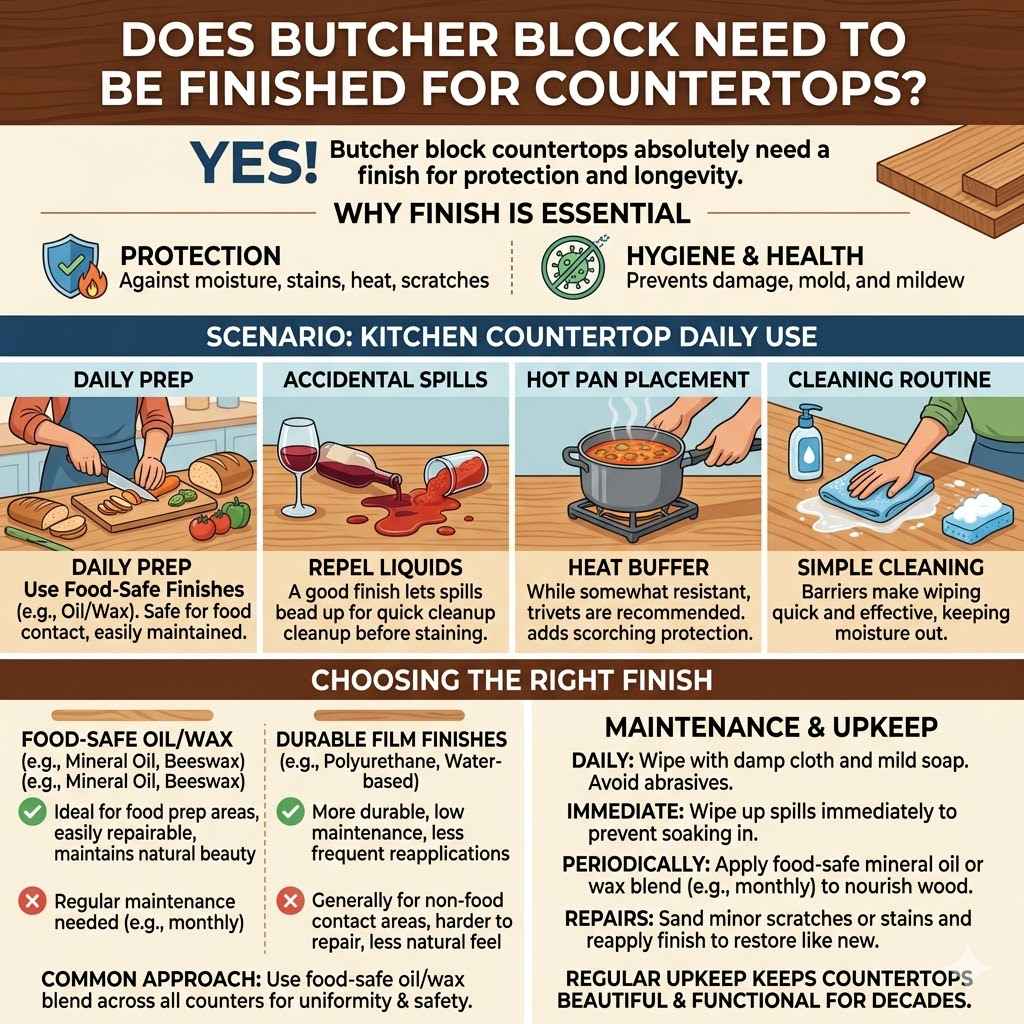
Yes, butcher block countertops absolutely need to be finished. Countertops endure a lot of daily wear and tear, from chopping and spills to hot pans and general kitchen activity. Finishing provides the necessary protection against moisture, stains, heat, and scratches.
Without a finish, countertops will quickly become damaged, stained, and can even develop mold or mildew in moist areas. The type of finish you choose will depend on how you use your kitchen and your aesthetic preferences.
For kitchen countertops, it’s common to use food-safe finishes like mineral oil and beeswax blends for areas that might see direct food preparation. For areas that are more for serving or general use, a more durable film finish like polyurethane might be considered, though many prefer to maintain a consistent food-safe finish across all their butcher block surfaces for uniformity and ease of care. The key is to create a barrier that makes cleaning simple and protects the wood’s integrity.
Scenario Example: Kitchen Countertop Use
- Daily Prep: You chop vegetables, slice bread, and prepare meals directly on the butcher block. A food-safe oil or wax finish is ideal here, as it’s easily maintained and safe for direct food contact.
- Accidental Spills: A glass of red wine spills, or a pot of tomato sauce boils over. A properly finished countertop repels most of the liquid, allowing for easy cleanup before it can stain.
- Hot Pan Placement: You need to place a hot pan down quickly.While butcher block is somewhat heat resistant, trivets are always recommended, but a good finish can offer a little extra buffer against scorching.
- Cleaning Routine: After cooking, you wipe down the countertops with a damp cloth and mild soap. The finish makes this cleaning process quick and effective, preventing food particles and moisture from embedding in the wood.
Explanation: This scenario illustrates the daily challenges butcher block countertops face and how a finish addresses them. From hygiene to durability, each step of kitchen work is better supported by a protected surface.
Choosing the Right Finish for Countertops
When selecting a finish for butcher block countertops, consider the balance between durability and food safety. Many homeowners opt for food-safe mineral oil or beeswax blends because they provide good protection and can be easily reapply. These finishes are also relatively easy to repair if damage occurs.
For a more maintenance-free option, a durable film finish like polyurethane or a water-based sealant can be used, but this is generally recommended only for areas that do not come into direct contact with food.
A key factor is how much maintenance you are willing to do. Oil and wax finishes require regular reapplication, perhaps monthly, to maintain their protective qualities. Film finishes are more durable and require less frequent attention, but they can be harder to repair and may not offer the same natural aesthetic.
For many, the natural beauty and renewability of oil-finished butcher block outweigh the maintenance. A common approach is to use a food-safe oil and wax blend for the entire countertop, ensuring it’s safe for all kitchen activities.
Maintenance and Upkeep of Butcher Block Countertops
Keeping butcher block countertops in excellent condition involves regular cleaning and periodic refinishing. For daily cleaning, simply wipe down surfaces with a damp cloth and mild soap. Avoid abrasive cleaners or excessive amounts of water.
Immediately wipe up any spills. Periodically, usually once a month or whenever the wood starts to look dry, apply a coat of food-safe mineral oil or a wax blend. This keeps the wood nourished and protected.
If your countertops develop minor scratches or stains, you can often sand them down and reapply the finish to make them look new again. This reparability is a significant advantage of butcher block. For deeper damage or wear, a more thorough sanding and refinishing might be necessary, but the process is still manageable for most DIY enthusiasts.
Regular upkeep ensures your butcher block countertops remain beautiful and functional for decades.
Frequently Asked Questions
Question: Can I use my butcher block without any finish at all
Answer: While technically possible, it is highly discouraged. Unfinished butcher block is very susceptible to stains, water damage, and bacterial growth, making it impractical and unhygienic for most uses, especially in kitchens.
Question: How often should I reapply mineral oil to my butcher block
Answer: You should reapply mineral oil typically once a month, or whenever the wood starts to look dry or feel less slick. This frequency can vary based on how much the butcher block is used and exposed to moisture.
Question: Is it safe to cut directly on a finished butcher block countertop
Answer: It depends on the finish. If you used a food-safe finish like mineral oil or a beeswax blend, then yes, it is generally safe. However, finishes like polyurethane are not food-safe and should not be used as a cutting surface.
Question: Can I use vegetable oil instead of mineral oil
Answer: It is not recommended. Vegetable oils and other cooking oils can go rancid over time, developing an unpleasant odor and potentially a sticky residue on your butcher block. Food-grade mineral oil does not go rancid.
Question: What should I do if my butcher block gets a deep scratch
Answer: For deep scratches, you can often sand down the affected area with fine-grit sandpaper, following the wood grain. Once smooth, reapply your chosen finish to the repaired spot and blend it with the surrounding area.
Summary
Yes, butcher block absolutely needs to be finished to protect it from moisture, stains, and daily wear. Food-safe finishes like mineral oil and beeswax blends are excellent for cutting boards and countertops, offering protection and enhancing beauty. Film finishes like polyurethane provide maximum durability but are not suitable for direct food contact.
Proper preparation, application, and regular upkeep will ensure your butcher block remains beautiful and functional for years to come.