Ash vs Cedar Wood: Hardness, Rot Resistance and Best Uses
Ash and cedar are opposites: ash is a hard, strong hardwood that rots quickly outdoors, while cedar is a soft, lightweight wood that shrugs off decay and insects. Choose ash for tool handles, furniture and anything that takes impact, and cedar for closets, chests, fences and siding.
There is no single wood called “ash cedar,” so this page compares the two families people actually mean when they search the phrase. On the ash side that is white ash (Fraxinus americana). On the cedar side it is usually aromatic eastern red cedar or western red cedar. The numbers below come from The Wood Database, and the trade-offs matter more than any one figure.
Ash vs Cedar: The Short Answer
Best Closet Cedar Pick
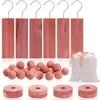 |
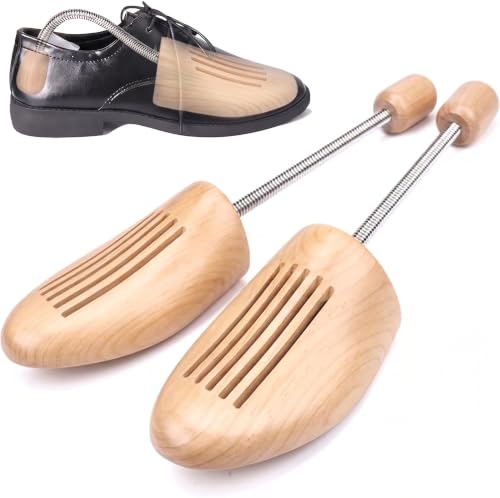
Homode Cedar Blocks for Clothes Storage, 40 Pack, $17.99 If cedar’s scent and moth-deterrent reputation is the reason you are comparing it with ash, this pack gives you that benefit without building anything.
|
White ash rates 1,320 lbf on the Janka scale. Western red cedar rates 350 lbf, so ash is roughly 3.8 times harder to dent. Eastern red cedar sits in between at 900 lbf. That gap explains almost everything else: ash takes hammer blows and daily wear, while cedar dents under a fingernail but lasts for years in wet soil where ash would rot.
If you are still deciding between ash and another hardwood, our comparisons of ash and oak and ash and maple cover that side in more depth.
Ash vs Cedar Compared by the Numbers
| Property | White ash | Eastern red cedar | Western red cedar |
|---|---|---|---|
| Botanical name | Fraxinus americana | Juniperus virginiana | Thuja plicata |
| Janka hardness | 1,320 lbf | 900 lbf | 350 lbf |
| Bending strength (MOR) | 15,000 psi | 8,800 psi | 7,500 psi |
| Dried weight | 42 lbs/cu ft | 33 lbs/cu ft | 23 lbs/cu ft |
| Rot resistance | Perishable to slightly durable | Excellent | Durable to very durable |
| Insect resistance | Not resistant | Excellent | Mixed |
| Scent | Mildly unpleasant when worked | Strong, classic closet cedar smell | Strong, lingering aroma |
Two details in that table are easy to miss. First, ash is about twice as strong in bending as western red cedar (15,000 vs 7,500 psi), which is why ash builds ladders, bats and bench legs and cedar does not. Second, cedar is the lighter wood by a wide margin, at 23 lbs per cubic foot for western red cedar against 42 for ash, so a cedar chest or planter is far easier to lift and move.
The Myth Worth Correcting: “Cedar” Is Often Not a True Cedar
Eastern red cedar is botanically a juniper, and western red cedar belongs to the cypress family (Thuja). Neither is a true cedar from the Cedrus genus. The common names stuck because of the scent, and the woodworking properties are what count. For the full breakdown, see Eastern vs Western Red Cedar and Cedar vs Juniper.
The “softwood vs hardwood” labels also mislead here. They describe the tree, not the wood, so cedar is a softwood and ash is a hardwood, but the practical gap comes from density and hardness rather than the category name.
Outdoor Use: Where Cedar Wins Clearly
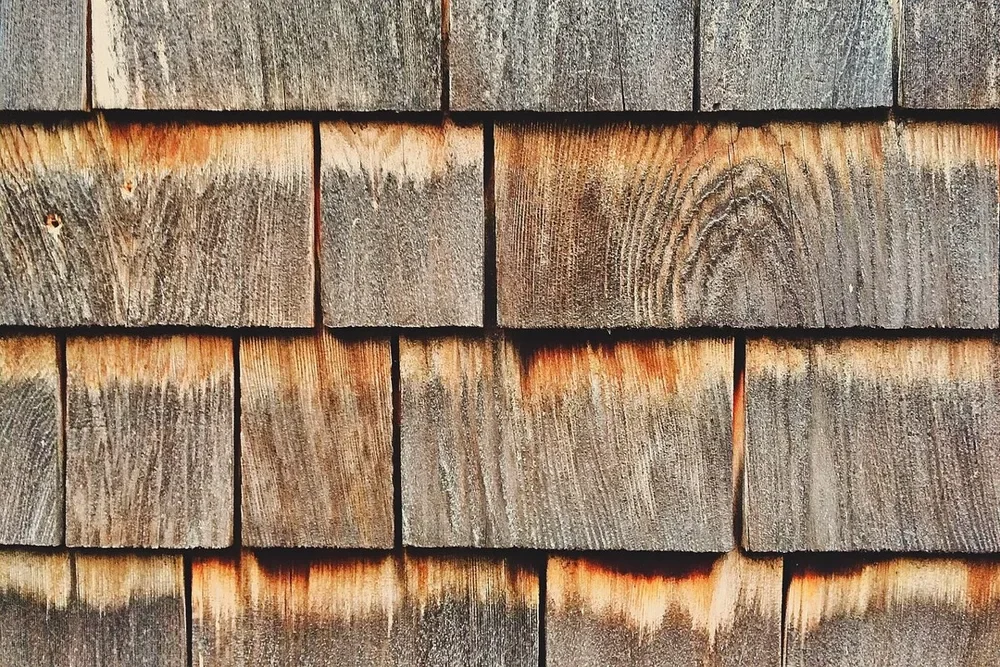
The Wood Database rates ash heartwood as perishable to only slightly durable for decay and not resistant to insects. Eastern red cedar is rated excellent for both, and it is regularly used for fence posts in direct ground contact with no pre-treatment. Western red cedar is rated durable to very durable against decay, though its insect resistance is mixed.
That does not make ash useless outside. Kept above ground, sealed and out of standing water, it can last a long time, and our page on ash wood for outdoor use covers the realistic lifespan. For fences, planters, decking and siding, cedar is the safer choice. Compare it with other options in cedar vs oak and cedar vs pine.
One fastening tip: iron-based fasteners can stain and discolor western red cedar, especially when it is damp, so use stainless steel or hot-dipped galvanized hardware.
Working Properties and Dust Safety
- Ash: machines and hand-tools well, glues, stains and finishes well, and responds well to steam bending. It can smell unpleasant while being cut.
- Eastern red cedar: easy to work, but knots are common, and its reportedly high silica content can dull cutters. It is often left unfinished to keep the aroma.
- Western red cedar: easy to work, but it dents and scratches very easily and can sand unevenly because of the difference between earlywood and latewood.
Both woods can irritate some people. The Wood Database notes that the Fraxinus genus has been reported to cause skin irritation and a decrease in lung function, and that eastern red cedar has been reported to cause skin and respiratory reactions. Use dust collection and a well-fitted respirator when sanding either one, and see our page on cedar wood allergies if you react to it.
Cost, Availability and Finishing
The Wood Database describes ash as among the least expensive utility hardwoods available domestically, with pricing comparable to oak. Cedar prices vary far more by grade and region. Western red cedar is a Pacific Northwest species, while eastern red cedar grows across eastern North America, so what you pay depends heavily on where you live and whether you buy clear boards or knotty stock. Check current prices at your local yard before you commit to a design, because both woods vary by season and supplier.
Finishing follows the same split. Ash is open-grained, takes stain and clear finishes well, and suits a furniture-grade look. Cedar is often left unfinished when the aroma is the point, and an outdoor cedar fence or planter is commonly allowed to weather to gray or treated with a UV-blocking sealer if you want to hold the color. Whichever you pick, test your finish on an offcut first, because resinous and oily woods can react differently from board to board.
Which Wood for Which Project
Choose ash for
- Tool handles, workbench legs and stretchers, and anything that takes repeated impact
- Indoor furniture, cabinets and frames where hardness and a pale open grain are wanted
- Steam-bent parts, since ash bends well
For a fuller list of strengths and drawbacks, read ash wood pros and cons for furniture and ash wood properties.
Choose cedar for
- Closet linings, hanging blocks and storage chests
- Fences, garden beds, planters and siding
- Lightweight projects where dent resistance is not the priority
Cedar has a long reputation as a moth deterrent, and we look at what holds up in does cedar wood repel insects. The scent also fades with time. Light sanding exposes fresh wood and brings it back.
Can You Combine Ash and Cedar?
Yes, and it is a smart pairing. A chest or drawer with an ash carcass and a thin cedar liner gives you ash for strength and joinery, and cedar only where the scent matters. Keep the cedar unfinished on the inside surfaces so the aroma can escape, and finish the ash exterior as you normally would. Because cedar is soft, let the ash parts carry any screws and hinges that take load.
What If You Meant Ashe Juniper?
Some people searching “ash cedar” mean Ashe juniper (Juniperus ashei), which is called “mountain cedar” in parts of Texas. Like eastern red cedar it is a juniper rather than a true cedar, so much of the cedar guidance above applies in spirit. It is a different species with its own local uses, so check with a regional lumber supplier for specifics.
Frequently Asked Questions
Is ash or cedar harder?
Ash is much harder. White ash rates 1,320 lbf on the Janka scale, eastern red cedar rates 900 lbf, and western red cedar rates only 350 lbf.
Which lasts longer outdoors, ash or cedar?
Cedar. Ash heartwood is rated perishable to only slightly durable against decay, while eastern red cedar is rated excellent and western red cedar durable to very durable.
Is cedar a hardwood or a softwood?
Cedar is a softwood, which is a botanical category and not a measure of hardness. Ash is a hardwood.
Can I line an ash chest with cedar?
Yes. Use ash for the strong outer structure and add a thin, unfinished cedar liner inside so the aroma can escape, and refresh the scent with light sanding when it fades.
Bottom Line
Pick by where the piece will live and what it will endure. Impact and indoor wear point to ash. Moisture, insects and scent point to cedar. When you need both, build in ash and line it with cedar.
Sponsored / affiliate links. As an Amazon Associate I earn from qualifying purchases. I may earn additional commission from eligible campaigns.