Does Engineered Hardwood Flooring Need to Acclimate? Discover Essential Insights
Are you considering installing engineered hardwood flooring in your home? It’s a popular choice that offers the beauty of wood with enhanced durability.
However, before you lay down those stunning planks, there’s an important question you might be asking: Does engineered hardwood flooring need to acclimate? Understanding this step can be the difference between a flawless floor and one that might face issues down the line.
By skipping or mishandling the acclimation process, you could be setting yourself up for unexpected problems. Dive into this article to uncover the secrets of acclimating engineered hardwood, ensuring your new floor not only looks fantastic but also stands the test of time. Let’s explore how you can make the smartest decision for your home and investment.
Importance Of Acclimation
Acclimation is very important for engineered hardwood flooring. It helps the flooring adjust to the room. This process is vital. The wood can expand or shrink. Temperature and humidity affect it. Without acclimation, the floor might warp. This can cause big problems. Proper acclimation can prevent these issues.
Place the wood in the room. Leave it for 48 hours. This helps the wood settle. The room should be at normal conditions. Ensure the temperature is stable. Humidity should also be consistent. This makes the wood ready for installation. Acclimation ensures a perfect fit. Your floor will look great.
Factors Affecting Acclimation
Humiditychanges can affect wood floors. Wood absorbs moisture from the air. If the air is too wet, wood swells. If it’s too dry, wood shrinks. Keeping a balanced humidity level is key. This helps the wood stay stable. Use a hygrometer to check the air. Aim for 30% to 50% humidity. Proper humidity helps the floor last longer.
Temperature changes can also impact wood. Wood expands in heat. It contracts in cold. Keep room temperature steady. Aim for 60 to 80 degrees Fahrenheit. Avoid sudden temperature shifts. This helps maintain the floor’s shape. Consistent temperature is important for wood stability.
The subfloor must be dry and clean. Moist subfloors can harm wood. Check the moisture level first. Use a moisture meter if needed. Proper subfloor prep is crucial. It ensures wood stays in place. A solid subfloor supports the wood above.
Steps For Effective Acclimation
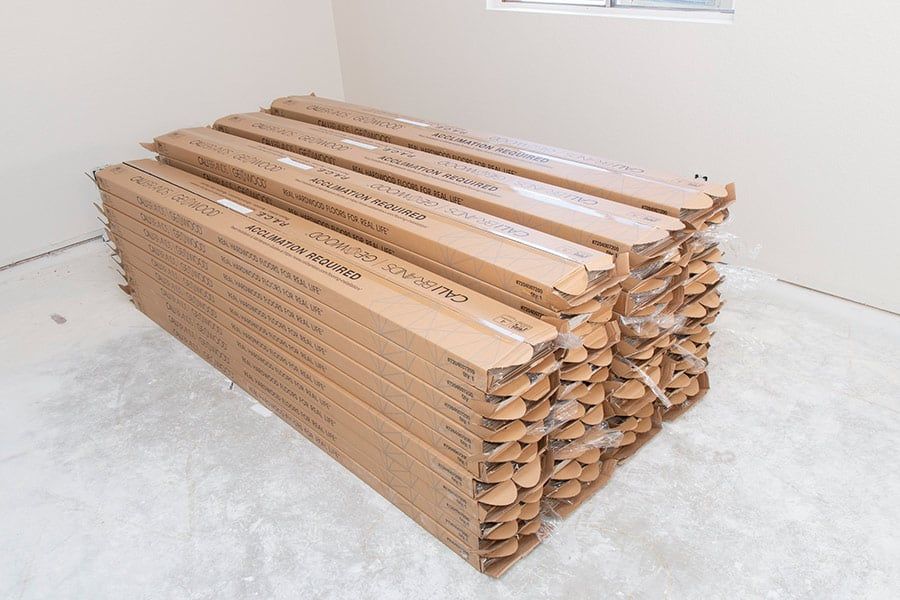
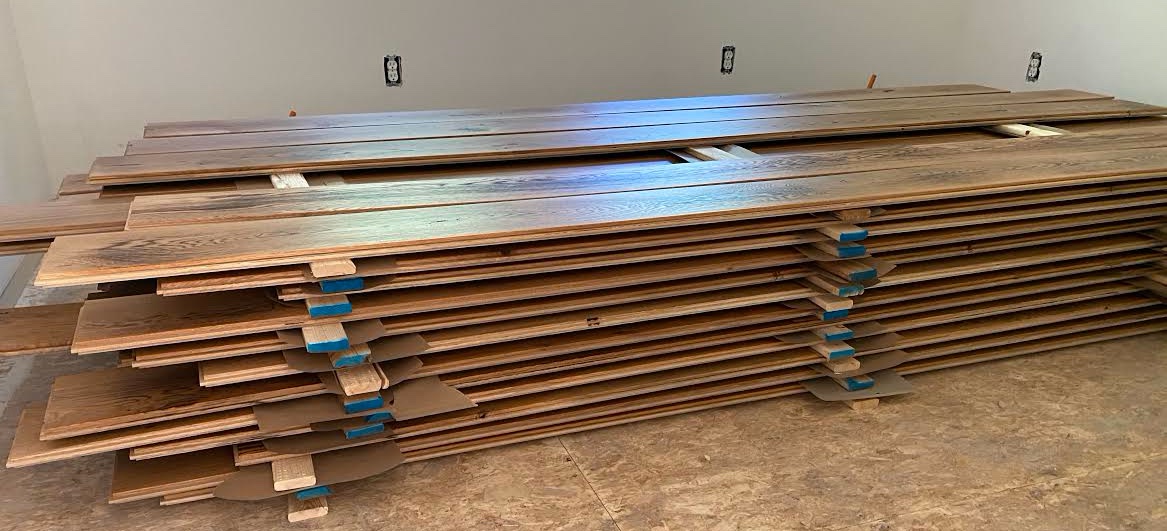
Engineered hardwood flooring needs proper acclimation to ensure stability. Start by placing the planks in the installation area. Leave them there for at least 48 hours. This process helps the wood adjust to the room’s temperature and humidity. It prevents warping or gaps after installation.
Preparation Of Space
Ensure the room is clean and dry. Remove any old flooring debris. Set the thermostat to normal living conditions. Keep the space at a steady temperature. This helps the flooring adjust. Allow good air circulation in the room.
Proper Storage Techniques
Store the flooring flat on the ground. Avoid leaning it against walls. Use spacers to let air pass between boards. Keep the flooring in its packaging. This protects it from dust and damage. Do not stack too high to prevent warping.
Monitoring Environmental Conditions
Check the room’s temperature daily. Use a thermometer for accuracy. Measure humidity levels with a hygrometer. Keep humidity between 30% to 50%. Adjust heating or cooling to maintain conditions. Flooring should stay in the room for several days.
Credit: www.califloors.com
Consequences Of Skipping Acclimation
Engineered hardwoodcan warp or swell if not acclimated. This happens because wood absorbs moisture from the air. Different rooms have different humidity levels. Wood needs time to adapt. Without it, floors might buckle or shrink. This causes gaps or uneven surfaces. Damaged floors look bad and feel unsafe. Fixing them costs money and time. It’s best to let wood adjust. This keeps it in good shape and prevents future issues.
Skipping acclimation can void your warranty. Many manufacturers require it. They won’t cover damages caused by improper installation. Not acclimating means you might pay for repairs yourself. Warranties protect your investment. Following guidelines ensures you stay protected. Read the instructions carefully. This helps keep your warranty valid.
Comparing Engineered And Solid Hardwood
Engineered hardwoodand solid hardwood are different. Solid hardwood needs more time to adjust. It can change shape with weather. The wood can expand or shrink. This is why it must sit in a room first.
Engineered hardwoodis different. It is made with many layers. This makes it more stable. It does not change shape easily. It still needs some time in the room, but less than solid wood.
Engineered woodperforms well in most rooms. It can handle wet places better. Solid hardwood is strong, but not in wet rooms.
Both types look nice and last long. The choice depends on the room and needs. Some people like solid wood’s natural feel. Others prefer the easy care of engineered wood.
Credit: vermontplankflooring.com
Expert Tips For Installation
Engineered hardwood flooringmust be handled with care. It needs to acclimatebefore installation. This means letting the wood sit in the room. For at least 48 hours. This helps the wood adjust to temperature. And humidity. Avoid installing right after delivery. It can cause warping.
Store the flooring in the room. Keep it flat on the floor. Maintain a stable environment. Control the temperature and moisture. Use a moisture meterfor checking. Ensure the room is ready for the wood. Proper preparation prevents issues.
Skipping acclimation is a major mistake. It leads to unwanted gaps. Avoid ignoring room conditions. High humidity can damage the wood. Never rush the installation process. Take time to inspect each plank. Also, avoid direct contact with water. It can ruin the flooring.

Credit: www.oldewoodltd.com
Frequently Asked Questions
What Happens If You Don’t Acclimate Engineered Hardwood?
Engineered hardwood may warp or gap without proper acclimation. It adjusts poorly to humidity changes, causing damage. Always acclimate for optimal stability and longevity.
How Long Should You Let Engineered Hardwood Acclimate?
Engineered hardwood should acclimate for 48 to 72 hours before installation. Place planks in the room where they’ll be installed. Maintain normal living conditions with temperature and humidity. Proper acclimation ensures stable flooring and prevents future issues. Follow manufacturer’s guidelines for best results.
How Do You Acclimate Engineered Flooring?
Acclimate engineered flooring by storing it in the installation area for 48-72 hours. Ensure the room has stable temperature and humidity levels. Lay boxes flat for even acclimation. Avoid stacking to allow air circulation. This process helps prevent future expansion or contraction issues.
How Long Before You Can Walk On New Engineered Hardwood Floors?
You can walk on new engineered hardwood floors after 24 hours. Ensure proper curing by avoiding heavy furniture or rugs for at least 72 hours. Always follow manufacturer’s guidelines for best results.
Conclusion
Acclimating engineered hardwood is important for long-term durability. It helps the flooring adjust to humidity and temperature. This process prevents potential issues like warping or gaps. Skipping acclimation might lead to costly repairs later. Always follow the manufacturer’s guidelines for best results.
Proper preparation ensures your floor looks great and lasts longer. It’s a small step with big benefits. So, take the time to acclimate. Your floor will thank you. Enjoy the beauty and comfort of your new hardwood floors!