Unfinished Hardwood Flooring at Home Depot: Real Cost Guide
Home Depot sells unfinished solid oak flooring starting around $2.50 per square foot — but sanding, staining, and sealing it on-site typically adds another $2.50 to $8 per square foot in labor and finish. That total often lands close to prefinished flooring, not dramatically below it. This guide covers which unfinished brands and species Home Depot actually stocks, the real acclimation and installation steps, and the finishing costs most buying guides skip.
Quick Answer
Unfinished hardwood is cheaper to buy at Home Depot — often $1 to $3 less per square foot than prefinished — but you pay that difference back (and sometimes more) in on-site sanding, staining, and sealing. It’s the better choice only if you want a custom stain color, a seamless site-finished look, or plan to refinish it yourself down the road.
What Unfinished Hardwood Flooring Does Home Depot Actually Sell?
Best Unfinished Floor Finishing Pick
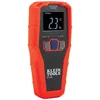
Klein Tools ET140 Pinless Moisture Meter
Checks moisture content up to 3/4-inch below the surface without marking the wood — use it before and after acclimation to confirm the boards are ready to install.
- Best for: confirming unfinished boards have acclimated before nailing them down
- Why we picked it: pinless testing means no marks on flooring you’re about to stain
- Main drawback: readings can run high on very dense species like white oak without a species adjustment
Compare more finishing supplies
 Option 1 Minwax Wood Finish Stain, Special Walnut (1 Gal.)
|
 Option 2 Minwax Super Fast-Drying Polyurethane (1 Gal.)
|
 Option 3 Gorilla All Purpose Wood Filler Kit
|
As an Amazon Associate we earn from qualifying purchases.
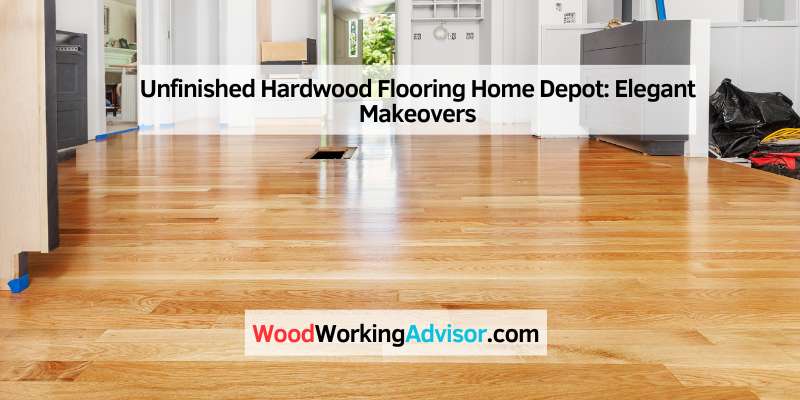
Home Depot’s unfinished hardwood selection is real but narrower than its prefinished lineup — most stores stock a limited run of standard red oak strip flooring, and a wider unfinished selection is usually only available to special-order online or through the in-store special order desk. Solid unfinished flooring at Home Depot mostly comes from mill brands like CENTURY FLOORING and Anthony Oak Flooring, sold in red oak and white oak, plus a smaller unfinished solid line from Malibu Wide Plank. Most of the flooring branded and displayed prominently in-store — including CALI Bamboo — is actually prefinished engineered product, and bamboo itself is a grass, not a hardwood species, even though it’s merchandised in the hardwood aisle.
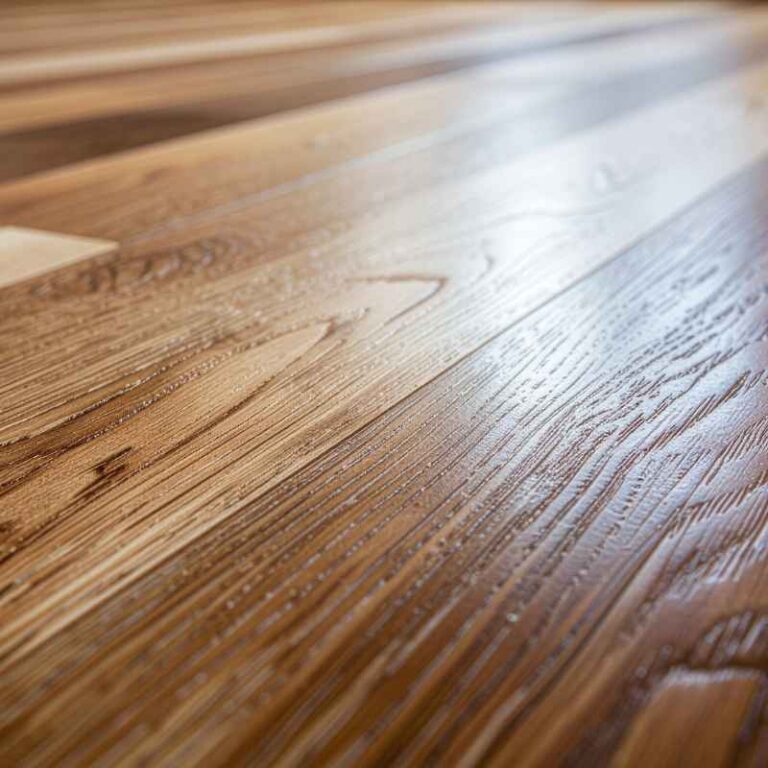
Unfinished hardwood flooring is solid or engineered wood plank flooring sold with no factory stain or protective topcoat, so it arrives as bare wood ready to be sanded and finished after installation. That’s different from prefinished flooring, which is sanded, stained, and sealed with several coats of urethane at the factory before it ever reaches the store.
- Red Oak — the most common unfinished species at Home Depot, usually sold in 2-1/4 inch strip width; open, ribbony grain that takes stain evenly, from about $2.50-$3.90/sq. ft. unfinished.
- White Oak — tighter grain than red oak, more resistant to moisture, popular for a modern or Scandinavian-style stain look.
- Maple — tight, subtle grain and a light natural tone; it’s notorious for blotching with oil-based stain unless a pre-stain conditioner is used first.
Is Unfinished Actually Cheaper Than Prefinished? The Real Total Cost
The material itself is cheaper — unfinished boards typically run $1 to $3 less per square foot than an equivalent prefinished plank. But that savings gets eaten by the labor and materials needed to sand, stain, and seal the floor after it’s installed, which most comparisons leave out entirely.
| Cost Stage | Unfinished (Home Depot) | Prefinished |
|---|---|---|
| Material only | $2.50-$8/sq ft | $4-$15/sq ft |
| Installation labor | $3-$8/sq ft | $3-$8/sq ft |
| Sand, stain & seal (on-site) | $2.50-$8/sq ft — required | $0 — already done at the factory |
| Typical total | $8-$24/sq ft | $7-$23/sq ft |
📊 A 300 sq. ft. room using Home Depot’s unfinished red oak at $3/sq. ft. plus a professional sand-stain-seal job (roughly $5/sq. ft.) runs about $2,400 for materials and finishing alone — before installation labor. Source: cost ranges compiled from Angi and HomeAdvisor 2026 flooring-refinishing data.
Where unfinished still wins on cost: DIYing the finishing work yourself. Renting a drum sander and doing your own stain-and-seal can cut that $2.50-$8/sq. ft. finishing cost down to roughly $1-$2/sq. ft. in materials alone. That’s the scenario where “unfinished is cheaper” is actually true — not when you’re paying a pro to finish it either way.
Finishing Supplies for Your Unfinished Floor
If you’re finishing the floor yourself, checking the wood’s moisture content before you sand is the step people skip most — and it’s the one that causes cupping and gapping later.
How Long Does Unfinished Hardwood Need to Acclimate Before Installing?
Unfinished hardwood from Home Depot needs a minimum of 3 days to acclimate on-site, though most installers wait 5 to 10 days depending on species and climate. Skipping this step is the single most common cause of gapping and cupping in newly installed floors.
- Keep the room at 60-80°F and 30-50% relative humidity, run the permanent HVAC system (not a space heater) for at least 5 days before the flooring arrives.
- Stack the bundles flat, breaking the bands so air reaches every layer — don’t leave boards sealed in plastic wrap in the room.
- Check moisture content with a pinless meter before and after acclimation; the reading should match the subfloor’s moisture within about 2-4%.
Installing Unfinished Hardwood Flooring From Home Depot
Once the boards have acclimated, installation follows the same sequence as any solid nail-down floor — the difference with unfinished stock is that the surface still needs to be sanded and finished after the last board goes down.
- Prep the subfloor: confirm it’s clean, dry, and flat within 3/16 inch over 10 feet; fix squeaks and level any dips with a leveling compound before laying flooring.
- Roll out a moisture barrier: use 15 lb. asphalt felt paper over wood subfloors to buffer moisture transfer from below.
- Start at the longest, straightest wall: snap a chalk line and rack a few rows dry first to plan stagger before nailing anything down.
- Leave a 3/4-inch expansion gap: at every wall, doorway, and fixed vertical surface — it will be hidden by base or shoe molding.
- Blind-nail through the tongue at an angle: using a pneumatic flooring nailer, staggering end joints by at least 6 inches between adjacent rows.
- Rack, don’t stack: pull boards from multiple bundles as you go so color and grain variation blend across the room instead of clustering.
Finishing the Floor: Sanding, Staining and Sealing
Finishing an unfinished floor is not a beginner weekend project — drum sander gouges, uneven stain absorption, and lap marks in the topcoat are the most common DIY mistakes, and every one of them shows up more once the floor is sealed, not less. If you’ve never run a drum sander before, at least rent it and practice on a piece of scrap plywood first.
- Sand in three passes: coarse grit (36-40) to level the boards, medium (60-80) to smooth sanding marks, fine (100-120) to prep for stain. Sand with the grain on the final pass.
- Vacuum and tack the floor: all dust must be gone before staining — any residue left behind shows up as blotching under the stain.
- Apply stain with the grain: work in sections no larger than you can wipe back within a few minutes, and wipe off excess before it sets.
- Let the stain dry fully: typically 24-48 hours depending on humidity, before applying the first coat of finish.
- Apply 2-3 coats of polyurethane: lightly screen-sand between coats (unless using a no-sand-between-coats formula) and keep the room dust-free while each coat cures.
Maintaining an Unfinished Hardwood Floor
Once finished, an unfinished floor is maintained the same way as any site-finished hardwood: dry-mop or vacuum with a soft brush attachment regularly, and avoid wet-mopping, since standing water can work into seams the factory sealing on prefinished boards is specifically designed to resist. Use felt pads under furniture legs, keep indoor humidity stable between 30-50%, and limit direct sun exposure to slow fading.
The upside of unfinished flooring shows up here: because the finish was applied on-site rather than baked on at a factory, a scratched or worn floor can typically be screened and recoated, or fully sanded and refinished, more times over its life than most prefinished engineered products — some of which can only be refinished once, or not at all, depending on the wear-layer thickness.
Buying Tips: What to Know Before You Go
Unfinished hardwood usually isn’t front-and-center on the sales floor at Home Depot — most stores display and stock prefinished engineered flooring prominently, while unfinished solid stock is limited to a small run of standard-width red oak, with wider selections available mainly through special order online or at the pro desk. Flooring associates are often generalists who cover carpet, vinyl, and tile too, so it’s worth calling ahead to confirm a specific unfinished product and species are actually in stock before making the trip, or asking specifically for the special-order catalog if your local aisle looks thin.
Before you check out, compare the full range of hardwood options and today’s Home Depot flooring prices — including prefinished, engineered, and laminate — in our Home Depot hardwood flooring price guide, and see how unfinished stacks up against other species in our full wood flooring guide.
Frequently Asked Questions
Is it cheaper to buy unfinished hardwood floors at Home Depot?
The material is cheaper — typically $1 to $3 less per square foot than prefinished hardwood — but only if you factor in the finishing cost does the real comparison show up. Paying a pro to sand, stain, and seal it adds $2.50 to $8 per square foot, which often erases most or all of the material savings. Unfinished only comes out clearly cheaper if you do the finishing work yourself.
Is it better to buy prefinished or unfinished hardwood floors?
Neither is universally better — it depends on priorities. Prefinished is ready to walk on immediately, more consistent in durability since coats are cured at the factory, and involves no finishing mess. Unfinished wins if you want a fully custom stain color, a seamless site-sanded surface with no bevels between boards, or floors that can be refinished more times over their lifespan.
Do I need to sand an unfinished hardwood floor?
Yes. Unfinished boards ship with mill marks and slight height differences between planks, so a full three-grit sanding pass (coarse, medium, fine) is required to level the surface and create a smooth base before stain will absorb evenly.
How long does unfinished hardwood flooring need to acclimate?
A minimum of 3 days at 60-80°F and 30-50% relative humidity, though 5 to 10 days is typical depending on species and how far the home’s climate differs from the wood’s shipping conditions. Use a moisture meter to confirm the boards match the subfloor’s moisture level before installing.
What’s the cheapest unfinished hardwood flooring at Home Depot?
Standard-width unfinished red oak strip flooring is typically the least expensive option, starting at roughly $2.50 per square foot for material. Wider-plank unfinished white oak and exotic species cost more, and prices shift with lumber markets, so check current per-case pricing in-store or online before budgeting a project.
Unfinished hardwood from Home Depot is a legitimate option — but only when you go in knowing the finishing costs and time it adds. Budget for the full sand-stain-seal process (or the DIY tools above), acclimate the wood properly, and you’ll get a floor that can outlast most prefinished products through multiple refinishes.
Sponsored / affiliate links. As an Amazon Associate I earn from qualifying purchases. I may earn additional commission from eligible campaigns.