Does Gorilla Glue Work on Metal? Strength, Tips & Best Alternatives (2026)
Yes, Gorilla Glue (original polyurethane formula) bonds to metal, but it’s not the strongest option for metal-to-metal joints. Skipping surface prep — sanding and an acetone wipe — means the bond fails well before its 24-hour cure finishes. For structural metal repairs, J-B Weld or Loctite Metal Epoxy hold better; Gorilla Glue excels at metal-to-wood and metal-to-other-material bonds.
Yes — Gorilla Glue (original polyurethane formula) bonds to metal, but it’s not the strongest choice for metal-to-metal joints. For best results: sand the surface, clean with acetone, apply sparingly, clamp firmly, and allow 24 hours to cure. For heavy-duty or structural metal repairs, J-B Weld epoxy or Loctite Metal Epoxy are stronger alternatives. Gorilla Glue excels at metal-to-wood and metal-to-other-material bonds.
Introduction To Gorilla Glue
Gorilla Glue was created in the late 1990s. It quickly became popular because of its strong hold. This glue can bond many materials. It was first used for woodworking. Over time, people found it worked on other items too. Today, it is a household name.
Gorilla Glue is used for many projects. It can fix broken furniture. It works well on ceramics. Many people use it for crafts. It bonds wood, stone, metal, and more. This glue is waterproof. That makes it great for outdoor repairs.
Metal Bonding With Gorilla Glue
Gorilla Glue is known for its strong adhesion. It can bond many surfaces, including metal. The glue forms a durable and long-lasting bond. Gorilla Glue is also water-resistant. This makes it great for both indoor and outdoor use. Remember to clean the metal surface before applying the glue. This ensures the best bond.
Gorilla Glue works on many types of metals. Steel, aluminum, and copper are some examples. It also bonds well with brass and iron. Make sure the metal is clean and dry. This helps the glue stick better. Always follow the instructions on the glue bottle.
Preparation For Metal Gluing
To get the best bond, clean the metal first. Remove any dirt, grease, or rust. Use a cloth with rubbing alcohol or acetone. This will make sure the glue sticks well. Dry the surface completely before moving on.
Metal surfaces are often smooth. Smooth surfaces are hard to glue. Roughen the metal with sandpaper. Use a medium or coarse grit. This helps the glue grip the metal better. Wipe off any dust after sanding.
Application Process
Gorilla Glue works well on metal surfaces. Clean the metal thoroughly before application. Apply a thin layer for strong bonding.
Applying The Glue
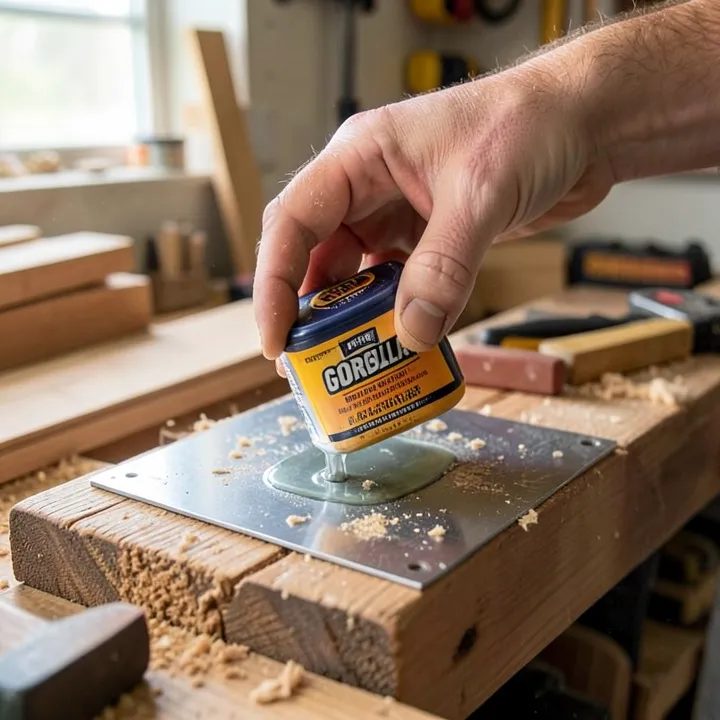
First, clean the metal surface. Remove any dirt or grease. This helps the glue stick better. Next, apply Gorilla Glue to one of the metal pieces. Use a small amount. Spread it evenly. Press the pieces together firmly. Hold for a few seconds. Wipe away any extra glue.
Clamping Techniques
Use clamps to hold the pieces together. Clamping helps the glue bond stronger. You can use different types of clamps. C-clamps or bar clamps work well. Tighten the clamps gently. Do not over-tighten. Let the glue dry for 24 hours. This ensures a strong bond.
Curing Time And Conditions
Gorilla Glue works best in warm and dry conditions. The temperature should be around 70°F (21°C) for the best results. Ensure the area is well-ventilated. This helps the glue to cure properly.
The glue needs time to set. It usually takes 1-2 hours to set. Full curing can take up to 24 hours. Be patient. Do not disturb the glued parts during this time.
Strength And Durability
Gorilla Glue has a high load bearing capacity. It can hold heavy items firmly. The glue forms a strong bond with metal surfaces. This makes it suitable for various metal projects. The bond stays tight even under pressure. It is good for tasks needing strong adhesive power. The glue is tough and reliable.
Gorilla Glue offers long-term performance on metal. It remains effective over time. The bond does not weaken easily. This ensures durability for metal repairs and projects. The glue is resistant to weather changes. It does not break down in heat or cold. This makes it ideal for outdoor use. The glue stays strong and durable for years.
| Adhesive | Strength (PSI) | Dry Time | Best For Metal Use |
|---|---|---|---|
| Gorilla Glue (Original) | ~1,200 | 24 hrs full cure | Metal-to-wood, metal-to-stone |
| J-B Weld Epoxy | ~5,020 | 4–6 hrs set; 24 hrs full | Metal-to-metal, structural repairs |
| Loctite Metal Epoxy | ~3,500 | 5 min set; 1 hr full | Fast metal repairs, gaps |
| Super Glue (CA Glue) | ~1,000 | 30–60 sec | Small metal parts, tight-fitting joints |
| Gorilla Weld Epoxy | ~4,250 | 4–6 hrs set; 24 hrs full | Metal-to-metal, heavy-duty repairs |
Comparisons With Other Adhesives
Epoxy adhesives are very strong. They bond metal very well. Epoxy can hold heavy weights. It also resists heat. But, it takes time to dry. Mixing parts is required before use.
Super Glue dries fast. It is easy to use. No mixing needed. It can bond metal quickly. But, it is not strong for heavy loads. Also, it does not resist heat well. It is best for small repairs.
How to Apply Gorilla Glue to Metal: Step-by-Step
Getting the strongest possible bond from Gorilla Glue on metal requires careful surface preparation. Follow these steps for a reliable, lasting bond:
- Step 1 — Sand the surface: Roughen both metal surfaces with 80–120 grit sandpaper. A rough surface gives the adhesive more area to grip. Smooth or polished metal significantly reduces bond strength.
- Step 2 — Clean with acetone: Wipe both surfaces with acetone or denatured alcohol to remove oils, rust, and dust. Any contamination prevents proper adhesion. Allow to dry completely (30–60 seconds).
- Step 3 — Dampen one surface: Gorilla Glue’s polyurethane formula reacts with moisture to cure. Lightly dampen one surface with a wet cloth — do not soak it, just a light mist.
- Step 4 — Apply sparingly: Apply a thin bead of Gorilla Glue to the dry surface only. The glue expands up to 3× as it cures — using too much causes foam overflow and a weaker joint.
- Step 5 — Clamp firmly: Bring surfaces together and clamp with even pressure. Use C-clamps or bar clamps. Clamp time: 1–2 hours minimum. Full cure: 24 hours.
- Step 6 — Clean up excess: Remove any foam squeeze-out before it fully cures (within 30 minutes) using mineral spirits or acetone. Once cured, Gorilla Glue foam can only be removed by sanding or cutting.
Temperature tip: Gorilla Glue cures best between 40–100°F (4–38°C). Below 40°F, the moisture-activated cure slows dramatically. Above 100°F, the glue can cure too quickly, reducing working time and bond strength.
Expert Tips And Recommendations
Clean the metal surface first. Dirt and oil can weaken the bond. Sand the metal lightly. This helps the glue stick better. Use a small amount of glue. Less is more. Press the pieces together firmly. Hold them for a few minutes. Let the glue cure fully. This can take up to 24 hours. Follow these steps for a strong bond.
Do not use too much glue. It can make the bond weak. Skipping surface cleaning is a bad idea. The glue won’t stick well. Rushing the curing process is another mistake. Wait for the glue to set fully. Avoid touching the glue with your fingers. It can cause a weaker bond. Be patient and follow all instructions for best results.
Frequently Asked Questions
Will Gorilla Glue Hold On Metal?
Yes, Gorilla Glue bonds well with metal surfaces. Ensure both surfaces are clean and clamped for best results.
What Glue Is Best For Metal?
Epoxy glue is best for metal. It provides strong, durable bonds. Loctite Epoxy Metal/Concrete and J-B Weld are top choices.
How Long Does It Take Gorilla Glue To Dry On Metal?
Gorilla Glue typically takes 1-2 hours to dry on metal. Full cure occurs within 24 hours.
What Can You Not Use Gorilla Glue On?
Gorilla Glue should not be used on polyethylene, polypropylene, or PTFE (Teflon) plastics. Avoid using it on rubber with high oil or plasticizer content.
Best Metal Adhesives: Gorilla Glue vs Top Alternatives
If Gorilla Glue isn’t the right fit for your metal project, here are the top alternatives ranked by bonding strength and use case:
J-B Weld Original Cold-Weld Compound
Why we picked it: J-B Weld is the gold standard for metal bonding with a tensile strength of 5,020 PSI — over 4x stronger than standard Gorilla Glue on metal. It withstands temperatures up to 550°F and is resistant to water, chemicals, and petroleum products. Sets in 4–6 hours, fully cures in 24 hours.
Main drawback: Requires mixing two components; long cure time (24 hrs for full strength); heavier than super glue for delicate work.
Loctite Epoxy Instant Mix (5 Minute)
Why we picked it: Sets in just 5 minutes — dramatically faster than J-B Weld or Gorilla Glue. Fills gaps in metal joints. Bonds steel, iron, aluminum, copper, and brass. Water and solvent resistant once cured.
Main drawback: Shorter working time means you must work quickly; not as strong as J-B Weld for structural loads.
Gorilla Original Waterproof Polyurethane Glue
Why we picked it: Gorilla Glue shines when bonding metal to dissimilar materials — wood brackets to metal frames, metal hardware to stone, or metal-to-ceramic. Its expanding foam formula fills minor gaps. Waterproof once cured.
Main drawback: Foam expansion can squeeze out of joints; not ideal for tight-fitting metal-to-metal surfaces where the foam has nowhere to expand.
Sponsored / affiliate links. As an Amazon Associate I earn from qualifying purchases. I may earn additional commission from eligible campaigns.