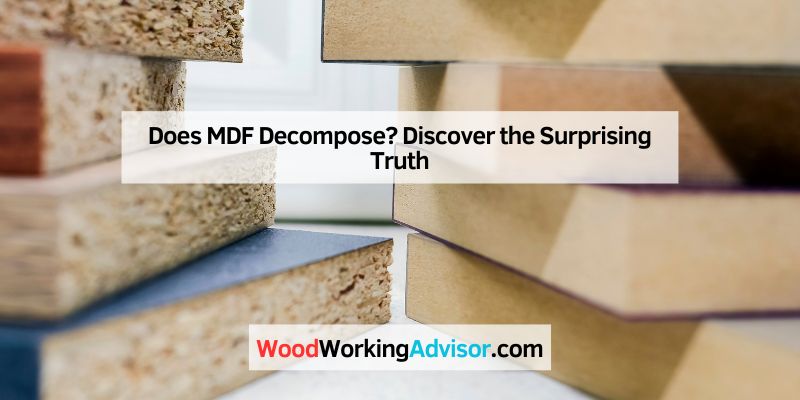
Does MDF Decompose? Discover the Surprising Truth
Have you ever wondered what happens to MDF, or Medium Density Fiberboard, after its useful life? Whether you’re planning a renovation, a DIY project, or simply curious about the materials in your home, understanding the decomposition process of MDF can be crucial.
You might ask yourself, “Does MDF decompose? ” And if so, how does it impact the environment or your health? Imagine the peace of mind you’d feel knowing how MDF behaves over time. This knowledge can guide you in making eco-friendly choices, disposing of materials responsibly, and ensuring the safety of your surroundings.
Dive into this article to uncover the secrets of MDF decomposition. You’ll discover surprising facts, practical tips, and expert insights that will empower you to make informed decisions about using and discarding MDF. Keep reading to transform your understanding and make a difference in your home and the environment.
What Is MDF?
MDF stands for Medium Density Fiberboard. It is made from wood fibers. These fibers mix with wax and resin. The mix is pressed into boards. MDF is smooth and dense. It has no grain like real wood. This makes it easy to cut and shape. It is often used in furniture making. MDF can be painted easily. It is less expensive than real wood.
MDF is used for many things. It is used in furniture and cabinets. It is good for shelves and doors. MDF is also used for flooring and wall panels. It is great for making crafts and models. MDF is popular in home decor projects. It is very versatile. People like it because it is affordable.
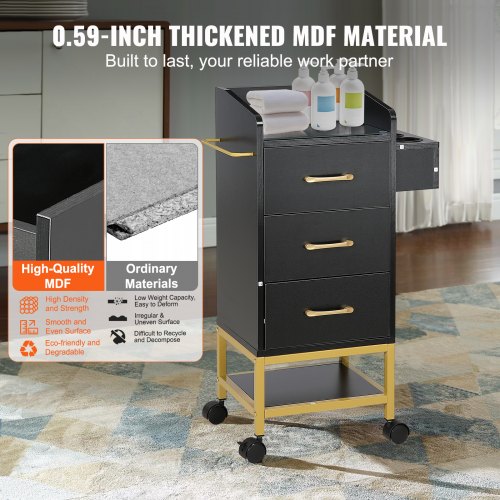
Credit: m-eur.vevor.com
Factors Influencing Decomposition
MDF, or Medium-Density Fiberboard, decomposes slowly due to its dense structure and chemical adhesives. Environmental factors like moisture, temperature, and microbial activity influence its decomposition rate. Proper disposal is essential to minimize its environmental impact.
Environmental Conditions
Temperature plays a big role. Hot places speed up decomposition. Cold places slow it down. Sunlight affects MDF too. Bright sun can cause damage. Humidity levels matter. High humidity leads to quicker breakdown.
Exposure To Water
Water weakens MDF. Wet MDF breaks down faster. Floods can damage it in hours. Water causes swelling and cracks. Rain can wear it out over time.
Biological Factors
Fungi and bacteria cause decay. They love damp areas. Termites and insects eat MDF. Mold grows on wet MDF. Mold weakens the board. Mice sometimes chew on it too.
Decomposition Process
MDF stands for Medium Density Fiberboard. It is made of wood fibers. These fibers are pressed together with glue. Moisture can cause MDF to break down. This is the first step of decomposition. Water makes MDF swell and weaken. Sunlight and air also affect MDF. They change the surface slowly.
As time passes, MDF undergoes chemical changes. The glue holding fibers breaks down. Bacteria and fungi play a role in this process. These tiny organisms eat the wood fibers. Chemical reactions make MDF softer. This process takes many years. MDF does not decompose fast like natural wood. It lasts longer in the environment.

Credit: www.researchgate.net
Comparing Mdf With Other Materials
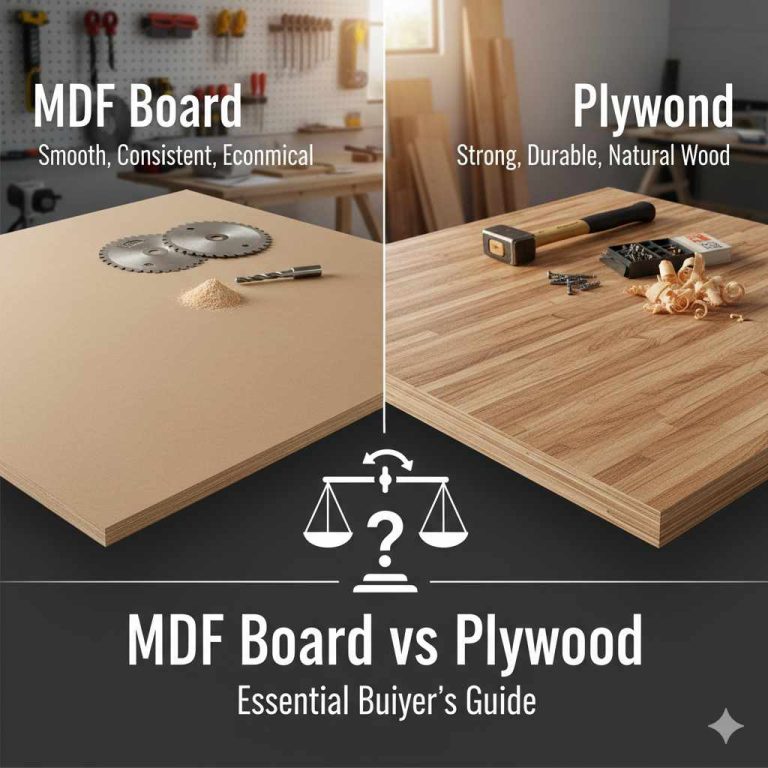
MDF stands for Medium Density Fiberboard. It is made from wood fibers and resin. Natural wood is solid wood from trees. MDF is cheaper than natural wood. It can be cut easily. MDF does not have grain patterns like wood. Wood is stronger and lasts longer. Wood can be sanded and polished. MDF is smooth and uniform. Natural wood can warp with moisture. MDF resists warping. Wood is more eco-friendly. MDF is less eco-friendly.
MDF and particleboard are both made from wood pieces. MDF is denser than particleboard. It is smoother and heavier. Particleboard is lighter and rougher. MDF is more durable. Particleboard is cheaper. MDF is good for painting. Particleboard is not good for painting. MDF can be used for furniture. Particleboard is used for shelves and cabinets. MDF holds screws better. Particleboard can crumble with screws. MDF is more popular than particleboard.
Environmental Impact
MDF is a popular material but has environmental issues. Made from wood fibers, it uses glue and chemicals. These can harm the earth. MDF production uses a lot of energy and resources. It also releases harmful gases. This affects air quality and climate. Is MDF sustainable? Not really. It’s not from renewable sources. This can hurt forests and wildlife. Choosing eco-friendly materials is better for the planet.
Sustainability Concerns
MDF is not easily biodegradable. It takes years to break down in nature. The chemicals in MDF can leak into soil and water. This pollutes our environment. Sustainable materials break down fast and safely. MDF does not. This is a big concern for our earth.
Recycling And Disposal
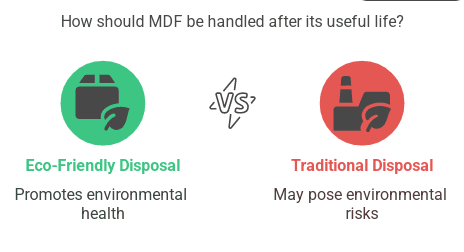
Recycling MDF is hard. Most recycling centers do not accept it. Burning MDF releases toxic fumes. This can harm humans and animals. Safe disposal is tricky. It usually ends up in landfills. This takes up space and pollutes. Finding ways to reuse MDF is important. It can help reduce waste.
Preservation Tips
MDF decomposes over time, especially when exposed to moisture and natural elements. Proper sealing and storing in dry areas can prolong its lifespan. Regular checks for signs of wear can prevent damage and maintain its quality.
Proper Storage
MDF needs to stay dry. Water can damage it. Keep MDF off the floor. Use shelves or pallets. Store it in a cool place. Avoid direct sunlight. Sun can weaken MDF. Cover MDF with a cloth. This stops dust and dirt.
Protective Coatings
Coatings keep MDF safe. Paint adds a layer of protection. It helps against moisture. Seal MDF edges with varnish. Varnish prevents water damage. Wax gives MDF a shiny look. Wax also protects against scratches. Regular checks are important. Look for any damage. Fix it quickly.
Frequently Asked Questions
Does Mdf Degrade Over Time?
MDF can degrade over time, especially in damp environments. Moisture exposure can cause swelling and weakening. Proper sealing and maintenance extend its lifespan. Use in dry, controlled environments for best longevity. Regular inspections help detect early signs of damage. MDF is durable, but environmental factors significantly affect its durability.
How Environmentally Friendly Is Mdf?
MDF is less eco-friendly than solid wood due to its manufacturing process. It uses formaldehyde resins, affecting air quality. Recycling is limited, but some MDF products are made with sustainable practices. Choose certified MDF brands for better environmental impact.
Can I Compost Mdf?
You shouldn’t compost MDF. It contains resins and chemicals that harm the composting process and soil health. Dispose of it responsibly through recycling or waste facilities.
What Is The Biggest Drawback Of Using Mdf?
MDF’s biggest drawback is its susceptibility to moisture, causing swelling and damage. It’s less durable than real wood.
Conclusion
MDF does not decompose easily. It resists natural breakdown over time. This makes disposal a challenge. MDF’s chemical makeup includes resins. These resins slow decomposition. So, MDF stays intact for years. This durability has pros and cons. It lasts long in furniture use.
But, its waste impacts the environment. Consider eco-friendly options. Choose materials that decompose. This helps reduce waste. Protect nature by making smart choices. Every small decision counts. Opt for sustainable practices. This benefits the planet. Remember, MDF’s resistance to decay is both a strength and a concern.