What is MDF Baseboard
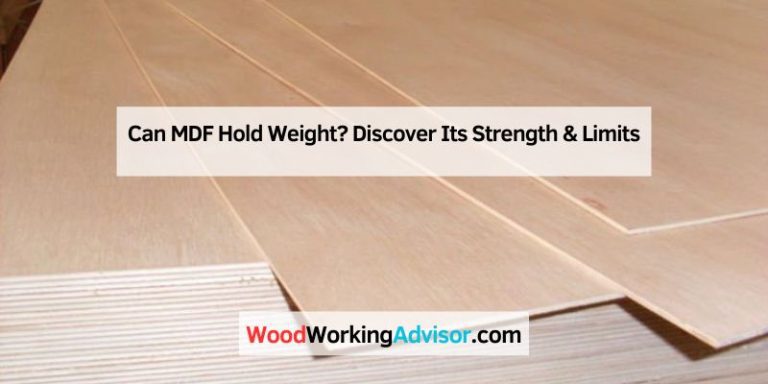
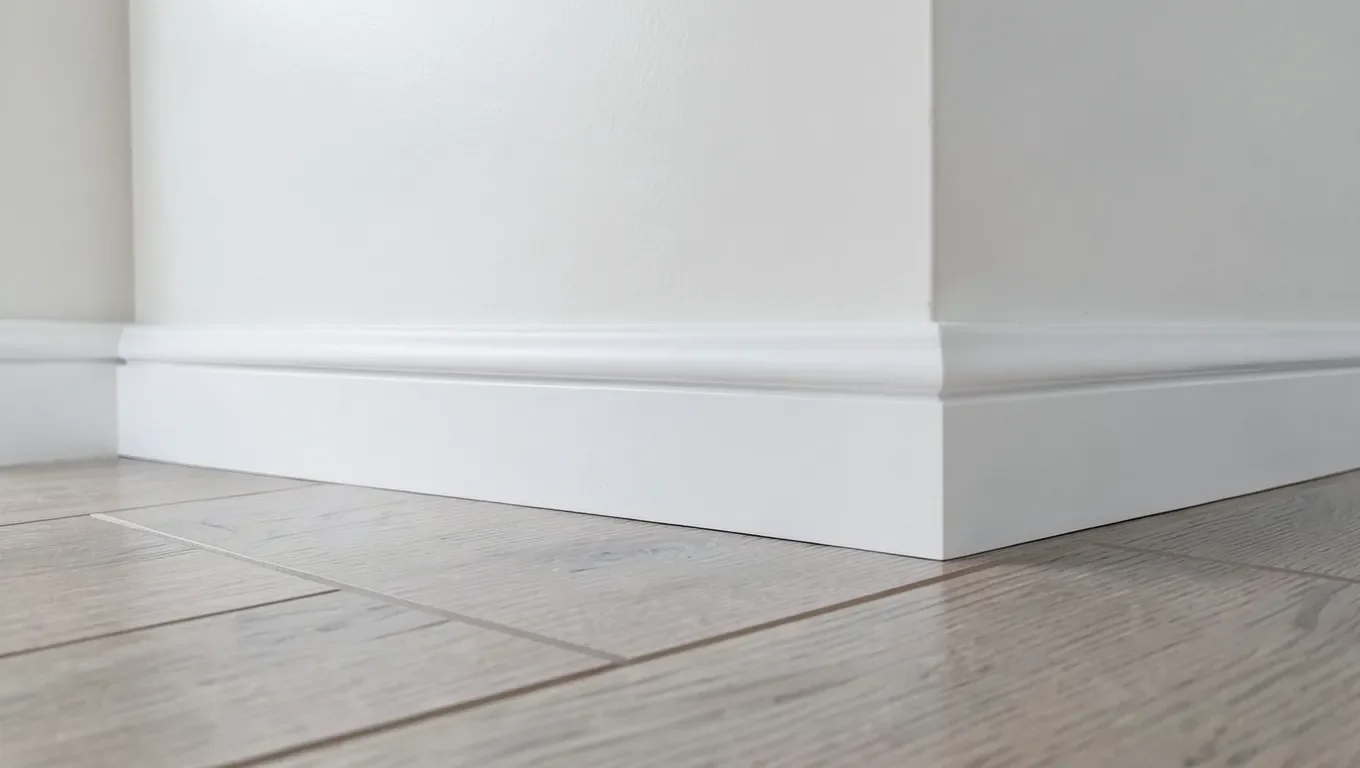
MDF baseboard is trim made from Medium Density Fiberboard – wood fibers bonded with resin under heat and pressure into a dense, smooth, knot-free sheet, then cut and primed into baseboard profiles. It’s the most common budget baseboard choice because it’s smooth, paints beautifully, and costs less than solid wood – but it has one real weakness worth knowing before you install it: standing water at the bottom edge will make it swell, and unlike solid wood, that swelling is permanent.
What MDF Baseboard Is Made Of
Best Baseboard Caulk
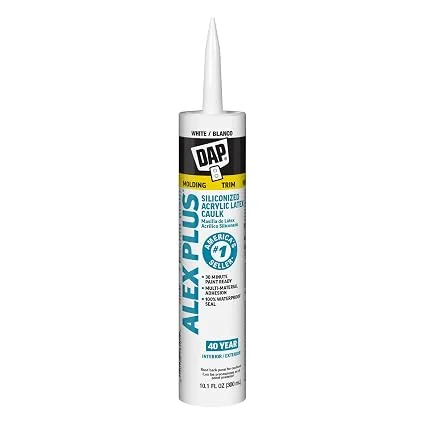 |
DAP Alex Plus Acrylic Latex Caulk – from $2.97 Seals the floor seam that’s responsible for most MDF baseboard water damage – paintable, ready in 30 minutes.
|
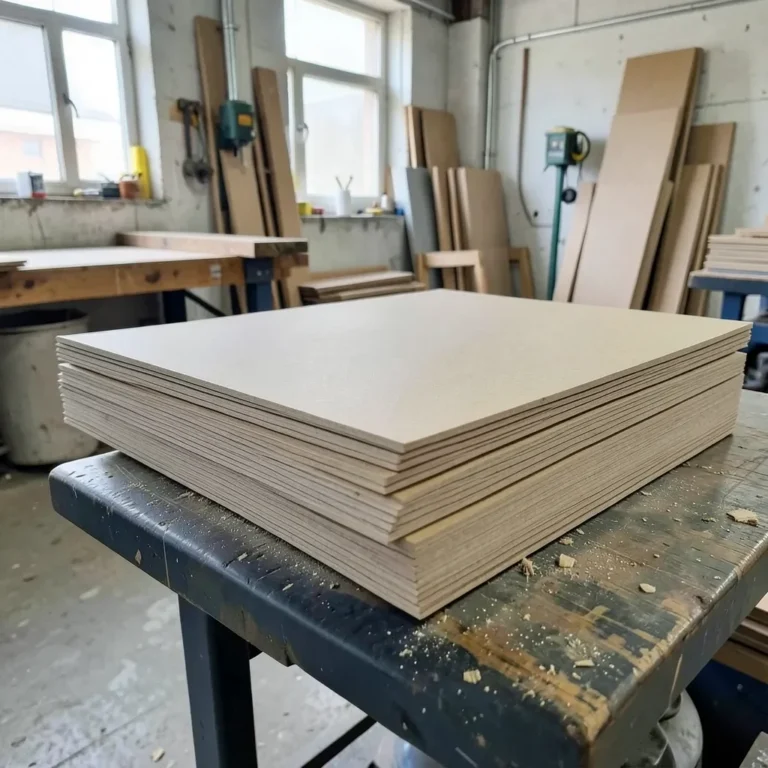
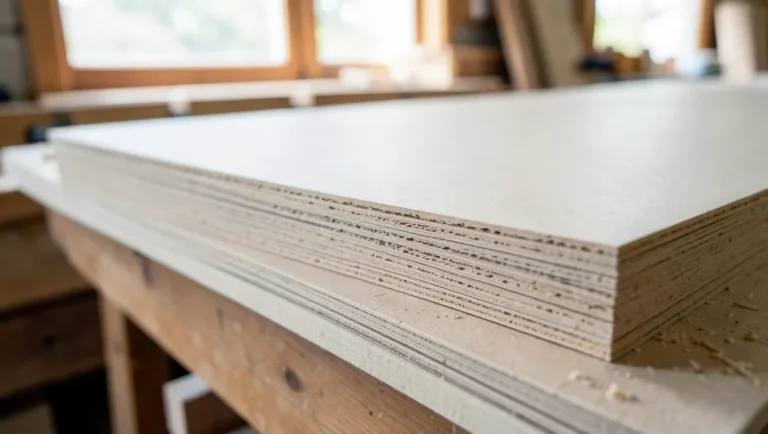
MDF (Medium Density Fiberboard) starts as wood fibers – often recycled from sawmill scraps and wood byproducts – combined with resin and wax, then pressed into flat sheets under heat and pressure. The result is dense, uniform, and free of the knots and grain patterns solid wood has, which is exactly why it takes paint so evenly. Sheets are cut into baseboard profiles and the edges are milled smooth before the boards are primed for painting.
The Real Weakness: Water, Not General Durability
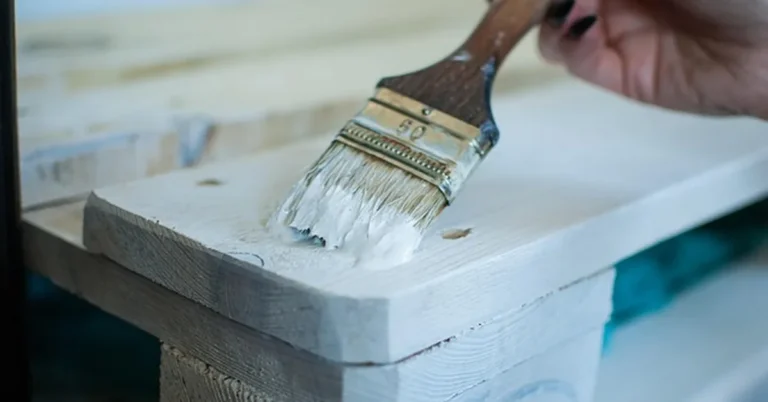
MDF baseboard handles everyday bumps, vacuum cleaners, and normal household wear just fine – it’s not fragile in daily use. The genuine, well-documented weakness is water exposure: because MDF is compressed wood fiber held together by resin, water that reaches the fibers causes them to swell, and that swelling does not reverse the way solid wood can partially recover after drying. Once MDF has absorbed enough water to swell or delaminate, that section needs to be replaced, not just dried out.
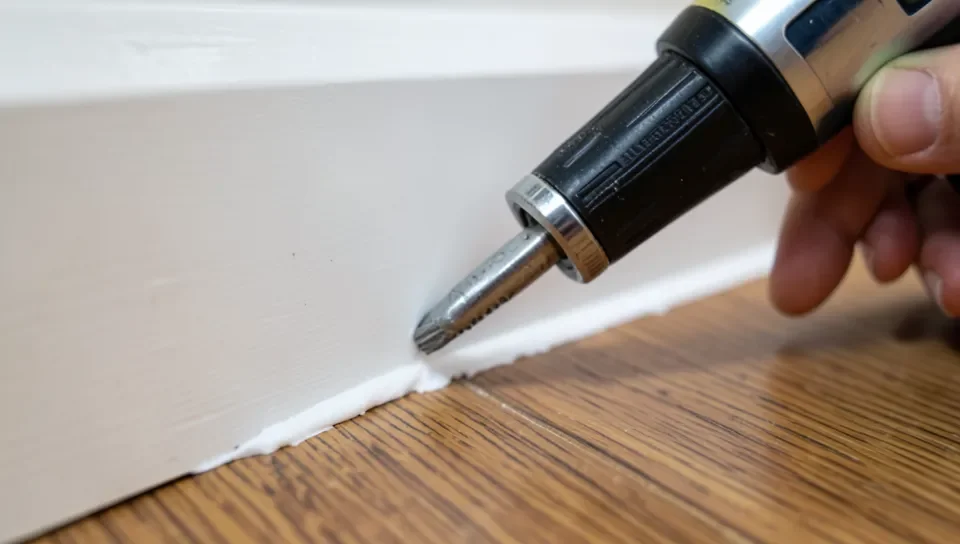
- The single most effective prevention step: caulk the seam where the baseboard meets the floor. This is the entry point for mop water, spills, and cleaning runoff, and sealing it is far more effective than trying to keep MDF perfectly dry through careful mopping habits alone.
- Avoid MDF baseboard in bathrooms, laundry rooms, and other spaces with regular standing water or high humidity – PVC or solid wood trim is the better choice there.
- Wipe up spills near the baseboard promptly rather than letting water sit against it.
Advantages Of MDF Baseboard
- Cost: Meaningfully cheaper than solid wood baseboard of the same profile.
- Paint finish: No grain or knots to show through paint, giving a smoother, more uniform painted look than most solid woods.
- Dimensional stability (in dry conditions): MDF doesn’t have wood grain, so it won’t warp or cup the way solid wood can with humidity swings – as long as it stays dry.
- Easy to work with: Cuts cleanly with standard tools and is light enough for a DIY installation.
MDF Vs. Other Baseboard Materials
- Vs. solid wood: Wood costs more and can show grain/knots through paint, but recovers better from occasional moisture and holds up better to real impacts (a dropped tool, a moved piece of furniture).
- Vs. PVC/cellular vinyl: PVC costs more than MDF but is genuinely water-resistant, making it the better choice for bathrooms and laundry rooms specifically.
- Vs. finger-jointed pine: Similar price range to MDF, real wood grain (visible unless heavily primed), and better moisture tolerance than MDF, but slightly less smooth for paint than MDF.
Maintenance
Dust regularly with a soft cloth or vacuum brush attachment. For marks, use a barely-damp cloth and dry immediately – never let water sit on the surface. Small dings can be filled with a paintable wood filler, sanded smooth, and touched up with matching paint. If a section has actually swollen from water exposure, filling and sanding won’t fully fix it – that section needs to be replaced.
Frequently Asked Questions
Is MDF Baseboard Any Good?
Yes, for the vast majority of rooms. It’s cost-effective, easy to install, and takes paint better than most solid woods. The one real caveat: avoid it in bathrooms and other consistently wet areas, and always caulk the bottom seam to protect against water.
What Are The Disadvantages Of MDF Baseboard?
The main one is water sensitivity – MDF swells permanently when it absorbs water, unlike solid wood which can partially recover. It’s also somewhat less impact-resistant than solid wood, and MDF dust from cutting should be handled with a mask and good ventilation since it can contain formaldehyde-based resin.
What Is The Best Material For Baseboards?
It depends on the room. MDF is the best value for dry living spaces where paint finish matters. PVC is the right choice for bathrooms and laundry rooms. Solid wood or finger-jointed pine suits high-traffic areas where impact resistance matters more than a perfectly smooth paint finish.
How Do I Protect MDF Baseboard From Water Damage?
Caulk the seam where the baseboard meets the floor – this is the single most effective step, since it blocks the main entry point for mop water and spills. Avoid installing MDF baseboard in bathrooms or other consistently wet rooms, and wipe up any spills near the baseboard promptly.
Conclusion
MDF baseboard is a smooth, affordable, easy-to-paint trim option that works well in most rooms of the house – as long as you respect its one real limitation. Water exposure causes permanent swelling, not the kind of damage solid wood can sometimes recover from, so caulking the floor seam and keeping it out of consistently wet rooms is the real key to getting years of good service from it.
Sponsored / affiliate links. As an Amazon Associate I earn from qualifying purchases. I may earn additional commission from eligible campaigns.