Helping Your Dog Overcome Fear of Hardwood Floors
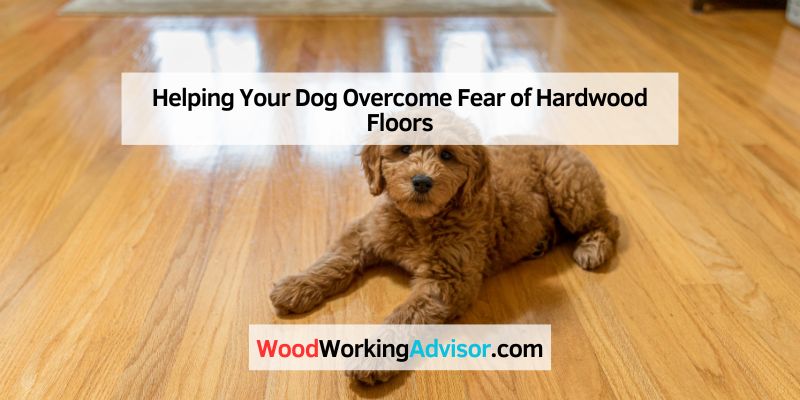
Hey there, fellow dog lover! If you’re reading this, chances are your furry friend is tiptoeing around your hardwood floors like they’re walking on hot coals. I’ve been there, and I know how heartbreaking it is to see your dog scared, confused, or slipping on those shiny surfaces. When I first installed hardwood floors in my home, my golden retriever, Max, acted like the floor was his worst enemy. He’d freeze, tremble, or scramble to the nearest rug for safety. It was tough to watch, but I learned a lot about why dogs get scared of hardwood floors and how to help them feel safe again.
In this article, I’m sharing everything I’ve discovered—practical tips, real-life experiences, and solutions that worked for me and Max. Whether you’re dealing with a skittish puppy or an older dog, I’ve got you covered with steps to make your home a fear-free zone for your pup.
Why Are Dogs Scared of Hardwood Floors?
Let’s start with the big question: why does your dog act like hardwood floors are a haunted house? From my experience with Max, I noticed a few reasons that made sense once I dug deeper. Hardwood floors are slippery, shiny, and unfamiliar compared to carpet or grass. Dogs rely on their paws for stability, and when they can’t get a good grip, it throws them off. Imagine trying to walk on an ice rink in sneakers—that’s how your dog might feel.
The reflective surface of polished hardwood can also spook them. Max would stare at his reflection like it was another dog invading his space. For some dogs, the sound of their nails clicking on the floor adds to the anxiety. It’s loud, unnatural, and can make them feel exposed. If your dog has had a bad experience, like slipping or falling, that memory sticks with them. Older dogs, like my neighbor’s 12-year-old lab, might also fear hardwood because of joint pain or reduced mobility, making them extra cautious.
Another factor? Lack of exposure. If your dog grew up on soft surfaces, hardwood is a whole new world. Puppies and rescue dogs, especially, might need time to adjust. Understanding these triggers helped me see the world through Max’s eyes, and it’s the first step to helping your dog feel at ease.
Signs Your Dog Is Scared of Hardwood Floors
How do you know if your dog is truly scared of hardwood floors? It’s not always obvious, so I’ll share some signs I noticed with Max and other dogs I’ve helped. Look for these behaviors:
- Freezing or Hesitating: Your dog stops at the edge of the hardwood, refusing to step forward.
- Trembling or Whining: They might shake, whimper, or look distressed when near the floor.
- Avoidance: Max would take the long way around to avoid crossing the kitchen floor.
- Slipping or Splaying: Their legs might slide out, making them panic or scramble.
- Tail Tucking or Low Posture: A tucked tail or crouched body shows fear or discomfort.
If you see these signs, don’t brush them off. Your dog isn’t being stubborn—they’re genuinely uncomfortable. Recognizing these behaviors early lets you step in before their fear grows worse.
Creating a Safe Environment for Your Dog
When I saw Max struggling, my first instinct was to make the hardwood floors less scary. Creating a safe space is key to helping your dog build confidence. Here’s what worked for us:
Add Non-Slip Rugs or Runners
Rugs are a game-changer. I laid down a few non-slip runners in high-traffic areas like the hallway and kitchen. These gave Max a “safe path” to move around without touching the hardwood. Choose rugs with rubber backing to prevent sliding, and make sure they’re big enough for your dog to walk comfortably. I found affordable, washable runners at my local home store, and they blended well with my decor.
Use Paw Grips or Booties
I tried paw grips—those sticky pads you put on your dog’s paws—for extra traction. Max wasn’t thrilled at first, but after a few treats, he got used to them. Dog booties are another option, though some dogs (like Max) find them annoying. If you go this route, introduce them slowly with lots of praise. Look for booties with rubber soles for grip and a snug fit to avoid slipping off.
Keep Nails Trimmed
Long nails make hardwood floors even slipperier. I noticed Max’s confidence improved after I started trimming his nails regularly. If you’re not comfortable doing it yourself, a groomer or vet can help. Short nails help your dog grip the floor better and reduce that loud clicking sound that might spook them.
Cover High-Traffic Areas
For areas where rugs don’t fit, like near doorways, I used temporary solutions like yoga mats or foam tiles. These are cheap, easy to clean, and give your dog a grippy surface to walk on. Over time, I reduced these coverings as Max got more comfortable.
Training Your Dog to Feel Confident on Hardwood
Once I made the floors less intimidating, it was time to help Max build confidence. Training takes patience, but it’s so rewarding to see your dog go from terrified to trotting happily across the room. Here’s how I approached it:
Start with Positive Reinforcement
Dogs respond to rewards, so I used treats to lure Max onto the hardwood. I’d place his favorite chicken treats just a step or two onto the floor, letting him choose to move forward. When he did, I showered him with praise and more treats. Never force your dog to walk on the hardwood—it’ll only make them more scared. Let them go at their own pace.
Take Baby Steps
I started by encouraging Max to take just one step onto the hardwood, then two, then three. Each time, I rewarded him like he’d won a gold medal. If your dog is super nervous, start by placing a treat near the edge of a rug so they only need to touch the hardwood briefly. Gradually move the treats farther out as they get braver.
Use Familiar Objects
I noticed Max felt safer when I placed his favorite blanket on the hardwood. It was like a security blanket that made the floor less alien. Try using your dog’s bed, a toy, or even your own presence to make the hardwood feel familiar. I’d sit on the floor with Max, letting him snuggle close while he got used to the surface.
Practice Short Sessions
Training sessions should be short and fun—about 5-10 minutes. I did this with Max a few times a day, always ending on a positive note. If your dog seems stressed, stop and try again later. Consistency is key, but don’t push too hard.
Tools and Products to Help Your Dog
Over time, I discovered some products that made a big difference for Max. Here’s a quick rundown of what I found helpful, along with a table to compare options:
| Product | Pros | Cons | Where to Find |
|---|---|---|---|
| Non-Slip Rugs/Runners | Affordable, stylish, easy to clean, provide safe paths | May not cover all areas, need non-slip backing | Home Depot, Amazon, Target |
| Paw Grips | Improve traction, easy to apply, reusable | Some dogs dislike them, may wear off quickly | Pet stores, Amazon |
| Dog Booties | Great for traction, protect paws, durable | Dogs may resist wearing, can be pricey | Chewy, Petco, Amazon |
| Anti-Slip Floor Spray | Adds grip to hardwood, invisible, long-lasting | Requires reapplication, may not work for all floors | Specialty pet retailers, online |
| Foam Mats/Yoga Mats | Cheap, portable, easy to store | Less durable, may not match decor | Walmart, Amazon, sporting goods stores |
I found paw grips and rugs to be the most practical for daily use. Anti-slip sprays are great for small areas but need regular reapplication. Test a few options to see what your dog likes best.
Addressing Underlying Issues
Sometimes, fear of hardwood floors isn’t just about the surface. When Max was still hesitant after weeks of training, I wondered if something else was going on. Here’s what I learned:
Check for Physical Discomfort
Older dogs or those with arthritis might avoid hardwood because it hurts to walk on. I took Max to the vet to rule out joint issues. If your dog is limping, favoring one leg, or seems stiff, a vet visit is a must. They might recommend supplements, like glucosamine, or a softer bed to ease discomfort.
Build Overall Confidence
Some dogs are just naturally anxious. Max was a rescue, and his early life made him wary of new things. I worked on his overall confidence by playing games, teaching new tricks, and exposing him to different environments. A confident dog is less likely to fear hardwood floors.
Consider Past Trauma
If your dog had a bad fall or scare on a hard surface, that memory could be the root of their fear. Be extra patient with these pups. I found that creating positive experiences, like playing fetch on a rug-covered hardwood floor, helped Max overwrite those bad memories.
Long-Term Strategies for Success
Helping your dog conquer their fear is a journey, not a sprint. Here are some long-term strategies that kept Max comfortable:
Gradual Exposure
Over months, I slowly reduced the number of rugs in the house, exposing more hardwood as Max gained confidence. I’d remove one runner at a time, watching his reaction. If he seemed nervous, I’d slow down. This gradual approach helped him adjust without feeling overwhelmed.
Maintain a Routine
Dogs love routine. I made sure Max’s daily walks, meals, and playtime happened in areas with hardwood, so he associated the floor with good things. Feeding him on a rug near the kitchen floor was a great way to ease him in.
Keep Floors Clean
Slippery floors are scarier when they’re dirty. I noticed Max slipped more when the hardwood had dust or pet hair. Regular cleaning with a pet-safe floor cleaner kept the surface grippy and safe. Avoid waxy polishes that make floors slick.
Monitor Progress
I kept a little journal to track Max’s progress. Noting when he crossed the hardwood without hesitation or played in the kitchen helped me see how far he’d come. It’s motivating to look back and see small victories!
When to Seek Professional Help
If you’ve tried everything and your dog is still terrified, it might be time for extra help. I reached out to a dog trainer when Max’s fear didn’t budge after a month. A certified trainer or behaviorist can assess your dog’s specific needs and create a tailored plan. Look for someone with experience in fear-based behaviors. Your vet can also recommend calming supplements or medications if anxiety is severe.
Conclusion
Watching your dog tremble at the sight of hardwood floors can feel overwhelming, but trust me, there’s hope. With patience, love, and the right strategies, you can help your pup feel safe and confident in your home. From laying down rugs to using positive reinforcement, every small step counts. Max went from avoiding the kitchen to zooming across it for treats, and I know your dog can get there too. Take it one day at a time, celebrate the little wins, and soon, your furry friend will be strutting across those hardwood floors like they own the place. You’ve got this, and your dog is lucky to have you!
FAQs
Why does my dog slip on hardwood floors?
Your dog slips because hardwood is smooth and lacks the grip of carpet or grass. Long nails, weak muscles, or polished floors can make it worse. Try trimming their nails, adding rugs, or using paw grips for better traction.
How can I make my hardwood floors less slippery for my dog?
Add non-slip rugs or runners, use paw grips or booties, and keep the floor clean. Anti-slip sprays or mats can also help. Regular nail trims make a big difference too.
Can older dogs overcome fear of hardwood floors?
Yes, older dogs can learn to feel comfortable, but it takes patience. Check for joint pain or mobility issues with a vet, and use rugs or training to build confidence slowly.
How long will it take for my dog to get used to hardwood floors?
It depends on your dog’s personality and past experiences. Some adapt in days, others take months. Consistent training, positive reinforcement, and a safe environment speed things up.
Should I force my dog to walk on hardwood floors?
Never force them—it can worsen their fear. Instead, use treats, rugs, and gentle encouragement to help them explore at their own pace.