Drywood Termite Vs Subterranean: Key Differences You Must Know
Are you worried about termites damaging your home? Knowing the difference between drywood termites and subterranean termites can save you time, money, and stress.
These tiny pests may look similar, but they act in very different ways. Understanding how each type works helps you protect your property more effectively. Keep reading to discover the key differences and learn how to spot the signs before it’s too late.
Your home’s safety depends on it.
Drywood Termite Traits
Drywood termites differ from subterranean ones in many ways. Their traits help identify them quickly. Understanding these traits helps protect homes from damage.
Drywood termites live and feed inside dry wood. They do not need contact with soil. Their unique features and signs make them easy to spot.
Habitat And Nesting
Drywood termites build nests inside dry, sound wood. They prefer wood with low moisture. These termites live in furniture, wooden beams, and roof structures. They do not require soil for their colonies. Their colonies are smaller than subterranean termite colonies. They create tunnels inside the wood to move and feed.
Physical Features
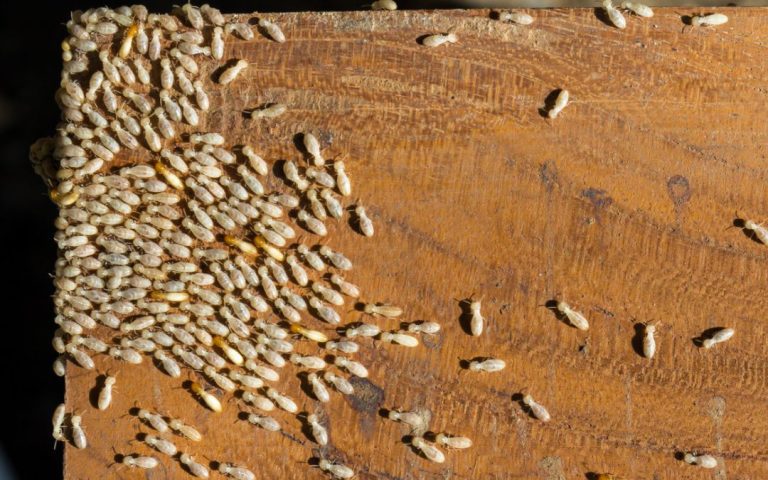
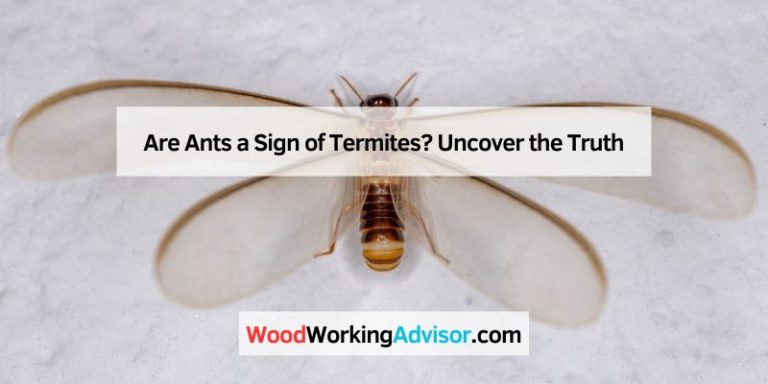
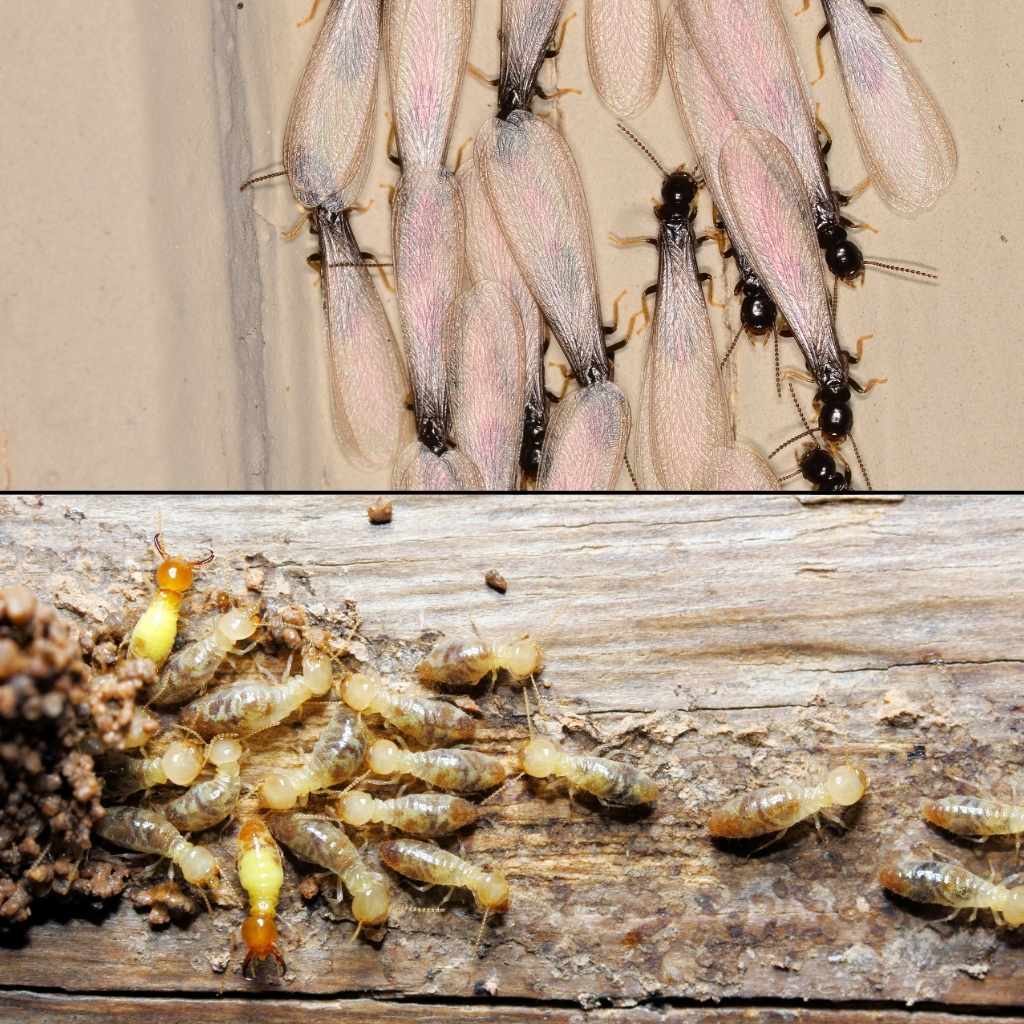
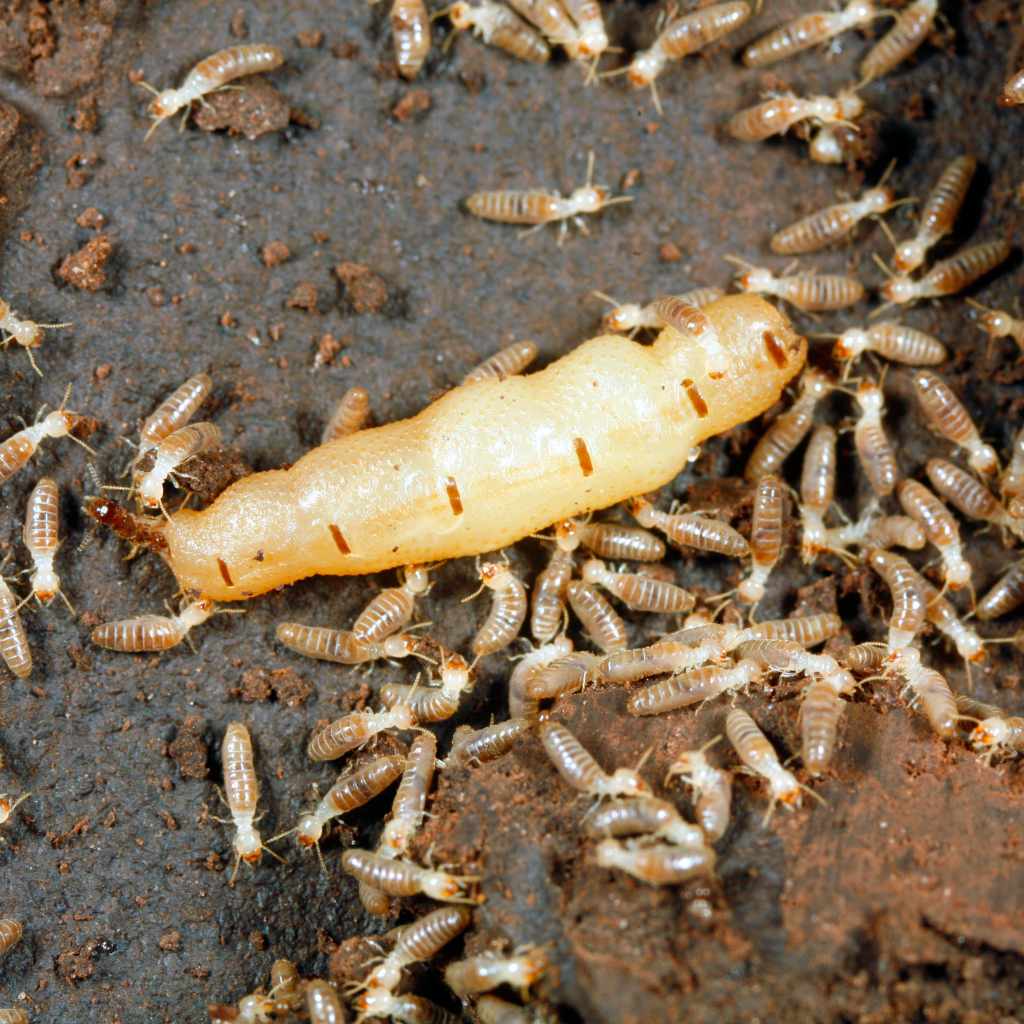
Drywood termites are light brown or cream colored. They have straight antennae with uniform segments. Their bodies are soft and smooth. Soldiers have large, strong jaws for defense. Unlike subterranean termites, they have no wings unless they are swarmers. Swarmers have two pairs of equal-length wings that shed after flight.
Signs Of Infestation
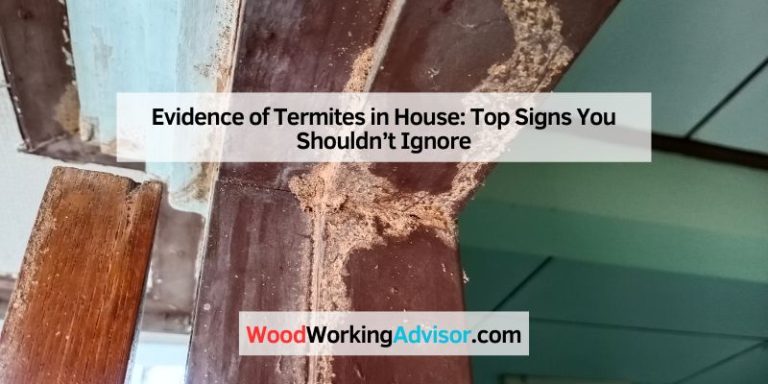
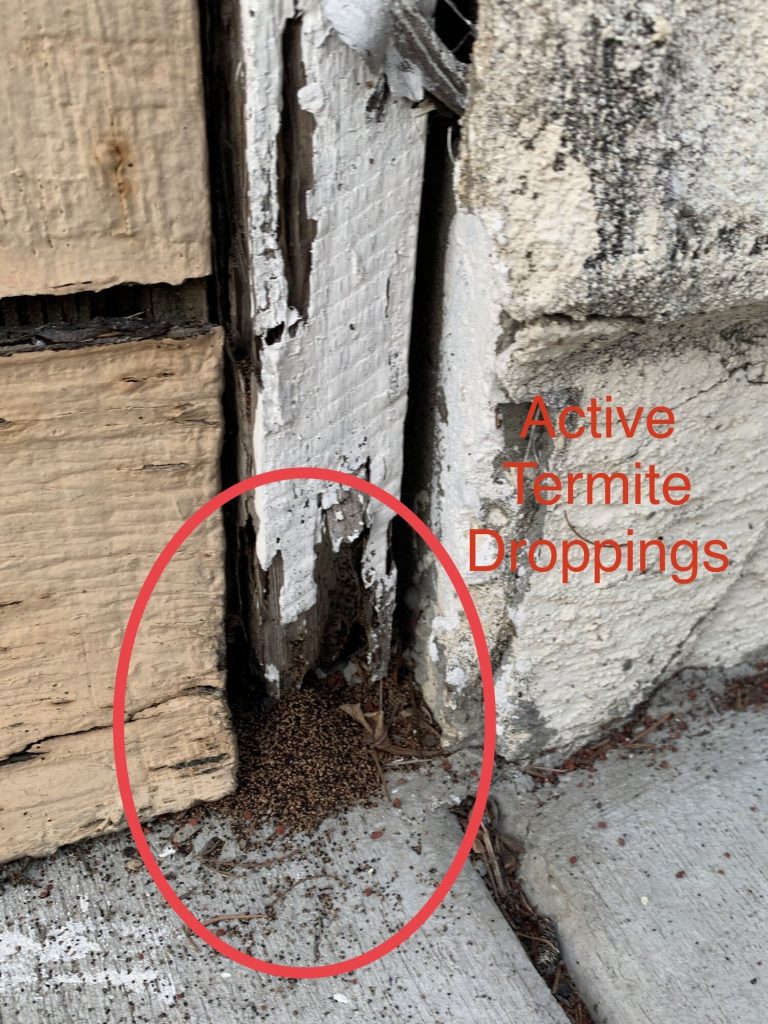
Look for tiny holes on wood surfaces. These holes are exit points for swarmers. You may see small piles of dry, wood-like pellets called frass. Frass falls from the wood near the exit holes. Wood may sound hollow when tapped. Cracks and blistering on wood surfaces can also appear.
Subterranean Termite Traits
Subterranean termites are one of the most common termite types causing damage worldwide. Understanding their traits helps in early detection and control. These termites have unique habits and features different from drywood termites.
Habitat And Nesting
Subterranean termites live underground in large colonies. They build nests in soil and connect to wood through mud tubes. These tubes protect termites from air and predators while they travel. The nests can be found near foundations, trees, and wood piles.
Physical Features
These termites are small, usually about 1/4 inch long. Their bodies are soft and cream-colored. Worker termites have straight antennae and no wings. Soldier termites have large heads with strong jaws for defense. Swarmers have wings and are darker, ready to start new colonies.
Signs Of Infestation
Look for mud tubes on walls, wooden beams, or floors. Wood may sound hollow when tapped. You might see damaged wood with tunnels inside. Swarmers or discarded wings near windows and doors also indicate an infestation. Early signs can prevent costly repairs.
Behavioral Differences
Understanding the behavioral differences between drywood and subterranean termites helps in identifying and controlling them. These differences affect how they feed, build colonies, and survive. Each species adapts to its environment in unique ways. Knowing these traits makes pest control more effective.
Feeding Patterns
Drywood termites eat wood directly and live inside it. They create smooth tunnels and leave little debris. Subterranean termites eat wood but need contact with soil. They build mud tubes to reach wood above ground. Their feeding often causes more hidden damage.
Colony Structure
Drywood termite colonies are small and live inside the wood. They do not need soil and spread slowly. Subterranean termite colonies are large and complex. They live underground and send many workers to find food. Their colonies grow quickly and can damage many areas.
Moisture Requirements
Drywood termites survive in dry wood with low moisture. They get water from the wood itself. Subterranean termites need high moisture levels. They stay near soil or water sources to survive. This need makes them more common in damp places.
Damage Patterns
Damage caused by drywood termites and subterranean termites shows distinct patterns. Understanding these patterns helps identify which termite type affects your property. Each type targets wood differently and leaves unique signs behind.
Recognizing these damage patterns early can save money and prevent serious harm to your home structure.
Wood Damage Characteristics
Drywood termites create smooth galleries inside dry wood. These tunnels run along the grain and look clean. They push out small, hard pellets called frass. You might find this frass near windows or doors.
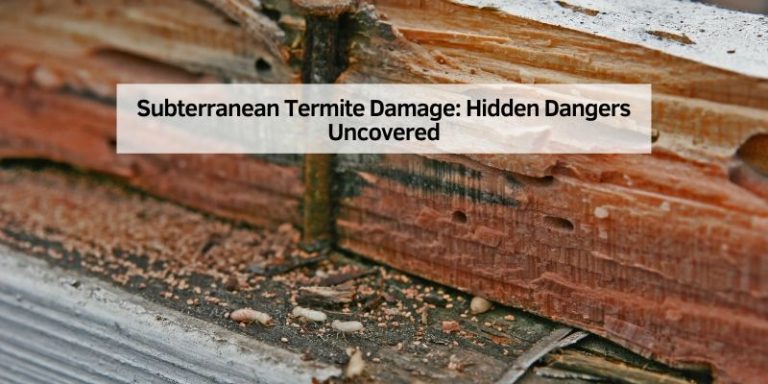
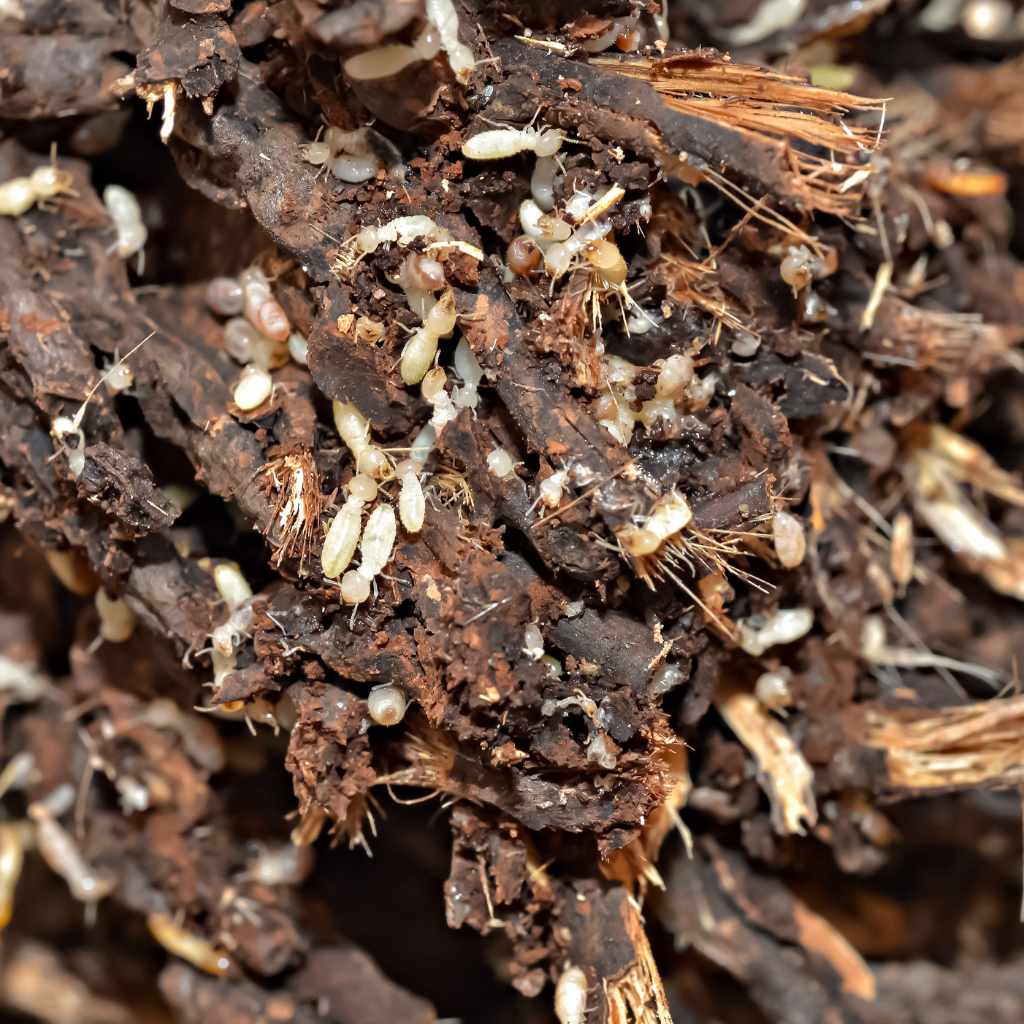
Subterranean termites eat wood from the inside out. Their damage often looks rough and uneven. They leave mud tubes on walls or foundations. These tubes protect them as they travel between soil and wood.
Structural Impact
Drywood termite damage mainly affects furniture and dry wood pieces. It rarely weakens the foundation. Damage grows slowly but can ruin wooden items over time.
Subterranean termites cause more serious structural issues. They attack support beams and foundations. This damage can lead to costly repairs and unsafe buildings.
Damage Detection Tips
Look for tiny holes and wood dust near drywood termite activity. Tap wood to check for hollow sounds. Inspect furniture and window frames carefully.
For subterranean termites, watch for mud tubes on walls and foundations. Check wood for soft spots or crumbling areas. Use a screwdriver to test wood firmness.
Treatment Options
Treatment options for drywood termite and subterranean termite infestations vary. Each type of termite has unique habits. This requires different approaches to control and eliminate them. Understanding these treatment methods helps protect your home effectively.
Preventive Measures
Keep wood dry and well-ventilated. Termites thrive in moist environments. Use treated wood for building and repairs. Seal cracks and holes in your home’s foundation. Remove wood debris near your house. These steps reduce termite access and nesting.
Chemical Treatments
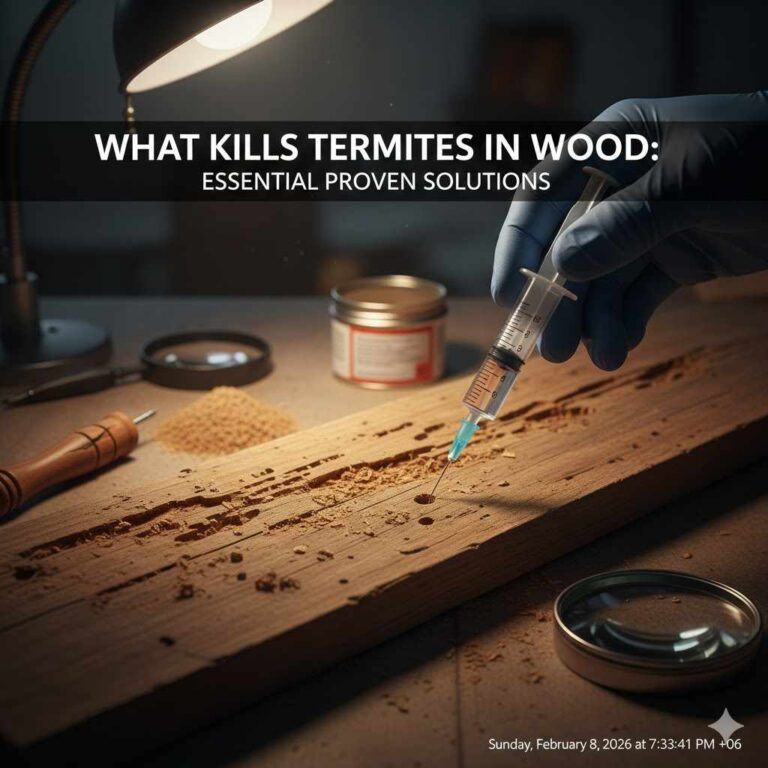
Termiticides are chemicals used to kill termites. For subterranean termites, apply liquid termiticides around the foundation. This creates a barrier that stops termites from entering. For drywood termites, use termite foams or dust inside wood. Treat infested wood carefully to avoid damage.
Professional Pest Control
Experts have tools and knowledge to handle termites. They inspect your property thoroughly. They choose the right treatment based on termite type and infestation level. Professionals can use fumigation for drywood termites. They also apply soil treatments for subterranean termites. Hiring experts ensures safer and more effective results.
Cost Implications
Termite infestations can cause serious damage to homes. The costs vary depending on the termite type. Drywood termites and subterranean termites differ in how they affect your property. These differences influence repair expenses, treatment costs, and long-term prevention needs. Understanding these cost implications helps homeowners plan better.
Repair Expenses
Drywood termites usually damage wood inside walls and furniture. Repairing this damage can be costly because it often requires removing and replacing wood structures. Subterranean termites attack wood near the ground and inside foundations. Their damage can weaken a house’s structure, leading to expensive foundation repairs. Subterranean termite damage tends to be more extensive and costly to fix.
Treatment Costs
Treating drywood termites often involves localized fumigation or spot treatments. These treatments focus on specific areas, which can lower costs. Subterranean termite treatment requires soil treatment and sometimes baiting systems around the home. These methods cover larger areas and can cost more. Choosing the right treatment depends on the termite type and infestation size.
Long-term Prevention
Preventing drywood termites means regular inspections and sealing wood surfaces. This approach is less expensive but requires ongoing effort. Subterranean termites need barriers and soil treatments to stop reinfestation. These prevention methods often involve higher upfront costs but reduce future damage risks. Both types need vigilance to protect your home long-term.
Frequently Asked Questions
What Is The Main Difference Between Drywood And Subterranean Termites?
Drywood termites live inside dry wood, needing less moisture. Subterranean termites build colonies underground and require soil contact for moisture.
How Can I Identify Drywood Termite Damage?
Drywood termite damage includes hollowed-out wood with smooth galleries and tiny holes. You might also see dry fecal pellets near infested areas.
Do Subterranean Termites Cause More Damage Than Drywood Termites?
Subterranean termites usually cause more extensive damage as their colonies are larger. They consume wood quickly and can affect entire structures.
What Treatment Is Best For Drywood Termite Infestations?
Fumigation and localized heat treatments effectively eliminate drywood termites. Spot treatments work well due to their limited colony size inside wood.
Conclusion
Drywood termites live inside wood, causing hidden damage. Subterranean termites need soil and build tunnels to reach wood. Both types harm homes but act differently. Knowing their habits helps protect your property. Regular checks can catch problems early. Use safe treatments to stop termites fast.
Stay alert for signs like mud tubes or hollow wood. Protect your home by acting quickly against any termite threat.