Enameled Wood Vs Plastic Toilet Seat: The Best Proven Pick
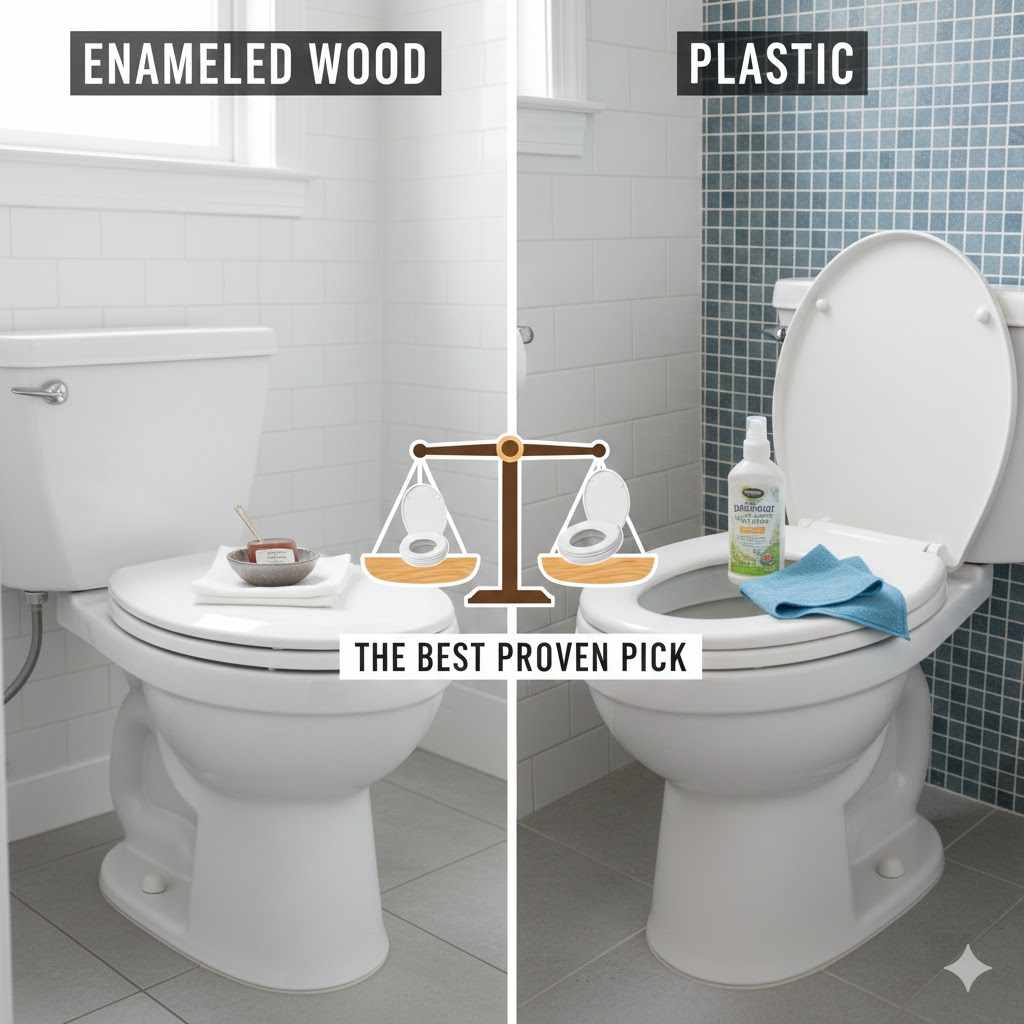
For most homes, an enameled wood toilet seat is the best proven pick. It offers superior durability, a warmer and more comfortable feel, and a sturdy, high-quality look that plastic often lacks. While plastic seats can be cheaper initially, the long-lasting craftsmanship of enameled wood provides better value and performance over time.
Hello there! It’s Md Meraj, your friendly woodworking guide. Today, we’re stepping out of the workshop and into the bathroom to solve a classic home improvement puzzle. You need a new toilet seat, and you’re faced with two main choices: enameled wood and plastic.
It seems simple, but this choice affects comfort, durability, and even the look of your bathroom for years to come. Many folks get stuck here, worrying about which one will crack, stain, or feel cheap.
Don’t worry, I’m here to help you sort it out. We’re going to look at both materials with a craftsman’s eye. We’ll break down everything you need to know, from how they feel to how they hold up to daily use. By the end of this guide, you’ll have the confidence to choose the perfect toilet seat for your home, knowing you made a smart, lasting decision. Let’s get started!
What is an Enameled Wood Toilet Seat?
As a woodworker, I have a soft spot for enameled wood. It’s a product that combines the natural strength of wood with a modern, protective finish. Think of it as the best of both worlds. It feels solid and dependable because, at its core, it’s made from real wood fibers.
How It’s Made
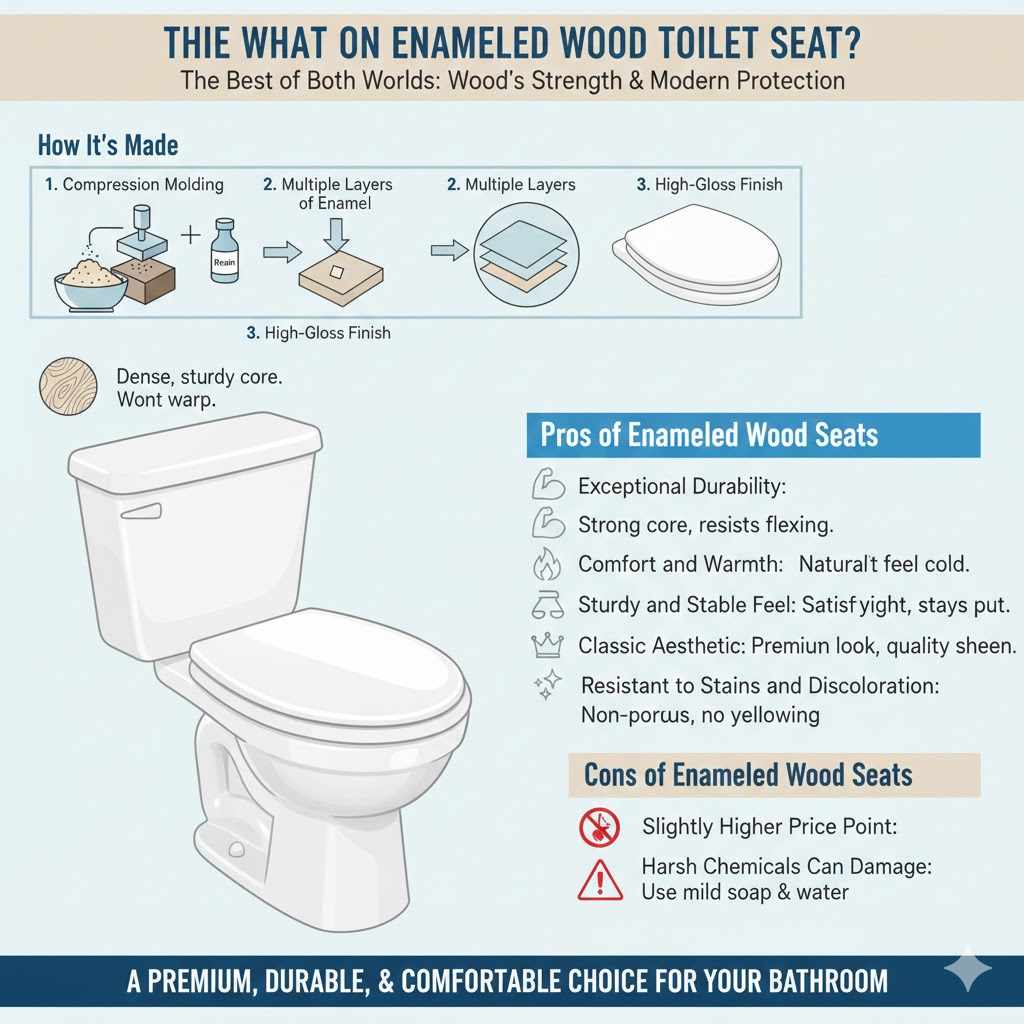
Making an enameled wood seat is a fascinating process. It starts with wood fibers or sawdust, which are byproducts of other woodworking projects. These fibers are mixed with a strong resin and then compression molded under intense heat and pressure. This creates a dense, sturdy core that is much stronger than a single piece of wood. It won’t warp or split like natural timber might in a humid bathroom environment. Once the core is shaped, it’s coated with multiple layers of a hard, durable enamel paint and sealed with a high-gloss finish. This protective shell is what makes it waterproof, smooth, and easy to clean.
Pros of Enameled Wood Seats
- Exceptional Durability: The molded wood core is incredibly strong and resistant to flexing or cracking under weight. It feels substantial and secure.
- Comfort and Warmth: Wood is a natural insulator. Unlike plastic, it doesn’t feel cold to the touch, which is a big comfort advantage during chilly mornings.
- Sturdy and Stable Feel: An enameled wood seat has a satisfying weight to it. It stays put and doesn’t wiggle or shift, providing a sense of stability.
- Classic Aesthetic: These seats offer a premium, classic look that complements many bathroom styles, from traditional to modern farmhouse. The finish is smooth and has a quality sheen.
- Resistant to Stains and Discoloration: The high-quality enamel finish is non-porous and resists stains from cleaning agents or other spills. It also doesn’t yellow over time like some plastics can.
Cons of Enameled Wood Seats
- Can Chip if Struck Hard: While the enamel is tough, a sharp, heavy impact (like dropping the lid repeatedly or hitting it with a hard object) can cause it to chip or crack, exposing the wood core.
- Slightly Higher Price Point: Generally, enameled wood seats cost a bit more upfront than basic plastic models due to the more complex manufacturing process and materials.
- Harsh Chemicals Can Damage the Finish: Using abrasive cleaners or harsh chemicals like bleach can dull or damage the enamel finish over time. It’s best to use mild soap and water. You can find safe product recommendations on the EPA’s Safer Choice website.
What is a Plastic Toilet Seat?
Plastic toilet seats are the most common choice you’ll find in homes and stores today. They are lightweight, affordable, and come in a huge variety of styles. The word “plastic” covers a few different materials, and knowing which one you’re looking at can make a big difference in quality.
Common Types of Plastic
Not all plastic seats are created equal. The two most common types you’ll encounter are Thermoplastic and Thermoset.
- Thermoplastic (Polypropylene): This is the most common and budget-friendly type of plastic. It’s lightweight and very flexible, making it nearly unbreakable. However, this flexibility can also make it feel flimsy, and it’s more prone to scratching and staining.
- Thermoset (Duroplast): This is a higher-quality, more rigid type of plastic. It feels more substantial and is highly scratch-resistant, almost like ceramic. It’s less flexible than thermoplastic, which makes it feel sturdier, but it can crack under a severe impact.
Pros of Plastic Seats
- Affordability: Basic plastic models are often the least expensive option, making them a great choice for budget-conscious updates or rental properties.
- Easy to Clean: Plastic is non-porous, so it’s naturally resistant to stains and very easy to wipe clean. Many models come with quick-release hinges for deep cleaning.
- Variety of Features: The world of plastic seats includes many modern features, like slow-close lids (which prevent slamming), integrated child seats, and bidet functions.
- Lightweight: Their light weight makes them very easy to handle during installation.
- Chemical Resistance: Most plastic seats hold up well to a wide range of standard bathroom cleaners without damaging the finish.
Cons of Plastic Seats
- Can Feel Flimsy and Cheap: Cheaper thermoplastic models can flex and creak under weight, which doesn’t inspire much confidence.
- Feels Cold to the Touch: Plastic quickly adopts the ambient temperature of the room, meaning it often feels cold and unwelcome.
- Prone to Scratches: Softer plastics, especially polypropylene, can scratch easily, and these scratches can trap dirt and bacteria.
- Potential for Discoloration: Over time, some lower-quality plastics can yellow due to sun exposure or reactions with cleaning chemicals.
Head-to-Head Comparison: The Key Differences
When you put them side-by-side, the differences become clear. It’s not just about looks; it’s about how each material performs in the key areas that matter for a toilet seat. To make it simple, let’s break it down in a table.
| Feature | Enameled Wood | Plastic |
|---|---|---|
| Durability | Very strong and rigid core, feels substantial. Can chip if hit hard. | Varies. Thermoplastic is flexible and won’t crack but can feel flimsy. Thermoset is rigid but can crack under impact. |
| Comfort | Feels warmer to the touch. Heavy and stable, no flexing. | Often feels cold. Can flex and shift, especially cheaper models. |
| Cleaning & Hygiene | Smooth, non-porous enamel is easy to clean. Harsh chemicals can damage the finish. | Very easy to clean and resistant to most chemicals. Softer plastic can scratch, trapping dirt. |
| Aesthetics | Classic, high-quality look with a satisfying heft and shine. | Modern and sleek. Available in many colors and styles, but can look less premium. |
| Weight | Heavier, which adds to its sturdy feel. | Lightweight, which can make it feel less secure. |
| Cost | Mid-range to premium price. Excellent long-term value. | Budget-friendly to mid-range. Great for affordability. |
| Features | Generally focused on core quality. Slow-close is common. | Often comes with extra features like quick-release, nightlights, and integrated child seats. |
Durability and Longevity: Which One Lasts Longer?
As someone who works with materials every day, durability is always on my mind. You want a toilet seat that will last, not one you have to replace every couple of years. Here, enameled wood truly shines.
The compressed wood core of an enameled seat is incredibly dense and rigid. It can handle significant weight without any bending or groaning. This structural integrity means the hinges are less likely to loosen over time from the seat flexing. The biggest vulnerability, as mentioned, is chipping the enamel. However, this usually only happens from accidental misuse, like dropping heavy items on it. With normal care, an enameled wood seat can easily last a decade or more, looking great the whole time.
Plastic seats have a more complicated durability story. A cheap thermoplastic seat might never crack because it’s so flexible, but that same flexibility is its weakness. Over time, it can lead to the hinges loosening or the seat itself warping slightly. A higher-end thermoset plastic seat is much more rigid and scratch-resistant, closer in feel to enameled wood. It offers excellent longevity, but it lacks the inherent strength of a wood core and can crack from a sharp impact.
In the long run, enameled wood’s robust construction generally gives it the edge for a long, trouble-free life.
Comfort: A Surprising Deciding Factor
You might not think “comfort” is the first word that comes to mind with toilet seats, but it makes a huge difference in daily life. This is another area where enameled wood has a distinct advantage.
The primary factor is temperature. Wood is a poor conductor of heat, which means it doesn’t draw heat away from your body quickly. This is why it feels “warmer” or more room-temperature to the touch. Plastic, on the other hand, is a better conductor, so it feels colder and can deliver a bit of a shock on a cool morning. This small detail adds a touch of everyday luxury.
The second factor is sturdiness. The weight and rigidity of an enameled wood seat provide a feeling of complete stability. It doesn’t shift, wiggle, or creak when you sit down. A lightweight plastic seat, especially a flexible one, can sometimes feel less secure, which can be subconsciously unsettling.
Cleaning and Hygiene: The Practical Side
Nobody enjoys cleaning the bathroom, so a toilet seat that makes the job easier is a big win. Both materials perform well here, but with different considerations.
Plastic seats are champions of easy cleaning. The material is completely non-porous, and most plastics stand up to almost any bathroom cleaner you can throw at them. Many plastic seats now feature quick-release hinges. With the push of a button or the flip of a latch, you can lift the entire seat off the bowl for easy, thorough cleaning. This is a fantastic feature for maintaining a truly hygienic bathroom.
Enameled wood is also very easy to clean. The smooth, glossy finish is just as non-porous as plastic, so wiping it down is a breeze. The main rule is to avoid abrasive powders or harsh chemicals (like undiluted bleach or drain cleaners) that could scratch or eat away at the enamel. Mild soap and water or a gentle, all-purpose cleaner is all you need. While it requires slightly gentler care, it’s not difficult to maintain and is excellent at resisting stains and odors.
Aesthetics and Style: Matching Your Bathroom Décor
A toilet seat is a finishing touch for your bathroom’s design. It can either blend in seamlessly or look like a cheap afterthought.
Enameled wood seats lend a sense of quality and permanence. Their weight and solid profile look and feel more like a piece of furniture than a simple utility item. The high-gloss finish provides a clean, classic look that works beautifully in traditional, transitional, or even minimalist modern bathrooms. It signals craftsmanship and attention to detail.
Plastic seats offer more versatility in design. You can find them in a vast array of colors to match bold bathroom décor. Their lines can be sleeker and more modern. While a high-quality thermoset plastic seat can look very sharp, the more common, cheaper models can sometimes detract from an otherwise well-designed bathroom, looking a bit flimsy or temporary.
Installation: Is One Easier Than the Other?
Good news for all the DIYers out there! When it comes to installation, there is almost no difference between enameled wood and plastic. The process is straightforward and beginner-friendly, regardless of the material. Most modern toilet seats use a simple two-bolt system. Here’s a quick overview of the steps:
- Remove the Old Seat: Look for plastic caps at the back of your current seat. Pop them open to reveal the bolt heads. Use a screwdriver to hold them in place while you unscrew the nuts from underneath the toilet bowl rim. Once the nuts are off, you can lift the old seat away.
- Clean the Area: This is the perfect time to give that hard-to-reach area on the toilet bowl a thorough cleaning.
- Position the New Bolts: Insert the new bolts that came with your seat through the holes in the toilet bowl.
- Attach the New Seat: Place the new toilet seat onto the bolts. From underneath, hand-tighten the nuts.
- Align and Tighten: Adjust the seat so it is perfectly centered on the bowl. Once you’re happy with the position, use your screwdriver and wrench to tighten the nuts fully. Be careful not to overtighten, as this can crack the porcelain. You want it snug and secure, not strained.
Whether it’s a heavy wood seat or a light plastic one, the steps are the same. You can tackle this project with confidence in under 15 minutes.
My Final Verdict as a Woodworker
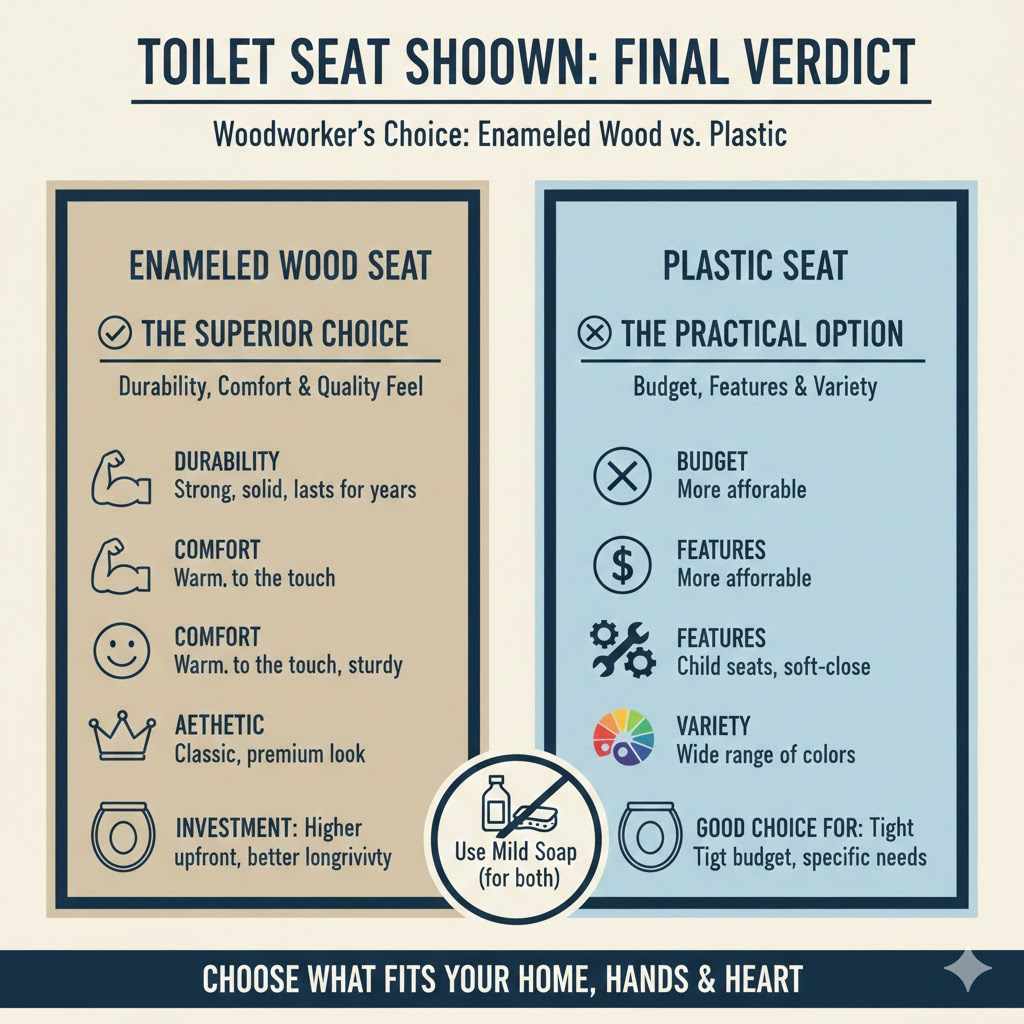
After weighing all the factors, I have to stand by my craft. For most homes, I believe the enameled wood toilet seat is the superior choice.
It wins on the points that matter most for long-term satisfaction: durability, comfort, and a quality feel. It feels like a permanent, well-made part of your home. While the initial cost might be slightly higher, its longevity makes it a better investment. It’s a small upgrade that adds a touch of daily comfort and class to your bathroom.
However, that doesn’t mean plastic is a bad choice! A high-quality thermoset plastic seat can be a fantastic, durable option. And if you’re looking for specific features like a built-in child seat, or if you’re on a tight budget, a good plastic seat is the perfect practical solution.
My advice is this: If you value a sturdy, comfortable, and classic feel, choose enameled wood. If your priority is budget, modern features, or a wide color selection, a good-quality plastic seat will serve you well.
Frequently Asked Questions (FAQ)
Do enameled wood toilet seats stain?
No, a quality enameled wood seat has a non-porous finish that is highly resistant to staining. As long as you clean up spills promptly and use non-abrasive cleaners, it will maintain its color and finish for many years.
Which toilet seat material is most hygienic?
Both enameled wood and plastic are non-porous and hygienic when kept clean. However, cheaper plastic seats can scratch more easily, and these scratches can harbor bacteria. High-quality thermoset plastic and enameled wood are equally hygienic choices.
Are plastic toilet seats always flimsy?
Not at all. While basic thermoplastic seats are very flexible, higher-end thermoset (or Duroplast) seats are rigid, scratch-resistant, and feel very solid. If you prefer plastic, look specifically for a thermoset model for a sturdier feel.
Can I use bleach to clean an enameled wood seat?
It’s best to avoid using straight bleach or harsh, abrasive cleaners on an enameled wood seat. These can dull or damage the glossy finish over time. Stick to mild soap and water or gentle, all-purpose bathroom cleaners for the best results.
How do I know what size toilet seat to buy?
There are two standard toilet bowl shapes in the US: round and elongated. To find out which you have, measure from the center of the seat bolts at the back to the very front edge of the bowl. A round bowl will measure about 16.5 inches, while an elongated bowl will measure about 18.5 inches. Reputable sources like The Home Depot have excellent guides with diagrams to help you measure correctly.
Which type of seat is better for a family with kids?
This can go either way. An enameled wood seat’s durability can stand up to rough use, and slow-close models prevent slammed lids. On the other hand, some plastic seats come with a built-in potty training ring, which is incredibly convenient for families with young children. Choose based on your primary need: extreme durability (wood) or kid-friendly features (plastic).
Conclusion: Making the Right Choice for Your Home
Choosing a new toilet seat might seem like a small detail, but it’s a decision you’ll live with every single day. By understanding the core differences between enameled wood and plastic, you’re now equipped to make a choice that goes beyond just price. You’re choosing for comfort, for durability, and for the overall feel of your bathroom.
Think about what matters most to you. Is it the warm, solid feel of a well-crafted wood seat? Or the practical, feature-rich nature of a modern plastic one? There is no single “wrong” answer, but by focusing on quality materials, you can ensure your choice is a lasting one.
Whatever you decide, I hope this guide has given you the confidence to pick the perfect seat and install it yourself. It’s these small, successful projects that make a house feel truly like a home.