Solid Wood Interior Doors: Real Benefit Is Sound, Not ‘Energy Savings’
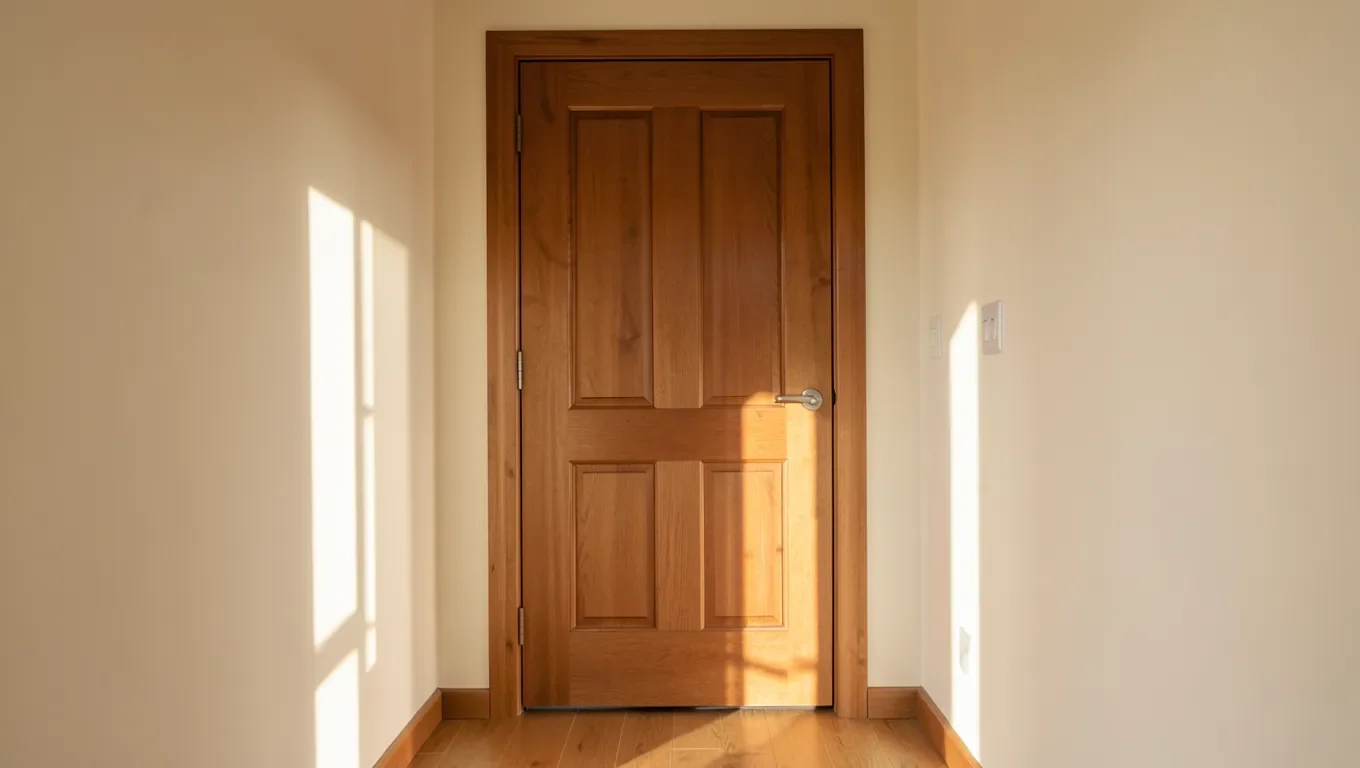
Solid wood interior doors are genuinely more durable and quieter than hollow-core alternatives, but the “lower your energy bills” claim commonly attached to them is overstated for interior use. Interior doors separate one room from another within the same conditioned space — they don’t do the thermal-barrier job that exterior doors, windows, and insulated walls handle. The real, verifiable benefit of solid wood is mass: more material to block sound and stand up to daily impact, not a meaningful cut to your heating bill.
Why “Energy Efficient” Oversells An Interior Door
Where The Real Draft/Sound Leak Actually Is
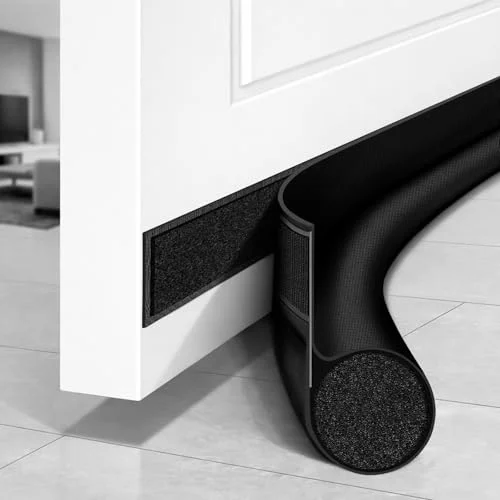 |
HomeProtect Door Draft Stopper, 36″ – $12.99 The gap under the door, not the door slab material, is usually where sound and drafts actually get through — this closes that gap directly.
|
A solid wood door does have somewhat better thermal resistance than a hollow-core door, since it has more actual material for heat to travel through instead of open air space — a real, physical fact. But this matters most for exterior doors, which separate conditioned indoor air from the outdoors, or for a door closing off an unconditioned space (an unheated garage, an attic room). For a typical interior door between two rooms in the same HVAC zone, the temperature difference across it is small to begin with, so the actual energy savings from choosing solid wood over hollow-core are marginal at best — not the meaningful bill reduction some marketing copy implies.
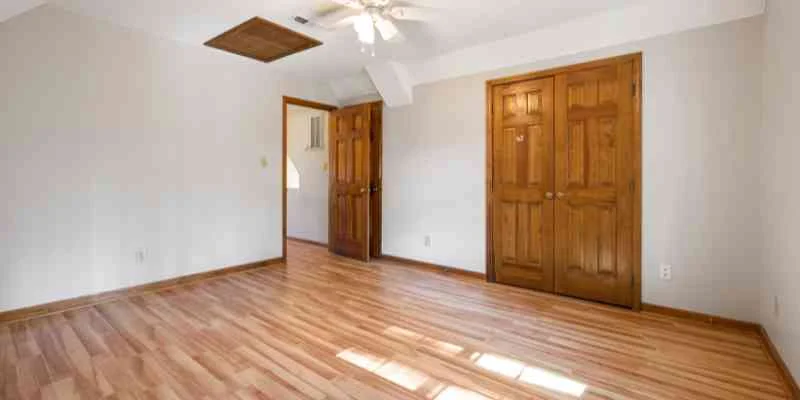
Where Solid Wood Genuinely Wins: Sound And Durability
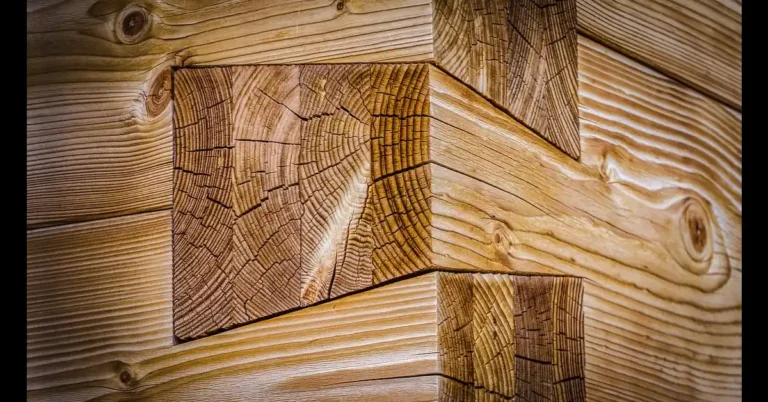
Sound dampening is a real, physically sound benefit — more mass genuinely blocks more sound transmission, which is why solid wood doors are the honest recommendation for a home office, nursery, or bedroom where privacy from noise matters. Durability is equally real: a solid wood door resists dents and impacts from daily use, door slams, and moving furniture far better than a hollow-core door’s thin veneer over a cardboard or foam core, and it holds up to hardware (hinges, locks) with a more solid connection point over the door’s lifespan.
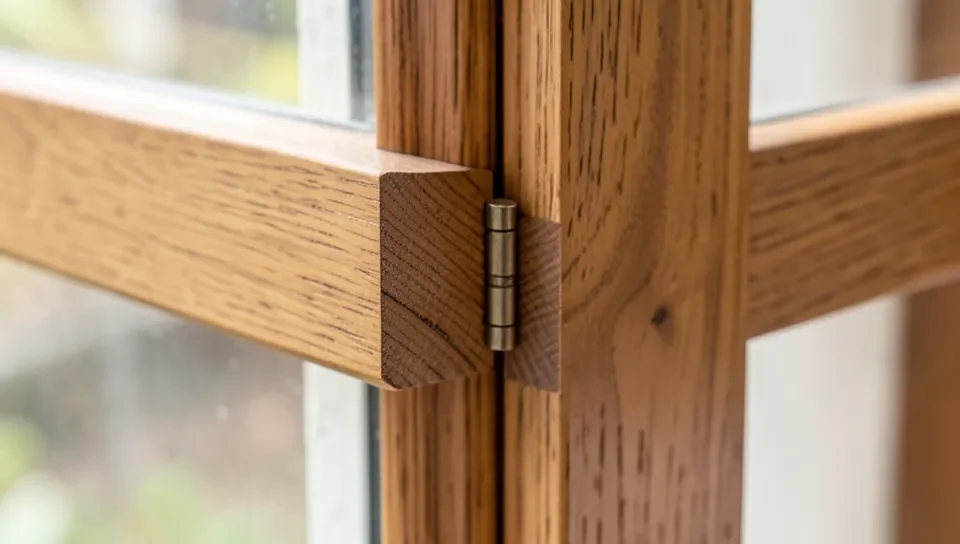
Where The Real Draft And Sound Leaks Happen
Even a solid wood door won’t block much sound or draft if there’s a gap underneath it or around the frame — in practice, that gap is often the biggest weak point in a door’s real-world performance, regardless of whether the slab itself is solid or hollow. Addressing that gap directly with a door sweep or draft stopper closes a real leak path that the door material alone can’t fix, and it’s a far cheaper fix than replacing a hollow-core door with solid wood if sound or drafts are the actual concern.
Door Construction Types Compared
| Construction | Typical Cost | Real Sound/Durability Level |
|---|---|---|
| Hollow-core | $50-$150 | Lowest — thin veneer over a cardboard or foam lattice core |
| Solid-core (engineered) | $150-$400 | Good — a composite/particleboard core provides real mass without solid lumber cost |
| Solid wood | $300-$800+ | Best — genuine lumber throughout, highest mass and durability |
Solid-core doors are a real, often-overlooked middle option — they deliver most of solid wood’s sound-dampening and durability benefit at a real cost savings, since the engineered core adds mass without the expense of full lumber. If budget matters and energy savings were never the real deciding factor anyway, solid-core is worth comparing directly against solid wood rather than defaulting straight to the most expensive option.
Common Buying Mistakes
- Buying solid wood purely for “energy savings” on an interior door: the real, honest reasons are sound dampening and durability — energy impact between two conditioned rooms is minor.
- Ignoring the gap under the door: a draft stopper or sweep addresses a real leak point that solid wood alone doesn’t solve.
- Assuming all “solid” doors are equal: solid-core (engineered) and solid wood are different constructions with different weight, cost, and sound performance — confirm which one a listing actually describes.
Frequently Asked Questions
Are solid wood interior doors really energy-efficient?
Only marginally, for interior use. Interior doors separate rooms within the same conditioned space, so the temperature difference they’re blocking is small to begin with. The energy-savings claim applies far more to exterior doors than interior ones.
What’s the real benefit of a solid wood interior door?
Sound dampening and durability. More mass genuinely blocks more sound, and solid wood resists dents and daily wear better than a hollow-core door’s thin veneer construction.
Is solid wood or solid-core better for soundproofing?
Both offer real sound-dampening benefits over hollow-core doors due to their added mass. The specific performance varies by construction and thickness, so check a specific product’s sound rating rather than assuming “solid” alone guarantees a particular result.
Conclusion
Solid wood interior doors are a real upgrade for sound and durability — the honest reasons to choose one. The “energy efficient” framing common in door marketing oversells what an interior door actually does thermally; save that expectation for exterior doors, where it genuinely applies.
Sponsored / affiliate links. As an Amazon Associate I earn from qualifying purchases. I may earn additional commission from eligible campaigns.