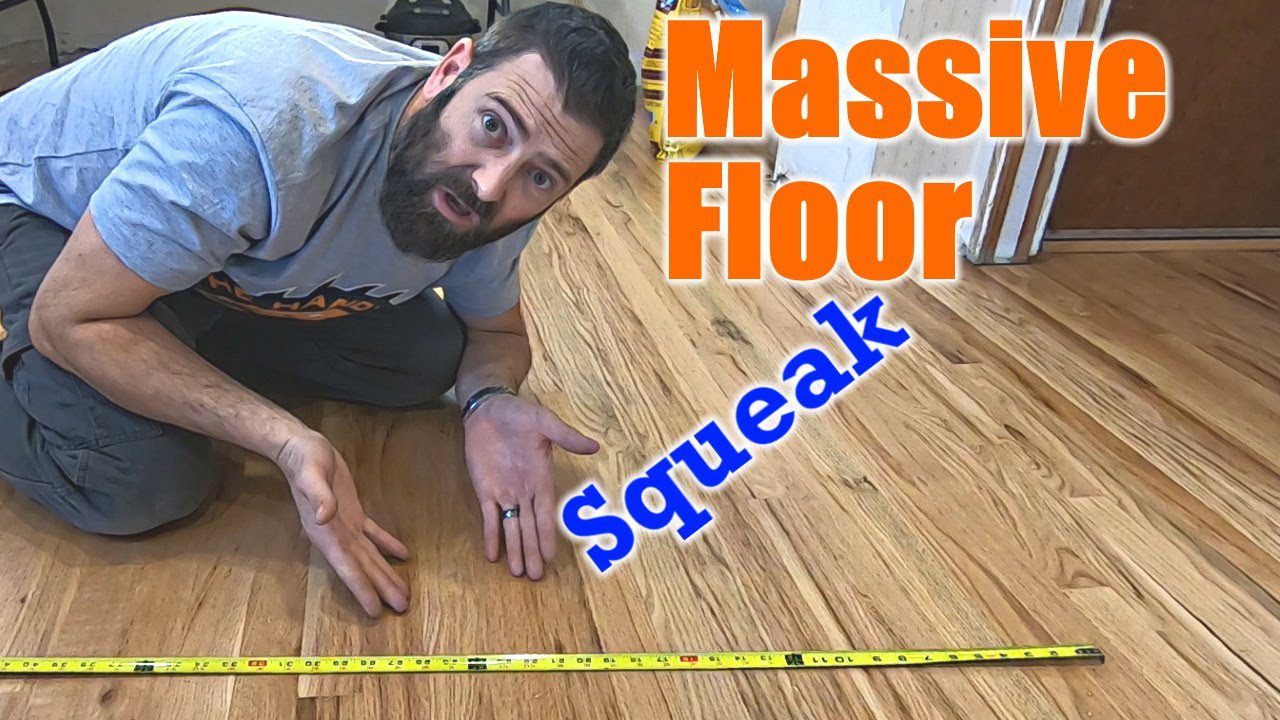
Fix Squeak in Hardwood Floor: Easy DIY Solutions
Have you ever tiptoed across your hardwood floor, only to be betrayed by an unexpected squeak? It’s a common nuisance that can disrupt the peaceful ambiance of your home.
But don’t worry—fixing that squeak is simpler than you might think. Imagine confidently walking across your floor without a single sound, impressing guests and enjoying the serenity of a noise-free home. In this guide, you’ll discover easy, effective methods to silence those squeaks and reclaim the tranquility of your living space.
Keep reading to learn how you can tackle this DIY project and restore your floor’s silent charm.
Credit: www.homedepot.com
Common Causes Of Floor Squeaks
Floorboards can loosen over time. This creates gaps between them. When you step, they move and rub together. This makes the squeak sound. Nails might be missing or not tight enough. Moisture can cause wood to expand or shrink.
The subfloor supports the floorboards. If it’s damaged, it can cause squeaks. A broken or warped subfloor can be the reason. Sometimes, the glue holding it might wear out. This makes the floorboards move and create noise.
Weather affects hardwood floors. Humidity can make wood expand. Dry air can cause wood to shrink. These changes can make the floor loose. Temperature changes can also be a cause. This makes the wood bend and squeak.
Credit: www.homedepot.com
Essential Tools For Repair
Basic tools help with repairs. A hammer is very useful. A nail set can drive nails deeper. Putty knives fill gaps with ease. Screwdrivers tighten loose screws.
Power tools work faster. A drill is helpful for making holes. A screw gun can drive screws quickly. Circular saws cut wood smoothly. A sander makes surfaces smooth.
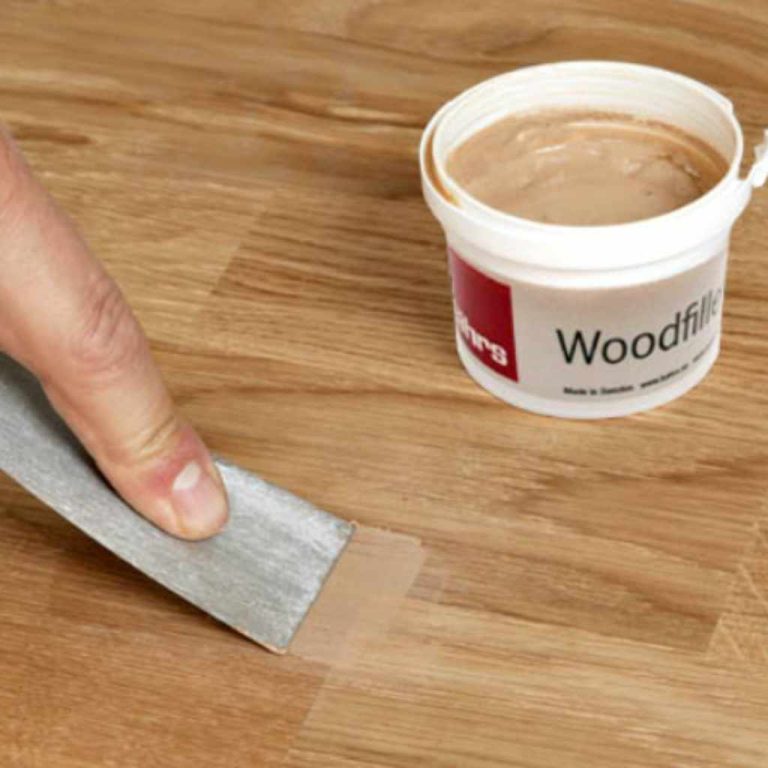
Some materials are important. Wood putty fills cracks and gaps. Wood screws hold pieces tight. Construction adhesive secures loose boards. Sandpaper smooths rough edges.
Locating The Squeak
Walk slowly on the floor. Listen for any creaksor squeaks. Notice where the sound is loudest. Markthese spots on the floor. Use a piece of chalk or a small tape. This will help you remember later.
Take a piece of chalkor tape. Draw a line around the noisy area. Make sure it is easy to see. This will help you findthe spot again. Chalk is easy to clean. Tape can be removed quickly. Both ways are helpful.
Stand still and listen. Where is the sound coming from? The floor may creak under pressure. Try to find the exactspot. Knowing the spot is key to fixing it. Once you know, you can work on a solution.
Simple Fixes For Minor Squeaks
Hardwood floors often develop minor squeaks over time. These can be fixed by applying talcum powder or tightening loose boards. Regular maintenance helps keep floors quiet and sturdy.
Lubrication Methods
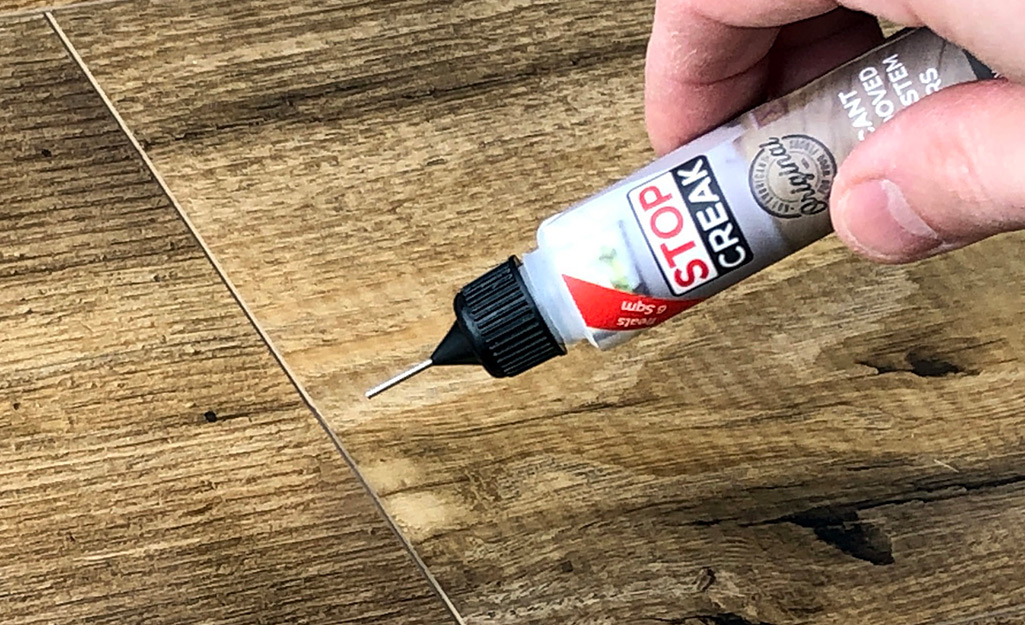
Using Powdered Graphiteis a quick way to fix squeaks. Sprinkle it over the noisy spots. Then, step on the area to work it in. This helps reduce friction. Make sure to clean any excess powder. Graphite can stain if left on the floor. It’s a simple solution for small squeaks. Applying WD-40can also help. Spray a small amount into the cracks. Let it seep into the floorboards. It lubricates the wood, reducing noise. Be careful not to use too much. Excess can make the floor slippery. Always test on a small area first. This ensures it doesn’t damage the finish. `
Securing Loose Floorboards
Nails are a common fix for squeaky floors. Finishing nails work best. They are thin and easy to use. Place them at an angle. This keeps the board firm. Use a hammer gently. Avoid damaging the wood. Countersink the nails for a smooth look. This prevents future squeaks.
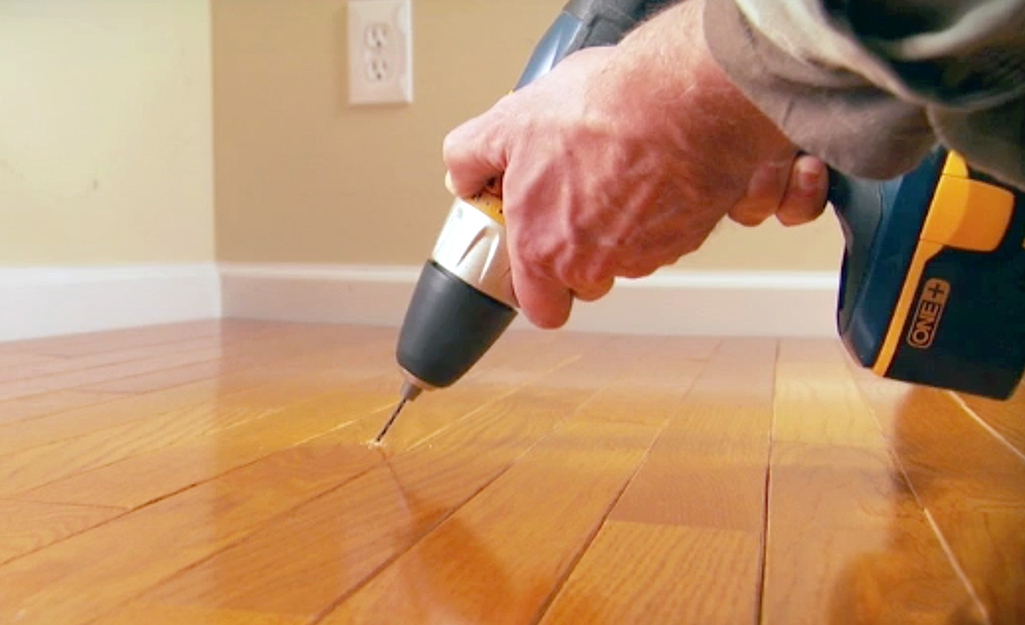
Screws hold tighter than nails. Use trim screws for a neat finish. They are thin and long. Drill a pilot hole first. This stops the wood from splitting. Drive screws at a slight angle. This technique ensures a snug fit. Tight boards do not squeak.
Wood glue is a great option. It bonds well with wood. Apply a thin layer under the board. Press down firmly until dry. Epoxy adhesives are also strong. They provide extra support. Allow enough time for drying. Secure boards stay quiet longer.
Addressing Subfloor Problems
Gaps under floors can cause squeaks. Walk around to find them. Listen carefully for noises. Look for spaces between subfloor and joists. Use a flashlight to see better. Mark spots with a pencil. Check the whole room. Be thorough to find all gaps.
Shims can fill gaps. Cut shims to fit snugly. Tap them into gaps. Use a hammer gently. Secure with wood glue for better hold. Add shims to all marked spots. Ensure shims are tight. Avoid loose shims. Prevent future squeaks this way.
Joists need strength. Check for weak joists. Use extra wood to reinforce them. Nail the wood securely. Ensure joists are stable. Reduce movement with strong joists. Prevent squeaks by reinforcing. Keep floors quiet and strong.
Preventing Future Squeaks
Keep floors clean and free from dirt. Dirt can cause friction. Friction leads to squeaks. Use soft cloths for cleaning. Avoid wet mops. Wet mops can damage wood. Check floorboards regularly for loose nails. Tighten any loose nails you find. Loose nails make floors squeak. Use rugs in high traffic areas. Rugs protect floors. Protecting floors reduces squeaks.
Maintain proper humidity levels in your home. Wood floors react to humidity. Too much moisture makes wood expand. Expansion can cause squeaks. Use a humidifier during dry months. Keep humidity between 30% and 50%. This is ideal for wood floors. Check humidity often. Adjust as needed to prevent squeaks.
Inspect floors regularly for damage. Look for cracks or gaps. Fill cracks immediately. Use wood filler for gaps. Gaps cause squeaks. Check under furniture for marks. Heavy furniture can dent wood. Dents lead to squeaks. Move furniture often to avoid marks. Keep floors free of scratches. Scratches cause friction and squeaks.

Credit: www.youtube.com
Frequently Asked Questions
How Do I Stop My Hardwood Floor From Squeaking?
To fix squeaks, identify the noise source first. Then, use powdered graphite or talcum powder to lubricate the area. For a more permanent solution, use screws or nails to secure loose boards. Regular maintenance and checking for moisture can also prevent future squeaks.
Can Humidity Cause Hardwood Floors To Squeak?
Yes, humidity can cause hardwood floors to squeak. Changes in humidity levels can lead to the expansion and contraction of wood. This movement can loosen floorboards, causing squeaks. To minimize this, maintain consistent indoor humidity levels using a humidifier or dehumidifier, especially during seasonal changes.
Are Squeaky Floors A Structural Problem?
Squeaky floors are usually not a structural problem. They often result from loose floorboards or subfloor issues. While they can be annoying, they rarely indicate serious damage. However, if the squeaks are accompanied by other structural issues, consulting a professional is advisable to ensure your floor’s integrity.
Can Carpet Hide Squeaky Hardwood Floors?
Carpets can muffle the sound of squeaky hardwood floors. However, they don’t fix the underlying issue. To properly address squeaks, it’s best to repair the floorboards before installing carpet. Addressing the root cause ensures the squeaks don’t worsen and maintains the longevity of your flooring.
Conclusion
Fixing squeaky hardwood floors is simpler than you think. Start by identifying the squeak’s source. Use talcum powder for small gaps. For loose boards, use screws or nails. Try lubricating the floor with wax. Regular maintenance prevents future squeaks. Check for moisture or damage often.
Squeaks can be annoying, but they’re fixable. Keep your floors quiet and smooth. With these easy steps, enjoy a peaceful home. No more squeaks to disturb your peace. Your hardwood floor stays beautiful and silent.