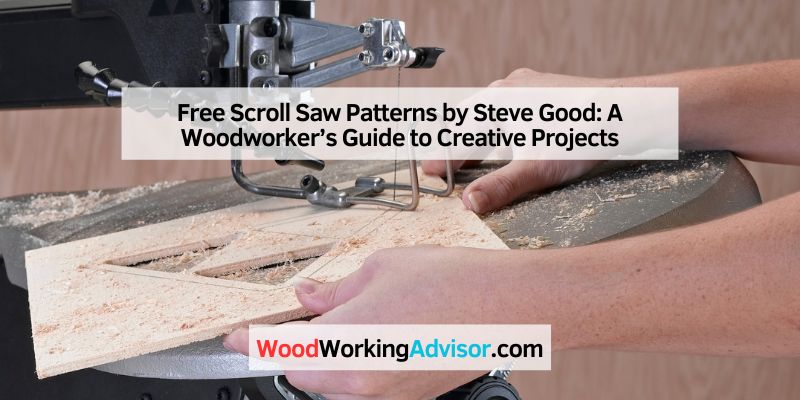
Free Scroll Saw Patterns by Steve Good: A Woodworker’s Guide to Creative Projects
Hey there, fellow woodworking enthusiast! If you’ve ever picked up a scroll saw or dreamed of crafting intricate designs from wood, you’ve probably heard of Steve Good. His free scroll saw patterns have been a lifesaver for me and countless others in the woodworking community. As someone who’s spent hours scrolling through his designs and cutting them in my workshop, I’m thrilled to share everything I’ve learned about Steve Good’s patterns and how they can elevate your scroll saw projects.
Whether you’re a beginner or a seasoned pro, this guide will walk you through finding, using, and making the most of these free resources. Let’s get started and bring some creativity to your workshop!
Who Is Steve Good and Why Are His Patterns So Popular?
When I first got into scroll sawing, I stumbled across Steve Good’s Scrollsaw Workshop, and it was like finding a treasure chest. Steve Good is a master pattern designer who’s been sharing free scroll saw patterns for years through his website and blog. His designs are loved for their variety, clarity, and accessibility. From ornaments to puzzles to intricate portraits, there’s something for everyone. I’ve cut everything from his simple Christmas ornaments to complex layered shadowboxes, and each pattern is thoughtfully designed to suit different skill levels.
What makes Steve’s patterns stand out? They’re free, for one—hundreds of them! He’s built a community around his Scrollsaw Workshop, where he posts new designs regularly, often daily. His patterns are easy to download, print, and transfer to wood, which is a huge help for beginners like I was. Plus, he’s a scroll sawer himself, so his tips and patterns come from real experience. The woodworking community on platforms like Reddit raves about his work, with over 3,000 patterns available to keep you busy for years.
Why Use Scroll Saw Patterns?
If you’re new to scroll sawing, you might wonder why patterns are such a big deal. Let me share my experience: when I started, I tried freehand cutting and ended up with wonky shapes and a lot of frustration. Patterns give you a roadmap. They guide your cuts, ensure precision, and let you focus on the craft rather than the design. Steve’s patterns are particularly great because they’re detailed yet flexible. You can follow them exactly or tweak them to make something unique.
Patterns also save time. Instead of sketching a design for hours, I can download one of Steve’s files, print it, and start cutting. They’re perfect for all kinds of projects—holiday decorations, toys, wall art, or even gifts. I made a set of his animal puzzles for my nephew last Christmas, and they were a hit! Patterns also help you learn new techniques, like stack cutting or inlay, which I’ll talk about later.
Where to Find Steve Good’s Free Scroll Saw Patterns
Finding Steve’s patterns is super easy, and I’ve spent many evenings browsing his collection. Here’s where to look:
- Scrollsaw Workshop Website and Blog: The main hub is www.stevedgood.com, where Steve hosts his pattern catalog. You’ll find a searchable database with thousands of designs, from animals to holiday themes to 3D projects. His blog, scrollsawworkshop.blogspot.com, often announces new patterns and includes video tutorials. I check it weekly for updates.
- Bear Woods Supply: This site partners with Steve to offer some of his patterns alongside their woodworking supplies. You can download patterns directly after purchase or find free ones linked to his catalog.
- Social Media and Forums: Steve’s work is shared widely on platforms like Pinterest and Reddit. The r/Scrollsaw community often posts about his patterns, with users sharing their finished projects. I found a great cowboy bronc rider pattern on Pinterest that I cut from oak last summer.
- Scroll Saw Village: This forum highlights Steve’s contributions, with a dedicated thread praising his 4,300+ free patterns. It’s a great place to connect with other scrollers and get inspired.
Pro tip: Sign up for Steve’s email newsletter on his blog. I get new patterns delivered to my inbox, so I never miss a fresh design. You can also support his work with a small donation via PayPal, which keeps the patterns free for everyone.
Types of Free Scroll Saw Patterns by Steve Good
Steve’s catalog is massive, and I’ve explored a ton of his designs over the years. Here’s a breakdown of the main types you’ll find, based on my experience:
Ornaments and Holiday Decorations
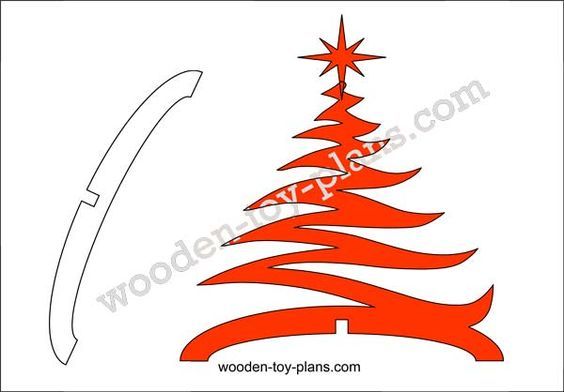
These are my go-to for quick projects, especially around the holidays. Steve offers patterns for Christmas ornaments, Halloween decorations, and even Easter baskets. I made his layered lighthouse art for a friend’s beach house, and it was a showstopper. These patterns are simple enough for beginners but can be scaled up for more intricate cuts.
Puzzles and Toys
Steve’s puzzle patterns are perfect for kids’ gifts or craft fairs. I’ve cut his fish and animal puzzles from 1/4” plywood, and they’re always a crowd-pleaser. His designs often include interlocking pieces that are easy to assemble but challenging enough to keep kids engaged. The “Fish Box” pattern is one I’ve made multiple times—it’s a box that doubles as a puzzle!
Fretwork and Portraits
For advanced scrollers, Steve’s fretwork patterns, like his geisha or barn owl designs, are stunning. These involve intricate cuts that create lacy, openwork effects. I tried his “Jesus with Mother and Baby” pattern, and it took patience but looked amazing in walnut. Portraits are trickier but rewarding—they’re like painting with a scroll saw.
3D and Layered Projects
These are my favorite for adding depth to my work. Steve’s layered shadowbox patterns, like his Easter egg design, stack multiple wood layers to create a 3D effect. I made a seven-layer shadowbox from 1/8” Baltic birch, and it’s one of my proudest pieces. His 3D vases and baskets are also great for showing off your skills.
Practical Items
Steve also designs functional pieces like clock faces, tool holders, and boxes. I built his grill tool holder for a barbecue-loving friend, and it’s held up beautifully outdoors. These patterns are practical but still let you flex your creative muscles.
Here’s a quick table to summarize the types of patterns and their uses:
| Pattern Type | Best For | Skill Level | Example Projects |
|---|---|---|---|
| Ornaments/Holiday | Gifts, seasonal decor | Beginner | Christmas ornaments, Easter baskets |
| Puzzles/Toys | Kids, craft fairs | Beginner-Intermediate | Animal puzzles, fish box |
| Fretwork/Portraits | Wall art, decorative pieces | Intermediate-Advanced | Geisha, barn owl |
| 3D/Layered Projects | Display pieces, gifts | Intermediate-Advanced | Shadowboxes, 3D vases |
| Practical Items | Functional decor, gifts | Beginner-Intermediate | Clock faces, tool holders |
How to Use Steve Good’s Patterns in Your Projects
Using Steve’s patterns is straightforward, but I’ve learned a few tricks to make the process smoother. Here’s my step-by-step approach:
- Download and Print: Visit Steve’s website and choose a pattern. Most are PDFs, so you can print them directly. I use standard printer paper and make sure my printer’s set to 100% scale to avoid resizing issues.
- Prepare Your Wood: I usually work with 1/8” or 1/4” Baltic birch plywood for its smooth grain. Sand the surface lightly to help the pattern stick. For thicker projects, like 3D vases, I use hardwoods like oak or cherry.
- Transfer the Pattern: I spray adhesive to attach the pattern to the wood, but you can also use painter’s tape for easy removal. For intricate cuts, I cover the wood with blue painter’s tape first, then stick the pattern on—this reduces tear-out.
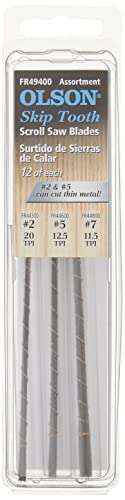
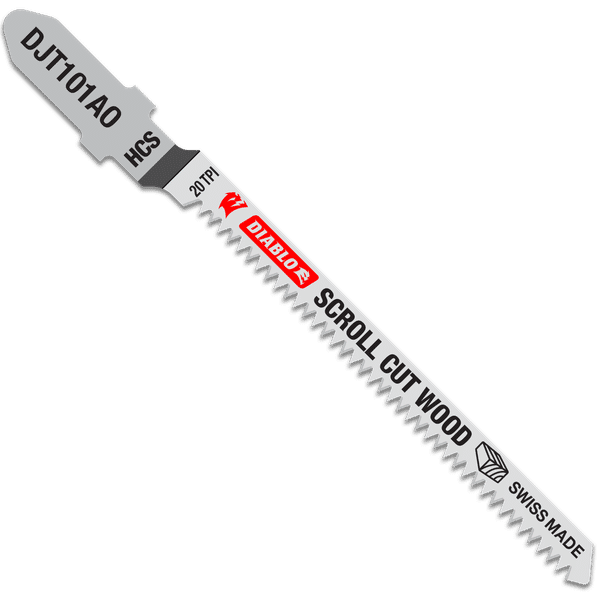
- Choose the Right Blade: Steve often recommends blade sizes in his patterns. I use #5 or #7 reverse-tooth blades for most projects, but for fine fretwork, I switch to a #2/0 blade. His blog has great blade tension tips too.
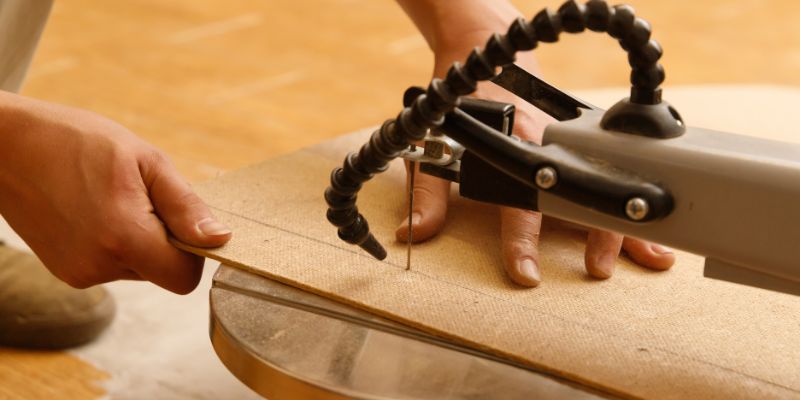
- Cut Carefully: Take your time, especially on tight curves. I follow the lines slowly, letting the saw do the work. For stack cutting (cutting multiple layers at once), I tape several pieces of wood together to save time.
- Finish the Piece: After cutting, I sand the edges with 220-grit sandpaper and apply a finish like polyurethane or Danish oil. For puzzles, I leave them unfinished for a natural look.
One thing I love about Steve’s patterns is their versatility. For example, I adapted his clock pattern for a laser cutter by converting the file, as some users on the Glowforge forum have done.
Tips for Beginners Using Steve Good’s Patterns
If you’re new to scroll sawing, Steve’s patterns are a fantastic starting point. Here’s what I wish I knew when I began:
- Start Simple: Begin with patterns labeled for beginners, like his basic ornaments or animal shapes. My first project was a snowflake ornament, and it built my confidence.
- Practice Blade Control: Scroll saws take practice. I wasted a lot of wood rushing my cuts. Follow Steve’s tutorials on his blog for tips on blade tension and cutting speed.
- Invest in Quality Blades: Cheap blades break easily and ruin your work. Steve recommends Pegas blades, and I’ve found they last longer and cut cleaner.
- Join the Community: Forums like Scroll Saw Village and Reddit’s r/Scrollsaw are full of folks sharing tips and showing off Steve’s patterns. I got great advice on finishing techniques from other users.
- Experiment with Materials: Most patterns work with wood, but I’ve tried acrylic and thin metal for unique effects. Just adjust your blade and speed accordingly.
Why Steve Good’s Patterns Are Perfect for All Skill Levels
One reason I keep going back to Steve’s patterns is their range. Beginners can tackle simple silhouettes, while advanced scrollers can dive into complex fretwork or 3D designs. I started with basic patterns and worked my way up to layered projects over a year. His clear instructions and variety mean there’s always something new to try. Plus, his community-driven approach—encouraging donations instead of charging—makes these patterns accessible to everyone.
I also appreciate how Steve encourages creativity. For example, I modified his horse sculpture pattern by adding a stained base to make it a desk display. His designs are a starting point, not a strict rulebook, which is great for personalizing projects.
Challenges and How to Overcome Them
Scroll sawing with Steve’s patterns isn’t always smooth sailing. Here are some hurdles I faced and how I dealt with them:
- Pattern Adhesion Issues: Sometimes the pattern peels off mid-cut. I switched to stronger spray adhesive and press it down firmly before starting.
- Tight Curves: Intricate patterns like fretwork can break thin blades. I use a slower speed and a smaller blade (#2/0) for detailed sections.
- Wood Tear-Out: Cheap plywood splinters easily. I now use Baltic birch or tape the wood surface to minimize tear-out.
- File Format Issues: Some older patterns didn’t print correctly on my printer. I opened them in a PDF reader like Adobe Acrobat to ensure proper scaling.
Inspiring Projects I’ve Made with Steve Good’s Patterns
Let me share a few projects I’ve tackled using Steve’s patterns to spark your inspiration:
- Christmas Ornament Set: I cut a dozen snowflake and reindeer ornaments for my tree. They were quick, and I gifted some to neighbors.
- Layered Shadowbox Egg: This was a challenge, but the seven-layer Easter egg pattern came out stunning. I used different wood tones for each layer to add depth.
- Animal Puzzles: I made a set of fish and bear puzzles for my kids. They’re durable and fun, and I’ve since sold similar sets at local craft fairs.
- Tool Holder: The grill tool holder pattern was a practical gift for my dad. I cut it from cedar for a rustic look.
Each project taught me something new, from blade selection to finishing techniques. Steve’s patterns make it easy to create pieces you’re proud of.
Supporting Steve Good’s Work
Steve’s patterns are free, but keeping the Scrollsaw Workshop running isn’t. I donate a few bucks when I can—it’s like buying him a coffee for all the hours of joy his patterns bring. You can donate via PayPal on his website, and it’s optional, so there’s no pressure. Joining his newsletter or sharing his work on social media is another great way to show support.
Why Steve Good’s Patterns Are a Must-Have for Scroll Sawers
After years of using Steve Good’s patterns, I can honestly say they’ve transformed my woodworking. His designs are creative, well-crafted, and free, which is rare in a world of paid plans. They’ve helped me grow from a nervous beginner to someone who confidently sells scroll saw art. Whether you’re decorating your home, making gifts, or just enjoying the hum of the saw, Steve’s patterns open up endless possibilities.
So, grab your scroll saw, head to www.stevedgood.com, and download a pattern that catches your eye. Start small, experiment, and have fun. The woodworking community is cheering you on, and with Steve’s patterns, you’re set for hours of creative joy. Happy scrolling!
Frequently Asked Questions About Steve Good’s Free Scroll Saw Patterns
Where can I find Steve Good’s free scroll saw patterns?
You can download them from www.stevedgood.com, where his catalog has over 3,000 patterns. His blog, scrollsawworkshop.blogspot.com, also shares new designs regularly. Check Bear Woods Supply or Pinterest for additional links to his work.
Are Steve Good’s patterns suitable for beginners?
Yes! Steve offers simple patterns like ornaments and puzzles that are perfect for new scrollers. His blog also has tutorials on basics like blade tension, which helped me when I started. Start with basic designs and work your way up.
Do I need special software to use Steve Good’s patterns?
No, most patterns are PDFs that you can print directly. I use a standard printer and Adobe Acrobat to ensure accurate scaling. Some advanced users convert patterns for laser cutting, but that’s optional.
Can I sell projects made from Steve Good’s patterns?
Steve’s patterns are for personal use, so you can’t sell the patterns themselves. However, I’ve sold finished projects like puzzles at craft fairs without issues. Check his website for specific guidelines, and consider donating to support his work.
What types of wood work best with Steve Good’s patterns?
I use 1/8” or 1/4” Baltic birch plywood for most projects because it’s smooth and cuts cleanly. Hardwoods like oak or walnut are great for decorative pieces. Steve’s patterns work with various materials, so experiment with what you have.
How can I support Steve Good’s Scrollsaw Workshop?
You can donate via PayPal on his website, www.stevedgood.com. Signing up for his newsletter or sharing his patterns on social media also helps. I donate occasionally to keep his amazing resource free for everyone.