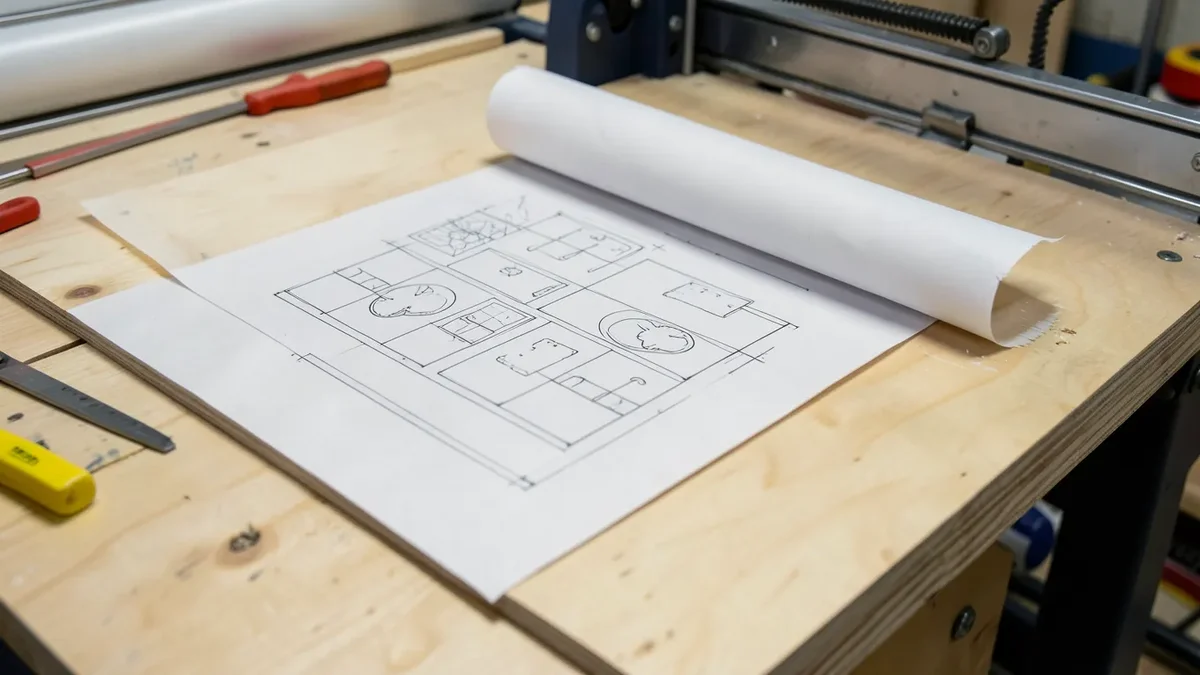
Scroll Saw Printable Patterns: Where to Find Them and How to Print Them Right
A free scroll saw pattern is only as good as how you print and transfer it – a great design cut at the wrong scale, or one that slides on the wood mid-cut, wastes both the pattern and the blank. This guide covers where to actually find solid printable patterns, and the printing and transfer steps that most pattern round-ups skip entirely.
Where To Find Good Printable Patterns
Best Blade Variety For Pattern Cutting
 |
Flying Dutchman 60-Pack Blade Variety Pack – $34 Different patterns need different blades – tight inside corners want a thin, fine-tooth blade, thicker stock wants a heavier one. A variety pack means you’re not stuck mid-pattern with the wrong blade.
|
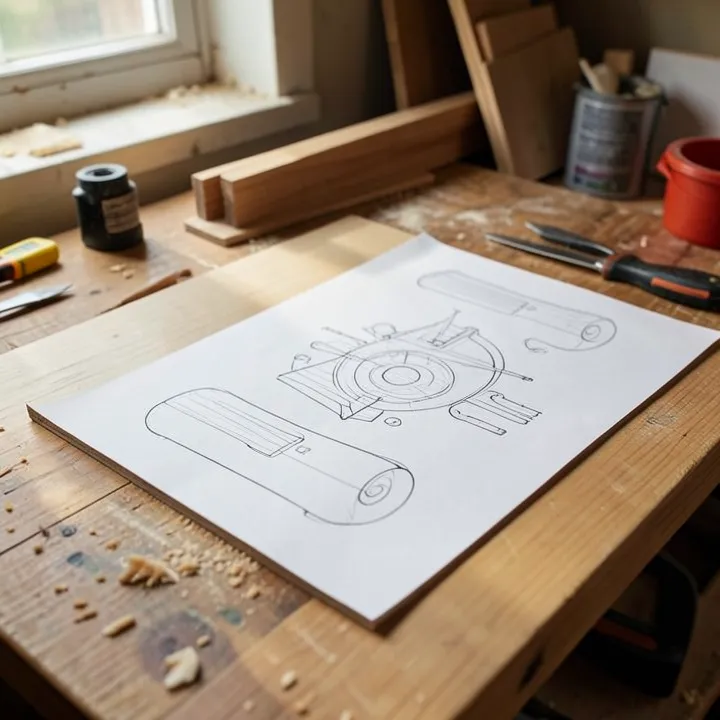
Pattern quality varies a lot between sources. A few categories worth knowing:
- Dedicated scroll saw pattern sites – sites built specifically around scroll saw work publish patterns already sized and line-weighted for cutting, which saves the cleanup work a random image needs.
- Woodworking magazine archives – many publish a rotating library of free patterns alongside their subscription content, usually vetted by an actual scroll saw hobbyist rather than generated.
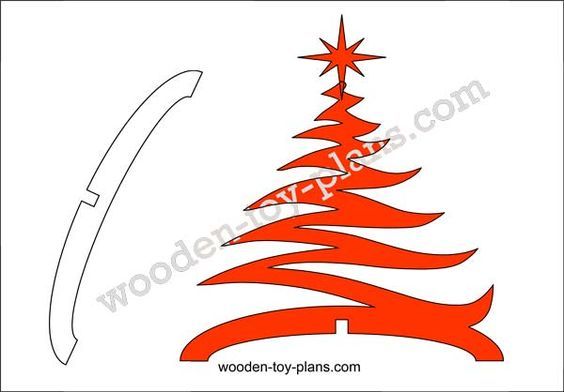
- Public-domain clip art and line art – simple, bold silhouette designs (animals, holiday shapes) convert to scroll saw patterns easily, since they’re already reduced to clean outlines.
- Our own pattern library – if you want patterns specifically sized and tested for scroll saw cutting rather than converted from a generic image, see our beginner reindeer pattern, free holiday patterns, advanced patterns for more experienced cutters, and 3D and layered patterns if you want a project with more depth than a flat cutout.
Printing At The Right Scale (The Step Most Guides Skip)
Most pattern files list a finished size in the description or on the page itself, and matching it exactly matters more than people expect. When you print, open your printer’s page setup and turn off “fit to page” or “scale to fit” – both options silently resize the pattern to match your paper, which throws off every internal dimension, tab width, and fragile connector in the design. Print at 100% / actual size instead, then measure a labeled dimension on the printed sheet with a ruler to confirm it matches before you cut anything.
For patterns that span multiple sheets, print with a small overlap margin if the file supports it, then trim and tape the sheets together on a flat surface before transferring – taping them onto the wood one section at a time almost always introduces a visible seam or misalignment where the pieces meet.
Transferring The Pattern To Wood
Three methods cover almost every situation:
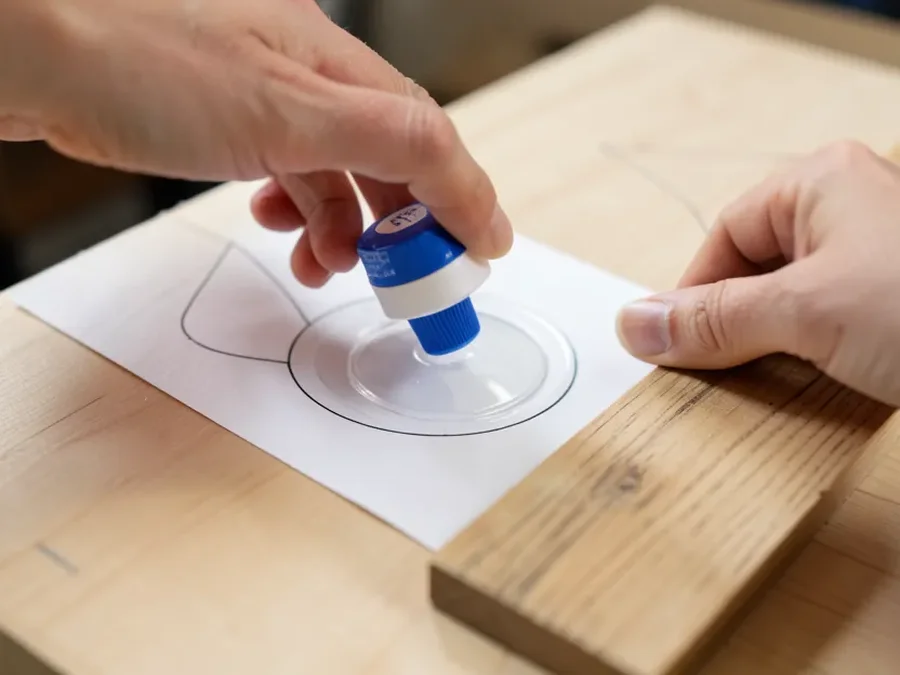
- Repositionable spray adhesive – the most common choice. A light, even coat holds the paper flat against the wood through the whole cut and peels off cleanly afterward without tearing fibers or leaving residue.
- Clear packing tape over the pattern – taping clear tape over the printed lines before cutting keeps the paper from fraying at the edges as the blade passes through repeatedly, which helps on patterns with a lot of tight, repeated detail.
- Glue stick – works for smaller, simpler patterns, but a full-sheet pattern glued down can bubble or lift at the edges partway through a long cutting session.
Matching The Pattern To Your Blade And Saw
Before cutting, check the pattern’s tightest inside corner or smallest enclosed shape against your blade – a thick blade physically can’t turn a corner as tight as a pattern’s fine detail without tearing out the wood fiber. Fine-tooth, narrow blades (higher TPI) handle intricate patterns and thin stock, while wider, lower-TPI blades cut faster through thicker material but can’t follow fine detail cleanly. Also confirm the pattern’s overall width fits within your saw’s throat depth – the distance from the blade to the rear column – since a pattern wider than that measurement simply won’t fit on the table.
Grading Pattern Difficulty Before You Start
A quick way to judge a pattern before committing wood to it: count the number of interior “islands” (fully enclosed cutouts requiring a blade-release and re-thread), and look at the tightest curve radius in the design. Patterns with few interior cuts and gentle curves are beginner-friendly regardless of overall size; patterns with many small interior islands and tight switchback curves take significantly longer and are much easier to break a blade on, even if the finished piece looks similar in complexity from a thumbnail.
Frequently Asked Questions
Why does my scroll saw pattern come out the wrong size?
Almost always because a printer’s “fit to page” or “scale to fit” setting resized the pattern automatically. Print at 100% or actual size, and verify against a labeled dimension on the pattern before cutting.
What’s the best way to attach a pattern to wood?
Repositionable spray adhesive is the most reliable option for most patterns – it holds the paper flat for the full cut and peels away cleanly afterward.
How do I know if a pattern is too advanced for me?
Count the interior cutout “islands” and check the tightest curve radius. More interior islands and tighter curves mean more blade changes, more re-threading, and a higher chance of breaking a blade – regardless of how complex the finished piece looks.
Conclusion
Need actual project ideas to print and cut? Our 10 free scroll saw patterns for beginners roundup lists ten beginner-friendly projects, the blade size each one needs, and the sites that still host them for free.
Good printable scroll saw patterns are easy to find; getting them onto wood at the right size, firmly attached, and matched to the right blade is the part that actually determines how the finished piece turns out. Get the printing and transfer steps right and even a free pattern will cut as cleanly as a paid one.Sponsored / affiliate links. As an Amazon Associate I earn from qualifying purchases. I may earn additional commission from eligible campaigns.