Galvanized Steel Vs Wood Garden Beds: Ultimate Durability Showdown
Are you thinking about building a garden bed but can’t decide between galvanized steel and wood? Choosing the right material can make a big difference in how your garden looks, lasts, and grows.
You want something sturdy, easy to maintain, and good for your plants. This guide will help you understand the pros and cons of galvanized steel and wood garden beds, so you can pick the perfect fit for your space and gardening goals.
Keep reading to find out which option will make your garden thrive!
Material Strength
Choosing the right material for garden beds affects their strength and lifespan. Material strength is key to support soil and plants. Strong materials resist bending, breaking, and weather damage. Comparing galvanized steel and wood helps find the best fit for your garden.
Galvanized Steel Toughness
Galvanized steel is strong and resists dents and cracks. It holds soil firmly without warping over time. The zinc coating protects steel from rust and corrosion. This makes it last many years outside. Steel beds stay straight and keep their shape.
Steel also handles heavy loads well. It can support large amounts of soil and plants. This toughness suits gardens with dense plants or heavy soil. Steel beds require little upkeep to keep their strength.
Wood Durability Factors
Wood strength depends on its type and treatment. Cedar and redwood resist rot and insects better than pine. Untreated wood breaks down faster due to moisture and bugs. Treated wood lasts longer but may contain chemicals.
Wood can crack or warp from sun and rain exposure. It needs regular sealing to protect against weather. Strong wood supports soil well but may weaken over time. Choosing durable wood and maintaining it extends garden bed life.
Weather Resistance
Choosing the right material for garden beds means thinking about how it handles weather. Weather resistance is key for lasting garden beds. Rain, sun, and cold can wear down materials fast. This affects the bed’s strength and look. Understanding how galvanized steel and wood react to weather helps you pick the best option.
Steel Against Rust And Corrosion
Galvanized steel has a protective zinc coating. This coating stops rust from forming on the metal. Steel garden beds resist rain and moisture well. They do not soak water like wood does. The zinc layer also protects steel from damage by salt or chemicals in the soil. Over time, galvanized steel keeps its shape and strength without cracking or warping. This makes steel beds very durable in many climates.
Wood’s Response To Moisture And Rot
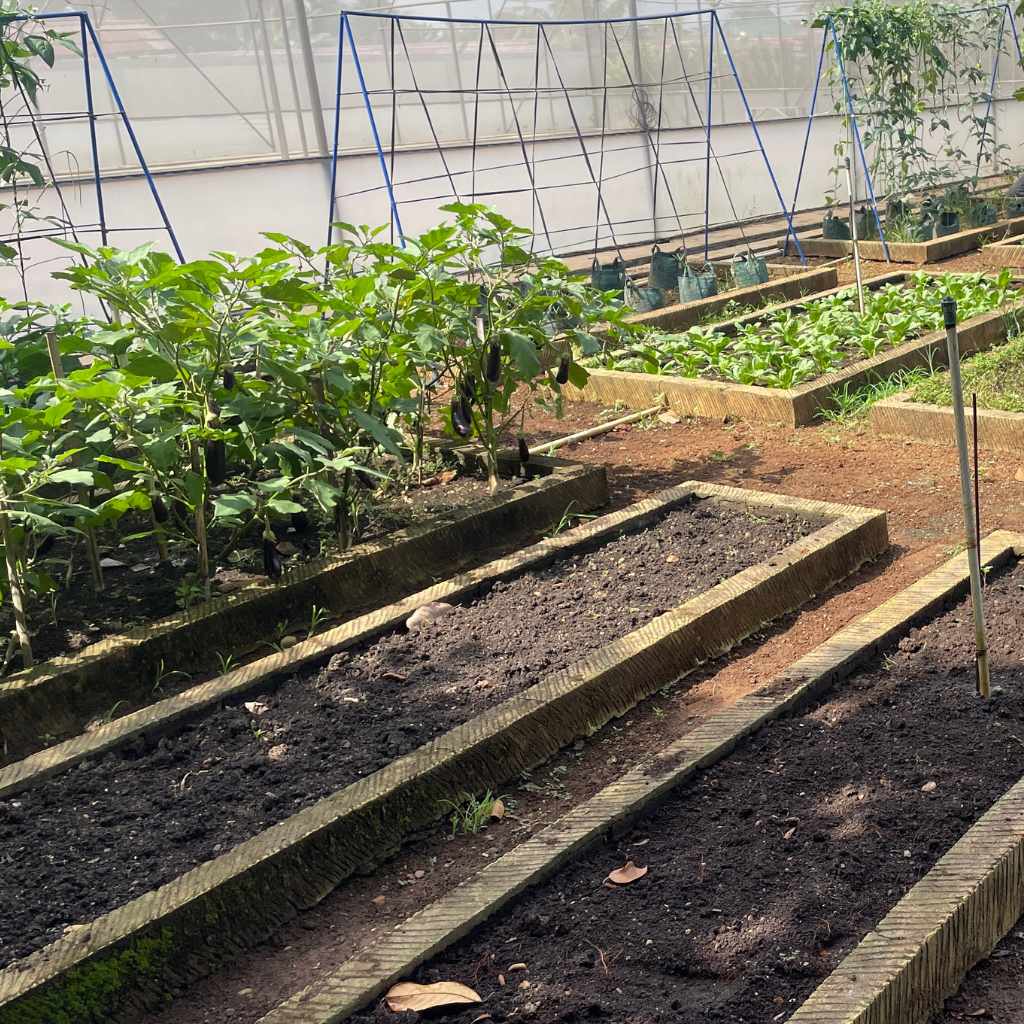
Wood absorbs water easily, which can cause problems. Moisture leads to swelling, warping, and splitting in wooden beds. Over time, wet wood can rot and lose strength. Fungi and insects often attack damp wood, making damage worse. Wood garden beds may need treatments or sealants to slow this process. Even treated wood can wear down faster in very wet or humid areas. Wood needs more care to stay strong and good-looking.
Maintenance Needs
Maintenance is a key factor in choosing between galvanized steel and wood garden beds. Each material needs different care to last long and stay effective. Knowing these needs helps you keep your garden bed in good shape.
Upkeep For Steel Beds
Galvanized steel beds need low maintenance. The zinc coating stops rust and corrosion. Clean the beds with water and mild soap to remove dirt. Avoid harsh chemicals that can damage the coating. Check for scratches and touch up with paint if needed. Steel beds do not warp or crack, so they stay strong for years.
Caring For Wooden Beds
Wooden garden beds need more care than steel. Wood can rot, warp, or get insect damage. Treat the wood with a safe sealant every year. Keep the bed dry by improving drainage. Remove any mold or mildew with a brush and soapy water. Repair cracks or splinters to prevent more damage. Wooden beds may need replacing sooner than steel ones.
Environmental Impact
Choosing the right material for garden beds affects the environment. Both galvanized steel and wood have different impacts. Understanding these helps make better eco-friendly choices for your garden.
Sustainability Of Steel
Galvanized steel is strong and lasts many years. It resists rust and does not need frequent replacement. Steel is recyclable, reducing waste in landfills. Recycling steel uses less energy than making new steel. This lowers pollution and conserves natural resources.
However, steel production uses a lot of energy and emits greenhouse gases. Mining for iron, the main metal in steel, can harm nature. Choosing steel made from recycled materials helps reduce these effects. Steel garden beds offer long-term durability with a smaller environmental footprint.
Wood’s Eco-friendliness
Wood is a natural and renewable resource. Trees absorb carbon dioxide while growing, helping fight climate change. Using wood from responsibly managed forests supports sustainability. Wooden beds can break down naturally after use, adding nutrients to soil.
Some woods last longer, reducing the need to replace beds often. Untreated wood is best to avoid chemicals that harm soil and water. Wood requires less energy to produce than steel. But wood may rot or get damaged faster, leading to more waste.
Cost Comparison
Comparing the costs of galvanized steel and wood garden beds helps you choose the best option for your budget. Cost includes buying the materials and the expenses over time. Understanding these costs can save money and effort in the long run.
Initial Investment
Wood garden beds usually cost less at the start. You can find affordable wood in many stores. Galvanized steel beds often have a higher price tag. The metal costs more to make and transport. Wood is easier to work with for DIY projects. Steel may need special tools or professional help.
Long-term Expenses
Wood garden beds may need repairs or replacements over time. Wood can rot, warp, or get damaged by insects. You might spend money on sealants or treatments. Galvanized steel beds last longer without much care. They resist rust and weather damage well. Steel beds may cost more upfront but save money later. Less maintenance means fewer expenses in the future.
Aesthetic Appeal
The look of your garden bed can change the whole garden feel. Choosing between galvanized steel and wood affects your garden’s style. Both materials bring unique beauty. Understanding their aesthetic appeal helps you pick the best fit.
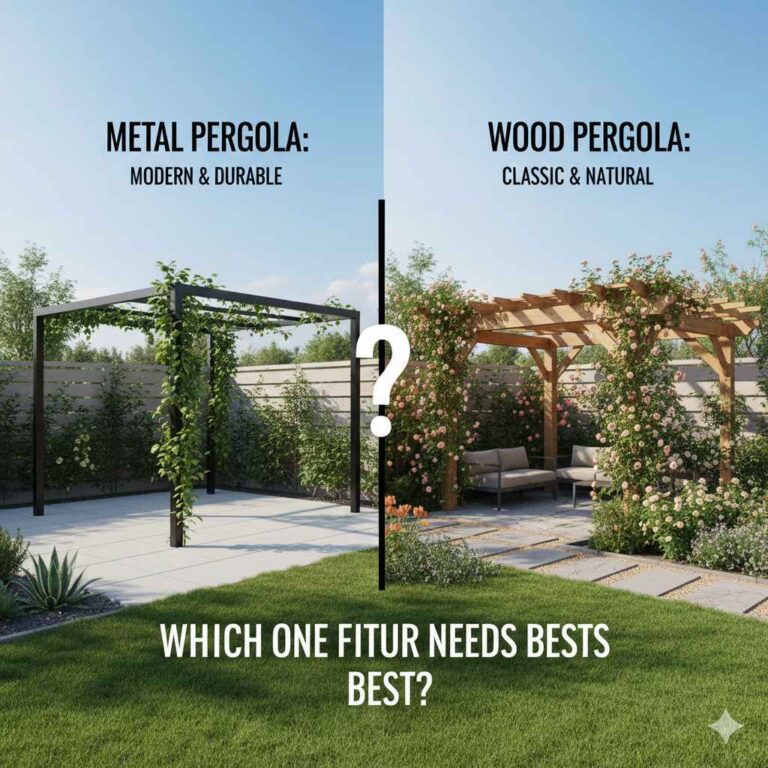
Modern Look Of Steel
Galvanized steel offers a clean and sleek style. Its smooth surface and metallic shine create a modern vibe. Steel beds suit contemporary gardens and urban spaces well. The silver-gray color blends with many garden themes. It adds a touch of elegance without being too bold.
Steel beds also look tidy and neat over time. They keep their shape and color without much change. This lasting look adds a sense of order and simplicity. Gardeners who like a minimal style often prefer steel beds.
Natural Charm Of Wood
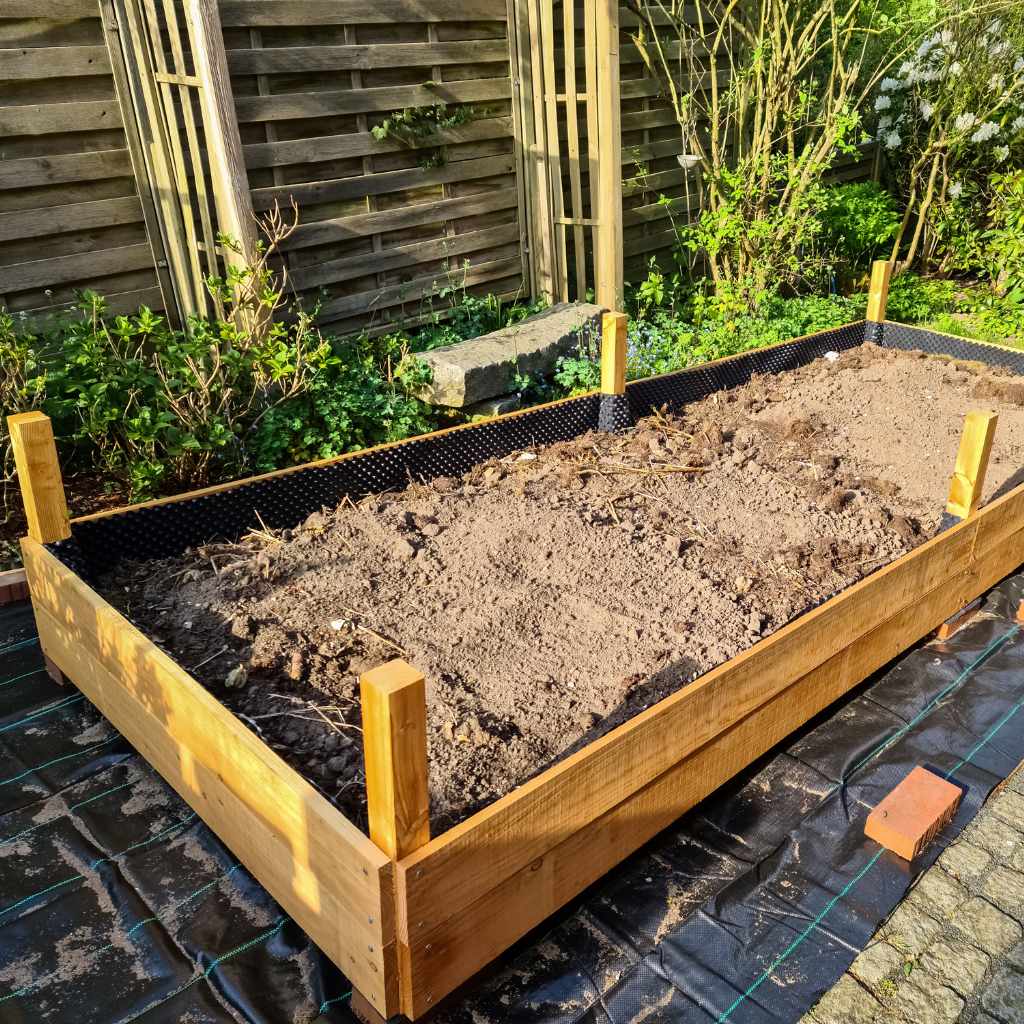
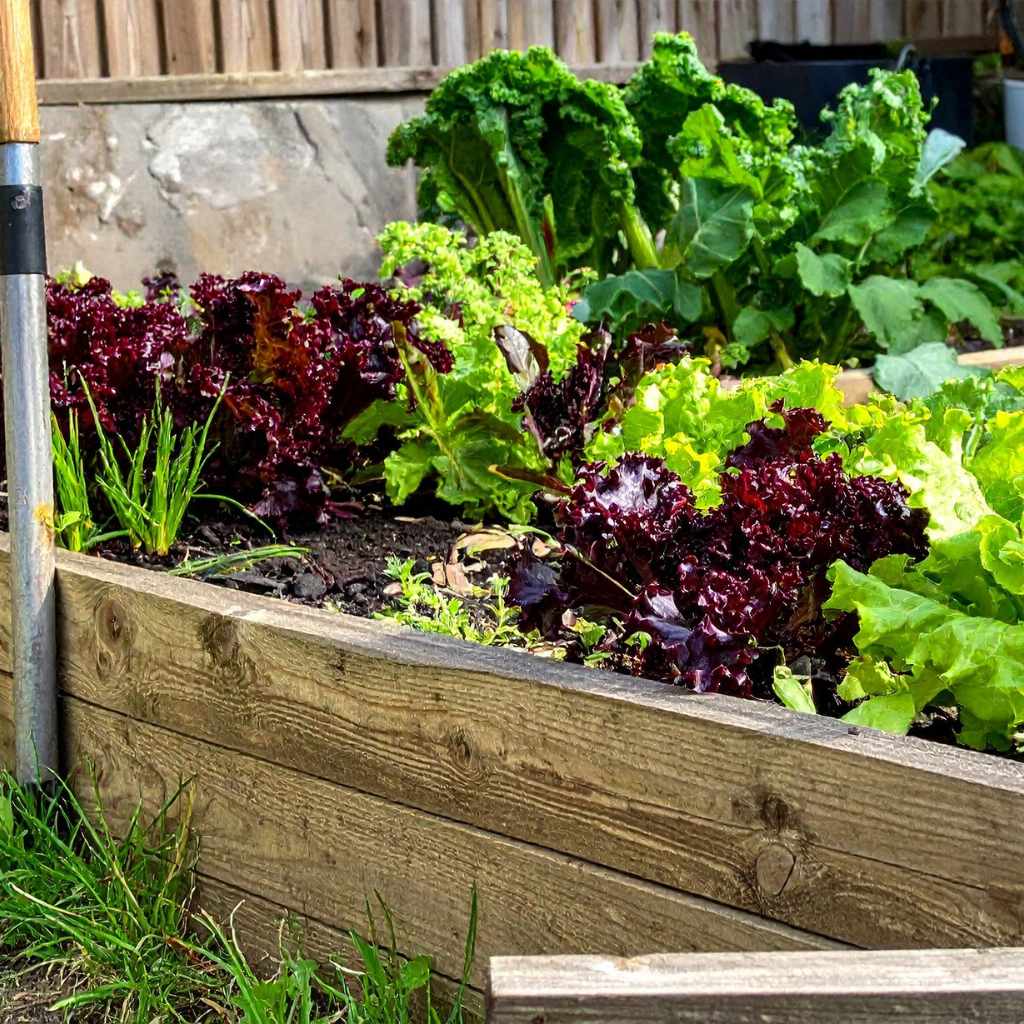
Wood garden beds bring warmth and a natural feel. The soft texture and earthy tones fit well in rustic or cottage gardens. Wood changes color and ages with time, adding character. Each wooden bed looks unique because of natural grain patterns.
Wood blends easily with plants and soil. It creates a cozy and inviting garden space. Many gardeners enjoy the classic look that wood provides. It makes the garden feel friendly and close to nature.
Ease Of Installation
Ease of installation matters a lot when choosing garden beds. A quick setup saves time and effort. It lets you start planting sooner. Both galvanized steel and wood beds have different steps to follow. Understanding these steps helps make the right choice for your garden.
Setting Up Steel Beds
Galvanized steel beds usually come in flat panels. These panels fit together like a puzzle. No special tools are needed for most designs. A screwdriver or wrench often works well. Assembly instructions are clear and simple.
Steel beds are lightweight and easy to move. You can set them up on any flat surface. No digging or heavy lifting is required. The metal resists warping and splitting. This means the bed stays stable after installation.
Building With Wood
Wood garden beds need cutting and measuring. You must join pieces with nails or screws. This process takes more time and skill. Tools like saws and drills are essential. Wood also requires a flat, prepared base.
Wood can be heavy and harder to handle. It may twist or crack if not installed correctly. Sealing or painting wood helps protect it. This extra step adds to the installation time.
Longevity Expectations
Choosing between galvanized steel and wood garden beds often depends on how long you want them to last. Both materials offer different lifespans that affect their value and maintenance needs. Understanding their longevity helps you pick the best option for your garden.
Typical Lifespan Of Steel Beds
Galvanized steel beds resist rust and decay well. They often last 20 to 30 years outdoors. The protective zinc coating slows corrosion even in wet conditions. Steel beds keep their shape and strength over time. Minimal maintenance is needed to extend their life. Occasional cleaning can prevent dirt buildup and surface damage.
Wood Bed Durability Over Time
Wood garden beds usually last 5 to 10 years. Their lifespan depends on the wood type and treatment. Cedar and redwood last longer than pine or fir. Untreated wood can rot faster, especially in moist soil. Wood beds may need sealing or staining every few years. Termites and fungi can reduce wood durability if not managed.
Frequently Asked Questions
What Are The Benefits Of Galvanized Steel Garden Beds?
Galvanized steel beds resist rust and last longer outdoors. They are low maintenance and provide a modern look. Steel beds also prevent soil pests and are easy to clean, making them ideal for long-term gardening.
How Does Wood Compare To Galvanized Steel In Durability?
Wood garden beds are natural but can rot or warp over time. Galvanized steel is more durable and weather-resistant, lasting many years without damage. Steel beds handle moisture and pests better, offering greater longevity than wood.
Which Garden Bed Material Is More Eco-friendly?
Wood is biodegradable and renewable if sourced sustainably. Galvanized steel is recyclable but requires more energy to produce. Choosing sustainably harvested wood or recycled steel helps minimize environmental impact in garden bed selection.
Are Galvanized Steel Beds Safe For Growing Vegetables?
Yes, galvanized steel beds are safe for vegetables. The steel is coated to prevent harmful metals from leaching into soil. They provide a clean, controlled environment, promoting healthy plant growth without chemical risks.
Conclusion
Galvanized steel and wood garden beds both have strong points. Steel lasts longer and resists pests well. Wood looks natural and blends with gardens easily. Choose steel for durability and low care. Pick wood for a warm, classic feel. Think about your garden style and budget.
Both options can help your plants grow healthy. Your choice depends on what fits your needs best. Either way, you will enjoy a great garden space.